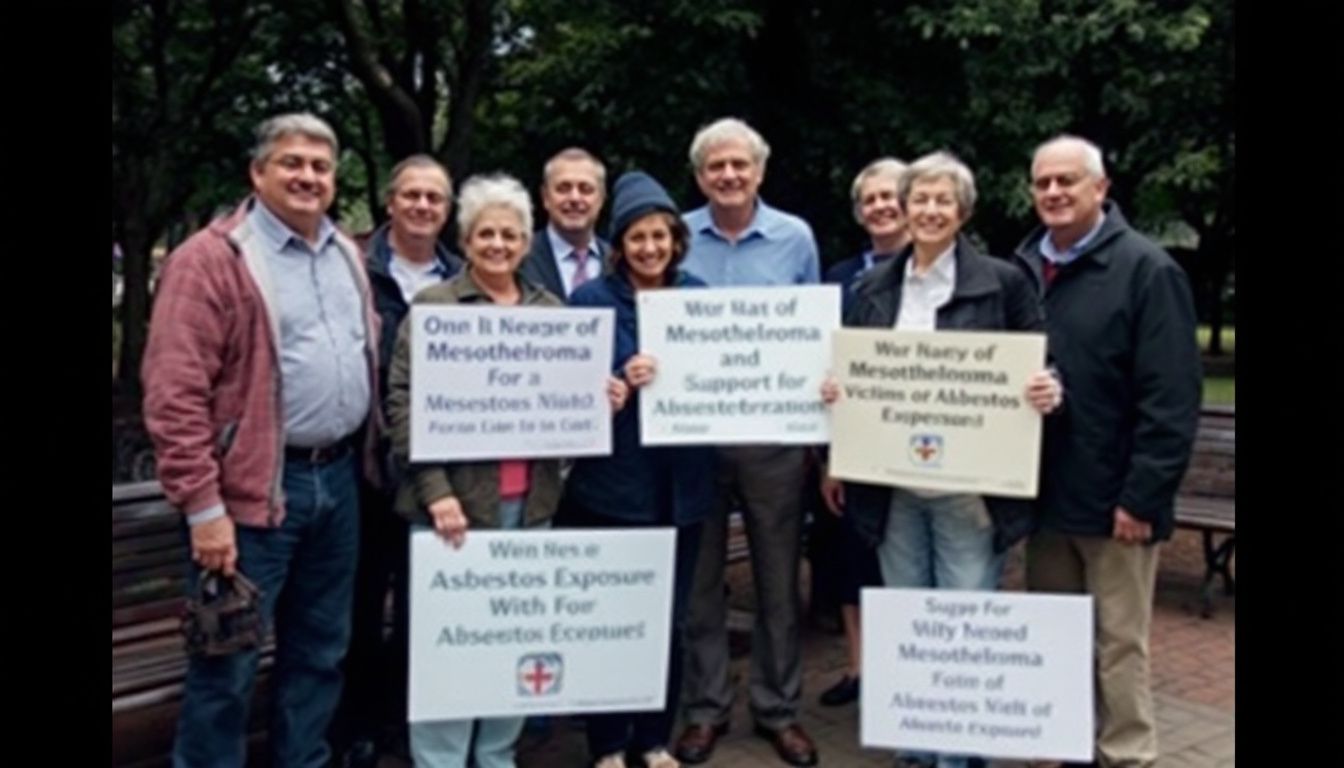
The Crisis Still Claiming Lives: Mesothelioma Awareness and Standing Up for Asbestos Victims’ Rights
Every year in the UK, hundreds of families receive a mesothelioma diagnosis that traces back to asbestos exposure that happened decades earlier. Mesothelioma awareness and standing up for asbestos victims’ rights has never been more urgent — this is not a historical footnote quietly fading from view, it is a present-day crisis unfolding in homes, hospitals, and courtrooms across the country.
Behind every statistic is a person who went to work, did their job, and trusted that their employer kept them safe. This post examines why advocacy matters, how legal frameworks support victims, what the UK’s regulatory landscape means in practice, and what you can do — whether you are a victim, a family member, or a property professional — to play your part.
Understanding Mesothelioma: The Disease That Hides for Decades
Mesothelioma is a form of cancer that develops in the lining of the lungs, abdomen, or heart. It is almost exclusively caused by inhaling or ingesting asbestos fibres — and what makes it particularly devastating is its latency period.
Symptoms can take anywhere from 20 to 50 years to appear after initial exposure. By the time a diagnosis is made, the disease is typically at an advanced stage, and prognosis is often poor despite the treatment options available.
This long latency period is one of the core reasons why mesothelioma awareness campaigns matter so deeply. Many people do not know they were exposed until it is far too late to act early — and many others are still being exposed today without realising it.
Who Is Most at Risk?
Asbestos exposure was widespread across dozens of industries throughout the 20th century. Those most commonly affected include:
- Construction workers and labourers
- Shipbuilders and dockworkers
- Insulation and lagging engineers
- Electricians, plumbers, and heating engineers
- Factory and manufacturing workers
- Teachers and school staff in older buildings
- Family members of workers who brought fibres home on clothing
That last group is particularly important. Secondary exposure — where a family member was exposed through contact with a worker’s contaminated clothing — is one of the most painful aspects of the mesothelioma story.
Spouses who washed work clothes, children who greeted parents at the door — none of them knew the risk they faced. Their suffering is just as real, and their rights deserve equal recognition.
The Role of Advocacy in Supporting Asbestos Victims’ Rights
Advocacy organisations have been central to driving change for asbestos victims across the UK. A growing network of charities, legal firms, and campaign groups has worked to ensure that victims are not left to navigate a complex legal and medical landscape alone.
These organisations raise public awareness about the dangers of asbestos exposure, provide emotional and practical support to victims and their families, and lobby governments and regulators to strengthen protections for workers and the public. Their work is ongoing — and it matters.
Action Mesothelioma Day
One of the most visible expressions of this advocacy is Action Mesothelioma Day, held annually on the first Friday in July. This event brings together patients, families, healthcare professionals, legal experts, and campaigners to share stories, push for better funding, and keep mesothelioma in the public consciousness.
Mesothelioma can feel invisible — it does not carry the same public profile as other cancers, despite the number of lives it claims each year in the UK. Action Mesothelioma Day helps to change that, one conversation at a time.
Educational Outreach and Training
Advocacy groups also invest heavily in education. Workshops and training programmes teach workers, employers, and property professionals how to identify asbestos risks, what their legal duties are, and how to handle suspected asbestos-containing materials safely.
Many people still do not know that asbestos is present in a large proportion of buildings constructed before 2000, or that disturbing it without proper precautions puts lives at risk. Closing that knowledge gap saves lives — and it is a responsibility shared across communities, industries, and professions.
Mesothelioma Awareness and the UK Legal Framework
The UK banned the use of all forms of asbestos in 1999, following earlier restrictions on the most dangerous varieties. This was a landmark moment — but the ban did not remove the asbestos already in place across millions of buildings, and it did not undo the harm already done to those exposed before it came into force.
Legal advocacy has been essential in ensuring that victims can access justice. Specialist law firms have helped thousands of people bring compensation claims against former employers, insurers, and other liable parties. Compensation can cover lost earnings, care costs, and the profound pain and suffering caused by a mesothelioma diagnosis.
What Are Asbestos Victims’ Rights Under UK Law?
Under UK law, individuals who develop mesothelioma or other asbestos-related diseases as a result of negligent exposure have several important rights:
- The right to claim compensation from a former employer or their insurer, even if the company has since closed
- Access to the Diffuse Mesothelioma Payment Scheme (DMPS), which provides payments to those who cannot trace a liable employer or insurer
- Industrial Injuries Disablement Benefit (IIDB) for those whose disease is linked to occupational exposure
- Access to NHS treatment and specialist mesothelioma centres
- Support for bereaved families, including bereavement payments and access to legal claims after a victim’s death
Navigating these rights can be complex, particularly when exposure happened many decades ago. Specialist legal advice is essential, and many firms offer no-win, no-fee arrangements so that financial barriers do not prevent victims from seeking justice.
Policy Progress and What Still Needs to Change
Advocacy efforts have achieved real, tangible results. The UK ban on asbestos, improved workplace safety regulations, the creation of compensation schemes, and increased NHS funding for mesothelioma research have all come about — at least in part — because of sustained campaigning by victims and their supporters.
But campaigners argue that more needs to be done. Research funding for mesothelioma remains relatively modest compared to other cancers, and diagnosis-to-treatment timelines need to improve. There are also ongoing calls for better support for families who lose a loved one to an asbestos-related disease.
Standing up for asbestos victims’ rights is not a finished task — it is an ongoing commitment that demands continued public attention and political will.
Why Asbestos Surveys Are Central to Prevention
Mesothelioma awareness is not just about the past — it is about preventing future cases. And that prevention starts with knowing where asbestos is, managing it properly, and ensuring that anyone who might disturb it is protected.
Under the Control of Asbestos Regulations, duty holders — those responsible for non-domestic premises — have a legal obligation to manage asbestos in their buildings. This means identifying asbestos-containing materials, assessing the risk they pose, and putting a management plan in place. Failure to do so is not just a legal risk; it is a moral one.
The Management Survey: Where It All Starts
A management survey is the starting point for most duty holders. It identifies the location, type, and condition of asbestos-containing materials in a building and informs the management plan that keeps workers and visitors safe day to day.
Without this foundation, you are flying blind — and that is not a position any responsible building owner or manager should be in. If you have not commissioned a management survey for a pre-2000 building, that needs to change.
The Refurbishment Survey: Protecting Workers Before Work Begins
Before any renovation or demolition work, a refurbishment survey is legally required. This more intrusive survey ensures that no asbestos-containing materials are disturbed during works without appropriate controls in place.
Tradespeople working in older buildings — electricians chasing cables, plumbers cutting through walls, decorators sanding surfaces — are among those most at risk today. A refurbishment survey protects them, the contractors commissioning the work, and future occupants of the building.
Keeping the Register Up to Date: The Re-Inspection Survey
Once an asbestos register is in place, it must be kept current. A re-inspection survey ensures that the condition of known asbestos-containing materials is monitored over time, and that any deterioration is caught before it becomes a hazard.
Asbestos that is in good condition and left undisturbed poses a lower risk. But condition changes — and without regular re-inspection, you will not know when it does.
When You Need a Quick Answer
If you are unsure whether asbestos is present in your property and cannot wait for a full survey, professional asbestos testing services can provide fast, laboratory-confirmed results.
Alternatively, an asbestos testing kit allows you to collect samples from suspect materials yourself and have them analysed at an accredited laboratory — a practical first step when you need answers quickly and responsibly.
The Human Cost of Inadequate Asbestos Management
When asbestos is not properly managed, people get hurt. The mesothelioma cases being diagnosed today are the direct result of exposures that happened decades ago — in workplaces where asbestos was used freely, where safety was an afterthought, and where workers had no idea of the risk they were taking on.
We cannot change that history. But we can make different choices now.
Every building that goes unsurveyed, every renovation that proceeds without a refurbishment survey, every asbestos register that is left out of date — these are decisions that carry real consequences for real people, even if those consequences will not be visible for another 20 or 30 years.
Standing up for asbestos victims’ rights means more than supporting those already diagnosed. It means taking the steps today that prevent the next generation of victims from ever having to fight that battle.
How Communities Can Support Asbestos Victims
Standing up for asbestos victims’ rights is not solely the job of lawyers and campaigners. Communities, employers, and property professionals all have a role to play — and the actions available to most people are straightforward.
Here are practical ways to contribute:
- Share information about mesothelioma and asbestos risks within your workplace, community, or social networks
- Support advocacy organisations — donations, volunteering, and simply amplifying their campaigns makes a real difference
- Attend or promote Action Mesothelioma Day events in your area
- Encourage anyone who suspects past asbestos exposure to seek medical advice and legal guidance without delay
- Ensure your own building is properly surveyed and managed, so that no one working or living there faces the same risks that affected previous generations
- Contact your MP to express support for increased mesothelioma research funding and stronger victim support schemes
None of these actions requires specialist expertise. They require only a willingness to take the issue seriously — and to treat the people affected by it with the dignity they deserve.
Asbestos Surveys Across the UK: Protecting People Everywhere
Asbestos is not a regional problem. Buildings constructed before 2000 exist in every city, town, and village across the UK, and the duty to manage asbestos applies equally to all of them.
Whether you manage a school, an office block, a warehouse, or a residential building, your legal obligations under the Control of Asbestos Regulations are the same — and so is the human cost of getting it wrong.
Supernova Asbestos Surveys operates nationwide, with dedicated local teams covering major cities and surrounding areas. If you are based in the capital, our asbestos survey London service covers the full range of survey types across all London boroughs. For those in the North West, our asbestos survey Manchester team is ready to assist with everything from initial management surveys through to re-inspections. And in the Midlands, our asbestos survey Birmingham service provides the same rigorous, accredited approach to properties of all types and sizes.
Wherever you are in the UK, professional asbestos testing and surveying support is within reach. The geography changes; the obligation does not.
Frequently Asked Questions
What is mesothelioma and how is it linked to asbestos?
Mesothelioma is a cancer that develops in the lining of the lungs, abdomen, or heart. It is almost exclusively caused by exposure to asbestos fibres — either through direct occupational contact or secondary exposure via contaminated clothing. Symptoms can take between 20 and 50 years to appear, which is why many people are only diagnosed long after the exposure occurred.
What legal rights do asbestos victims have in the UK?
Victims of asbestos-related diseases in the UK have the right to claim compensation from former employers or their insurers, even if those companies no longer exist. Where a liable employer cannot be traced, the Diffuse Mesothelioma Payment Scheme (DMPS) may provide financial support. Industrial Injuries Disablement Benefit (IIDB) is also available for those whose disease is linked to occupational exposure. Specialist legal advice — often available on a no-win, no-fee basis — is strongly recommended.
Do I have a legal duty to survey my building for asbestos?
If you are a duty holder responsible for a non-domestic premises built before 2000, the Control of Asbestos Regulations place a legal obligation on you to identify, assess, and manage any asbestos-containing materials in the building. This typically begins with a management survey, followed by a management plan and regular re-inspections. Failing to meet these duties carries both legal and moral consequences.
What is the difference between a management survey and a refurbishment survey?
A management survey is designed to locate and assess asbestos-containing materials during the normal occupation and use of a building — it informs your asbestos register and management plan. A refurbishment survey is more intrusive and is required before any renovation, refurbishment, or demolition work takes place. It ensures that no asbestos is disturbed during works without appropriate controls. Both are governed by HSE guidance set out in HSG264.
How can I find out quickly whether my property contains asbestos?
If you need a fast answer, professional asbestos testing services can provide laboratory-confirmed results from samples taken by a qualified surveyor. Alternatively, a testing kit allows you to collect samples yourself for analysis at an accredited laboratory. For a full picture of what is present in your building, a management or refurbishment survey carried out by an accredited surveyor remains the most thorough and legally defensible approach.
Speak to Supernova Asbestos Surveys
If you are a property manager, building owner, or employer with responsibilities under the Control of Asbestos Regulations, Supernova Asbestos Surveys can help. With over 50,000 surveys completed nationwide and fully accredited surveyors operating across the UK, we provide the expertise and reliability you need to meet your legal duties and protect the people in your buildings.
Call us today on 020 4586 0680 or visit asbestos-surveys.org.uk to book a survey, request a quote, or speak to one of our team about the right approach for your property. Because standing up for asbestos victims’ rights starts with making sure no one else has to become one.