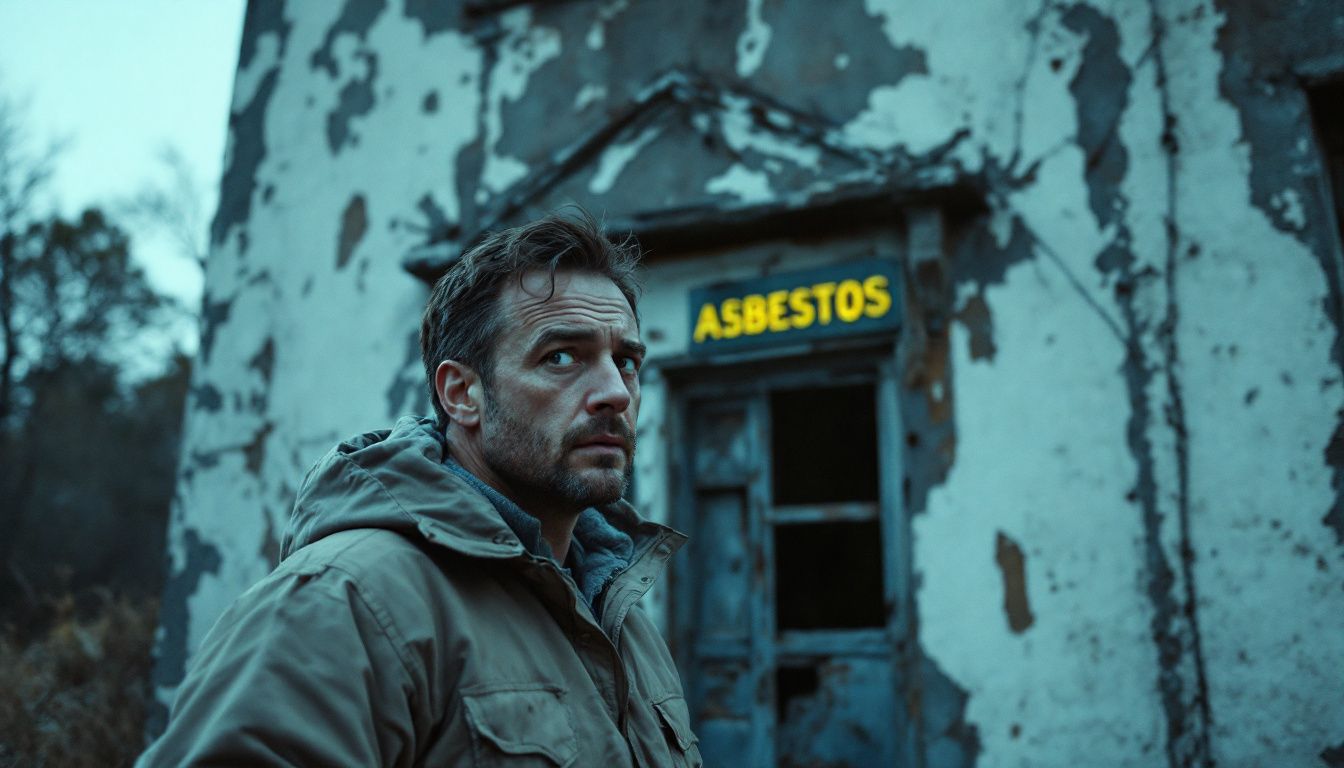
Why Mesothelioma Awareness Remains One of the Most Powerful Weapons Against Asbestos
Asbestos doesn’t announce itself. It hides inside walls, ceiling tiles, pipe lagging, and floor coverings — often in buildings that look completely ordinary from the outside. Understanding how mesothelioma awareness can help fight against asbestos is one of the most powerful tools we have to protect lives, because the disease it causes remains entirely preventable in the vast majority of cases.
Mesothelioma is an aggressive cancer caused almost exclusively by asbestos exposure. It can take decades to develop after initial exposure, which means people diagnosed today were likely exposed in workplaces or homes that existed long before modern safety regulations were in place.
That lag between exposure and diagnosis makes awareness — real, sustained, public awareness — absolutely critical. Without it, people continue to disturb materials they don’t recognise as dangerous, and the cycle of preventable harm continues.
The Scale of the Problem in the UK
The UK has one of the highest rates of mesothelioma in the world. That reflects decades of heavy industrial use of asbestos in construction, shipbuilding, manufacturing, and utilities. Asbestos was widely used in buildings constructed before 2000, and the UK only banned all forms of asbestos in 1999.
Thousands of people are diagnosed with mesothelioma in the UK every year, and the disease carries a very poor prognosis. There is currently no cure — treatment can extend life and improve quality of life, but the focus must remain firmly on prevention.
The tragedy is that mesothelioma is largely preventable. When people know where asbestos is, understand the risks of disturbing it, and take appropriate action — whether that’s managing it safely in place or arranging proper removal — exposure can be avoided entirely. Prevention starts with awareness, and awareness starts with education.
How Mesothelioma Awareness Can Help Fight Against Asbestos Exposure
Awareness campaigns do far more than raise a flag. They change behaviour, shape policy, and drive the kind of cultural shift that saves lives over the long term. Here’s how that plays out in practice.
Educating Workers and Homeowners
Many people who work in the trades — plumbers, electricians, carpenters, builders — encounter asbestos-containing materials regularly without realising it. Awareness programmes that target these groups directly help workers understand which materials are likely to contain asbestos, what the warning signs are, and what to do when they suspect they’ve found it.
For homeowners, the message is equally important. Anyone planning renovation work on a property built before 2000 should treat the presence of asbestos as a real possibility until proven otherwise. Commissioning a management survey before any intrusive work begins is the responsible first step — and awareness campaigns help people understand exactly why that matters.
Without targeted education, well-meaning homeowners and tradespeople continue to drill, cut, and sand materials that may be releasing harmful fibres into the air. Awareness turns ignorance into informed caution.
Encouraging Proper Testing Before Disturbance
One of the most dangerous moments for asbestos exposure is during renovation or demolition work. Disturbing asbestos-containing materials releases fibres into the air, where they can be inhaled and lodge permanently in lung tissue — and this is precisely how mesothelioma begins.
Awareness campaigns that communicate this risk clearly lead to better decision-making. When property owners and contractors understand that disturbing unknown materials without proper asbestos testing first is genuinely life-threatening, they are far more likely to arrange proper checks before work begins.
That single action — test before you touch — prevents countless exposures every year. It’s one of the simplest and most effective messages any awareness campaign can deliver.
Promoting Compliance With UK Regulations
The Control of Asbestos Regulations places a legal duty on owners and managers of non-domestic premises to manage asbestos in their buildings. This includes identifying asbestos-containing materials, assessing the risk they pose, and maintaining an up-to-date asbestos register.
Despite this clear legal framework, compliance is not universal. Awareness campaigns play a vital role in helping duty holders understand their obligations. When employers, facilities managers, and building owners know what the law requires — and why — compliance rates improve and exposure incidents fall.
HSE guidance, including HSG264, sets out exactly how surveys should be conducted and recorded. Awareness of these standards means duty holders are better placed to commission the right type of survey and act on the findings appropriately.
The Role of Campaigns and Advocacy Groups
Organised advocacy is the engine behind meaningful change. In the UK, organisations including Mesothelioma UK and ActionMeso have been instrumental in pushing asbestos awareness into the mainstream, lobbying for stronger protections, and supporting those affected by the disease.
Events such as Action Mesothelioma Day bring together patients, families, healthcare professionals, and campaigners to share experiences and drive the conversation forward. These events aren’t just symbolic — they generate media coverage, political attention, and public understanding that translate into real-world change.
The Royal British Legion has also been active in supporting veterans affected by asbestos-related disease, recognising that many who served in the armed forces were exposed to asbestos in ships, barracks, and vehicles. Their advocacy highlights how mesothelioma awareness extends beyond any single industry or community.
The cumulative effect of these campaigns is significant. Each year, more people know what asbestos looks like, where it’s likely to be found, and what to do when they encounter it. That knowledge directly reduces the number of people who are inadvertently exposed.
Funding and Driving Research
Awareness campaigns raise money. That money funds research. And research is what will ultimately improve outcomes for those diagnosed with mesothelioma, even as we work to prevent new cases from occurring.
Researchers are working to identify new biomarkers that could enable earlier diagnosis — when treatment options are more effective. They are also investigating new therapeutic approaches and studying the mechanisms by which asbestos fibres cause cellular damage at a molecular level.
Earlier detection is particularly important because mesothelioma symptoms — breathlessness, chest pain, persistent cough — often don’t appear until the disease is already advanced. Raising public awareness of these symptoms, and of the need to disclose any history of asbestos exposure to a GP, can make a meaningful difference to individual outcomes.
Sustained funding, driven by awareness, also supports the development of better occupational health screening programmes for workers in high-risk industries. This is how awareness translates directly into lives saved.
Practical Steps Property Owners and Managers Can Take Now
Awareness without action is just knowledge. If you manage or own a property that could contain asbestos, here’s what you should be doing right now.
Commission a Professional Asbestos Survey
If you don’t know whether asbestos is present in your building, find out. A qualified surveyor can inspect the property, identify suspected asbestos-containing materials, take samples for laboratory analysis, and provide you with a full asbestos register and risk assessment.
For occupied non-domestic premises, a management survey is the standard starting point. If you’re planning refurbishment or demolition work, you’ll need a more intrusive refurbishment survey that assesses all areas likely to be disturbed. Both types of survey follow HSG264 guidance and are essential for legal compliance.
Whether you need an asbestos survey London or an asbestos survey Manchester, Supernova Asbestos Surveys covers the full length and breadth of the country.
Keep Your Asbestos Register Up to Date
An asbestos register isn’t a one-time exercise. Materials degrade over time, and the risk they pose can change. A periodic re-inspection survey ensures that your register reflects the current condition of asbestos-containing materials in your building, and that your management plan remains appropriate and legally defensible.
Failing to maintain an up-to-date register isn’t just a compliance risk — it means workers and contractors entering your building may be unaware of hazards that have changed since the last assessment.
Use a Testing Kit for Initial Screening
If you’re a homeowner who suspects a particular material might contain asbestos but isn’t sure whether a full survey is warranted, a testing kit can provide a straightforward way to collect a sample for laboratory analysis. This is a practical, low-cost first step that can give you the information you need to make an informed decision.
Sample collection should be done carefully to avoid disturbing the material unnecessarily. If you’re at all uncertain, a professional asbestos testing service is always the safer option.
Arrange Safe Removal Where Necessary
Where asbestos-containing materials are damaged, deteriorating, or in a location where they’re likely to be disturbed, asbestos removal by a licensed contractor is often the right course of action. Professional removal ensures that materials are taken out safely, with appropriate containment and disposal, eliminating the ongoing risk they pose.
Not all asbestos needs to be removed — materials that are in good condition and unlikely to be disturbed can often be managed safely in place. The key is making that decision on the basis of a proper risk assessment, not guesswork.
Don’t Overlook Fire Safety
Buildings that contain asbestos often have other legacy safety issues too. A fire risk assessment is a legal requirement for most non-domestic premises and should be carried out alongside asbestos management as part of a joined-up approach to building safety.
Treating these obligations in isolation means you may be compliant in one area while remaining exposed to significant risk in another. A holistic approach to building safety is always more effective.
Training, Certification, and Safe Working Practices
One of the most direct ways that understanding how mesothelioma awareness can help fight against asbestos translates into safer outcomes is through improved training. Workers who understand the risks of asbestos exposure — and who have been properly trained in how to identify and handle asbestos-containing materials — are far less likely to cause inadvertent disturbance.
Under the Control of Asbestos Regulations, anyone who is liable to disturb asbestos during their work must receive appropriate information, instruction, and training. This applies to a wide range of trades, not just those working directly with asbestos.
Consider the range of workers who might encounter asbestos in older buildings:
- Electricians chasing cables through walls and ceiling voids
- Plumbers working around pipe lagging and boiler rooms
- Decorators stripping old textured coatings and artex
- Carpenters working with floor tiles and ceiling boards
- HVAC engineers accessing ductwork and plant rooms
- General maintenance workers in older commercial or public buildings
Awareness campaigns that target these groups — and the employers responsible for their training — help ensure that legal requirements are met and that workers are genuinely equipped to protect themselves.
The Human Cost: Why This Is Never Just a Compliance Issue
It’s easy to frame asbestos management in purely regulatory terms — legal duties, compliance timelines, penalty notices. But behind every diagnosis is a person, a family, and a story that didn’t have to end this way.
Mesothelioma is a disease that robs people of years they should have had. It typically affects people later in life, often decades after the exposure that caused it — meaning victims frequently have no memory of the specific incident that sealed their fate. They may have been doing nothing more than working in a school, fitting a boiler, or renovating a family home.
That is why mesothelioma awareness matters beyond statistics and surveys. Every person who learns to ask the right questions before picking up a drill, every contractor who commissions a survey before breaking ground, every facilities manager who keeps their asbestos register current — each of those actions represents a potential life protected.
Awareness campaigns give people the knowledge to make those decisions. And knowledge, in this context, is genuinely life-saving.
What Meaningful Awareness Looks Like in Practice
Mesothelioma awareness isn’t a single campaign or an annual awareness day — though those matter. Meaningful awareness is woven into how we train workers, how we regulate buildings, how we educate young people entering the trades, and how we support those already living with the disease.
It looks like a plumber who pauses before cutting into old pipe lagging and calls for a survey. It looks like a school business manager who schedules a re-inspection because materials have been flagged as deteriorating. It looks like a homeowner who buys a testing kit before starting a kitchen renovation, rather than assuming the artex on the ceiling is safe.
These aren’t dramatic gestures. They’re small, informed decisions that collectively prevent exposure and save lives. That is the real legacy of mesothelioma awareness — not just the campaigns themselves, but the culture of caution and responsibility they create.
The fight against asbestos is long, and it won’t be won overnight. But with sustained awareness, proper regulation, and professional support, the number of people harmed by this entirely preventable disease can be reduced significantly — and eventually, the goal is to reduce it to zero.
Frequently Asked Questions
How does mesothelioma awareness help prevent asbestos exposure?
Mesothelioma awareness educates workers, homeowners, and building managers about where asbestos is likely to be found, what happens when it’s disturbed, and what steps to take before carrying out any work that might affect asbestos-containing materials. That education leads to better decisions — commissioning surveys, arranging testing, and avoiding disturbance — which directly prevents the fibre inhalation that causes mesothelioma.
Who is most at risk of asbestos exposure in the UK?
Workers in the construction and maintenance trades carry the highest risk, particularly those working in buildings constructed before 2000. This includes electricians, plumbers, decorators, carpenters, and HVAC engineers. Homeowners undertaking DIY renovation work on older properties are also at significant risk if they disturb materials without first checking for asbestos.
What should I do if I think I’ve found asbestos in my building?
Do not disturb the material. If it’s in good condition and unlikely to be touched, it may be safest to leave it in place and have it assessed by a professional. Contact a qualified asbestos surveyor to inspect the material, take samples for laboratory analysis, and advise on the appropriate course of action — whether that’s monitoring, encapsulation, or removal.
Is asbestos still a problem in UK buildings?
Yes. Asbestos was used extensively in UK construction until it was fully banned in 1999, meaning a very large proportion of buildings constructed before that date may still contain asbestos-containing materials. Schools, hospitals, offices, factories, and residential properties built during the twentieth century are all potentially affected. The material remains in place in millions of buildings across the country.
What legal duties do building owners have regarding asbestos?
Under the Control of Asbestos Regulations, duty holders — typically the owners or managers of non-domestic premises — are legally required to identify asbestos-containing materials in their buildings, assess the risk they pose, and put a management plan in place. This includes maintaining an up-to-date asbestos register and ensuring that anyone working in the building is informed of any known asbestos locations. Failure to comply can result in enforcement action by the HSE.
Need professional asbestos support? Supernova Asbestos Surveys has completed over 50,000 surveys across the UK. Whether you need a management survey, a refurbishment survey, asbestos testing, or safe removal, our qualified team is ready to help. Call us on 020 4586 0680 or visit asbestos-surveys.org.uk to book your survey today.