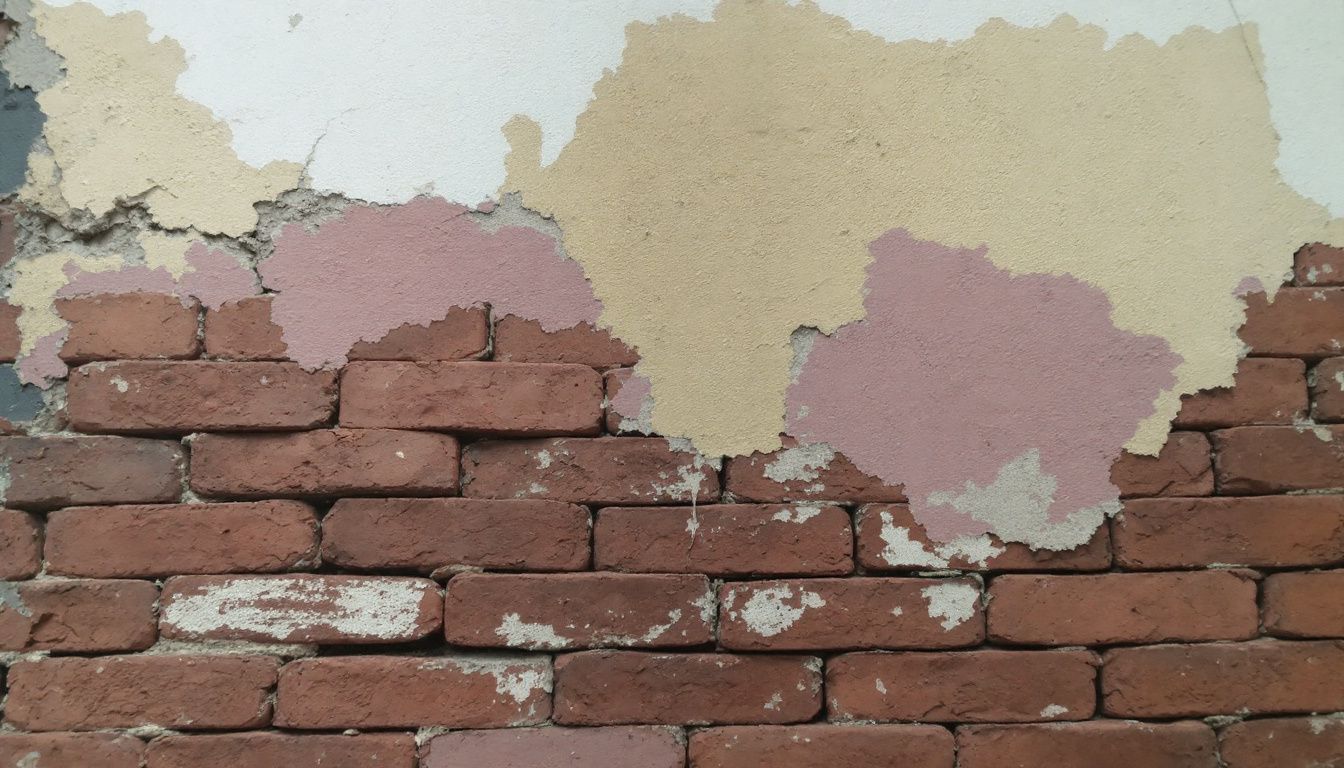
Why Asbestos Was Used in Building Products — And What That Means for Your Property Today
Asbestos was used in building products because it offered a combination of properties that no other affordable material could match. Fire-resistant, exceptionally strong, chemically stable, and versatile enough to be woven, sprayed, or mixed into almost anything — it was genuinely considered a wonder material. That enthusiasm left a lasting legacy in millions of UK buildings still standing today.
If you own, manage, or are planning work on a property built before 2000, understanding why asbestos was so widely used is the first step to managing the risks it now presents. The material is still out there, still embedded in structures across the country, and still capable of causing serious harm when disturbed.
The Properties That Made Asbestos Irresistible to Builders
To understand why asbestos ended up in so many building products, you need to appreciate the problem builders and manufacturers were actually trying to solve. They needed materials that could withstand fire, insulate against heat and sound, resist moisture and chemical attack — and do all of this cheaply at scale.
Asbestos ticked every single box. Here is why it was so attractive:
- Fire resistance: Asbestos fibres do not burn. Adding them to building materials dramatically improved fire ratings — critical for public buildings, factories, and high-rise construction.
- Tensile strength: The fibres are exceptionally strong, reinforcing cement, plaster, and other materials without adding significant weight.
- Thermal insulation: Asbestos was highly effective at retaining heat, making it ideal for pipe lagging, boiler insulation, and cavity fill.
- Sound absorption: Certain asbestos-containing products — particularly ceiling tiles and spray coatings — helped dampen noise in large spaces.
- Chemical resistance: Asbestos fibres resist most acids and alkalis, making them useful in industrial and marine environments.
- Flexibility: Asbestos could be spun into fibres, compressed into boards, mixed into cement, or sprayed onto surfaces. Its versatility was unmatched by any comparable material.
- Low cost: Asbestos was abundant and cheap to mine. It made construction materials significantly more affordable at a time when the UK was rebuilding after the Second World War.
These qualities made asbestos genuinely useful — not just a corner-cutting measure. Architects and engineers specified it because it worked. The problem was that nobody fully understood the catastrophic health consequences until the damage was already widespread.
When Was Asbestos Used Most Heavily in UK Construction?
Asbestos use in the UK construction industry peaked between the 1940s and the 1970s. The post-war rebuilding programme created enormous demand for cheap, fire-resistant building materials, and asbestos products were central to meeting that demand.
Schools, hospitals, council housing blocks, factories, offices, and power stations built during this period are particularly likely to contain asbestos-containing materials (ACMs). Use began to decline through the late 1970s and 1980s as health concerns mounted, and the UK ultimately banned all forms of asbestos in 1999.
That ban came too late for millions of buildings already constructed. Significant quantities of asbestos remain in a large number of UK buildings — the material is not going away any time soon, which is why understanding it matters.
Which Building Products Contained Asbestos — And Why?
Asbestos was used in building products because different types of asbestos offered slightly different properties, and manufacturers matched those properties to specific applications. Below is a breakdown of the most common products and the reasoning behind their formulation.
Sprayed Asbestos Coatings
Sprayed coatings — sometimes called limpet asbestos — were applied directly to structural steelwork, concrete beams, and ceilings. The primary reason was fire protection. Steel loses structural integrity rapidly when exposed to high temperatures, and sprayed asbestos provided a cost-effective fireproofing solution for large commercial and industrial buildings.
These coatings are among the most hazardous ACMs because the asbestos is loosely bound and can release fibres easily if disturbed or damaged.
Asbestos Insulating Board (AIB)
Asbestos insulating board was manufactured for use in partition walls, ceiling tiles, door linings, fire doors, and soffits. It combined thermal insulation with fire resistance in a rigid, workable board format. AIB was used extensively in schools, hospitals, and offices built between the 1950s and 1980s.
AIB is classified as a high-risk material because it can be drilled, cut, or broken relatively easily, releasing fibres into the air.
Pipe and Boiler Lagging
Thermal insulation around pipes, boilers, and hot water systems was one of the most logical applications for asbestos. The material’s ability to withstand high temperatures and retain heat made it the obvious choice for lagging in industrial premises, hospitals, and older residential properties.
Pipe lagging often contains amosite (brown asbestos), which is considered particularly hazardous. Deteriorating lagging is a serious concern in older mechanical plant rooms.
Asbestos Cement Products
Asbestos cement — a mixture of Portland cement reinforced with asbestos fibres — was used to manufacture corrugated roofing sheets, rainwater gutters and downpipes, water tanks, cladding panels, and flue pipes. The asbestos content (typically chrysotile, or white asbestos) improved the tensile strength of the cement and made it more resistant to weathering.
Asbestos cement products are considered lower risk than AIB or sprayed coatings when intact, but they become hazardous when broken, drilled, or weathered.
Floor Tiles and Adhesives
Vinyl floor tiles produced before the 1980s frequently contained asbestos, as did the bitumen-based adhesives used to fix them. Asbestos fibres improved the durability and dimensional stability of the tiles, helping them resist cracking and wear in high-traffic areas.
The tiles themselves are usually low risk when in good condition, but the adhesive beneath — sometimes called black mastic — can be friable and hazardous. Sanding or scraping these materials is particularly dangerous.
Textured Decorative Coatings
Textured coatings such as Artex were applied to ceilings and walls in millions of UK homes and commercial properties from the 1960s onwards. Asbestos was added to the coating compound to improve its workability and prevent cracking once dry.
These coatings are extremely common in domestic properties built before 1985. They are generally low risk when left undisturbed, but drilling, sanding, or scraping them can release fibres. If you are planning any work on a ceiling with a textured coating, an asbestos testing kit can help you establish whether asbestos is present before work begins.
Roofing Felts and Bitumen Products
Asbestos fibres were added to roofing felt and bitumen-based products to improve tensile strength and resistance to tearing. Flat roofs on commercial and industrial buildings from the mid-twentieth century are a common location for these materials.
Rope, Gaskets, and Seals
In industrial settings, asbestos rope was used as a sealing material around boiler doors, furnaces, and pipe joints. Its heat resistance made it ideal for high-temperature applications. These materials are still found in older industrial premises and plant rooms.
The Three Types of Asbestos and Their Uses
Not all asbestos is the same. Three types were used commercially in the UK, each with slightly different properties and risk profiles:
- Chrysotile (white asbestos): The most widely used type, found in asbestos cement products, floor tiles, and textured coatings. Considered lower risk than amphibole types but still hazardous.
- Amosite (brown asbestos): Used primarily in insulating board and pipe lagging. More hazardous than chrysotile due to the shape and durability of its fibres.
- Crocidolite (blue asbestos): The most hazardous type. Used in some sprayed coatings, pipe insulation, and specialist industrial products. Its thin, needle-like fibres penetrate deep into lung tissue.
Identifying which type is present in a material requires laboratory analysis — visual inspection alone is never sufficient to confirm the presence or type of asbestos.
The Health Consequences Nobody Anticipated
Asbestos was used in building products because its benefits were obvious and its dangers were not. The diseases caused by asbestos exposure — mesothelioma, asbestosis, asbestos-related lung cancer, and pleural thickening — have latency periods of 20 to 50 years. By the time the health consequences became undeniable, asbestos had already been incorporated into the fabric of the built environment on an enormous scale.
Mesothelioma, a cancer of the lining of the lungs or abdomen caused almost exclusively by asbestos exposure, claims thousands of lives in the UK every year. The UK has one of the highest rates of mesothelioma in the world — a direct consequence of the scale of asbestos use during the post-war construction boom.
These are not abstract statistics. They represent the ongoing human cost of decisions made in buildings that are still in use today. Tradespeople — electricians, plumbers, carpenters, and decorators — remain at particularly high risk because they work in older buildings regularly and may disturb ACMs without realising it.
How Asbestos Causes Disease
When asbestos-containing materials are disturbed, microscopic fibres become airborne. Those fibres can be inhaled and become lodged in the lungs or the lining of the chest and abdomen. The body cannot break them down or expel them effectively.
Over decades, the persistent presence of these fibres causes chronic inflammation and scarring, which can eventually lead to the diseases listed above. There is no safe level of asbestos exposure — the risk is dose-dependent, but no threshold has been established below which exposure is considered entirely harmless.
This is why the regulatory framework in the UK treats asbestos management as a serious legal obligation, not an optional precaution.
What This Means If You Own or Manage a Building
If your property was built or refurbished before 2000, there is a realistic possibility that asbestos-containing materials are present somewhere in the structure. The duty to manage asbestos under the Control of Asbestos Regulations applies to all non-domestic premises, placing a legal obligation on owners and managers to identify ACMs, assess their condition, and manage the risk.
Even for domestic properties, the risks during renovation are very real. Disturbing asbestos-containing materials without knowing they are there is one of the most common causes of exposure today. The first step is always to find out what you are dealing with.
Management Surveys
An asbestos management survey is the standard survey for occupied premises. It identifies the location and condition of ACMs that could be disturbed during normal occupation and routine maintenance. This is the starting point for any asbestos management plan and is required for compliance with the duty to manage under the Control of Asbestos Regulations.
Refurbishment Surveys
Before any renovation, demolition, or significant maintenance work, an asbestos refurbishment survey is required. This is a more intrusive investigation that involves accessing all areas to be disturbed, including cavities, voids, and structural elements. It is a legal requirement before any work that could disturb ACMs.
Re-Inspection Surveys
Where ACMs are identified and left in place under a management plan, their condition must be monitored regularly. An asbestos re-inspection survey checks whether the condition of known ACMs has changed and updates the risk assessment accordingly. This is a critical part of ongoing asbestos management in commercial premises.
Buildings Most Likely to Contain Asbestos
Certain building types and construction eras carry a higher likelihood of containing ACMs. If your property falls into any of the following categories, professional assessment should be a priority:
- Schools and universities built between the 1950s and 1980s
- NHS hospitals and health centres constructed during the same period
- Local authority housing blocks, particularly system-built and prefabricated designs
- Industrial and manufacturing premises from the mid-twentieth century
- Commercial office buildings from the 1960s and 1970s
- Private homes with textured ceilings, older floor tiles, or visible pipe lagging
- Agricultural buildings with corrugated cement roofing
Age alone does not guarantee the presence of asbestos, but any building constructed or significantly refurbished before 2000 warrants investigation before intrusive work takes place.
The Regulatory Framework You Need to Know
The Control of Asbestos Regulations set out the legal framework for managing asbestos in the UK. For non-domestic premises, the duty holder — typically the building owner or managing agent — must take reasonable steps to find ACMs, assess their condition, and put a management plan in place.
HSE guidance document HSG264 provides the technical framework for how surveys should be conducted and what they should cover. Any survey carried out under this guidance must be undertaken by a competent surveyor with appropriate training and experience.
Failure to comply with the duty to manage is a criminal offence. The HSE has enforcement powers including improvement notices, prohibition notices, and prosecution. Beyond the legal consequences, the human cost of non-compliance — in terms of worker and occupant exposure — is the more pressing concern.
Practical Steps for Property Owners and Managers
If you are unsure whether your property contains asbestos, or if you know it does but are not managing it systematically, here is a straightforward sequence of actions:
- Do not disturb suspected materials. If you suspect a material may contain asbestos — textured coatings, old floor tiles, pipe lagging, ceiling tiles — do not drill, sand, scrape, or break it until you know what it is.
- Commission a management survey. For any occupied non-domestic building, a management survey is the legal starting point. It will identify what is present, where it is, and what condition it is in.
- Use a testing kit for domestic properties. If you are a homeowner planning renovation work, a testing kit allows you to take a sample and have it analysed by a laboratory before work begins.
- Commission a refurbishment survey before any building work. This applies to both domestic and commercial properties. No contractor should begin work that could disturb ACMs without a refurbishment survey having been completed first.
- Put a management plan in place. Where ACMs are found and left in situ, they must be managed. That means recording their location, assessing their condition, and scheduling re-inspections.
- Keep records up to date. The asbestos register for your building is a live document. It should be updated after any survey, any disturbance, and any remediation work.
Asbestos Surveys Across the UK
Supernova Asbestos Surveys operates nationwide, with specialist teams covering every region of the UK. Whether you need a survey in the capital or further afield, our UKAS-accredited surveyors can be with you quickly.
For property owners and managers in the capital, our asbestos survey London service covers all London boroughs and surrounding areas. In the North West, our asbestos survey Manchester team handles everything from commercial offices to industrial sites. And across the West Midlands, our asbestos survey Birmingham service provides fast, thorough assessments for all property types.
With over 50,000 surveys completed across the UK, Supernova has the experience to handle properties of any age, size, or complexity.
Frequently Asked Questions
Why was asbestos used in building products if it was known to be dangerous?
Asbestos was used in building products because the health risks were not fully understood — or were not widely acknowledged — until decades after widespread use had begun. The diseases caused by asbestos exposure have latency periods of 20 to 50 years, meaning that by the time cases of mesothelioma and asbestosis began appearing in significant numbers, asbestos had already been incorporated into millions of buildings. The material’s genuine technical advantages — fire resistance, strength, insulation, and low cost — made it extremely attractive at a time when those properties were urgently needed.
How do I know if my building contains asbestos?
The only reliable way to confirm whether a material contains asbestos is through laboratory analysis of a sample. Visual inspection alone cannot identify asbestos. If your building was constructed or refurbished before 2000, a professional asbestos survey is the appropriate first step. For domestic properties where you want to test a specific material before renovation work, a testing kit allows you to take a sample safely and have it analysed.
Is asbestos dangerous if left undisturbed?
Asbestos-containing materials that are in good condition and are not being disturbed present a low risk. The danger arises when fibres are released into the air — typically through drilling, cutting, sanding, or physical damage. This is why the standard approach under the Control of Asbestos Regulations is to manage ACMs in place rather than automatically removing them. However, materials in poor condition or in locations where they are likely to be disturbed should be assessed by a qualified professional.
What types of asbestos are most dangerous?
All types of asbestos are hazardous, but crocidolite (blue asbestos) and amosite (brown asbestos) are considered more dangerous than chrysotile (white asbestos) due to the shape and durability of their fibres. Crocidolite in particular has thin, needle-like fibres that penetrate deep into lung tissue and are very difficult for the body to break down. However, chrysotile — the most commonly used type — is also a proven cause of mesothelioma and other asbestos-related diseases and should never be treated as safe.
Do I need an asbestos survey before renovation work?
Yes. Before any renovation, refurbishment, or demolition work on a building that may contain asbestos, a refurbishment survey is a legal requirement under the Control of Asbestos Regulations. This applies to both commercial and domestic properties. The survey must be carried out by a competent surveyor and must cover all areas that will be disturbed during the work. Starting renovation work without a survey in place puts workers and occupants at serious risk and exposes the responsible party to significant legal liability.
Get Expert Help Today
If you need professional advice on asbestos in your property, our team of qualified surveyors is ready to help. With over 50,000 surveys completed across the UK, Supernova Asbestos Surveys delivers clear, actionable reports you can rely on.
Call us on 020 4586 0680 or visit asbestos-surveys.org.uk for a free, no-obligation quote.