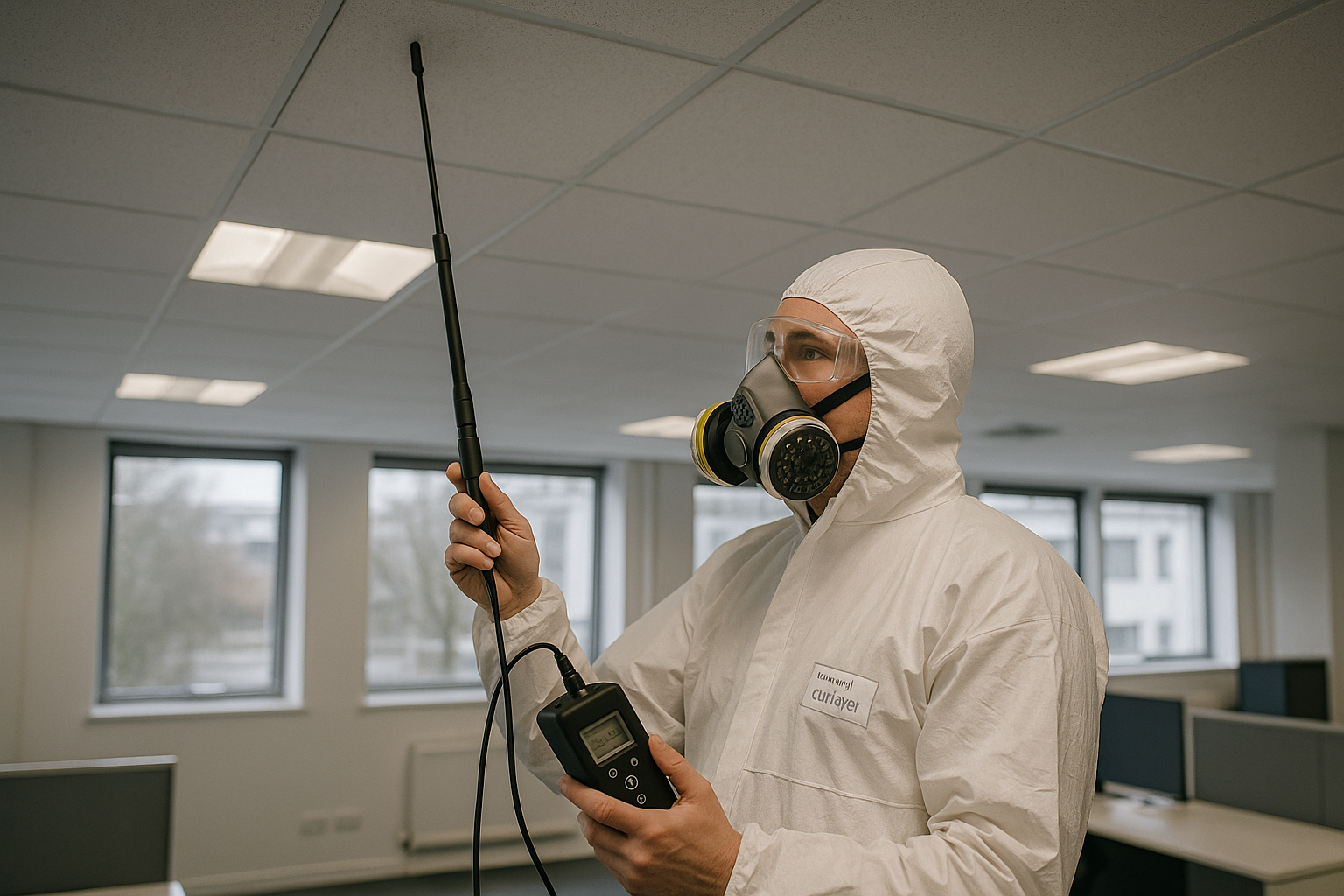
Asbestos is still sitting quietly inside thousands of UK buildings, often in plain sight and just as often hidden behind finishes, panels and plant. If you manage property, plan maintenance or oversee refurbishment, understanding asbestos is not a niche concern. It is a day-to-day part of keeping people safe, avoiding disruption and meeting your legal duties.
That matters because asbestos was used so widely across the construction industry for decades. Its heat resistance, insulating qualities and strength made it attractive to manufacturers, but the health risks from disturbed asbestos are now well established in HSE guidance. The challenge today is simple: asbestos has not gone away just because its use stopped. Many older buildings still contain asbestos-containing materials, and those materials need to be found, assessed and managed properly.
The history of asbestos in construction
Asbestos is not a modern material. It is a group of naturally occurring fibrous minerals that people have used for centuries because the fibres resist heat and can be mixed into other products.
Long before modern building methods, asbestos appeared in textiles, domestic items and heat-resistant goods. Once industrial production expanded, it moved from an unusual mineral to a mainstream construction material.
Early uses before large-scale building products
Historical records and archaeological evidence show asbestos being used where fire resistance was valued. Fibres were worked into cloth, pottery and other items that needed to withstand heat.
Those early uses set the pattern for what came later. As manufacturing improved, asbestos became easier to process and far more widely available, which opened the door to mass use in the built environment.
Why the construction industry embraced asbestos
Builders and manufacturers did not use asbestos by accident. It solved several practical problems at once, especially at a time when low-cost, durable building products were in high demand.
- Fire resistance: asbestos helped slow the spread of heat and flame
- Insulation: it improved thermal performance and sometimes acoustic performance
- Strength: fibres reinforced cement, boards and coatings
- Chemical resistance: some products performed well in harsh environments
- Versatility: it could be added to many different materials
- Affordability: it was widely used in mass-produced products
That combination explains why asbestos became embedded in homes, offices, schools, factories, warehouses and public buildings across the UK.
Where asbestos is commonly found in buildings
One reason asbestos remains such a live issue is the sheer range of products it was added to. Some asbestos-containing materials are obvious, but many are hidden in places that only become accessible during maintenance or refurbishment.
If you are responsible for an older property, the sensible approach is to assume asbestos may be present until a suitable survey or sampling process says otherwise.
Common asbestos-containing materials
Asbestos was used in both higher-risk and lower-risk materials. The level of risk depends on the product itself, its condition and how likely it is to be disturbed.
- Sprayed coatings on ceilings, walls and structural steel
- Pipe lagging and other thermal insulation
- Asbestos insulating board in partitions, soffits, risers and fire doors
- Textured coatings and decorative finishes
- Vinyl floor tiles and bitumen adhesives
- Roofing sheets, wall cladding and other asbestos cement products
- Gaskets, rope seals and boiler insulation
- Toilet cisterns, flues, rainwater goods and other moulded cement items
Asbestos cement is generally less friable than lagging or sprayed coatings, but lower friability does not mean no risk. Cut it, drill it, break it or let it deteriorate, and the risk changes quickly.
Typical locations in residential and commercial property
Asbestos can appear in both domestic and non-domestic premises. In homes, it is often found in garages, outbuildings, ceilings, service boxing, old floor coverings and heating-related products.
In commercial buildings, asbestos may be present in plant rooms, service risers, suspended ceilings, partition walls, lift shafts, roof voids, fire protection systems and behind wall linings. Schools, offices, retail units, industrial sites and warehouses can all contain asbestos in one form or another.
Why asbestos is still a problem today
The biggest misconception about asbestos is that it is mainly a historical issue. In practice, asbestos is still a current property management issue because so many existing buildings contain materials installed decades ago.
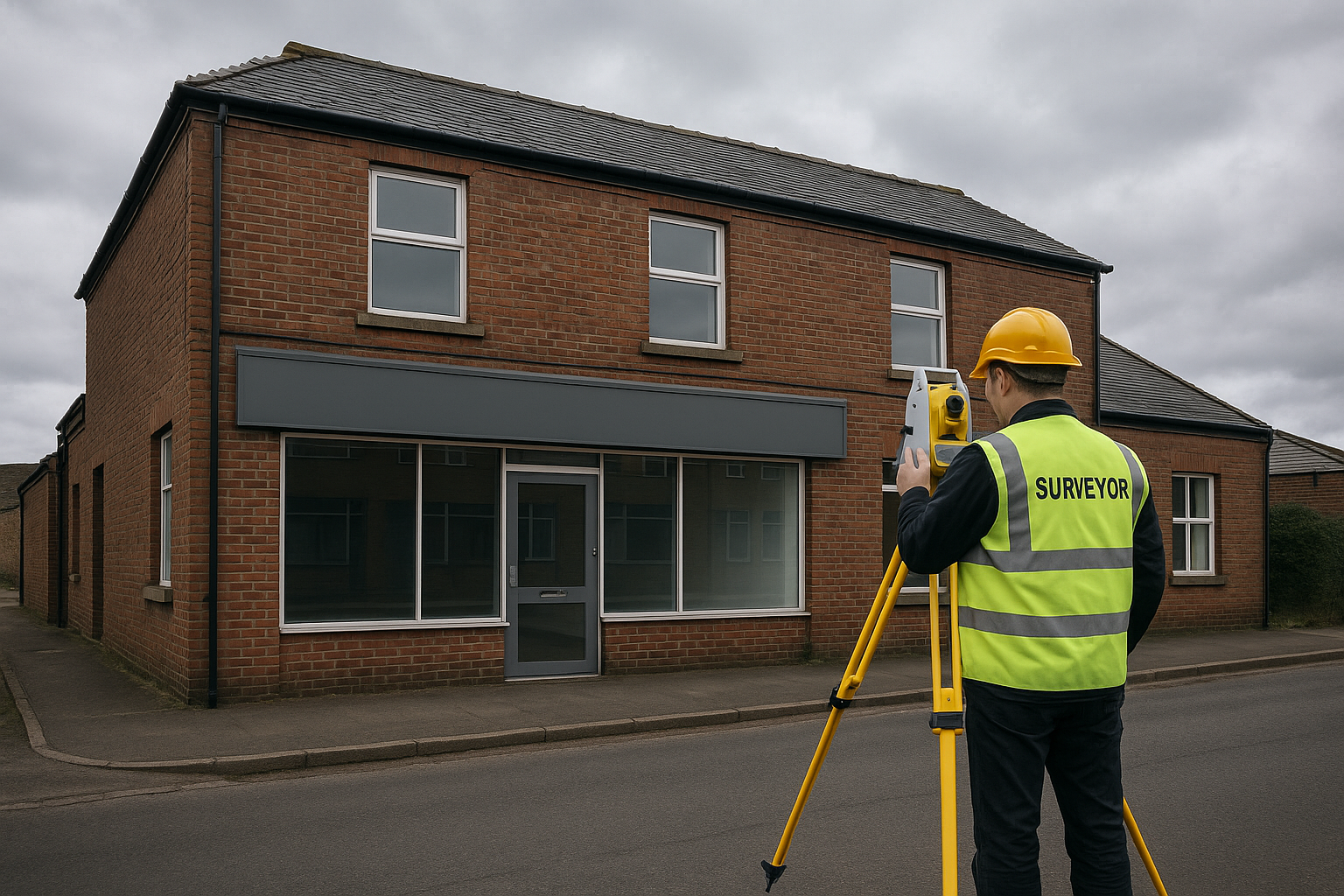
That means the risk often appears during ordinary tasks rather than dramatic demolition work. A contractor drilling a ceiling, an engineer opening a riser or a maintenance team replacing floor finishes can all disturb asbestos if the building information is incomplete.
When asbestos becomes dangerous
Asbestos is most dangerous when fibres are released and inhaled. You cannot reliably identify airborne asbestos fibres by sight, smell or taste, which is why accidental disturbance is such a serious concern.
HSE guidance is clear on the practical point: the presence of asbestos does not always mean immediate danger, but damaged or disturbed asbestos can present a significant risk. Friable materials usually create the greatest concern because they release fibres more easily.
High-risk situations often include:
- Drilling into walls or ceilings without checking first
- Opening up service ducts, risers or boxing
- Removing old floor finishes and adhesives
- Replacing heating systems or pipework
- Breaking or cutting cement sheets during roof work
- Starting refurbishment without the correct survey
For property managers, the practical rule is straightforward: if work will disturb the building fabric, check for asbestos before the work starts, not when debris is already on the floor.
Health risks linked to asbestos
Asbestos exposure is associated with serious long-term disease. The health effects usually develop after a long latency period, which means people may not show symptoms for many years after exposure.
The main diseases linked to asbestos exposure include:
- Mesothelioma
- Lung cancer
- Asbestosis
- Pleural thickening and other pleural disease
This is exactly why a casual approach to asbestos is never sensible. If a material is suspected to contain asbestos, leave it alone until it has been assessed properly.
UK legal duties for managing asbestos
If you own, manage or have responsibility for non-domestic premises, you may have a duty to manage asbestos under the Control of Asbestos Regulations. That duty is practical, ongoing and tied to the real condition of the building.
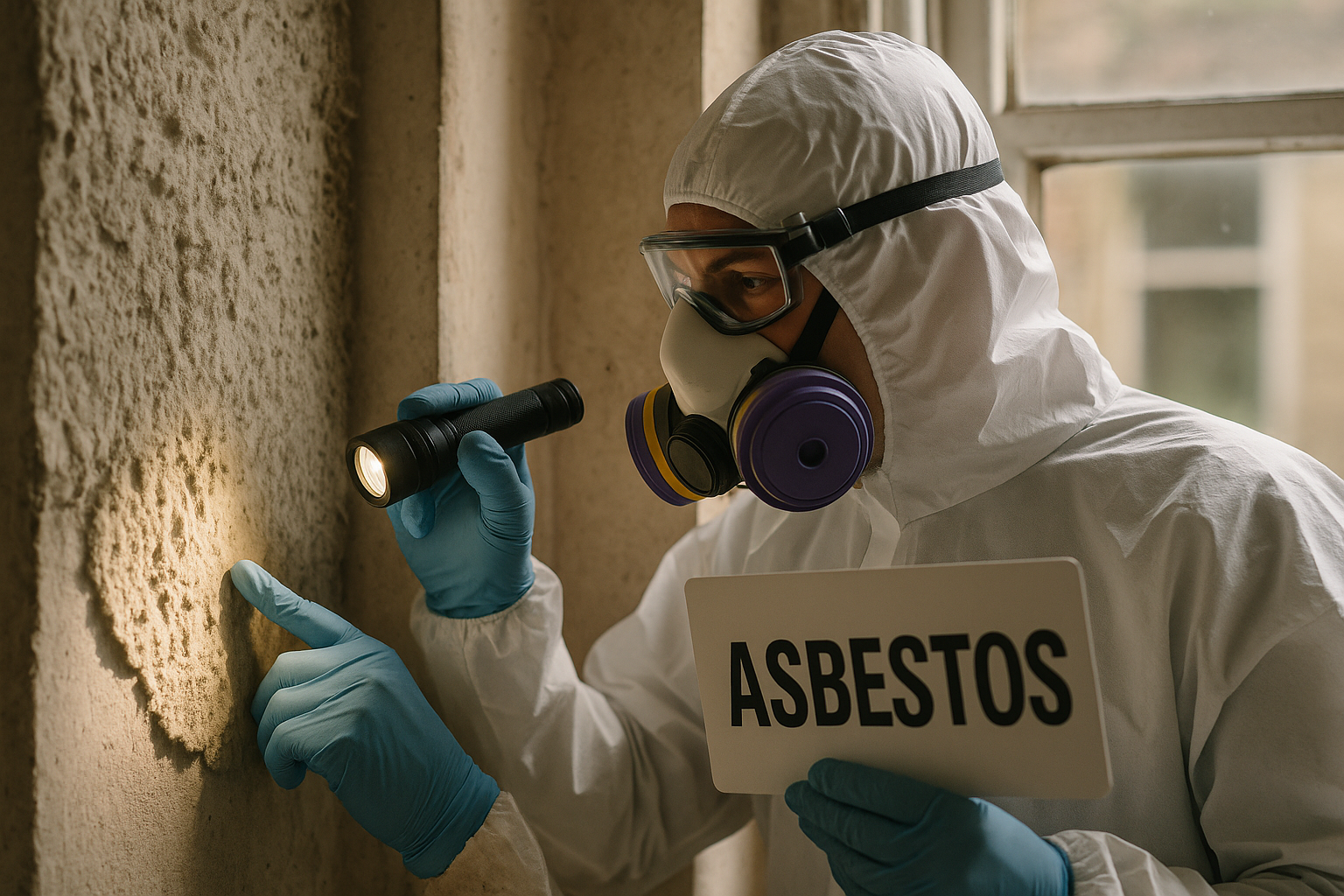
It is not enough to arrange a survey once and file the report away. You need current information, a working asbestos register, a management plan and a process for sharing asbestos information with anyone who may disturb it.
What the duty to manage means in practice
Dutyholders must take reasonable steps to find out whether asbestos is present, where it is and what condition it is in. They must then assess the risk and manage it appropriately.
In practical terms, that usually means:
- Arranging the right asbestos survey for the building and planned activity
- Keeping an up-to-date asbestos register
- Assessing the condition of identified materials
- Creating and reviewing an asbestos management plan
- Sharing information with contractors, trades and maintenance teams
- Reviewing known materials periodically and after any change in condition
For routine occupation and normal maintenance, a management survey is usually the starting point. If intrusive works are planned, the survey type needs to change.
Why HSG264 matters
HSG264 is the HSE guidance document that sets the benchmark for asbestos surveys. It explains how surveys should be planned, carried out and reported so that the findings are suitable for the building and the decisions that follow.
A proper asbestos survey is not just a quick walk-through. It should reflect the building use, access arrangements, occupancy, likely asbestos-containing materials and the level of intrusion required. Most importantly, the report should help you act with confidence rather than leave you guessing.
How asbestos use declined in the UK
As medical understanding of asbestos risks improved, regulation tightened and safer alternatives became more common. Over time, asbestos use was prohibited in the UK, but that did not remove the materials already installed in existing buildings.
That is why asbestos surveys, registers and management plans remain central to compliance today. The legal framework focuses on preventing exposure, controlling work and making sure dutyholders manage asbestos properly using the Control of Asbestos Regulations, HSE guidance and HSG264.
What to do if you suspect asbestos
If you think a material may contain asbestos, do not disturb it. Do not drill it, sand it, scrape it, snap off a piece or pull it away to have a look behind it.
Your safest next steps are controlled and simple:
- Stop work in the area immediately
- Keep people away if the material is damaged or debris is visible
- Arrange professional sampling or a survey
- Review the findings and material risk
- Decide whether the material should be managed in place, repaired, encapsulated or removed
If you only need to confirm whether a specific material contains asbestos, professional sample analysis can be useful. In some situations, a properly used testing kit may help with targeted sampling, but it is not a substitute for a full asbestos survey where wider risk and material location need to be assessed.
Choosing the right asbestos survey
Not every asbestos survey does the same job. Choosing the wrong survey can delay projects, create compliance issues and leave hidden asbestos in the areas where people are about to work.
The right survey depends on what is happening in the building, how intrusive that work will be and whether asbestos has already been identified.
Management surveys
A management survey is designed to locate, as far as reasonably practicable, the presence and extent of asbestos-containing materials that could be disturbed during normal occupation, routine maintenance or installation work. It also assesses their condition.
This type of asbestos survey is commonly used in occupied buildings where the goal is to manage asbestos safely over time rather than open up the structure for major works.
Refurbishment surveys
A refurbishment survey is needed before any work that will disturb the building fabric. It is more intrusive because the surveyor must inspect the areas affected by the planned work thoroughly.
If walls are coming out, ceilings are being opened, kitchens are being replaced or services are being rerouted, a refurbishment survey should be arranged before contractors start.
Re-inspection surveys
Where asbestos-containing materials have already been identified and remain in place, periodic review is part of good management. A re-inspection survey checks the condition of known materials and confirms whether the current management approach still works.
This is particularly useful for landlords, facilities managers, estate teams and organisations with multiple sites or regular maintenance programmes.
What to expect from an asbestos survey
A professional asbestos survey should be methodical, proportionate and easy to use in the real world. The purpose is not simply to identify asbestos, but to give you information you can act on safely.
Most asbestos survey projects follow a clear process:
- Initial scope: the surveyor gathers details about the property, access, occupancy and planned works
- Site inspection: accessible areas are inspected in line with the survey type
- Sampling: suspected materials are sampled where appropriate and safe to do so
- Laboratory analysis: samples are analysed to confirm whether asbestos is present
- Reporting: the report identifies materials, locations, condition and recommendations
- Next steps: the findings are used to update the register, management plan or project scope
For property managers, the practical value of an asbestos survey is in what happens next. Make sure the findings are shared with anyone planning works, supervising contractors or maintaining the building.
Practical asbestos management for property managers
Good asbestos management is about systems, not guesswork. Once asbestos is identified, the aim is to reduce the chance of disturbance and keep information current.
That usually means combining survey data with day-to-day building management.
Best practice steps
- Keep your asbestos register accessible and up to date
- Flag asbestos information during contractor induction
- Check survey coverage before approving maintenance works
- Review known materials after leaks, impact damage or alterations
- Use clear labelling where appropriate and proportionate
- Schedule re-inspections rather than waiting for problems to appear
If a contractor asks whether asbestos is present, the answer should come from current records, not memory. That one habit prevents a surprising number of avoidable incidents.
Asbestos in different types of property
Asbestos risk does not look exactly the same in every building. The age, construction method, occupancy and maintenance history all affect where asbestos may be found and how it should be managed.
Residential property
In domestic settings, asbestos often turns up in garages, soffits, textured coatings, floor tiles, boxing and older outbuildings. The risk tends to rise during renovations, loft conversions, heating upgrades and garage roof replacement.
Commercial property
Offices, shops and mixed-use premises often contain asbestos in ceiling voids, risers, partition walls, floor finishes and service areas. The challenge here is making sure maintenance teams and fit-out contractors have the right information before work begins.
Industrial and public buildings
Factories, warehouses, schools and public sector buildings may contain a wide range of asbestos materials, including insulation products, boards, cement sheets and plant-related items. Because these buildings often have ongoing maintenance demands, asbestos management needs to be tied closely to permit-to-work and contractor control systems.
Local asbestos survey support
If you manage property across multiple locations, using a surveyor with strong local coverage makes planning easier. Supernova supports clients nationwide, including those needing an asbestos survey London service for city properties, an asbestos survey Manchester appointment for northern sites, or an asbestos survey Birmingham visit for Midlands portfolios.
Wherever the building is located, the priorities stay the same: identify asbestos correctly, assess the condition, share the information and control the risk before work starts.
Common mistakes to avoid with asbestos
Most asbestos problems do not start with dramatic negligence. They start with assumptions, missing records or rushed maintenance decisions.
Avoid these common mistakes:
- Assuming a material is safe because it looks ordinary
- Starting refurbishment with only a management survey in place
- Failing to update the register after removal or repair work
- Letting contractors begin work without asbestos information
- Ignoring minor damage to known asbestos-containing materials
- Relying on old reports that do not match the current building layout
If you are unsure whether existing information is still valid, review it before approving works. That is faster and cheaper than dealing with contamination, delays and emergency attendance later.
Frequently Asked Questions
How do I know if a material contains asbestos?
You cannot confirm asbestos reliably just by looking at a material. Some products are commonly associated with asbestos, but the only dependable way to confirm it is through appropriate sampling and analysis or a professional asbestos survey.
Is asbestos always dangerous if it is present?
Not always. Asbestos presents the greatest risk when it is damaged or disturbed and fibres are released. Some asbestos-containing materials can be managed safely in place if they are in good condition and unlikely to be disturbed.
Do I need a survey before refurbishment work?
Yes, if the work will disturb the building fabric. A refurbishment survey is designed for intrusive work and helps identify asbestos in the areas affected before contractors begin.
What is the difference between a management survey and a re-inspection survey?
A management survey is used to locate and assess asbestos that could be disturbed during normal occupation and routine maintenance. A re-inspection survey reviews asbestos-containing materials that have already been identified and remain in place, checking whether their condition has changed.
What should I do if asbestos is damaged?
Stop work immediately, restrict access to the area and arrange professional advice. Damaged asbestos should be assessed promptly so the right control measures can be put in place.
Need expert help with asbestos?
If you need clear advice, fast booking and reports you can actually use, Supernova Asbestos Surveys can help. We carry out management surveys, refurbishment surveys, re-inspection surveys, sampling and support for property managers across the UK.
Call 020 4586 0680 or visit asbestos-surveys.org.uk to book your survey or speak to our team about the right next step for your building.