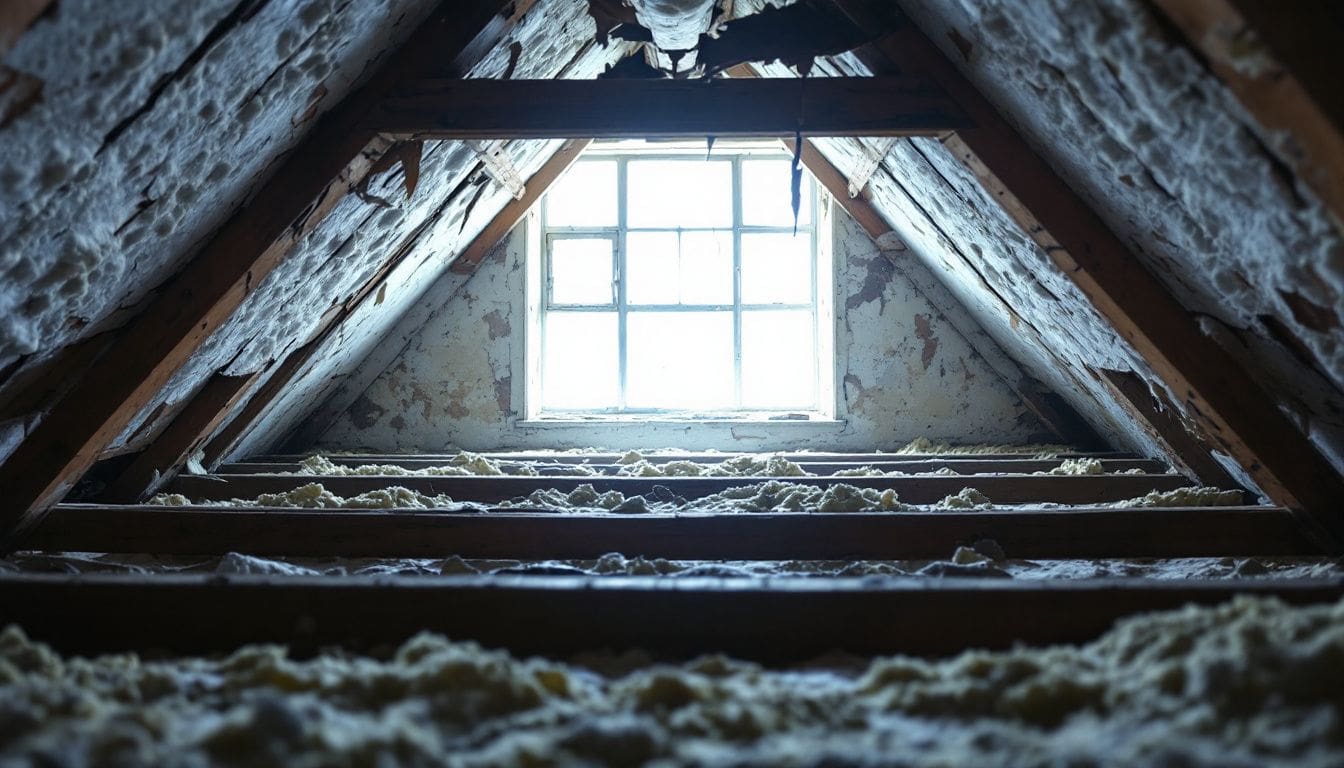
Asbestos in Building Materials: What Every Property Owner Needs to Know
Millions of buildings across the UK still contain asbestos — and the majority of owners and managers have no idea it’s there. If your property was built or refurbished before 2000, there’s a genuine chance that asbestos-containing materials (ACMs) are hidden within its fabric, quietly posing a risk to anyone who disturbs them.
Understanding what asbestos is, where it hides, and what your legal obligations are isn’t optional. It’s essential for protecting the people who live and work in your building.
What Is Asbestos and Why Was It Used So Widely?
Asbestos is a naturally occurring fibrous silicate mineral that was once considered a wonder material in construction. It’s heat-resistant, durable, inexpensive to produce, and bonds readily with other building materials — which made it enormously popular with builders and manufacturers throughout most of the twentieth century.
It was used in everything from pipe lagging and roof tiles to floor tiles, textured coatings, and sprayed insulation. At its peak, asbestos was genuinely difficult to avoid in a newly built property.
The UK banned the use of all forms of asbestos in construction in 1999, with the more hazardous amphibole varieties — including amosite and crocidolite — banned earlier in 1985. But the legacy of decades of widespread use means the material remains present in a vast number of buildings still in active use today.
Where Does Asbestos Hide in Buildings?
Asbestos doesn’t announce itself. It’s often embedded within materials that look completely ordinary, which is precisely what makes it so dangerous when building work begins without proper checks.
Common locations where asbestos-containing materials are found include:
- Pipe and boiler lagging — one of the most prevalent uses, particularly in older heating systems
- Textured decorative coatings — such as Artex on ceilings and walls, extremely common in properties built between the 1960s and 1990s
- Insulating board — used in ceiling tiles, partition walls, and door linings
- Cement roofing and guttering — especially corrugated asbestos cement sheets on agricultural and industrial buildings
- Floor tiles and adhesives — vinyl floor tiles from the mid-twentieth century frequently contained asbestos
- Sprayed coatings — applied for fire protection on structural steelwork
- Soffit boards and fascias — particularly on properties built between the 1960s and 1980s
- Rope seals and gaskets — in boilers, furnaces, and other high-temperature equipment
The critical point is that asbestos in good condition — undamaged and left undisturbed — does not automatically present a risk. The danger arises when fibres are released into the air. That happens when ACMs are cut, drilled, sanded, or otherwise disturbed during maintenance or renovation work.
The Health Risks of Asbestos Exposure
Asbestos fibres are microscopic. When inhaled, they lodge deep in the lung tissue and cannot be expelled by the body. Over time, this causes progressive and irreversible damage to the respiratory system.
The diseases linked to asbestos exposure are serious, frequently fatal, and have exceptionally long latency periods — meaning symptoms may not appear until decades after the original exposure.
Mesothelioma
Mesothelioma is a cancer of the lining of the lungs, abdomen, or heart. It is almost exclusively caused by asbestos exposure and carries a very poor prognosis. Symptoms — including chest pain, breathlessness, and unexplained weight loss — often don’t appear until the disease is already at an advanced stage.
Asbestosis
Asbestosis is a chronic lung condition caused by scarring of lung tissue from inhaled fibres. It causes progressive breathlessness and significantly reduces quality of life. There is no cure.
Lung Cancer
Asbestos-related lung cancer is distinct from mesothelioma and is strongly associated with both asbestos exposure and smoking. Workers in trades such as plumbing, carpentry, and electrical installation who worked regularly with ACMs before the ban are at particularly elevated risk.
Pleural Thickening
Pleural thickening is a non-cancerous condition where the lining of the lungs thickens and hardens, causing breathlessness and chest tightness. It is a common consequence of significant asbestos exposure and can seriously affect day-to-day life.
The latency period for these diseases — often 20 to 40 years — means that many people currently being diagnosed were exposed during their working lives in the 1970s and 1980s. Asbestos-related disease remains one of the most significant occupational health issues in the UK today.
Your Legal Obligations Under UK Asbestos Regulations
If you own or manage a non-domestic property, you have a legal duty to manage asbestos under the Control of Asbestos Regulations. This duty — set out in Regulation 4 — requires you to identify whether ACMs are present, assess their condition and the risk they pose, and put in place a written management plan to control that risk.
Failing to comply isn’t just a regulatory technicality. It can result in significant fines, enforcement action from the Health and Safety Executive (HSE), and — far more importantly — serious harm to the people who use your building.
Key Legislation You Need to Know
- Control of Asbestos Regulations — the primary legislation governing asbestos management and work with ACMs in Great Britain, covering licensing requirements, notification duties, and the legal duty to manage
- HSG264 – Asbestos: The Survey Guide — the HSE’s definitive guidance on how management and refurbishment/demolition surveys should be conducted; all reputable surveyors work to this standard
- Regulation 4 – Duty to Manage — specifically applies to dutyholders in non-domestic premises, requiring them to identify, assess, and manage ACMs
Domestic landlords also carry responsibilities. If you rent out a property, you have a duty of care to your tenants. Commissioning an asbestos management survey is the most practical way to demonstrate that you’ve taken your obligations seriously and that your building is safe to occupy.
Types of Asbestos Survey — Which One Do You Need?
Not every situation calls for the same type of survey. Choosing the right one is important both for compliance and for getting actionable, accurate information about the risks within your building.
Management Survey
A management survey is the standard survey for properties that are in normal occupation and use. Its purpose is to locate, as far as reasonably practicable, ACMs that could be damaged or disturbed during everyday activities — routine maintenance, minor repairs, and general building use.
The surveyor carries out a thorough visual inspection, takes samples from suspect materials, and produces a written report that includes an asbestos register, a risk assessment, and a management plan. This is the survey most dutyholders need to fulfil their legal duty to manage under the Control of Asbestos Regulations.
Refurbishment and Demolition Survey
If you’re planning renovation work, an extension, or demolition, you need a refurbishment survey before any work begins. This is a more intrusive process — it involves accessing areas that will be disturbed, including behind walls, above ceilings, and under floors.
Its purpose is to ensure that no ACMs are inadvertently disturbed during the works, putting tradespeople and building occupants at risk. Commissioning this survey isn’t just good practice — it’s a legal requirement before any refurbishment or demolition work on a property that may contain asbestos.
For properties being fully demolished, a demolition survey is required. This is the most thorough and intrusive survey type, designed to locate all ACMs throughout the entire structure before any demolition work commences.
Re-inspection Survey
Once ACMs have been identified and a management plan is in place, those materials must be monitored regularly to check their condition hasn’t deteriorated. A re-inspection survey does exactly that — it assesses whether known ACMs remain in good condition and whether the existing management plan continues to be appropriate.
Annual re-inspections are standard practice for most commercial properties and are widely regarded as best practice under HSG264 guidance.
Asbestos Testing — When Sampling Is the Right First Step
Sometimes you don’t need a full survey — you need to know whether a specific material contains asbestos. Asbestos testing involves taking a sample from a suspect material and having it analysed under polarised light microscopy (PLM) at a UKAS-accredited laboratory. This gives you a definitive answer about whether asbestos is present and, if so, which type.
For homeowners who want to check a specific area themselves, a testing kit is available from Supernova. The kit is posted to you, you collect the sample following the instructions provided, and return it for laboratory analysis. It’s a cost-effective option for straightforward situations — though for commercial properties or more complex scenarios, a professional survey is always the appropriate approach.
Safe Removal of Asbestos — What the Process Actually Involves
If ACMs in your building are in poor condition, damaged, or located where disturbance is unavoidable, removal may be the safest long-term option. Asbestos removal must be carried out by licensed contractors for the most hazardous materials, and by trained operatives following strict procedures for lower-risk work.
Safe removal involves far more than simply taking out the material. A properly managed removal will include:
- Enclosure and containment — the work area is sealed off to prevent fibre release into the wider building
- Correct PPE — operatives wear appropriate respiratory protective equipment and disposable coveralls throughout
- Wetting techniques — dampening ACMs during removal suppresses dust and reduces fibre release
- Negative pressure units — air filtration equipment maintains safe air quality within the enclosure
- Licensed waste disposal — asbestos waste is classified as hazardous and must be double-bagged, labelled correctly, and taken to a licensed disposal facility
- Air clearance testing — after removal, the area is tested to confirm it is safe before the enclosure is dismantled
Never attempt to remove asbestos yourself unless you have appropriate training and the material is formally classified as non-licensed work. The risks of improper removal — to yourself, your household, and neighbouring properties — are severe and long-lasting.
The Link Between Asbestos and Fire Risk Assessments
Many property managers don’t realise that asbestos and fire safety are closely connected. Asbestos was frequently used as a fire-retardant material, particularly in sprayed coatings on structural steelwork and in fire door construction. When fire risk assessments are carried out, the assessor needs to know whether ACMs are present — because damage to those materials during a fire event, or during fire safety upgrades, could release fibres and create a secondary hazard.
Supernova offers both asbestos surveys and fire risk assessments, making it straightforward to manage both compliance obligations with a single trusted provider rather than coordinating multiple contractors.
What to Expect From a Supernova Asbestos Survey
Booking a survey with Supernova is straightforward. Our BOHS P402-qualified surveyors operate across England, Scotland, and Wales, often with same-week appointments available.
Here’s how the process works from start to finish:
- Booking — contact us by phone or online; we confirm availability and issue a booking confirmation
- Site visit — a qualified surveyor attends at the agreed time and carries out a thorough inspection of the property
- Sampling — representative samples are collected from suspect materials using correct containment procedures
- Laboratory analysis — samples are analysed under polarised light microscopy at our UKAS-accredited laboratory
- Report delivery — you receive a detailed asbestos register, risk-rated management plan, and all supporting documentation within 3–5 working days
Every report is fully compliant with HSG264 guidance and satisfies the requirements of the Control of Asbestos Regulations. There are no hidden fees, and our pricing is fixed and transparent from the outset.
Practical Steps You Should Take Right Now
Whether you’re a commercial dutyholder, a landlord, or a homeowner planning renovation work, there are clear actions you should take to manage asbestos risk responsibly:
- If your property was built or refurbished before 2000 and you don’t have an asbestos register, commission a management survey as a priority
- If you’re planning any building work — however minor — check whether a refurbishment survey is required before any contractor touches a wall, ceiling, or floor
- If you already have an asbestos register, check when it was last reviewed and whether a re-inspection is overdue
- If you’ve identified a specific suspect material and need a quick answer, a testing kit or professional sampling service can provide laboratory-confirmed results
- If ACMs in your building are deteriorating or in a location where damage is likely, speak to a licensed removal contractor before the situation worsens
- Ensure your fire risk assessment takes account of any asbestos present in the building — particularly in fire-protected structural elements
The most dangerous thing you can do with asbestos is ignore it. The second most dangerous is attempting to deal with it without the right knowledge and equipment.
Frequently Asked Questions
How do I know if my building contains asbestos?
The only reliable way to confirm whether asbestos-containing materials are present is through a professional survey or laboratory testing of suspect materials. Visual inspection alone cannot identify asbestos — it must be sampled and analysed. If your property was built or refurbished before 2000, you should assume ACMs may be present until a survey confirms otherwise.
Is asbestos always dangerous?
Not automatically. Asbestos that is in good condition, undamaged, and left undisturbed does not release fibres and poses a low risk. The danger arises when ACMs are disturbed — through drilling, cutting, sanding, or deterioration — which causes microscopic fibres to become airborne and inhalable. Managing asbestos in place, with regular monitoring, is often the safest approach when materials are in good condition.
Who is legally responsible for managing asbestos in a building?
Under the Control of Asbestos Regulations, the legal duty to manage asbestos falls on the dutyholder — typically the owner or the person or organisation responsible for the maintenance and repair of non-domestic premises. Domestic landlords also have a duty of care to their tenants. Failure to fulfil this duty can result in enforcement action by the HSE and significant financial penalties.
Can I remove asbestos myself?
Only for specific materials classified as non-licensed work — and only if you have appropriate training and follow the correct procedures. The most hazardous materials, including sprayed coatings, asbestos insulating board, and pipe lagging, must be removed by a licensed contractor. Attempting to remove licensable asbestos without the correct authorisation is illegal and poses serious health risks to you and others nearby.
How often does an asbestos management plan need to be reviewed?
Under HSG264 guidance and the Control of Asbestos Regulations, known asbestos-containing materials should be re-inspected at least annually to check their condition hasn’t changed. The management plan itself should be reviewed whenever there is a change in the condition of ACMs, a change in the use of the building, or following any incident that may have disturbed asbestos materials.
Supernova Asbestos Surveys has completed over 50,000 surveys across the UK, with more than 900 five-star reviews from property managers, landlords, and business owners who needed reliable, expert guidance. Our BOHS P402-qualified surveyors are available nationwide, with fast turnaround times and fully HSG264-compliant reports.
To book a survey, request a quote, or simply ask a question, call us on 020 4586 0680 or visit asbestos-surveys.org.uk. Same-week appointments are often available.