Cut corners with asbestos and the problem rarely stays small. Professional asbestos removal is about far more than taking material out of a building; it is about preventing fibre release, protecting occupants and contractors, and making sure every stage stands up to scrutiny under the Control of Asbestos Regulations and current HSE guidance.
If you own, manage or maintain a property built before asbestos was fully banned in UK construction, there is a realistic chance asbestos-containing materials are present somewhere on site. The safest route is not guesswork and it is not a general builder with a van. It starts with identifying what is there, understanding the risk, and deciding whether management or professional asbestos removal is the right next step.
What professional asbestos removal actually means
Professional asbestos removal is a controlled process carried out by competent specialists. It covers assessment, planning, removal where necessary, transport and disposal, with the method depending on the material type, condition, location and work category.
That matters because asbestos work is not one-size-fits-all. Some materials are high risk and may require licensed contractors, full enclosure, decontamination procedures and independent clearance. Others may fall into notifiable non-licensed or non-licensed work, but they still need proper controls and compliant handling.
A proper service should never begin with someone simply turning up in disposable overalls. It should begin with evidence.
What a proper asbestos removal process includes
- Identification of suspect materials
- Sampling and laboratory analysis where needed
- Risk assessment and a clear plan of work
- Advice on removal versus management in situ
- Notification where the work category requires it
- Controlled removal using suitable techniques
- Decontamination and site cleaning
- Air monitoring and clearance where required
- Hazardous waste transport and disposal at licensed facilities
- Documentation for your asbestos records
If any contractor skips over those points, ask more questions before work starts.
Why asbestos is dangerous when disturbed
Asbestos was widely used in UK buildings because it was durable, heat resistant and easy to incorporate into many products. It appears in everything from insulation board and pipe lagging to textured coatings, floor tiles, cement sheets and water tanks.
The risk comes when fibres are released into the air and breathed in. Those fibres are microscopic, can remain airborne for a long time, and are linked to serious asbestos-related disease. That is why even apparently minor disturbance, such as drilling, sanding, breaking or stripping out materials, can create a serious issue.
For property managers, the practical lesson is simple: if a material is unknown, treat it as suspect until it has been assessed properly. Do not let maintenance teams, electricians or plumbers disturb it on assumption alone.
Professional asbestos removal starts with the right survey
Before any professional asbestos removal can be planned properly, you need to know what is present, where it is, and whether upcoming works will disturb it. HSG264 sets out the standard for asbestos surveying, and that standard matters because decisions should be based on evidence, not visual guesswork.
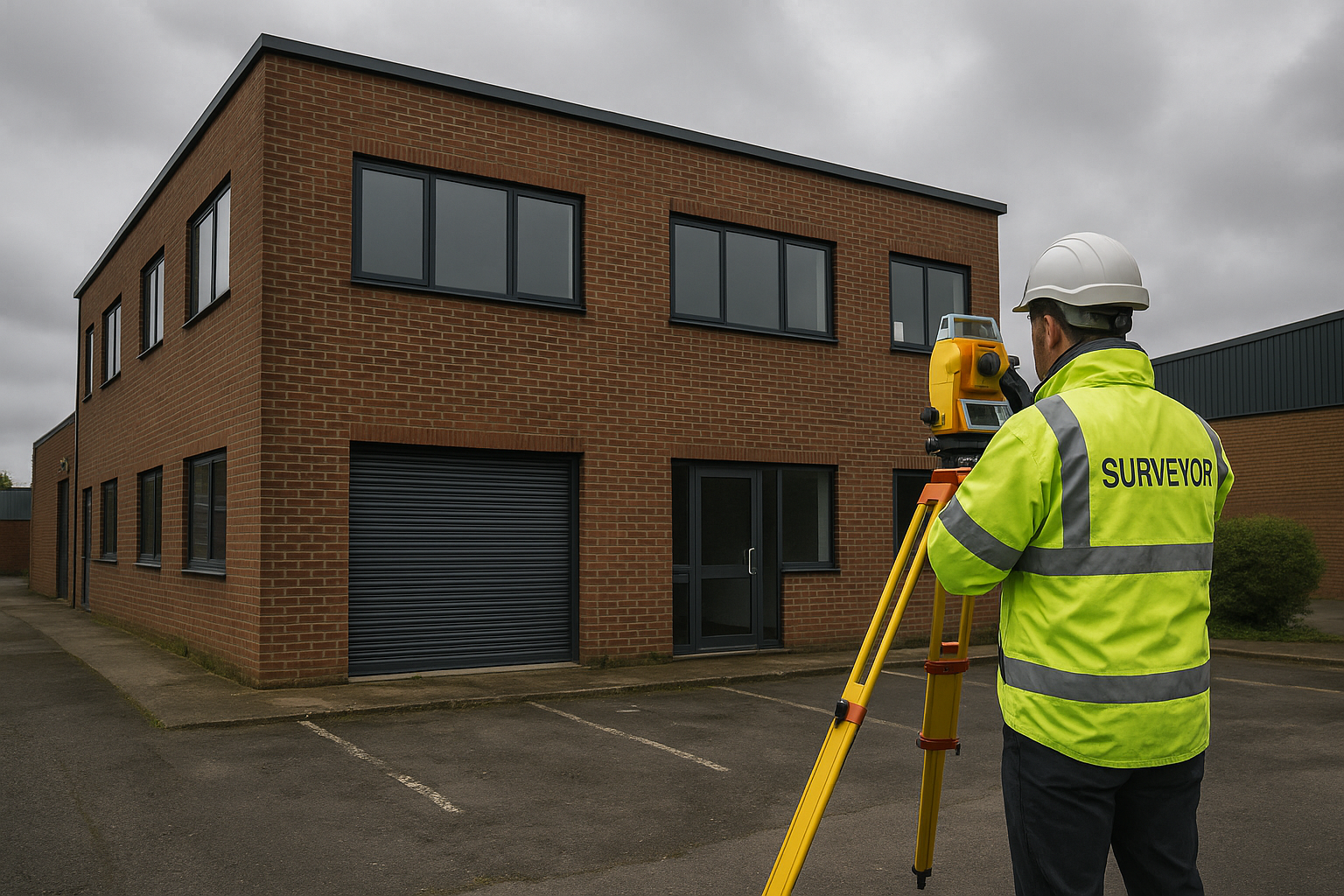
The correct survey depends on what is happening in the building.
Management survey
For occupied buildings and day-to-day compliance, a management survey identifies and records accessible asbestos-containing materials that could be disturbed during normal occupation, routine maintenance or minor works.
This is often the starting point for dutyholders in offices, schools, retail units, warehouses and communal areas of residential blocks. If you do not have an up-to-date asbestos register, this is usually where to begin.
Refurbishment survey
Before renovation, strip-out or intrusive works, you need a refurbishment survey. This is designed to locate asbestos in the areas affected by the planned works, including materials hidden behind finishes, within voids or inside building fabric.
If contractors are about to open up ceilings, risers, walls, floors or service ducts, do not rely on an old management survey. Book the right survey first, then plan the work sequence.
Re-inspection survey
Where asbestos remains in place and is being managed, a re-inspection survey helps track changes in condition over time. This keeps your asbestos register current and helps you spot deterioration before it becomes an incident.
That is especially useful across larger portfolios where retained materials may be exposed to repeated access, vibration, leaks or accidental knocks.
Practical advice before any works begin
- Check whether an asbestos survey exists for the relevant area.
- Make sure the survey type matches the planned activity.
- Review the asbestos register before contractors start.
- Stop work immediately if nobody can produce reliable asbestos information.
- Arrange sampling or a new survey before proceeding.
That pause can save you from contamination, delays and avoidable enforcement problems later.
When removal is necessary and when management is the better option
One of the biggest misunderstandings around asbestos is that every asbestos-containing material must be removed straight away. That is not how compliant asbestos management works.
If a material is in good condition, sealed, recorded and unlikely to be disturbed, management in situ may be the safer and more proportionate option. If it is damaged, deteriorating, repeatedly accessed or in the path of planned works, professional asbestos removal may be the right course.
Management in situ is often suitable when:
- The material is intact and stable
- Its location is known and recorded
- It is unlikely to be disturbed during normal occupation
- Controls are in place for maintenance and contractor access
- Its condition is reviewed at planned intervals
Removal is often necessary when:
- The material is damaged or deteriorating
- Refurbishment or demolition will disturb it
- It is in a vulnerable location
- Previous repairs are poor or unreliable
- Water damage, impact or vibration has increased the risk
If you are unsure, do not make the call from a quick visual check. Get specialist advice based on survey findings, sampling results and the actual scope of works.
Materials commonly involved in professional asbestos removal
Not all asbestos-containing materials present the same level of risk. Some are friable and release fibres easily. Others are more tightly bound, but still need regulated handling and disposal.
Higher-risk materials
- Pipe lagging – often high risk and commonly associated with licensed work
- Sprayed coatings – highly friable and requiring strict controls
- Loose fill insulation – extremely hazardous because fibres disperse easily
- Asbestos insulation board – frequently found in partitions, soffits, risers and service cupboards
These materials should never be disturbed by general trades. If they are suspected, stop work and bring in a competent specialist.
Lower-risk materials that still need proper control
- Textured coatings – can contain asbestos and must be assessed before sanding, scraping or removal
- Floor tiles and bitumen adhesive – lower friability but still regulated
- Cement sheets, gutters and flues – lower risk when intact, but not harmless if broken or cut
- Asbestos cement water tanks – often found in lofts, plant rooms and service areas
An asbestos cement water tank is a good example of where people get caught out. Because the fibres are bound into cement, some assume it is safe to handle casually. It is not. Drilling, breaking or dismantling it carelessly can still release fibres and create contamination.
Do not let a plumber or maintenance operative cut into a suspect tank. Have it assessed first, then use trained specialists if removal is required.
Testing before professional asbestos removal
If a material is uncertain, testing is often the smartest first step. It can confirm whether asbestos is present, avoid unnecessary removal, and help you plan the right level of control.
For site-based support, arrange asbestos testing so decisions are based on laboratory-confirmed results rather than assumptions. This is especially useful before maintenance, refurbishment or remedial works.
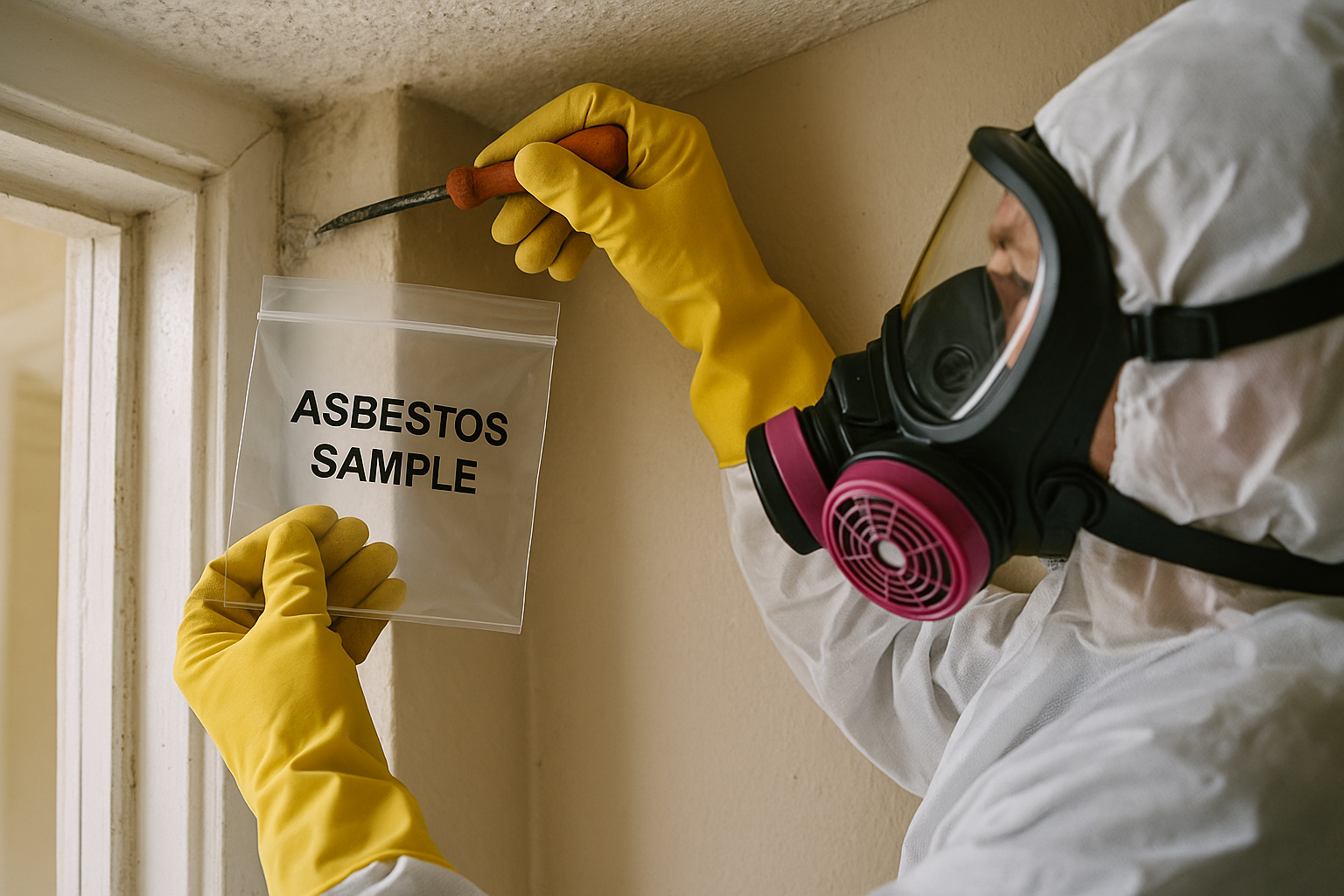
There are also situations where intact, low-risk suspect materials can be sampled using a testing kit, with analysis carried out by an accredited laboratory. That can be a practical option for straightforward cases where the material is undamaged and easy to access.
If the material is damaged, friable or likely to release fibres during sampling, do not attempt it yourself. Bring in a qualified surveyor or asbestos specialist instead.
For clients who need a fast route to arrange lab-confirmed identification, Supernova also offers a dedicated asbestos testing service page for quick enquiries.
What to do if asbestos is accidentally disturbed
When suspect asbestos is broken, drilled or exposed unexpectedly, speed matters. The aim is to limit fibre spread and prevent more people entering the affected area.
If that happens on your site, take these steps immediately:
- Stop work at once.
- Keep people out of the area.
- Do not sweep, vacuum or dry clean debris.
- Close doors and reduce movement nearby.
- Prevent contractors from re-entering until advice is given.
- Call a competent asbestos specialist for urgent assessment.
Do not rush straight into cleanup. In many cases, the next step is emergency sampling, risk assessment and advice on containment rather than immediate removal.
A short written emergency procedure for maintenance teams can make a real difference. If your operatives know exactly what to do in the first five minutes, you reduce the chance of contamination spreading through a building.
Legal duties for workplaces and non-domestic premises
Asbestos compliance is not optional in workplaces and other non-domestic premises. If you are the dutyholder, the Control of Asbestos Regulations require you to identify asbestos-containing materials, assess the risk, keep records and prevent exposure.
That duty applies across offices, schools, shops, warehouses, factories, healthcare settings and communal areas of residential buildings. The exact actions vary by property, but the principles stay the same.
What dutyholders should be doing
- Ensure a suitable asbestos survey has been carried out
- Maintain an accessible and up-to-date asbestos register
- Share asbestos information with anyone liable to disturb materials
- Review retained materials at planned intervals
- Control maintenance and contractor activity
- Arrange professional asbestos removal where management is no longer suitable
If you manage multiple sites, standardise the process. Use the same reporting format, contractor checks, permit controls and review intervals across your portfolio. Consistency makes compliance easier and reduces the chance of critical information being missed.
Choosing the right contractor for professional asbestos removal
The key question is not whether someone says they can remove asbestos. It is whether they can do it safely, legally and with the right evidence trail afterwards.
A reliable contractor should be clear about the work category, the controls required, the documentation you will receive and whether independent analyst involvement is needed. Vague answers are a warning sign.
Ask these questions before appointing anyone
- What survey or test results is the removal plan based on?
- Does the material fall into licensed, notifiable non-licensed or non-licensed work?
- What control measures will be used on site?
- Will waste be transported and disposed of through licensed facilities?
- Will air monitoring or clearance be required?
- What documentation will be provided at the end?
If a contractor cannot explain the process in plain language, that should concern you. Good asbestos specialists are used to talking to property managers and dutyholders, not just technical teams.
What affects the cost of professional asbestos removal
Pricing can vary widely because asbestos work often involves several linked stages. A low headline figure may leave out testing, analyst fees, waste disposal or setup requirements that appear later as extras.
Ask for quotes that clearly separate what is included. That makes comparisons far easier and helps you avoid surprises once work starts.
Main factors that influence cost
- Type of asbestos-containing material
- Condition of the material
- Volume and extent of the affected area
- Ease of access
- Whether enclosure or specialist equipment is needed
- Work category and notification requirements
- Need for air monitoring or independent clearance
- Waste transport and disposal charges
- Emergency or out-of-hours attendance
When reviewing a quote, check whether it covers survey information, removal labour, site setup, analyst involvement, waste disposal and any making-good works if offered. If the scope is unclear, ask for it in writing before approving the job.
Planning works around asbestos without delaying your project
The easiest way to lose time on a refurbishment or maintenance programme is to discover suspect asbestos halfway through the job. Once that happens, work stops while the area is assessed, and the delay can affect multiple trades.
The better approach is to sequence the process properly:
- Survey the affected area before intrusive works.
- Test uncertain materials.
- Decide whether management or removal is required.
- Plan any professional asbestos removal before the main contractor programme begins.
- Keep records available for everyone on site.
That sequence protects your timeline and your legal position. It also reduces the chance of accidental disturbance and emergency callouts.
Local support for surveys, testing and removal
If your portfolio includes properties in the capital, Supernova offers an asbestos survey London service for fast, practical support across a wide range of building types.
For sites in the north west and surrounding areas, there is also dedicated support through the asbestos survey Manchester page.
Where removal is required after identification and assessment, you can also review Supernova’s asbestos removal service for the next steps.
How to make the right decision quickly
When asbestos is suspected, the safest decision is usually the simplest one: stop, verify, then act. Do not rely on memory, old assumptions or a contractor saying a material “looks fine”.
Use this quick checklist:
- Is there a suitable survey for the area?
- Has the material been tested if uncertain?
- Is the asbestos register current?
- Will planned works disturb the material?
- Is management in situ still realistic?
- Do you need professional asbestos removal before other works begin?
If any answer is unclear, get specialist advice before work proceeds. That small step is often what prevents a much larger problem.
Frequently Asked Questions
Do all asbestos-containing materials need to be removed?
No. If the material is in good condition, recorded and unlikely to be disturbed, management in situ may be appropriate. Removal is usually considered when the material is damaged, deteriorating or likely to be affected by planned works.
Can I remove asbestos myself from a domestic property?
Some lower-risk materials may not require a licensed contractor, but that does not make DIY removal a sensible option. The risks of fibre release, contamination and improper disposal are significant. In most cases, professional advice is the safer route.
What survey do I need before refurbishment works?
Before intrusive refurbishment or strip-out works, you need a refurbishment survey for the areas affected by the project. A management survey is not enough for this type of work.
What should I do if contractors uncover a suspect material during works?
Stop work immediately, keep people out of the area, avoid any cleaning or disturbance, and contact a competent asbestos specialist. The next step is usually assessment and sampling before decisions are made on cleanup or removal.
How do I get started with Supernova?
If you need surveys, testing or professional asbestos removal, contact Supernova for practical advice and a clear scope of work. Call 020 4586 0680, visit free quote, or go to asbestos-surveys.org.uk to arrange support nationwide.