Get ffp3 asbestos protection wrong and the consequences can stay with a person for life. Asbestos fibres are invisible, easy to disturb and difficult to control without the right planning, equipment and working methods.
That is why anyone arranging asbestos work needs to look beyond a mask alone. Respiratory protection, coveralls, task type, decontamination, waste handling and legal duties all need to line up with the Control of Asbestos Regulations, HSE guidance and the survey information for the building.
What ffp3 asbestos protection actually means
When people search for ffp3 asbestos, they usually want a simple answer: is an FFP3 mask the right protection for asbestos work? In many lower-risk situations, an FFP3 disposable respirator is the minimum level of disposable respiratory protective equipment associated with asbestos tasks, but only when it is suitable for the specific job and correctly used.
FFP stands for Filtering Face Piece. The “3” refers to the highest class within the disposable FFP range for particulate filtration.
That matters because asbestos risk comes from inhaling airborne fibres. If the respirator does not filter fine particulates effectively or does not seal properly to the face, the wearer may still be exposed.
- FFP1 and FFP2 are not suitable for asbestos work
- FFP3 is the relevant disposable class where disposable RPE is appropriate
- The mask must be face-fit tested for the individual wearer
- The wearer must be clean shaven where the mask seals to the face
- Pre-use checks are required every time the respirator is worn
The key point is practical rather than technical: ffp3 asbestos protection only works when the mask is the right one, fits the wearer and is used within a proper plan of work.
Is FFP3 enough for asbestos work?
Sometimes yes, sometimes no. That depends on the type of asbestos-containing material, its condition, how much fibre release is expected and whether the work is non-licensed, notifiable non-licensed or licensed.
For example, a short-duration sampling task or some lower-risk non-licensed work may use an FFP3 disposable respirator if the risk assessment and method statement support that choice. Higher-risk work often requires more robust respiratory protection, and licensed contractors commonly use reusable respirators with P3 filters, often full-face models.
This is where property managers can get caught out. Buying a box labelled “asbestos mask” does not mean the job is ready to start.
When an FFP3 respirator may be used
- Sampling in controlled conditions
- Short-duration inspection work
- Some non-licensed asbestos tasks
- Lower-risk maintenance activities where the assessment allows it
When more than an FFP3 disposable may be needed
- Licensed asbestos removal work
- Higher fibre release tasks
- Work inside enclosures
- Longer duration jobs where reusable RPE is more suitable
- Situations where eye protection and respiratory protection need to be integrated
If there is any doubt, stop and get competent advice before work starts. The category of work should never be guessed on site.
FFP3 vs P3: what is the difference?
This is one of the most common points of confusion around ffp3 asbestos searches. FFP3 and P3 are closely related, but they are not the same thing.
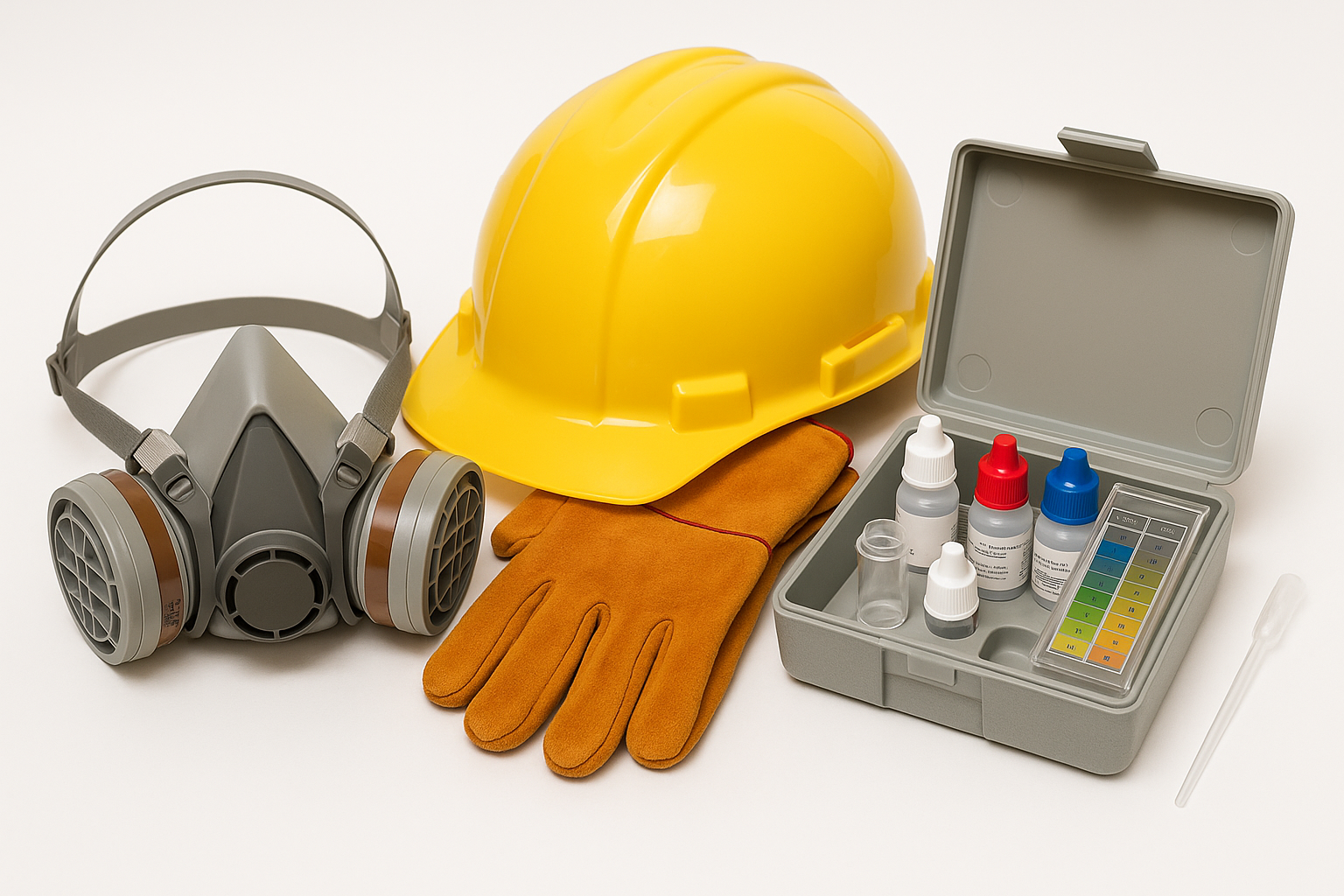
FFP3 usually refers to a disposable filtering facepiece respirator. The mask itself is the filter medium.
P3 usually refers to a particulate filter used with a reusable respirator, such as a half mask or full-face mask. The filter is fitted to the respirator body.
Both may be suitable in asbestos work, but they suit different tasks and setups.
- FFP3: disposable, lighter, often used for shorter or lower-risk tasks where appropriate
- P3: filter class used with reusable RPE, often preferred for more demanding work
- Full-face reusable respirators: can provide respiratory and eye protection together
From a management point of view, the right question is not “Which sounds better?” It is “Which equipment is suitable for this task, this person and this level of risk?”
Why a surgical mask is not asbestos protection
A surgical mask is not a substitute for ffp3 asbestos protection. The two items are designed for completely different purposes.
A surgical mask is loose fitting. It is mainly intended to reduce droplets from the wearer and provide limited splash protection. It does not create the tight facial seal needed to protect against airborne asbestos fibres.
An FFP3 respirator is designed to protect the wearer from inhaling hazardous particulates. That protection depends on both filtration performance and a secure fit.
Quick comparison
- Fit: surgical masks are loose; FFP3 respirators must seal to the face
- Purpose: surgical masks control droplets; FFP3 respirators protect from fine particles
- Asbestos use: surgical masks are not suitable; FFP3 may be suitable depending on the task
- Testing: surgical masks do not require face-fit testing; tight-fitting FFP3 respirators do
If anyone is wearing a basic surgical mask while disturbing suspected asbestos, the work should stop immediately and the controls should be reassessed.
Face-fit testing is essential for ffp3 asbestos work
A tight-fitting respirator is only protective if it fits the wearer properly. That is why face-fit testing is not optional for ffp3 asbestos work.
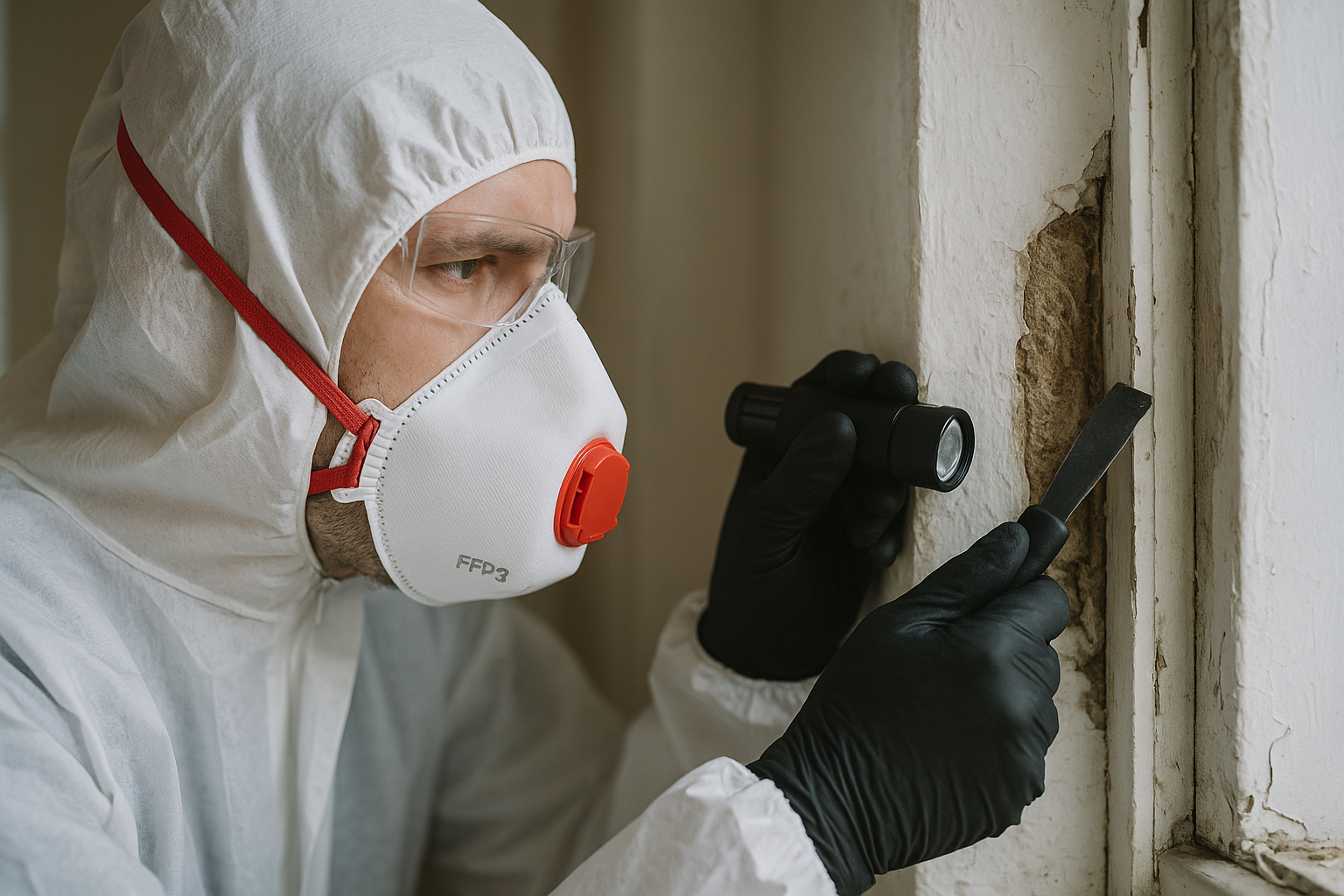
Under HSE guidance, anyone using tight-fitting RPE must be face-fit tested on the exact make, model and size they will wear. Change the mask model and the test result does not automatically carry over.
What can cause a poor seal?
- Stubble, beards or facial hair where the mask seals
- Incorrect strap tension or mask positioning
- The wrong shape or size for the wearer
- Damaged nose clips, straps or mask body
- Goggles or other PPE interfering with the seal
Practical checks before use
- Inspect the respirator for damage or contamination
- Check the make and model matches the face-fit test record
- Position the mask correctly and tighten straps evenly
- Carry out a pre-use seal check
- Replace the respirator if it is damaged, wet, heavily contaminated or no longer fits properly
For site managers, this is a simple control to verify. Ask to see face-fit records and make sure the respirator on site matches them.
Asbestos PPE is more than just a mask
Even where ffp3 asbestos protection is suitable, the respirator is only one part of the system. PPE for asbestos work needs to match the task and the expected contamination risk.
Typical PPE may include:
- FFP3 disposable respirator or reusable respirator with suitable P3 filters
- Type 5/6 disposable hooded coveralls
- Disposable gloves
- Boots that can be decontaminated or disposable overboots
- Suitable eye protection where needed
The exact combination depends on the material and the work method. A low-risk inspection is not the same as removing damaged insulation board, and neither should use a one-size-fits-all PPE kit.
Coveralls for asbestos work
Type 5/6 disposable coveralls are commonly used for asbestos tasks because they are designed for hazardous dust and limited liquid splash. They should fit properly, include a hood and be suitable for the movement required during the work.
Coveralls matter because fibres can settle on clothing and spread into clean areas, vehicles and homes if contaminated garments are handled badly.
- Use disposable hooded coveralls
- Keep wrists and ankles secure
- Use the hood where the plan of work requires it
- Remove carefully to avoid releasing fibres
- Treat contaminated disposable coveralls as asbestos waste
Never take asbestos-contaminated clothing home for washing.
Eye protection
Eye protection is often overlooked, especially on smaller jobs. It should be used where there is a risk of debris, dust or splashes from wetting agents.
The important point is compatibility. If goggles break the seal of a respirator, the respiratory protection is compromised.
- Choose close-fitting or sealed eye protection where appropriate
- Make sure it works with the selected respirator
- Use disposable or easily decontaminated models
- Check comfort for the full task duration
Where a full-face reusable respirator is used, separate goggles may not be necessary because the facepiece provides eye protection.
What a typical asbestos setup includes
There is no universal off-the-shelf asbestos kit that makes every job safe. A proper setup combines PPE, controlled methods and site controls.
A typical package for lower-risk asbestos work may include:
- Suitable RPE, which may include ffp3 asbestos protection where appropriate
- Type 5/6 disposable coveralls
- Disposable gloves
- Suitable footwear or overboots
- Eye protection if required
- Warning signage and restricted access controls
- Controlled wetting equipment
- Class H vacuum where required
- Approved asbestos waste bags and labels
For licensed work, controls become much more demanding. That can include enclosures, negative pressure units, airlocks and decontamination units, all under a formal plan of work.
If you do not yet know what materials are present, the first step is identification. A professional asbestos survey London service can confirm whether asbestos-containing materials are present and help you plan the right next step before maintenance or refurbishment begins.
Why PPE alone is never enough
PPE is the last line of defence, not the first. HSE guidance follows the hierarchy of control, which means the aim is to avoid exposure through planning, identification, isolation and controlled methods before relying on personal protective equipment.
That matters because even the best ffp3 asbestos respirator has limits. If the work method is poor, the area is not controlled, or waste is handled badly, exposure risk can still be created for workers and other occupants.
Core controls that matter
- Identify asbestos before work starts
- Assess the material type, condition and likelihood of disturbance
- Decide whether the material should be managed in place or removed
- Use trained, competent people
- Control dust release with suitable methods
- Restrict access to the work area
- Use correct decontamination and waste procedures
For many buildings, removal is not automatically the best option. If asbestos-containing materials are in good condition and unlikely to be disturbed, management in situ may be the safer and more proportionate route.
Where removal is necessary, use a specialist asbestos removal service that can assess the work category and carry out the job under the correct controls.
How to dispose of asbestos waste correctly
Asbestos waste must never be placed in general rubbish, standard skips or mixed construction waste. It needs to be packaged, labelled, transported and disposed of through the correct route.
If suspected asbestos has already been disturbed, stop the work immediately. Do not keep breaking it up to make it easier to bag, and do not sweep up with a brush or use a normal vacuum cleaner.
Practical asbestos waste steps
- Stop work and keep people away from the area
- Avoid sweeping, dry brushing or using standard vacuum cleaners
- Seek advice from a competent asbestos professional
- If waste has already been created, use suitable packaging and labelling
- Use an authorised disposal route appropriate to the waste type
Local authority arrangements vary, especially for domestic bonded asbestos. Commercial premises, tenanted buildings and larger quantities often involve more complex duties, so specialist support is usually the safest option.
If you manage property in the North West and need clarity before works begin, an asbestos survey Manchester appointment can establish what is present and whether removal, management or further sampling is required.
Before any work starts: survey first, then plan
One of the biggest mistakes in asbestos management is starting maintenance or strip-out work before the building has been properly assessed. PPE decisions should follow survey information, not replace it.
Surveying helps answer the questions that actually matter:
- Is asbestos present?
- What type of material is it?
- What condition is it in?
- Is it likely to be disturbed by the planned work?
- Does the work fall into licensed, notifiable non-licensed or non-licensed categories?
For routine occupation and maintenance, a management survey is often the starting point. For upgrade works, strip-out or structural changes, a refurbishment or demolition survey is usually required before work begins.
If you are planning works in the Midlands, an asbestos survey Birmingham service can help you identify asbestos-containing materials early and avoid delays, unsafe decisions and unnecessary exposure.
Practical advice for property managers and dutyholders
If you are responsible for a building, the most useful approach is to treat ffp3 asbestos as one small part of a bigger compliance picture. The real job is controlling risk across the whole process.
- Do not let contractors start intrusive work without the right survey information
- Check whether the planned task may disturb asbestos-containing materials
- Ask who has assessed the work category and selected the controls
- Verify face-fit testing for any tight-fitting respirators
- Make sure waste arrangements are agreed before the job starts
- Keep occupants away from affected areas until the risk is controlled
- Do not assume all asbestos should be removed immediately
Where asbestos is known or suspected, slow down and verify the facts. That usually saves time, cost and disruption later.
Frequently Asked Questions
Is FFP3 the minimum mask for asbestos?
Where disposable respiratory protective equipment is appropriate for asbestos work, FFP3 is the relevant class. However, that does not mean a disposable mask is suitable for every asbestos task. The correct choice depends on the risk assessment, work category and method.
Can I use an FFP3 mask for removing asbestos myself?
An FFP3 mask alone does not make asbestos removal safe or lawful. Some asbestos work is licensed, and even lower-risk tasks require proper assessment, training, controlled methods, suitable PPE and correct waste disposal. If you are unsure, stop and get professional advice.
Do FFP3 masks need face-fit testing for asbestos work?
Yes. Any tight-fitting respirator used for asbestos work must be face-fit tested for the individual wearer on the exact make, model and size being used. A poor seal can make the respirator ineffective.
Are disposable coveralls necessary with ffp3 asbestos protection?
Usually, yes. Respiratory protection should be combined with suitable protective clothing, commonly Type 5/6 disposable hooded coveralls, along with gloves and suitable footwear or overboots where the task requires them.
What should I do if asbestos is disturbed accidentally?
Stop work immediately, keep people out of the area and avoid sweeping or using a standard vacuum cleaner. Arrange competent advice, and if needed, have the material assessed, sampled or removed under the correct controls.
If you need clear advice on asbestos risks, surveys or safe next steps, speak to Supernova Asbestos Surveys. We provide nationwide surveying support, practical compliance advice and access to specialist services. Call 020 4586 0680 or visit asbestos-surveys.org.uk to arrange help.