Asbestos related diseases rarely begin with a dramatic incident. More often, the harm starts quietly when fibres are released during routine maintenance, a fit-out, a boiler replacement, or a refurbishment in an older building. By the time symptoms appear, the original exposure may be decades in the past.
That is exactly why asbestos still matters to property managers, landlords, employers, and dutyholders across the UK. If asbestos-containing materials are not identified and managed properly, people can inhale fibres without realising it. Those fibres can remain in the body for years and lead to serious, sometimes life-limiting illness.
For anyone responsible for a building, the message is practical rather than theoretical: preventing exposure is the only reliable way to reduce the risk of asbestos related diseases. That means knowing what is in the building, understanding which materials are likely to be disturbed, and making sure the right controls are in place before work starts.
What are asbestos related diseases?
Asbestos related diseases are illnesses caused by breathing in asbestos fibres. These fibres are microscopic, durable, and resistant to breakdown, which means the body struggles to clear them once they reach the lungs or surrounding tissues.
Not every condition linked to asbestos behaves in the same way. Some are cancers. Some are chronic respiratory diseases. Some are signs of previous exposure that may not always cause severe disability, but they still matter because they indicate contact with a hazardous substance.
The main asbestos related diseases include:
- Mesothelioma – a cancer affecting the lining of the lungs or abdomen
- Asbestos-related lung cancer – lung cancer associated with asbestos exposure
- Asbestosis – permanent scarring of lung tissue caused by heavy or prolonged exposure
- Pleural plaques – localised thickening on the lining of the lungs, showing previous exposure
- Diffuse pleural thickening – more extensive thickening that can restrict breathing
- Benign pleural effusion – fluid build-up around the lungs linked to asbestos exposure
HSE guidance also recognises that asbestos exposure has been associated with certain other cancers, including cancers of the larynx and ovary. For building managers, the practical point is simple: if asbestos is present and is disturbed, the health consequences can be severe and entirely avoidable.
Why asbestos related diseases develop so long after exposure
One of the most difficult aspects of asbestos related diseases is the latency period. A person may inhale fibres at work or during building maintenance and feel completely well for many years.
Symptoms often do not appear until long after the original exposure. That delay can make it harder to connect illness with a past job, a refurbishment project, or time spent working in older premises.
This long timescale is one reason asbestos management must be proactive. Waiting until someone becomes unwell is far too late. The proper approach is to prevent fibre release in the first place.
Why fibres are so harmful
Asbestos fibres are tiny enough to be inhaled deep into the lungs. Once there, some fibres can become lodged in lung tissue or the pleura, causing inflammation and scarring over time.
The level of risk depends on several factors, including:
- The type of asbestos present
- The condition of the material
- How easily fibres can be released
- How long the exposure lasts
- How often exposure occurs
There is no sensible reason to take chances. If suspect materials are present, they should be assessed properly before anyone drills, cuts, sands, strips, or demolishes nearby building fabric.
How exposure happens in buildings
Most people are not exposed because they can see asbestos. They are exposed because asbestos-containing materials are hidden in ordinary parts of a building and are disturbed without the right checks.

Across the UK, asbestos may still be found in many premises built or refurbished before the ban. It can be present in commercial buildings, schools, industrial sites, communal residential areas, healthcare settings, and older homes.
Common places asbestos may be found
- Asbestos insulating board
- Pipe lagging
- Sprayed coatings
- Textured coatings
- Floor tiles and adhesive
- Cement sheets and roofing panels
- Soffits and gutters
- Ceiling tiles
- Boiler cupboards
- Service risers
- Panels behind heaters or within partition walls
The risk is not the same in every case. A sealed cement sheet in good condition may present a lower risk than damaged insulating board in a service cupboard. The key issue is whether fibres can be released and whether the material is likely to be disturbed.
Work activities that increase risk
Exposure is more likely when work affects the fabric of a building. That includes planned construction work, but it also includes smaller jobs that are often treated as routine.
- Drilling into walls or ceilings
- Installing cables, alarms, or data points
- Replacing boilers, pipework, or heating systems
- Removing partitions or ceiling tiles
- Breaking up old roof sheets or panels
- Sanding, scraping, or stripping finishes
- Intrusive inspections before refurbishment
- Demolition and soft strip works
If the asbestos information is missing, out of date, or unsuitable for the planned work, stop and review the risk before the job continues.
Who is most at risk of asbestos related diseases?
Historically, workers in heavy industry, shipbuilding, manufacturing, construction, and power generation faced significant exposure. That legacy still affects many people today because asbestos related diseases often emerge long after the exposure took place.
Current risk remains highest among people who disturb hidden materials as part of their work. In many buildings, the danger is not obvious until a ceiling tile is lifted, a wall is opened, or an old plant room is altered.
Groups commonly at risk include:
- Electricians
- Plumbers and heating engineers
- Builders and joiners
- Demolition workers
- Roofers
- Maintenance operatives
- Caretakers and facilities teams
- Fire and security installers
- Surveyors carrying out intrusive inspections
- Asbestos removal workers where controls fail
There has also been secondary exposure in some cases, where fibres were carried home on contaminated clothing. That is another reason site controls, decontamination procedures, and competent supervision matter so much.
Common asbestos related diseases and their effects
Not every exposure will lead to illness, but asbestos related diseases are serious enough that no exposure should be treated casually. The more fibres inhaled, and the more frequent the exposure, the greater the risk tends to be.
Mesothelioma
Mesothelioma is one of the best-known asbestos related diseases and one of the most serious. It is an aggressive cancer that usually affects the pleura, the lining around the lungs, although it can also affect the lining of the abdomen.
It is strongly associated with asbestos exposure and can develop after a long latency period. Symptoms often include chest pain, breathlessness, fatigue, and unexplained weight loss.
Because it is often diagnosed at a late stage, outcomes are frequently poor. That is why prevention is so critical.
Asbestos-related lung cancer
Asbestos can cause lung cancer, particularly after substantial exposure. The risk is higher for people who have both smoked and been exposed to asbestos, because the hazards act together.
Possible symptoms include:
- Persistent cough
- Chest pain
- Breathlessness
- Recurrent chest infections
- Coughing up blood
- Unexplained weight loss
These symptoms are not unique to asbestos related diseases, which is why a proper medical assessment and a clear occupational history are so important.
Asbestosis
Asbestosis is a chronic lung disease caused by inhaling asbestos fibres over time. The fibres cause scarring in the lungs, reducing elasticity and making breathing harder.
People with asbestosis may experience:
- Shortness of breath, especially on exertion
- A persistent cough
- Fatigue
- Chest tightness
- Reduced exercise tolerance
Asbestosis is not a cancer, but it can be severely disabling and may worsen over time.
Pleural plaques
Pleural plaques are areas of thickening on the pleura. They are generally regarded as markers of previous asbestos exposure rather than a condition that always causes serious symptoms.
Even so, they should never be dismissed. They can form part of a wider clinical picture and may indicate that a person has had a level of exposure worth discussing with a medical professional.
Diffuse pleural thickening
Diffuse pleural thickening is more extensive than pleural plaques and can restrict lung expansion. That can lead to breathlessness and long-term respiratory limitation.
Where a person has a history of significant exposure, this condition can have a real impact on quality of life and work capacity.
Benign pleural effusion
This is a build-up of fluid between the pleural layers. It is non-cancerous, but it can still cause discomfort, breathing difficulty, and understandable concern.
For anyone with known past exposure, it should be properly investigated rather than ignored.
Symptoms that should never be ignored
The early signs of asbestos related diseases can be vague. That is one reason people sometimes put off seeking help.
If you have worked in construction, maintenance, industrial settings, or older buildings where asbestos may have been present, tell your GP about that history. Exposure history can be highly relevant when symptoms are being assessed.
Symptoms that warrant medical attention include:
- Persistent cough
- Shortness of breath
- Chest pain or tightness
- Wheezing
- Fatigue
- Unexplained weight loss
- Coughing up blood
- Difficulty swallowing
These symptoms do not automatically mean asbestos related diseases are present. They do mean you should seek medical advice promptly and provide a clear account of past exposure if you have one.
Why the risk is still relevant in the UK
Many people think asbestos is only a historical issue. It is not. The material is no longer used, but it remains in many existing premises across the UK.
The current risk is less about manufacture and more about accidental disturbance during occupation, maintenance, refurbishment, and demolition. That is why the legal duty to manage asbestos still matters every day.
Under the Control of Asbestos Regulations, those responsible for non-domestic premises must identify asbestos-containing materials, assess the risk, and manage that risk properly. Surveying work should follow HSG264 and relevant HSE guidance.
In practical terms, that means:
- Do not assume a building is asbestos-free because nothing obvious is visible.
- Do not rely on old records without checking whether they are still suitable.
- Do not allow work to begin until the asbestos information matches the scope of the job.
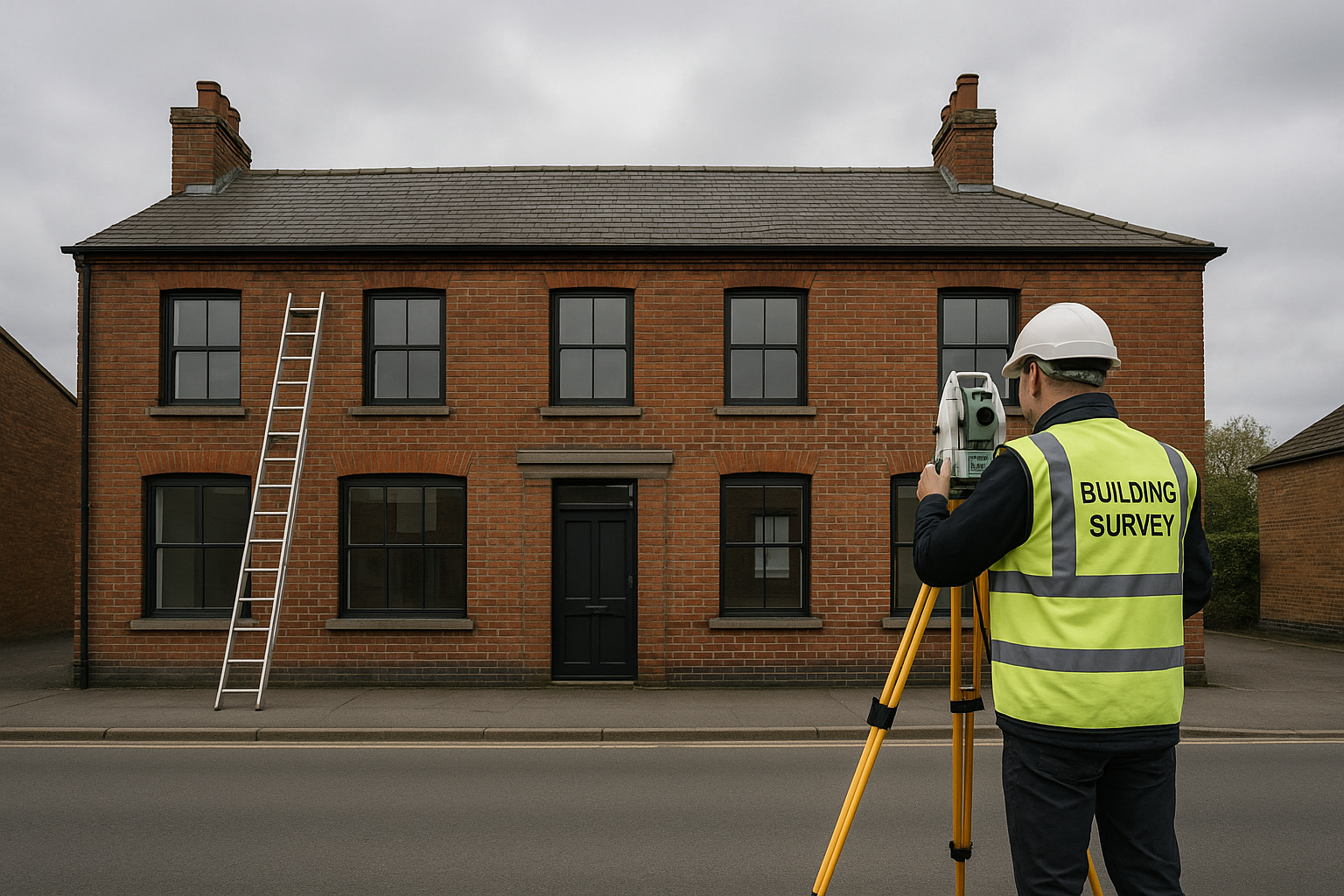
If a building is occupied and asbestos needs to be managed during normal use, a management survey is usually the starting point. It helps identify accessible materials that could be disturbed during routine occupation or maintenance.
If intrusive work is planned, the survey type changes. Before major alterations, strip-out, or structural work, a refurbishment survey is typically required so hidden materials can be identified before they are disturbed.
Where asbestos has already been identified and remains in place, a re-inspection survey helps confirm whether the condition has changed and whether the management plan still reflects the real risk.
How to reduce the chance of asbestos related diseases
The only dependable way to reduce asbestos related diseases is to prevent exposure. That means putting controls in place before fibres are released, not after.
1. Identify asbestos before work starts
Build asbestos checks into routine property management. If you manage older premises, make asbestos review part of planned maintenance, contractor induction, fit-outs, dilapidations, and lease events.
Before any work begins, ask:
- Do we already have asbestos information?
- Is it current and suitable for this exact scope of work?
- Does the survey cover the area being disturbed?
- Have contractors seen the relevant information?
If the answer to any of those is no, pause the job and resolve it first.
2. Keep the asbestos register and management plan current
A survey on its own is not enough. Dutyholders need an asbestos register showing the location, extent, and condition of asbestos-containing materials, supported by a management plan explaining how the risk will be controlled.
Make sure the register is available to anyone who may disturb the material, including maintenance teams, visiting engineers, and external contractors.
3. Use competent specialists for sampling and removal
If a suspect material needs to be checked, sampling should be carried out safely and appropriately. In some low-risk domestic situations, a testing kit may be suitable, but homeowners should never treat sampling as risk-free.
If the material is damaged, friable, difficult to access, or located in a higher-risk area, professional sampling is the safer route. Where asbestos needs to be taken out, use competent specialists for asbestos removal rather than relying on general trades.
4. Train staff and brief contractors properly
Many incidents happen because the asbestos information exists but is not shared. Contractors arrive, start work, and discover suspect materials only after they have already disturbed them.
Set simple site rules:
- No intrusive work without checking asbestos information
- No drilling or cutting in older areas without authorisation
- Stop work immediately if suspect materials are found
- Report damage to known asbestos-containing materials straight away
5. Consider asbestos alongside wider building safety
Asbestos should not be managed in isolation. If you are reviewing compliance across a commercial property, it often makes sense to coordinate asbestos planning with a fire risk assessment so building safety decisions work together rather than creating new risks.
Practical advice for homeowners, landlords, and property managers
The right response depends on your role, the type of property, and the nature of the suspected material. The aim is not panic. It is informed action.
For homeowners
If you suspect asbestos in a domestic property, do not drill, sand, scrape, or remove the material yourself. Leave it undisturbed until it has been assessed properly.
If you are planning renovations, check suspect areas before instructing trades. A small bathroom refit or kitchen alteration can still disturb hidden asbestos-containing materials.
For landlords and managing agents
Landlords should pay close attention to common parts, risers, corridors, plant rooms, service cupboards, and other shared areas. Keep records organised and make sure contractors are briefed before repair or maintenance works begin.
If you manage mixed-use or commercial premises, responsibility for asbestos management should be clearly assigned and documented. Ambiguity creates risk.
For commercial property managers
Build asbestos review into your contractor control procedures. If your team only checks asbestos when a problem appears, you are relying on luck.
Useful actions include:
- Review asbestos information before every intrusive job
- Link permits to work with asbestos checks
- Keep digital copies of surveys and registers accessible
- Schedule periodic reviews of known asbestos-containing materials
- Escalate damaged materials immediately
Choosing the right support in your area
If you manage property across multiple locations, consistency matters. Surveying standards, reporting, and response times all affect how well asbestos risks are controlled on the ground.
Whether you need support in the capital or other major cities, local coverage helps keep projects moving. Supernova provides services including asbestos survey London, asbestos survey Manchester, and asbestos survey Birmingham.
The key is to match the survey and advice to the actual work being planned. A routine occupation issue, a fit-out, and a demolition project do not require the same level of inspection.
What to do if asbestos is discovered unexpectedly
Unexpected discoveries are common in older buildings, especially where historic records are incomplete. The worst response is to carry on and hope the material is harmless.
If suspect asbestos is found:
- Stop work immediately.
- Keep people away from the area.
- Avoid further disturbance.
- Report the issue to the responsible manager or dutyholder.
- Arrange competent assessment or sampling.
- Do not restart work until the risk is understood and controlled.
Fast decisions matter here. A short pause to assess the risk is far better than exposing workers, contaminating an area, and creating a larger legal and operational problem.
Frequently Asked Questions
What are the main asbestos related diseases?
The main asbestos related diseases are mesothelioma, asbestos-related lung cancer, asbestosis, pleural plaques, diffuse pleural thickening, and benign pleural effusion. Some other cancers have also been associated with asbestos exposure.
Can a single exposure cause asbestos related diseases?
Risk generally increases with heavier or repeated exposure, but there is no sensible basis for treating any exposure as acceptable. Because asbestos related diseases can develop after fibres are inhaled, all exposure should be prevented wherever possible.
How long do asbestos related diseases take to appear?
They often develop after a long latency period, which can be many years or even decades after exposure. That is why old occupational history and past building work remain relevant during medical assessment.
What should I do if I think I have been exposed to asbestos?
If exposure may have happened recently, report it through the proper workplace or site process and seek advice if symptoms develop. If you have ongoing respiratory symptoms or a history of exposure, speak to your GP and explain when and where the exposure may have occurred.
How can property managers help prevent asbestos related diseases?
Property managers can reduce the risk by arranging the correct surveys, keeping asbestos registers up to date, briefing contractors properly, stopping work when suspect materials are found, and using competent specialists for assessment and removal where required.
Asbestos related diseases are preventable when exposure is prevented. If you need expert help with surveys, re-inspections, sampling, or removal, contact Supernova Asbestos Surveys on 020 4586 0680 or visit asbestos-surveys.org.uk to arrange the right service for your property.