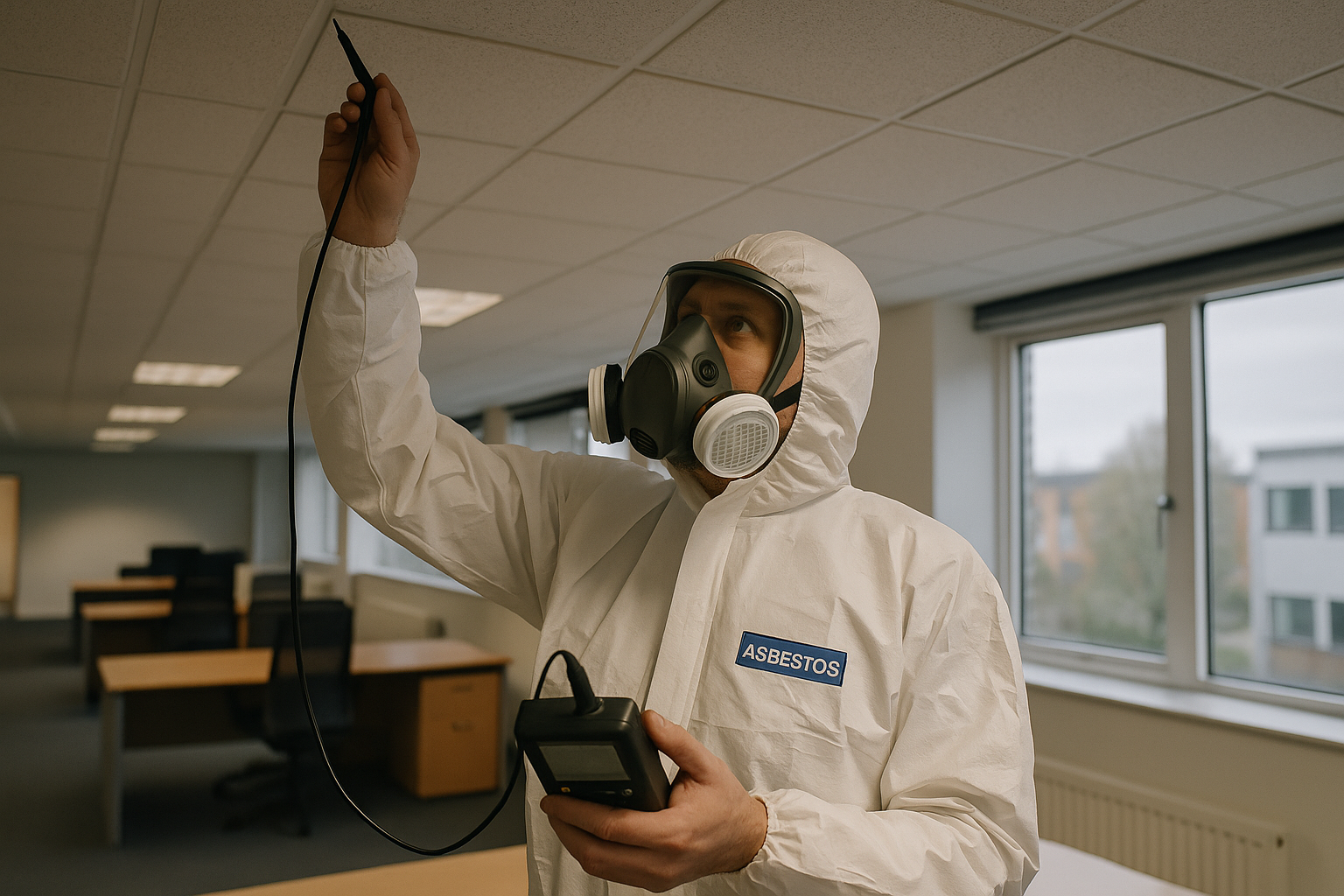
Asbestos still sits behind ceilings, inside risers, under floor finishes and around plant rooms in thousands of UK properties. That is why asbestos remains a live issue for landlords, managing agents, employers and homeowners alike: not because every material is immediately dangerous, but because poor assumptions lead to unnecessary exposure, costly disruption and legal trouble.
The problem is rarely just the presence of asbestos. The real risk comes when asbestos-containing materials are damaged, drilled, cut, broken or disturbed during maintenance, refurbishment or demolition. If you manage an older building, clear information and competent action matter far more than guesswork.
The truth about asbestos and why myths persist
Asbestos was used widely across the UK because it was durable, heat resistant, insulating and affordable. That long history has left a confusing legacy. Many people have heard fragments of advice over the years, but not all of it reflects how asbestos risk should actually be managed today.
Under the Control of Asbestos Regulations, those responsible for non-domestic premises have a duty to manage asbestos where it is present. HSE guidance and HSG264 set out how asbestos surveys should be undertaken and how asbestos-containing materials should be identified and assessed.
That matters because asbestos is not a simple yes-or-no hazard. The practical questions are:
- Is asbestos present?
- What material contains it?
- What condition is it in?
- How likely is it to be disturbed?
- Does it need management, encapsulation or removal?
If you are responsible for an office, school, warehouse, retail unit, block of flats or industrial site, hoping for the best is not a strategy. A survey, an asbestos register and a workable management plan are.
Common asbestos myths that cause real problems
Myth 1: Asbestos is only dangerous if you can see dust
This is one of the most misleading beliefs about asbestos. Fibres are microscopic, so visible dust is not a reliable warning sign. A material can look intact while still releasing fibres if it is disturbed in the wrong way.
Pipe lagging, insulating board, sprayed coatings and some insulation products are especially prone to fibre release when damaged. Even lower-risk asbestos materials can become a problem if they are cut, sanded or broken.
Practical advice: never judge asbestos risk by appearance alone. If a suspect material may be disturbed, stop work and get it assessed properly.
Myth 2: There is a safe everyday level of asbestos exposure
People sometimes talk about asbestos as though small exposures do not matter. That is not a sensible approach. The goal is to prevent inhalation of asbestos fibres and to keep exposure as low as reasonably practicable.
All types of asbestos are hazardous. Risk varies depending on the material, the work being carried out and the amount of fibre released, but no one should treat casual exposure as acceptable.
Practical advice: if contractors uncover a suspect board, coating or insulation product, stop the job immediately. Do not let works continue until competent asbestos assessment or sampling has been completed.
Myth 3: If an older building looks fine, asbestos is not a real issue
Well-maintained premises can still contain asbestos in hidden or overlooked locations. Ceiling voids, service ducts, risers, soffits, wall panels, plant rooms and boxed-in services are all common problem areas.
Condition matters, but good condition does not remove the duty to manage asbestos. The real question is whether future maintenance, repairs or fit-out works could disturb it.
Practical advice: if a property was built or refurbished before the UK ban, presume asbestos may be present unless a competent survey shows otherwise.
Myth 4: White asbestos was harmless
White asbestos, also known as chrysotile, was widely used in UK buildings. That has led some people to downplay the risks. That is wrong. White asbestos is still asbestos, and it is still hazardous.
No form of asbestos should be treated as safe. The right response depends on the type of material, its condition, where it is located and how likely it is to be disturbed.
Myth 5: Removing asbestos is always the best option
Removal is not automatically the first answer. In many cases, asbestos can remain in place safely if it is in good condition, protected from disturbance and managed properly.
Unnecessary asbestos removal can itself create avoidable risk if the work is not justified or not handled correctly. Decisions should follow evidence, not panic.
Practical advice: choose management, encapsulation or removal based on a survey and a clear risk assessment. If work is required, use competent specialists for asbestos removal.
Where asbestos is commonly found in UK properties
Asbestos may be present in domestic, commercial, industrial and public sector buildings. If a property was built or refurbished before the ban, it deserves careful review before any intrusive work starts.
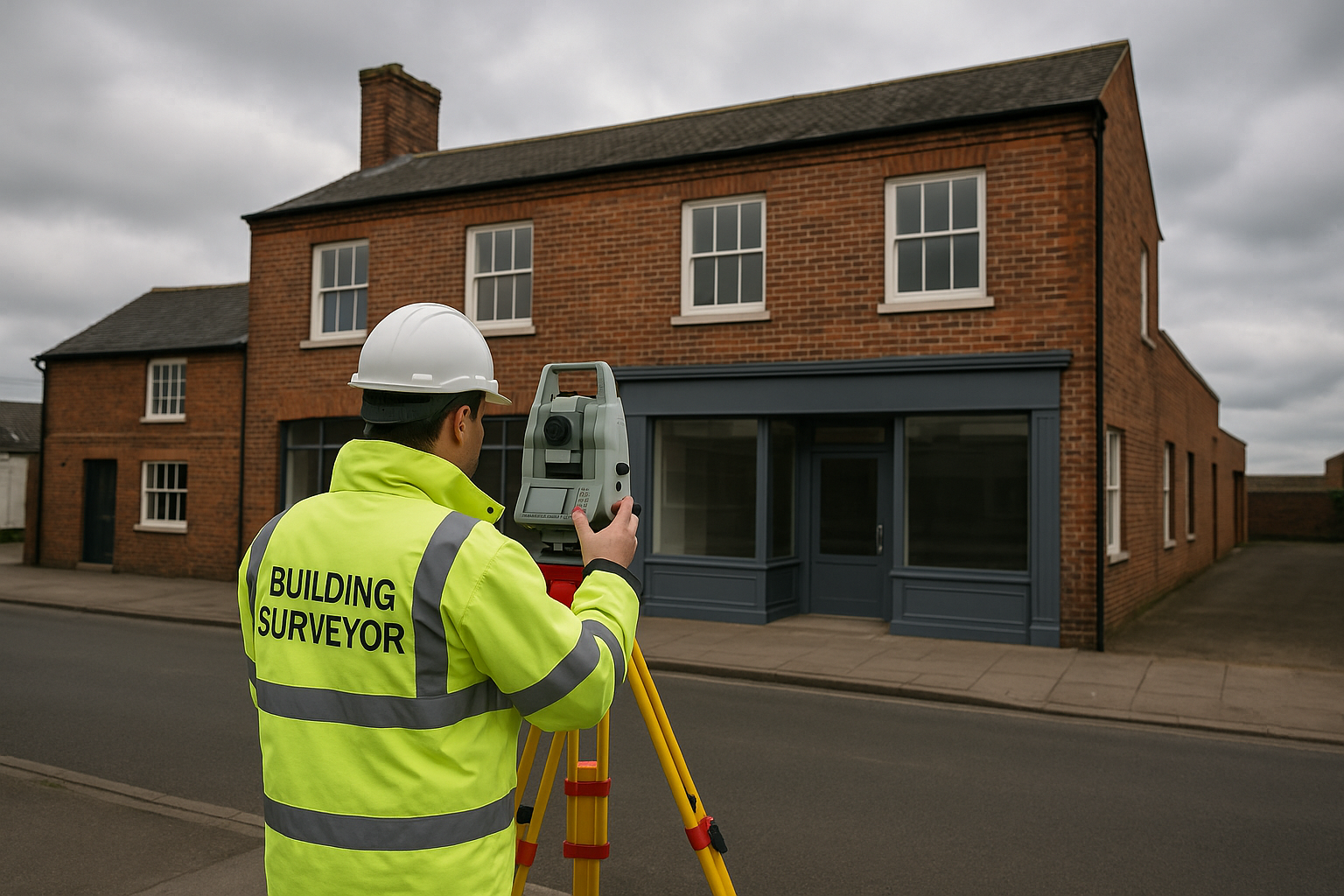
Common locations for asbestos include:
- Asbestos insulating board in partitions, ceiling tiles and fire breaks
- Pipe lagging and thermal insulation
- Boiler and plant room insulation
- Textured coatings
- Floor tiles and bitumen adhesives
- Roof sheets, wall cladding and garage roofs
- Soffits, gutters and downpipes
- Cement panels and flue pipes
- Lift shafts, service risers and ducts
- Toilet cisterns, bath panels and boxing
Different asbestos materials carry different risk profiles. Friable materials such as lagging and some insulating boards can release fibres more easily than bonded asbestos cement products. That does not mean cement-based asbestos should be ignored, only that the level of risk depends on condition and disturbance.
If you do not know what a material is, do not rely on visual guesswork. Arrange professional asbestos testing so decisions are based on evidence rather than assumptions.
The real health risks linked to asbestos exposure
The health effects of asbestos are well established. Diseases associated with asbestos exposure include mesothelioma, asbestos-related lung cancer, asbestosis and diffuse pleural thickening.
One reason asbestos remains such a serious issue is latency. Symptoms can take many years to appear after exposure. That delay makes prevention even more important, because by the time illness develops the exposure event may be long past.
Short-term and long-term exposure
Repeated or prolonged asbestos exposure generally increases risk, but short-term exposure should never be dismissed. A single uncontrolled maintenance job can disturb asbestos and expose workers, occupants or contractors to airborne fibres.
For property managers, this means asbestos controls should be built into routine maintenance systems, contractor induction and permit-to-work procedures. Waiting until a problem appears on site is too late.
Mesothelioma and asbestos-related lung disease
Mesothelioma is strongly linked to asbestos exposure. Asbestos can also contribute to lung cancer and to non-malignant respiratory disease such as asbestosis, which causes scarring of the lungs.
Smoking does not cause mesothelioma, but smoking combined with asbestos exposure can significantly increase the risk of lung cancer. That is another reason asbestos management is a practical health protection issue, not just a compliance exercise.
Why symptoms are often missed
Early symptoms can be vague, including breathlessness, chest discomfort or a persistent cough. Those symptoms are not unique to asbestos-related disease, so people do not always connect them with historic building work or occupational exposure.
That uncertainty does not reduce the seriousness of asbestos. It reinforces the need to prevent fibre release in the first place.
How asbestos risk should be assessed in practice
Good asbestos management starts with proper identification. HSG264 sets the framework for asbestos surveys, and the correct survey type depends on what you plan to do with the building.
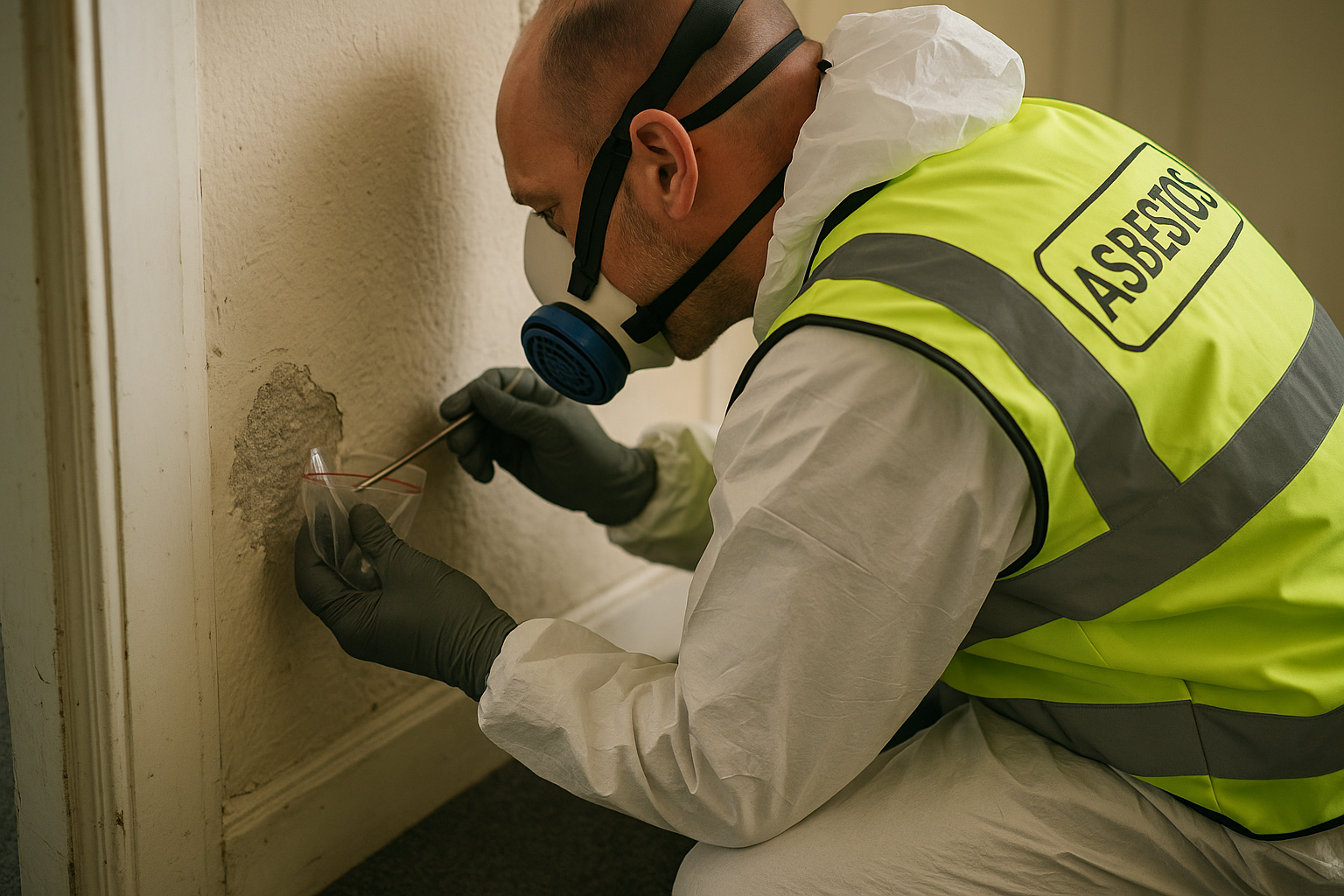
Management surveys
A management survey is designed to locate, as far as reasonably practicable, the presence and extent of suspected asbestos-containing materials during normal occupation and use. Its purpose is to help dutyholders manage asbestos safely in a building that remains in use.
This is the standard survey for ongoing occupation, day-to-day management and routine maintenance in non-domestic premises. If that is what you need, a professional management survey is the right starting point.
Refurbishment and demolition surveys
If major works are planned, a more intrusive survey is required. A refurbishment or demolition survey is intended to locate asbestos in the areas where work will take place, so it can be removed or controlled before the project begins.
This is not optional if the building fabric will be disturbed. Starting strip-out or intrusive works without the right survey is one of the most common and expensive asbestos mistakes. For full strip-out and structural works, arrange a suitable demolition survey before the project starts.
Sampling and analysis
Where a material is suspected to contain asbestos, sampling and laboratory analysis may be needed to confirm it. This should be carried out by competent professionals using the right methods and controls.
If you need a second route for localised sampling support, specialist asbestos testing can confirm whether a suspect material contains asbestos and help inform the next steps.
Legal duties for landlords, employers and dutyholders
The legal position on asbestos is straightforward in principle. If you are responsible for maintenance or repair of non-domestic premises, you may have duties under the Control of Asbestos Regulations.
The duty to manage asbestos typically involves:
- Finding out whether asbestos is present, and if so where it is and what condition it is in
- Presuming materials contain asbestos unless there is strong evidence otherwise
- Keeping an up-to-date record of asbestos-containing materials
- Assessing the risk of exposure
- Preparing and implementing an asbestos management plan
- Making sure anyone liable to disturb asbestos has the right information
- Reviewing the plan regularly
These duties apply across a wide range of premises, including offices, shops, schools, industrial units, warehouses and communal areas in residential blocks. Domestic properties can also involve asbestos duties where shared areas or construction work are concerned.
Landlords and managing agents should pay particular attention when arranging repairs, upgrades, electrical work, plumbing, cabling or contractor access. Many asbestos incidents happen during minor works because no one checked the asbestos register before starting.
What to do if you suspect asbestos in a building
Panic is unhelpful, but delay can make things worse. If you suspect asbestos, take a controlled and practical approach.
- Stop work immediately if the suspect material may have been disturbed.
- Keep people away from the area and restrict access.
- Do not sweep, vacuum or wipe debris unless the method and equipment are suitable for asbestos work.
- Do not drill, cut, break or remove the material yourself.
- Check the asbestos register and management plan if one exists.
- Arrange a survey or sampling visit to identify the material properly.
- Inform contractors and relevant staff so no one re-enters the area and disturbs it further.
For organisations with multiple sites, this process should be built into standard maintenance controls. Contractors should know how asbestos is managed before they arrive on site, not after an incident happens.
Managing asbestos safely versus removing it
There is no one-size-fits-all answer with asbestos. Some materials can remain in place safely for years if they are in good condition, sealed where appropriate, recorded properly and unlikely to be disturbed.
In other cases, asbestos removal is the sensible option because the material is damaged, friable, difficult to manage or directly affected by planned works.
When managing asbestos in place may be suitable
- The asbestos-containing material is in good condition
- It is sealed, enclosed or otherwise protected
- It is in a low-traffic or inaccessible area
- There is little chance of disturbance during normal use
- An asbestos register and management plan are in place
- Its condition can be monitored over time
When asbestos removal may be needed
- The material is damaged or deteriorating
- The material is friable and vulnerable to fibre release
- Maintenance work is likely to disturb it
- Refurbishment or demolition is planned
- Its condition cannot be reliably monitored
- It creates an ongoing management burden or repeated risk
The key point is this: asbestos should be managed according to evidence. Good decisions come from surveys, inspection, sampling and practical risk assessment, not blanket assumptions.
Why professional asbestos surveys matter more than assumptions
Asbestos is often hidden, and visual inspection alone has limits. A proper survey gives you evidence you can act on. It helps you protect contractors, plan works safely and avoid disruption that could have been prevented.
It also helps you avoid two expensive mistakes:
- Underreacting and allowing work to disturb unidentified asbestos
- Overreacting and treating every suspect material as though immediate removal is required
For property managers, the value of an asbestos survey is practical. It gives you a clearer register, better contractor control, fewer surprises during maintenance and stronger evidence that you are meeting your duties.
If you manage sites regionally, local support matters too. Supernova can help with an asbestos survey London service, as well as dedicated support for asbestos survey Manchester and asbestos survey Birmingham.
Practical steps to improve asbestos control across a property portfolio
If you oversee multiple buildings, asbestos management needs to be systematic. A folder on a shelf is not enough. The most effective asbestos control arrangements are simple, current and easy for staff and contractors to use.
Focus on these basics:
- Make sure every relevant building has the correct asbestos survey
- Keep the asbestos register updated after any works, removals or re-inspections
- Link asbestos information to maintenance planning and contractor controls
- Flag higher-risk asbestos materials clearly in plant rooms, risers and service areas
- Review management plans regularly and after any material change
- Train staff so they know what to do if asbestos is suspected or damaged
Small process improvements can prevent major incidents. For example, requiring contractors to confirm they have reviewed asbestos information before starting intrusive work can stop accidental disturbance before it happens.
Frequently Asked Questions
Is asbestos always dangerous if it is present in a building?
Not always in the immediate sense. Asbestos is most dangerous when fibres are released and inhaled, which usually happens when asbestos-containing materials are damaged or disturbed. If asbestos is in good condition and properly managed, it may be safer to leave it in place than remove it unnecessarily.
Do I need an asbestos survey before refurbishment works?
Yes, if the works will disturb the building fabric. A refurbishment or demolition survey is required to identify asbestos in the areas affected by the works so it can be managed or removed before the project begins. Starting intrusive work without the correct asbestos survey creates avoidable legal and safety risks.
Can I identify asbestos just by looking at it?
No. Many asbestos-containing materials look similar to non-asbestos products. Visual inspection can identify suspect materials, but confirmation usually requires sampling and laboratory analysis carried out by competent professionals.
What should I do if a contractor accidentally disturbs suspected asbestos?
Stop work immediately, keep people away from the area, prevent further access and avoid sweeping or cleaning the debris yourself. Then arrange urgent professional assessment so the material can be identified and the area dealt with safely.
Who is responsible for managing asbestos in non-domestic premises?
The duty usually falls on the person or organisation responsible for maintenance or repair of the premises, often the owner, landlord, managing agent or employer. The exact responsibility depends on the tenancy, lease and control of the premises, but the duty to manage asbestos must be clearly understood and acted on.
Need clear answers about asbestos in your property? Supernova Asbestos Surveys has completed more than 50,000 surveys nationwide and can help with surveys, sampling, testing and removal coordination. Call 020 4586 0680 or visit asbestos-surveys.org.uk to book the right service for your building.