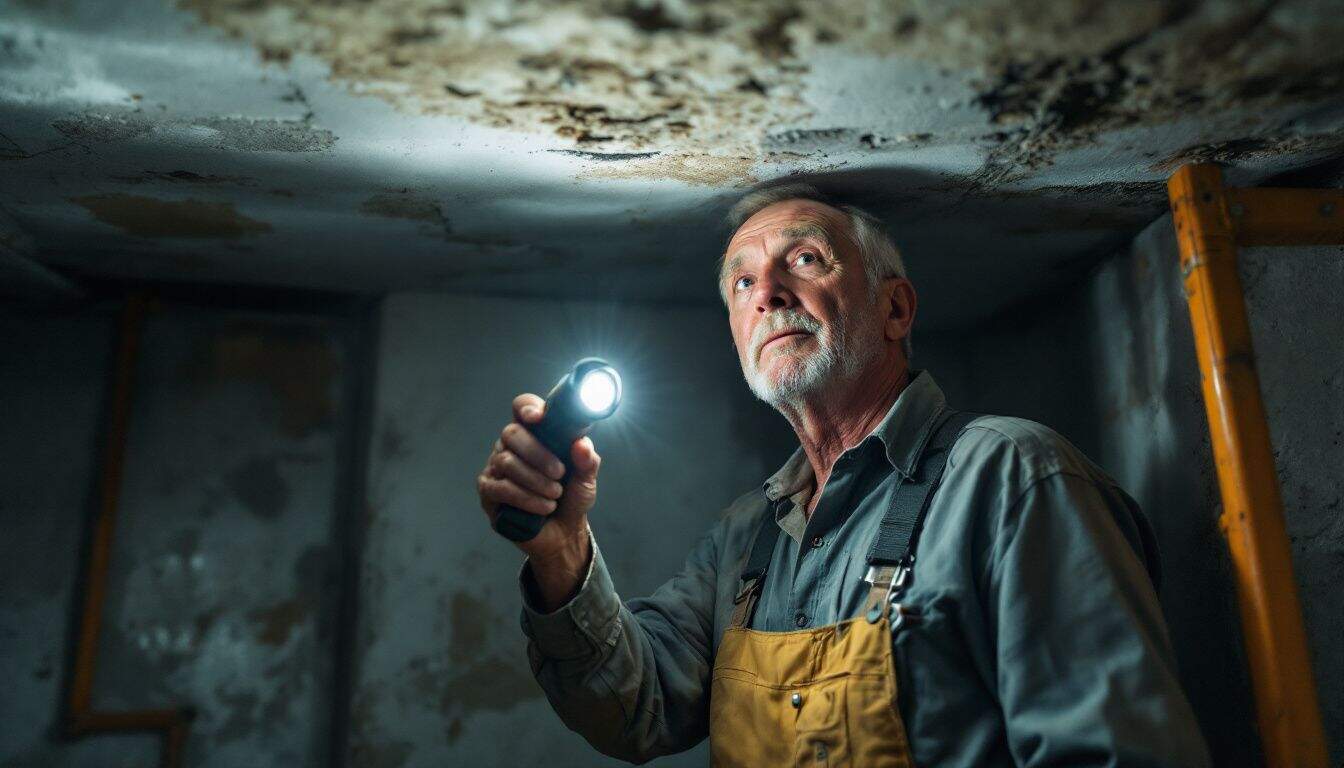
Asbestos-Related Diseases: Recognising and Preventing the Risks
Asbestos was once hailed as a miracle material — fireproof, durable, and cheap. Millions of buildings across the UK were constructed using it. But decades later, we’re still dealing with the devastating consequences, because asbestos-related diseases recognising preventing risks is not just a regulatory checkbox. It’s a matter of life and death for workers, building occupants, and anyone exposed to disturbed fibres.
If you live or work in a building constructed before 2000, asbestos may well be present. Understanding what diseases it causes, how exposure happens, and what you can do about it could protect you and everyone around you.
What Makes Asbestos So Dangerous?
Asbestos is a naturally occurring group of six silicate minerals. When intact and undisturbed, asbestos-containing materials (ACMs) are largely harmless. The danger begins the moment those materials are disturbed — during renovation, demolition, or even routine maintenance.
When fibres become airborne, they are invisible to the naked eye. They can be inhaled deep into the lungs, where they become permanently lodged. The body cannot break them down or expel them. Over time, this causes chronic inflammation, scarring, and in many cases, cancer.
What makes asbestos particularly insidious is the latency period. Diseases may not manifest for anywhere between 10 and 50 years after initial exposure. By the time symptoms appear, the damage is often severe and irreversible.
Common Asbestos-Related Diseases You Need to Know
There are several serious conditions directly linked to asbestos exposure. Each has distinct characteristics, but all share one common thread — they are largely preventable with the right precautions.
Mesothelioma
Mesothelioma is a rare and aggressive cancer that develops in the lining of the lungs (pleura), abdomen (peritoneum), or heart (pericardium). It is almost exclusively caused by asbestos exposure and carries a very poor prognosis.
Symptoms typically include breathlessness, persistent chest pain, and fluid accumulation around the lungs. Because these symptoms are non-specific and take decades to appear, mesothelioma is frequently diagnosed at a late stage.
Workers in shipbuilding, construction, insulation installation, asbestos mining, demolition, and firefighting carry the highest historical risk. However, secondary exposure — such as family members washing contaminated work clothing — has also caused disease.
Asbestosis
Asbestosis is a chronic lung disease caused by the inhalation of asbestos fibres over a prolonged period. The fibres cause progressive scarring (fibrosis) of the lung tissue, reducing the lungs’ ability to expand and contract properly.
Common signs include a persistent dry cough, increasing breathlessness on exertion, and a crackling sound when breathing. In advanced cases, patients may develop clubbing of the fingers and respiratory failure.
Risk factors include the duration and intensity of exposure, the type of asbestos fibre involved, and individual susceptibility. Smoking significantly worsens outcomes for those with asbestosis. Diagnosis is typically confirmed through chest X-rays, CT scans, and in some cases, lung biopsy.
Lung Cancer
Asbestos exposure substantially increases the risk of developing lung cancer, particularly in smokers. The combination of smoking and asbestos exposure multiplies the risk far beyond either factor alone.
Symptoms — including a persistent cough, coughing up blood, chest pain, and unexplained weight loss — may not appear until the disease is well advanced. As with other asbestos-related conditions, the latency period can span several decades.
Early detection through chest X-rays and CT screening is critical. Anyone with a history of occupational asbestos exposure should inform their GP so that appropriate monitoring can be arranged.
Pleural Conditions
Not all asbestos-related conditions are cancerous. Pleural plaques are areas of thickened tissue on the lining of the lungs and are the most common sign of past asbestos exposure. While they are not cancerous themselves, their presence confirms significant past exposure.
Pleural thickening and benign pleural effusions (fluid around the lungs) can also result from asbestos exposure and may cause breathlessness and chest discomfort. These conditions require medical monitoring even when they are not immediately life-threatening.
How Does Asbestos Exposure Actually Happen?
Understanding the routes of exposure is essential for effective prevention. Asbestos fibres enter the body in two primary ways.
Inhalation — The Primary Route
The vast majority of asbestos-related disease results from inhaling airborne fibres. This occurs when ACMs are disturbed — whether during construction work, building maintenance, refurbishment, or demolition.
High-risk activities include cutting, drilling, or sanding materials that contain asbestos, such as ceiling tiles, pipe lagging, floor tiles, roof sheets, and textured coatings like Artex. Even low-level disturbance can release significant quantities of fibres into the air.
Occupational exposure remains the primary concern. Tradespeople — including plumbers, electricians, carpenters, and builders — working in older properties are at ongoing risk if they do not take appropriate precautions.
Ingestion and Secondary Exposure
Asbestos fibres can also be ingested when contaminated dust settles on surfaces, food, or drink. Secondary exposure — sometimes called para-occupational exposure — occurs when workers bring fibres home on their clothing, hair, or skin, inadvertently exposing family members.
Historically, this was a significant cause of disease among the partners and children of workers in industries with heavy asbestos use. It underlines the importance of proper decontamination procedures and changing out of work clothing before returning home.
Recognising the Symptoms of Asbestos-Related Diseases
One of the greatest challenges with asbestos-related diseases recognising preventing risks is that symptoms are often non-specific and slow to develop. By the time a person feels unwell, the condition may already be advanced.
Common symptoms across the range of asbestos-related conditions include:
- Persistent or worsening shortness of breath
- A dry, persistent cough that doesn’t resolve
- Chest tightness or pain
- Hoarseness or changes in voice
- Unexplained fatigue and weight loss
- Difficulty swallowing
- Anaemia in some cases
- Crackling sounds when breathing (in asbestosis)
Anyone who has worked in a high-risk industry or lived in a property where asbestos disturbance has occurred should be proactive with their GP. Disclosing your exposure history is vital — it shapes the diagnostic approach and the monitoring your doctor will recommend.
Chest X-rays are typically the first diagnostic tool used. CT scans provide greater detail, and a lung biopsy may be required to confirm certain diagnoses. The key point is that early detection, even of pre-cancerous changes, significantly improves outcomes.
How to Prevent Asbestos Exposure — Practical Steps
Prevention is far more effective than treatment. The good news is that with the right knowledge and professional support, exposure risks can be dramatically reduced or eliminated entirely.
Know What You’re Dealing With Before You Start Work
The single most important step in any property built before 2000 is to establish whether asbestos is present before any work begins. This means commissioning a professional asbestos survey from a qualified surveyor.
A management survey is the standard survey for properties in normal occupation. It identifies the location, condition, and risk rating of any ACMs, giving you a clear picture of what’s present and what action — if any — is required.
If refurbishment or demolition work is planned, a more intrusive refurbishment and demolition survey is required. This must be completed before any work commences — no exceptions.
Keep Your Asbestos Register Up to Date
Duty holders under the Control of Asbestos Regulations have a legal obligation to manage asbestos in non-domestic premises. This includes maintaining an asbestos register and ensuring it is reviewed regularly.
A re-inspection survey should be carried out at least annually to check that known ACMs remain in good condition and haven’t deteriorated. If the condition of any material has changed, the risk rating and management plan must be updated accordingly.
Failing to maintain an up-to-date register not only puts people at risk — it leaves you personally liable under UK law.
Never Disturb Asbestos Without Professional Involvement
If asbestos is identified in your property, the safest approach is often to leave it undisturbed and manage it in place — provided it is in good condition and not at risk of damage. However, if it needs to be removed, this must only be done by licensed contractors following strict HSE protocols.
Professional asbestos removal involves full containment, specialist equipment, and correct disposal at licensed waste facilities. Attempting DIY removal is not only dangerous — it is illegal for most types of asbestos-containing materials.
Use Proper Protective Equipment
Where any work near ACMs is unavoidable, appropriate personal protective equipment (PPE) is non-negotiable. This includes:
- A properly fitted FFP3 respirator (not a dust mask)
- Disposable coveralls (Type 5 minimum)
- Gloves and boot covers
- Decontamination procedures before leaving the work area
PPE requirements are set out in HSE guidance and must be followed rigorously. Respiratory protection is only effective if it fits correctly — face-fit testing is essential.
Test Before You Assume
Not every suspect material contains asbestos. But you cannot tell by looking at it. If you’re a homeowner or landlord dealing with a material you’re unsure about, a testing kit allows you to collect a sample safely and have it analysed by a UKAS-accredited laboratory. This gives you a definitive answer before any work takes place.
Guessing is never an acceptable approach when the stakes involve potentially fatal diseases.
Your Legal Obligations as a Duty Holder
The Control of Asbestos Regulations place clear legal duties on those who manage non-domestic premises. Whether you’re a building owner, facilities manager, or employer, you are required to:
- Identify the presence of asbestos in your premises
- Assess the condition and risk of any ACMs
- Produce and maintain a written asbestos management plan
- Ensure anyone who may disturb ACMs is informed of their location
- Monitor the condition of ACMs through regular re-inspections
- Arrange removal or remediation where materials pose an unacceptable risk
HSG264 — the HSE’s definitive guide to asbestos surveying — sets out the standards that professional surveys must meet. Non-compliance can result in enforcement action, prosecution, and unlimited fines.
It’s also worth noting that asbestos management often intersects with other safety obligations. A fire risk assessment for commercial premises should account for the presence of ACMs, as fire can release asbestos fibres into the environment — adding another dimension to the risk.
High-Risk Occupations and Settings
While any building built before 2000 may contain asbestos, certain occupations carry a disproportionately elevated risk. These include:
- Construction and demolition workers — particularly those working on pre-2000 buildings
- Plumbers and heating engineers — pipe lagging was commonly made from asbestos
- Electricians — wiring and electrical panels in older buildings may contain ACMs
- Roofers — asbestos cement sheets were widely used in roofing
- Carpenters and joiners — floor tiles, ceiling tiles, and partition boards may contain asbestos
- Shipyard workers — historically one of the highest-risk groups
- Firefighters — exposure during firefighting and post-fire investigations
- School and hospital maintenance staff — older public buildings frequently contain ACMs
If you work in any of these roles, proactive management of your exposure risk is essential. Don’t assume that because a building looks modern it is asbestos-free — many pre-2000 structures have been refurbished without full asbestos removal.
Supernova Asbestos Surveys: Protecting People Across the UK
With over 50,000 surveys completed across the UK, Supernova Asbestos Surveys has the experience, accreditation, and expertise to help you understand and manage your asbestos risk. Our BOHS P402-qualified surveyors operate nationwide, with local teams covering major cities and regions.
If you’re based in the capital, our asbestos survey London service provides fast, professional assessments with results typically delivered within three to five working days. For clients in the North West, our asbestos survey Manchester team offers the same high standard of service. And in the Midlands, our asbestos survey Birmingham specialists are on hand to help you meet your legal obligations and protect your building’s occupants.
Every survey we carry out is fully compliant with HSG264 guidance and the Control of Asbestos Regulations. You’ll receive a detailed asbestos register, a risk-rated management plan, and the peace of mind that comes from knowing exactly what you’re dealing with.
To book a survey or request a free, no-obligation quote, call us on 020 4586 0680 or visit asbestos-surveys.org.uk.
Frequently Asked Questions
What are the main asbestos-related diseases?
The primary asbestos-related diseases are mesothelioma (a cancer of the lung or abdominal lining), asbestosis (chronic lung scarring), lung cancer, and pleural conditions including pleural plaques and pleural thickening. All are caused by inhaling asbestos fibres, and all have long latency periods — symptoms may not appear for 10 to 50 years after exposure.
How do I know if I’ve been exposed to asbestos?
If you have worked in construction, demolition, shipbuilding, insulation, or other trades in buildings built before 2000, there is a reasonable chance you have encountered asbestos at some point. Speak to your GP and disclose your work history. They can arrange appropriate monitoring and refer you to a specialist if necessary. Do not wait for symptoms to appear — early detection significantly improves outcomes.
Is asbestos still present in UK buildings?
Yes. Asbestos was not fully banned in the UK until 1999, meaning any building constructed or significantly refurbished before 2000 may contain asbestos-containing materials. It is estimated that a large proportion of the UK’s commercial and public building stock still contains asbestos in some form. This is why professional surveys and ongoing management are so important.
Can I remove asbestos myself?
In most cases, no. The Control of Asbestos Regulations require that most asbestos removal work is carried out by licensed contractors. Some lower-risk, non-licensable work may be undertaken without a licence, but it must still be carried out in accordance with strict HSE guidelines. Attempting to remove asbestos without proper training, equipment, and legal authority puts you and others at serious risk and may result in prosecution.
What should I do if I suspect asbestos in my property?
Do not disturb the material. If it is in good condition and unlikely to be damaged, it may be safest to leave it in place and manage it. Commission a professional asbestos survey to identify and assess any ACMs. If the material is damaged or needs to be removed due to planned works, contact a licensed asbestos removal contractor. Never guess — always get a professional assessment first.