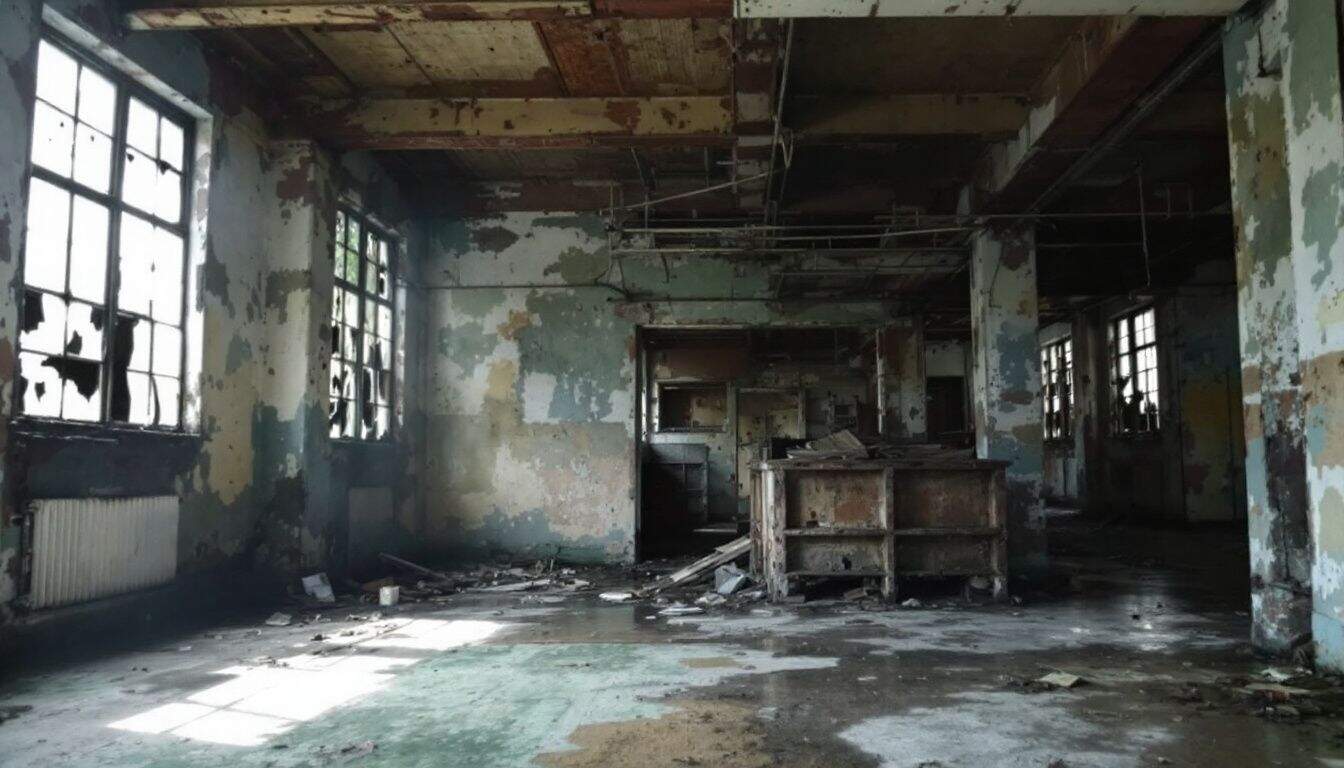
Why Asbestos Contractor Insurance Matters More Than You Think
When asbestos is discovered during a property claim, everything changes. Costs escalate, timelines stretch, and insurers, loss adjusters, and contractors all need to understand exactly where liability sits. At the heart of this process is asbestos contractor insurance — and knowing how it intersects with asbestos surveys can be the difference between a smooth claim and a costly dispute.
Asbestos is present in a significant proportion of UK buildings constructed before 2000. Its discovery mid-claim can reshape policy terms, exclusions, and settlement values overnight. Whether you manage a commercial property, handle insurance claims professionally, or are commissioning work on an older building, understanding how asbestos surveys feed into the insurance process is essential.
What Is Asbestos Contractor Insurance and Why Does It Exist?
Asbestos contractor insurance is specialist coverage designed to protect contractors, surveyors, and removal professionals who work with or around asbestos-containing materials (ACMs). Standard public liability or employers’ liability policies often exclude asbestos-related work entirely, which means professionals operating without the right cover are exposed to significant financial and legal risk.
For insurers and property owners, this matters enormously. If a contractor carries out asbestos removal or disturbance work without appropriate insurance, any resulting liability — whether from worker exposure, contamination, or third-party claims — can fall back on the building owner or their insurer.
Who Needs Asbestos Contractor Insurance?
The list of professionals who should hold or verify asbestos contractor insurance is broader than many people assume:
- Licensed asbestos removal contractors handling notifiable work reportable to the HSE
- Non-licensed contractors who may disturb ACMs incidentally during maintenance or refurbishment
- Asbestos surveyors and consultants conducting management or refurbishment surveys
- Building contractors working on pre-2000 properties where asbestos may be present
- Loss adjusters and environmental consultants involved in asbestos-related claims
Any professional touching asbestos — even in an advisory capacity — should verify their insurance position before work begins. This is not optional; it is a basic requirement of operating responsibly in this sector.
The Role of an Asbestos Survey in the Insurance Claim Process
An asbestos survey is often the trigger that brings asbestos contractor insurance into sharp focus. When a property suffers damage — fire, flood, structural failure — insurers need to know whether ACMs have been disturbed, exposed, or spread. A professional survey provides the documented evidence that drives every subsequent decision.
Insurers and loss adjusters use survey reports to assess the true scope of a claim. Without one, they are working blind. With one, they can calculate remediation costs, apply relevant policy exclusions, and ensure that any contractor brought in to carry out removal or encapsulation holds the right asbestos contractor insurance.
Management Surveys vs Refurbishment Surveys in Claims
Not all asbestos surveys serve the same purpose in a claims context. A management survey identifies the location and condition of ACMs in a building during normal occupation — useful for ongoing risk management, but limited when significant damage has occurred.
When a property has been damaged or is due for major remediation work, a refurbishment survey is typically required. This more intrusive inspection accesses areas that a management survey would not disturb, giving insurers and contractors a complete picture of what they are dealing with before any work begins.
Instructing the correct survey type from the outset avoids costly surprises mid-project and ensures that contractors can price and insure their work accurately.
How Asbestos Surveys Affect Insurance Coverage and Policy Terms
The findings of an asbestos survey can directly alter the terms of an insurance policy. Insurers routinely apply exclusions to properties where ACMs are present, particularly if those materials are in poor condition or have already been disturbed. Understanding this dynamic is critical for property owners and their brokers.
Policy Exclusions and Asbestos
Most standard property insurance policies contain asbestos exclusion clauses. These typically exclude cover for the cost of asbestos removal, remediation, or any damage caused by the disturbance of ACMs. If a claim arises from a fire and asbestos is found to have been spread as a result, the insurer may limit or deny cover for the remediation element entirely.
This is where asbestos contractor insurance held by the professionals carrying out the work becomes critical. If the removal contractor is properly insured, liability for any further contamination or worker exposure shifts to that contractor’s policy rather than the building owner’s.
How Survey Reports Influence Claim Valuations
A detailed asbestos survey report gives loss adjusters the data they need to value a claim accurately. This includes:
- The type and condition of ACMs present
- The extent of any disturbance or spread caused by the insured event
- The estimated cost of licensed removal or encapsulation
- Any regulatory notifications required before remediation can begin
- The health and safety risk to occupants and workers on site
Without this information, adjusters risk either undervaluing a claim — leaving the property owner out of pocket — or overvaluing it, which drives up costs for insurers unnecessarily. Accurate asbestos testing underpins every reliable survey report and gives all parties confidence in the figures being used.
Legal and Regulatory Compliance: What Contractors and Insurers Must Know
The legal framework governing asbestos work in the UK is detailed and non-negotiable. The Control of Asbestos Regulations requires that all work involving ACMs is properly planned, managed, and carried out by competent personnel. Licensed asbestos work — which includes the removal of most sprayed coatings, lagging, and asbestos insulating board — must be notified to the Health and Safety Executive at least 14 days before work commences.
Non-compliance carries serious consequences. Fines and, in the most serious cases, imprisonment are possible outcomes for those who fail to meet their obligations. For insurers, funding remediation work carried out by an unlicensed or uninsured contractor creates significant liability exposure.
HSE Guidance and the Role of HSG264
The HSE’s guidance document HSG264 sets out the standards that asbestos surveyors must follow. It covers survey methodologies, sampling procedures, and the qualifications required of those carrying out inspections. Insurers and loss adjusters should ensure that any survey commissioned in connection with a claim meets these standards — a survey that does not comply with HSG264 may not be accepted as reliable evidence by the HSE or in legal proceedings.
Surveyors operating to HSG264 standards will typically hold qualifications such as BOHS P402 or RSPH Level 3 Award in Asbestos Surveying, and samples should be analysed by UKAS-accredited laboratories. These credentials matter when asbestos contractor insurance claims are being scrutinised.
Notifiable Non-Licensed Work (NNLW)
Not all asbestos work requires a licence, but some non-licensed work is still notifiable to the HSE. Notifiable Non-Licensed Work (NNLW) must be recorded, health surveillance must be provided to workers, and the work must be notified to the relevant enforcing authority.
Contractors carrying out NNLW without the correct insurance and notification procedures in place are exposed to the same legal risks as those doing licensed work without authorisation. Assuming that non-licensed work falls outside the regulatory framework is a costly mistake.
Asbestos Removal: Costs, Contractors, and Insurance Implications
Professional asbestos removal is rarely cheap. Costs vary significantly depending on the volume and type of material, site accessibility, and the disposal requirements involved. In complex cases — particularly those arising from property damage — total remediation costs can run to tens of thousands of pounds.
This is precisely why asbestos contractor insurance exists. When a licensed removal contractor undertakes a project, their insurance provides protection against claims arising from:
- Accidental spread of asbestos fibres during removal
- Worker exposure and subsequent health claims
- Third-party contamination of adjacent properties
- Damage to the building or its contents during the removal process
- Legal costs arising from regulatory investigations
Property owners and their insurers should always verify that any contractor engaged for asbestos removal holds current, appropriate insurance before work begins. Requesting a copy of the contractor’s insurance certificate is standard practice and entirely reasonable.
Encapsulation as an Alternative to Removal
In some cases, removal is not the only option. Where ACMs are in good condition and are unlikely to be disturbed, encapsulation — sealing the material to prevent fibre release — may be a cost-effective and insurer-approved alternative. A qualified surveyor can advise on whether encapsulation is appropriate and what ongoing monitoring will be required.
Any encapsulation work should still be carried out by a contractor holding appropriate asbestos contractor insurance, and the outcome should be documented in an updated asbestos register for the property.
Challenges That Arise in Asbestos-Related Insurance Claims
Asbestos discoveries during the claims process introduce complications that can frustrate all parties involved. Understanding these challenges in advance helps property owners, insurers, and contractors manage expectations and plan accordingly.
Delays to Settlement
When asbestos is identified, claims cannot simply proceed as normal. A specialist survey must be commissioned, results analysed, and a remediation plan agreed before any reinstatement work can begin. The HSE’s 14-day notification requirement for licensed work adds further time to the process.
These delays are unavoidable if the work is to be done safely and legally. Attempting to shortcut the process — by using an uninsured contractor or skipping the notification requirement — creates far greater problems down the line.
Disputed Liability
In some claims, the question of who is responsible for the presence or disturbance of asbestos becomes contested. Was the ACM pre-existing and undisclosed? Was it disturbed by a contractor during earlier maintenance work? Did the insured event cause the disturbance, or was the material already compromised?
A thorough survey report, produced by a qualified surveyor to HSG264 standards, provides the objective evidence needed to resolve these disputes. Without it, liability arguments can drag on for months and become extremely expensive for all parties.
Underinsurance and Gaps in Cover
Many property owners do not realise that their standard buildings insurance may not cover asbestos-related remediation costs. Discovering this mid-claim is distressing and expensive. A proactive approach — commissioning an asbestos survey before a claim arises, and reviewing policy terms with a specialist broker — is far preferable to finding out when it is too late.
The same principle applies to contractors. A professional who believes their standard public liability policy covers asbestos work, only to find it explicitly excluded, faces personal financial exposure that could be catastrophic.
Best Practice for Insurers and Loss Adjusters Handling Asbestos Claims
For professionals on the insurance side of these transactions, a consistent approach to asbestos-related claims reduces risk and improves outcomes for all parties.
- Commission a survey early. As soon as asbestos is suspected or identified, instruct a qualified surveyor. Do not allow other reinstatement work to proceed until the asbestos position is clear.
- Verify contractor credentials. Before authorising any asbestos removal or encapsulation work, confirm that the contractor holds a current HSE licence (where required) and appropriate asbestos contractor insurance.
- Review survey reports against HSG264. Ensure that any survey used to support a claim meets the HSE’s published standards and has been carried out by a suitably qualified professional.
- Check UKAS accreditation for laboratory analysis. Samples taken during the survey should be analysed by a UKAS-accredited laboratory to ensure results are defensible.
- Document everything. Maintain a clear record of all survey reports, contractor insurance certificates, HSE notifications, and remediation decisions. This documentation is essential if the claim is ever disputed.
Asbestos Surveys Across the UK: Getting the Right Support
The need for professional asbestos surveys and properly insured contractors applies equally across the country. Whether you are dealing with a claim in the capital or further afield, the same regulatory standards and insurance requirements apply.
For those managing properties or claims in the capital, asbestos survey London services are available from qualified professionals who understand the specific challenges of urban commercial and residential stock. Similarly, those dealing with claims in the north-west can access specialist support through asbestos survey Manchester services, and those in the Midlands through asbestos survey Birmingham professionals.
Regardless of location, the key is instructing surveyors who are qualified to HSG264 standards, use UKAS-accredited laboratories for asbestos testing, and can produce reports that will stand up to scrutiny from insurers, loss adjusters, and the HSE alike.
Proactive Asbestos Management: The Best Way to Protect Your Position
The most effective way to manage the intersection of asbestos surveys and asbestos contractor insurance is to act before a claim arises. Property owners who commission regular surveys, maintain an up-to-date asbestos register, and only engage properly insured contractors are in a far stronger position when something goes wrong.
Reactive management — dealing with asbestos only when a problem forces the issue — consistently leads to higher costs, longer delays, and more complex insurance disputes. The investment in proactive surveying and properly structured contractor arrangements pays for itself many times over when a claim does occur.
If you are unsure about the asbestos position in a property you own or manage, the starting point is always a professional survey. From there, you can make informed decisions about remediation, contractor selection, and insurance cover — rather than being forced into expensive decisions under pressure.
Frequently Asked Questions
What is asbestos contractor insurance and is it legally required?
Asbestos contractor insurance is specialist insurance that covers professionals who work with or around asbestos-containing materials. While there is no single law that mandates a specific asbestos contractor insurance policy by name, contractors are legally required under the Control of Asbestos Regulations to ensure that all asbestos work is carried out safely and by competent personnel. Operating without appropriate insurance exposes contractors, building owners, and their insurers to significant financial and legal risk if something goes wrong.
Will my standard buildings insurance cover asbestos removal costs?
In most cases, no. Standard buildings insurance policies typically include asbestos exclusion clauses that exclude the cost of removal, remediation, or damage caused by the disturbance of ACMs. It is essential to review your policy wording carefully and speak to a specialist broker if you own or manage a pre-2000 property. Discovering the exclusion mid-claim is far more costly than addressing it in advance.
What type of asbestos survey is needed for an insurance claim?
The survey type depends on the circumstances of the claim. A management survey is suitable for properties in normal occupation where asbestos needs to be identified and monitored. Where a property has suffered damage — fire, flood, or structural failure — or where significant remediation work is planned, a refurbishment survey is typically required. This more intrusive inspection gives insurers and contractors the complete picture they need to assess the claim and plan remediation safely.
How do I verify that an asbestos contractor is properly insured?
Ask the contractor directly for a copy of their current insurance certificate before any work begins. You should also confirm whether the work they are undertaking requires an HSE licence — if it does, verify that their licence is current and in scope for the work planned. For licensed asbestos removal, contractors must notify the HSE at least 14 days before work starts. Any contractor who is reluctant to provide insurance documentation or evidence of their HSE licence should be treated with caution.
Can asbestos be left in place rather than removed?
Yes, in certain circumstances. Where ACMs are in good condition and are not at risk of disturbance, encapsulation — sealing the material to prevent fibre release — can be a legitimate and cost-effective alternative to removal. A qualified surveyor can assess whether encapsulation is appropriate and specify the ongoing monitoring required. Any encapsulation work should be carried out by a contractor holding appropriate asbestos contractor insurance, and the outcome must be recorded in the property’s asbestos register.
Get Expert Asbestos Survey Support from Supernova
Supernova Asbestos Surveys has completed over 50,000 surveys across the UK, working with property owners, insurers, loss adjusters, and contractors to provide the clear, reliable evidence that insurance claims and remediation projects depend on. Our surveyors are qualified to HSG264 standards, and all samples are analysed by UKAS-accredited laboratories.
Whether you need a management survey, a refurbishment survey ahead of remediation work, or specialist support on an active insurance claim, our team is ready to help. Call us on 020 4586 0680 or visit asbestos-surveys.org.uk to find out more or book a survey.