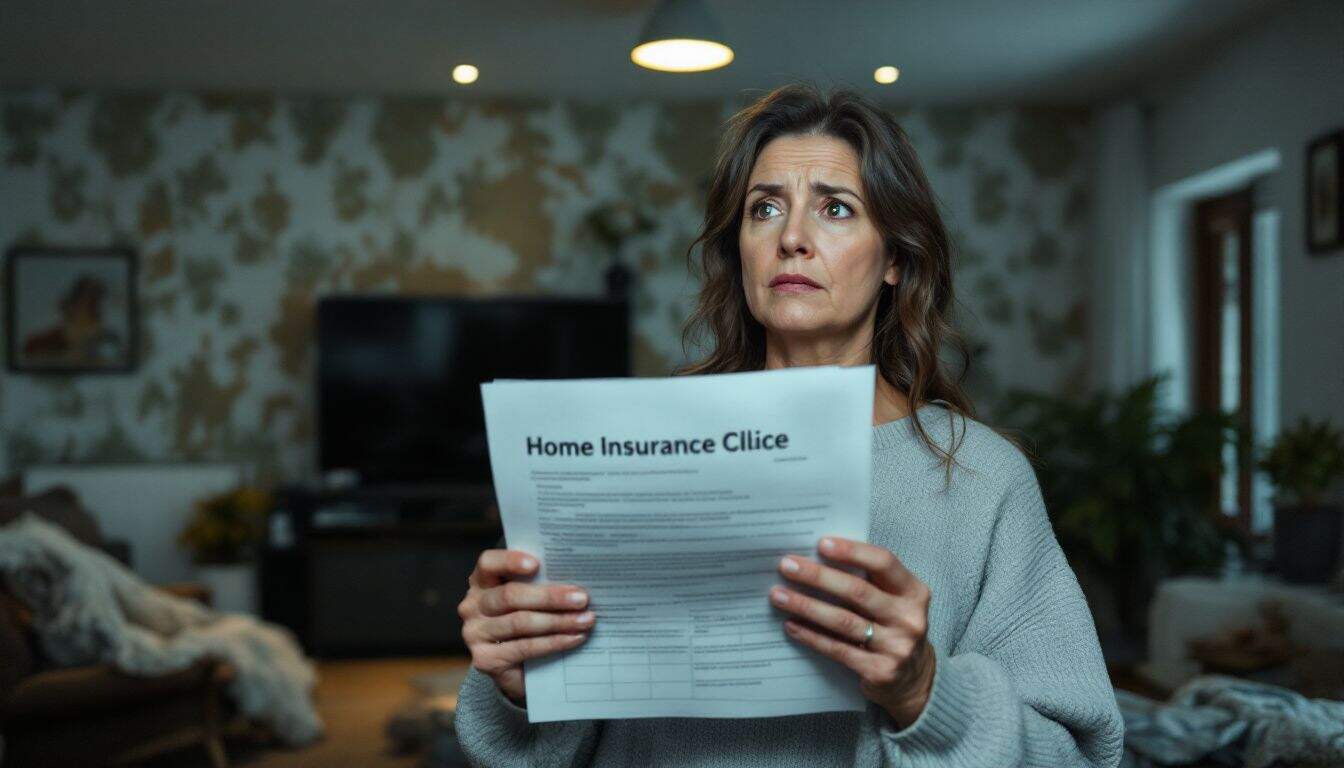
Is Asbestos Covered by Home Insurance? What UK Homeowners Need to Know
Finding asbestos in your home is stressful enough. Discovering that your insurance policy may not cover the costs of dealing with it makes things considerably worse. If you’re asking is asbestos covered by home insurance, the honest answer is: it depends — and the conditions matter enormously.
Most standard UK home insurance policies treat asbestos very differently from other types of property damage. Understanding where the lines are drawn could save you thousands of pounds and a great deal of frustration.
How a Positive Asbestos Report Affects Your Insurance Claim
When a survey returns a positive result for asbestos-containing materials (ACMs), insurers take notice. Loss adjusters will scrutinise the report carefully, and in many cases, the presence of asbestos becomes a reason to limit coverage or reject a claim outright.
This isn’t arbitrary. Insurers view asbestos as a long-term liability — one that affects property value, exposes them to future health-related claims, and complicates remediation costs. A positive report signals elevated risk, and policies are written to reflect that.
What Insurers Look for in an Asbestos Report
Insurers and their appointed loss adjusters will examine several factors when reviewing a positive asbestos report:
- Whether the ACMs are disturbed or undisturbed
- The type and condition of the asbestos identified
- Whether a licensed surveyor conducted the assessment
- Whether the asbestos was discovered as a direct result of a covered event, such as fire or storm damage
- The age of the property and the likelihood of widespread ACMs
A professional asbestos testing report from a licensed surveyor carries far more weight with insurers than an informal assessment. If you’re planning to make a claim, the quality of your documentation matters significantly.
Typical Insurance Policy Exclusions Related to Asbestos
The majority of standard home insurance policies include specific exclusions that limit or eliminate coverage for asbestos-related costs. These aren’t buried in the small print — they’re a standard feature of most UK policies.
Common Exclusions to Be Aware Of
- Routine maintenance and wear and tear: If asbestos materials deteriorate naturally over time, insurers will not cover the cost of removal or repair.
- Undisturbed ACMs: Asbestos that is intact and not posing an immediate risk is almost never covered under standard policies.
- Renovation discoveries: If you uncover asbestos during building works, most policies will not cover the subsequent removal costs.
- Environmental contamination: Policies routinely exclude claims arising from asbestos-related environmental contamination.
- Pre-existing conditions: If the insurer can demonstrate that asbestos was present before the policy was taken out and you failed to disclose it, your claim may be voided entirely.
Liability Exemptions for Asbestos-Related Damages
Many policies include explicit liability exemptions for asbestos-related injuries or illness. This means that if a contractor, visitor, or tenant suffers harm linked to asbestos in your property, your standard home insurance may not protect you.
This is a significant risk for landlords and property managers in particular. The costs of professional asbestos removal typically fall to the property owner unless the removal is directly linked to a covered event under the policy.
When Is Asbestos Covered by Home Insurance?
There are circumstances where insurers will contribute to asbestos removal costs — but the conditions are specific and must be clearly evidenced.
Fire Damage
If a fire damages part of your property and ACMs are disturbed or destroyed in the process, the resulting asbestos remediation may be covered as part of the wider fire damage claim. Burning ACMs release dangerous fibres, and insurers recognise that safe removal is necessary before repairs can proceed.
Storm Damage
If severe weather damages your roof or external structure and exposes asbestos materials, remediation costs may be included within a storm damage claim. The key factor is that the asbestos exposure must be a direct consequence of the insured event — not a pre-existing situation that the storm simply revealed.
Sudden and Accidental Damage
Some policies include coverage for sudden and accidental damage. If an unforeseen incident disturbs ACMs and creates an immediate health risk, there is a reasonable basis to include asbestos removal within that claim.
However, this requires clear evidence that the event was genuinely sudden and not the result of gradual deterioration. In all of these scenarios, thorough documentation is essential — including a professional assessment confirming the type and location of ACMs, evidence linking the disturbance to the insured event, and detailed quotes from licensed contractors.
The Challenges of Insuring a Property That Contains Asbestos
Even setting aside individual claims, owning a property with known asbestos creates ongoing insurance challenges. Asbestos was widely used in UK construction until it was banned in 1999, and a very large number of buildings constructed before that date still contain ACMs in some form.
Higher Premiums and Restricted Cover
Insurers may apply loading to premiums for properties where asbestos has been identified. This reflects the long-term liability they are taking on and the potential costs associated with future claims.
Policy restrictions are also common. Insurers may impose conditions requiring an asbestos management plan to be in place, mandatory surveys before any building work, or exclusions on specific parts of the property where ACMs are present.
Difficulty Securing Comprehensive Coverage
Some standard insurers will decline to offer coverage for older properties with confirmed asbestos, particularly if no management plan is in place. This can push property owners towards specialist insurers, who typically charge higher premiums and impose stricter terms.
If you own a property built before 1999 and have not had it surveyed, you may be carrying a risk you’re not even aware of. Having a professional management survey completed — and putting a management plan in place — can actually improve your insurability rather than harm it.
What to Check in Your Insurance Policy Regarding Asbestos
Before you make any claim involving asbestos, or before you renew your policy, it’s worth reviewing the specific wording your insurer uses. Policies vary significantly, and the details matter.
Key Clauses to Look For
- Any clause that excludes hazardous materials — asbestos is typically listed alongside lead and other contaminants
- Definitions of what constitutes a “sudden” or “accidental” event
- Requirements for licensed professionals to carry out any asbestos work before a claim will be considered
- Conditions around disclosure — whether you were required to declare known asbestos when taking out the policy
- Sub-limits on environmental clean-up or hazardous material removal
If the wording is unclear, ask your insurer directly — in writing — before you need to make a claim. Getting clarity early avoids disputes later.
Documentation Required for Asbestos-Related Insurance Claims
If you are making a claim that involves asbestos, you will need to provide thorough documentation. Insurers will not accept vague or informal evidence.
Expect to need:
- A professional asbestos survey report from a licensed surveyor
- Detailed removal or remediation quotes from licensed contractors
- Receipts and records for any asbestos work already completed
- Pre-visit risk assessment records confirming safety protocols were followed
- Evidence of the insured event that triggered the asbestos disturbance — for example, a fire brigade report or storm damage photographs
- Records of any asbestos management plan in place at the property
Thorough asbestos testing carried out before any incident gives you a baseline record that is invaluable when dealing with insurers. It demonstrates that you were managing the risk responsibly — and that carries real weight with loss adjusters.
Steps to Take if Your Asbestos Claim Is Denied
A denied claim is not necessarily the end of the road. Insurers make mistakes, and policy wording is sometimes interpreted incorrectly. If your claim has been rejected, here is how to approach it.
Review the Denial in Detail
Ask your insurer to provide the specific grounds for denial in writing. Cross-reference their reasoning against your policy wording. If they are citing an exclusion clause, check whether it genuinely applies to your circumstances.
Gather Supporting Evidence
Strengthen your position by assembling all relevant documentation. This includes your survey report, any correspondence with the insurer prior to the claim, evidence of the triggering event, and records showing that all work was carried out by licensed professionals in line with UK regulations.
Submit a Formal Appeal
Most insurers have a formal complaints or appeals process. Use it. Write clearly, reference specific policy clauses, and attach all supporting evidence. Keep copies of everything you send.
- Write a formal appeal letter referencing the specific clause used to deny your claim
- Include all supporting documentation — survey reports, quotes, receipts, and event evidence
- Request a review by a senior claims handler rather than the original assessor
- Set a clear deadline for a response — typically eight weeks under FCA guidelines
- If unresolved, escalate to the Financial Ombudsman Service
Seek Professional Assistance
Licensed asbestos surveyors can provide supporting statements and clarifications that carry weight with insurers and loss adjusters. A surveyor who can clearly explain the nature of the ACMs found, their condition, and the risk they pose can make a material difference to the outcome of a disputed claim.
The Role of Licensed Surveyors in Insurance Claims
Professional asbestos surveyors do far more than identify where asbestos is present. In the context of insurance claims, their reports serve as critical evidence that can determine whether a claim succeeds or fails.
Surveyors operating under HSG264 — the HSE’s technical guidance for asbestos surveys — produce reports that insurers and loss adjusters recognise as authoritative. A report that follows this framework, identifies ACMs clearly, assesses their condition, and recommends appropriate action gives your insurer far less room to dispute the findings.
Working with a licensed surveyor also ensures that any subsequent removal or management work meets the requirements of the Control of Asbestos Regulations, which is often a condition insurers impose before they will process a claim.
Supernova Asbestos Surveys provides professional surveys nationwide. If you need an asbestos survey London, our team covers the full metropolitan area. We also offer an asbestos survey Manchester service across Greater Manchester and surrounding areas, as well as an asbestos survey Birmingham service for properties across the West Midlands.
Practical Steps for Homeowners with Asbestos Concerns
If you own a property built before 1999 and have not yet had it assessed, the most sensible course of action is to get a professional survey completed now — before you need to make a claim.
Here is what responsible asbestos management looks like in practice:
- Commission a management survey to identify and assess any ACMs in your property
- Put an asbestos management plan in place — this documents the location, condition, and risk level of any ACMs and sets out what actions are required
- Disclose known asbestos to your insurer when renewing or taking out a policy — failure to disclose can invalidate your coverage
- Use licensed contractors for any work that may disturb ACMs — insurers will not cover work carried out by unlicensed individuals
- Keep all records — survey reports, management plans, contractor records, and correspondence with your insurer
- Review your policy annually — coverage terms change, and what was adequate last year may not be sufficient now
Taking these steps doesn’t just protect your health and the health of anyone in your property. It also puts you in a far stronger position if you ever need to make a claim where asbestos is a factor.
Is Asbestos Covered by Home Insurance? The Bottom Line
The question of whether asbestos is covered by home insurance doesn’t have a single, clean answer — because it depends on your policy wording, the circumstances of the claim, and the quality of your documentation.
What is clear is this: undisturbed, pre-existing asbestos is almost never covered. Asbestos disturbed by a covered event — such as fire or storm damage — may be covered, but only with robust evidence and the right professional reports behind you.
The homeowners and landlords who fare best in these situations are the ones who have already taken asbestos management seriously. They have survey records, management plans, and a clear paper trail. That preparation doesn’t just help with insurance — it’s also a legal and moral responsibility under the Control of Asbestos Regulations.
Frequently Asked Questions
Is asbestos covered by home insurance as standard?
No. Standard UK home insurance policies almost universally exclude asbestos-related costs unless the asbestos has been disturbed as a direct result of a covered event, such as fire or storm damage. Pre-existing, undisturbed ACMs are not covered, and failing to disclose known asbestos when taking out a policy can invalidate your coverage entirely.
What happens if asbestos is found during a home insurance claim?
If asbestos is discovered during the course of a claim — for example, after a fire or flood — the insurer will typically instruct a loss adjuster to assess the situation. The outcome depends on whether the ACMs were disturbed by the insured event, the quality of any existing survey records, and the specific exclusions in your policy. Having a professional survey report already in place significantly strengthens your position.
Do I need to tell my insurer if my home contains asbestos?
Yes. Most insurers require you to disclose material facts that affect the risk they are taking on, and the presence of asbestos is considered a material fact. Failing to disclose known asbestos could be treated as non-disclosure, which may allow the insurer to void your policy or reject a claim. Always inform your insurer in writing and keep a record of their response.
Will having an asbestos survey done affect my insurance premiums?
It can, but not always negatively. If a survey confirms the presence of ACMs, some insurers may apply a premium loading. However, having a survey completed and a management plan in place often demonstrates responsible ownership, which can work in your favour when negotiating coverage. Some specialist insurers may actually require a survey as a condition of offering a policy for older properties.
What should I do if my insurer rejects an asbestos-related claim?
Start by requesting the grounds for rejection in writing and cross-referencing them against your policy wording. Gather all supporting documentation — including your asbestos survey report, evidence of the triggering event, and records of any licensed contractor work. Submit a formal appeal through your insurer’s complaints process, and if the matter remains unresolved after eight weeks, escalate to the Financial Ombudsman Service.
Speak to Supernova Asbestos Surveys
If you’re concerned about asbestos in your property — whether you’re preparing for an insurance claim, renewing a policy, or simply unsure what’s in your building — Supernova Asbestos Surveys can help. With over 50,000 surveys completed nationwide, our licensed surveyors produce HSG264-compliant reports that insurers and loss adjusters recognise and respect.
Call us on 020 4586 0680 or visit asbestos-surveys.org.uk to book a survey or request a quote. Don’t wait until you need to make a claim — get the documentation in place now.