
One outdated asbestos survey can derail far more than a maintenance job. It can stop contractors at the door, delay a refit, create avoidable exposure risks, and leave a duty holder struggling to prove they have met their responsibilities under the Control of Asbestos Regulations.
The key issue is not whether an asbestos survey has a simple expiry date. It is whether the information is still accurate, easy to access, and suitable for the work planned in the building. If the report no longer reflects the property as it stands today, it may no longer be fit for purpose.
How often should an asbestos survey be carried out?
There is no universal rule saying every building needs a brand-new asbestos survey every year. What matters is whether the existing survey, asbestos register, and management information still match the building, its condition, and the work being done there.
For most non-domestic premises built before 2000, asbestos management is ongoing. HSE guidance and HSG264 make clear that the right survey, completed by a competent surveyor, is the starting point for safe occupation, maintenance, refurbishment, and demolition planning.
In practical terms, most duty holders need two things:
- An appropriate initial asbestos survey for the premises and how it is used
- Regular re-inspections of known or presumed asbestos-containing materials
If the building remains in normal use and asbestos-containing materials stay in the same condition, a survey report may remain relevant for years. That only works if the asbestos register is reviewed and updated whenever something changes.
If the premises are being altered, stripped out, or demolished, a different type of asbestos survey is needed before work starts. A management report is not enough for intrusive works, and that is where many compliance failures begin.
What determines whether an asbestos survey is still valid?
A survey does not become outdated just because time has passed. It becomes unreliable when the building, access, materials, or planned works have changed and the report no longer reflects reality.
Ask these questions before relying on any existing asbestos survey:
- Has the building layout changed since the survey was completed?
- Have ceilings, walls, floors, risers, or service areas been opened up?
- Were any areas inaccessible at the time of inspection?
- Has the condition of known materials worsened?
- Has the use of the building changed?
- Are contractors now planning more intrusive work than originally expected?
If the answer to any of these is yes, the existing asbestos survey may need to be reviewed, updated, or replaced. The safest approach is to match the survey type to the actual work being planned, not to rely on an old report because it is already on file.
When re-inspection matters more than a new survey
If asbestos-containing materials have already been identified and are being managed in place, regular re-inspection is usually the priority. Re-inspection checks whether those materials are still in good condition and whether the risk of disturbance has changed.
This is especially relevant in occupied premises where maintenance teams, contractors, or tenants may affect the condition of materials over time. Re-inspection should feed back into the asbestos register and management plan so the information stays current.
When a new asbestos survey is the right choice
A new asbestos survey is often needed when the original report is limited, unclear, missing key areas, or unsuitable for planned works. It is also the right move when you inherit a building and cannot rely on the records handed over.
Practical warning signs include:
- Missing plans or poor location descriptions
- Unclear sample results
- Large inaccessible areas with no follow-up
- Generic recommendations with little site detail
- A report that contractors cannot confidently use on site
How an asbestos survey works in practice
An asbestos survey is a structured inspection carried out to locate asbestos-containing materials, assess their condition, and record the likelihood of disturbance. The surveyor follows the methodology set out in HSG264, with the level of intrusion depending on the survey type.
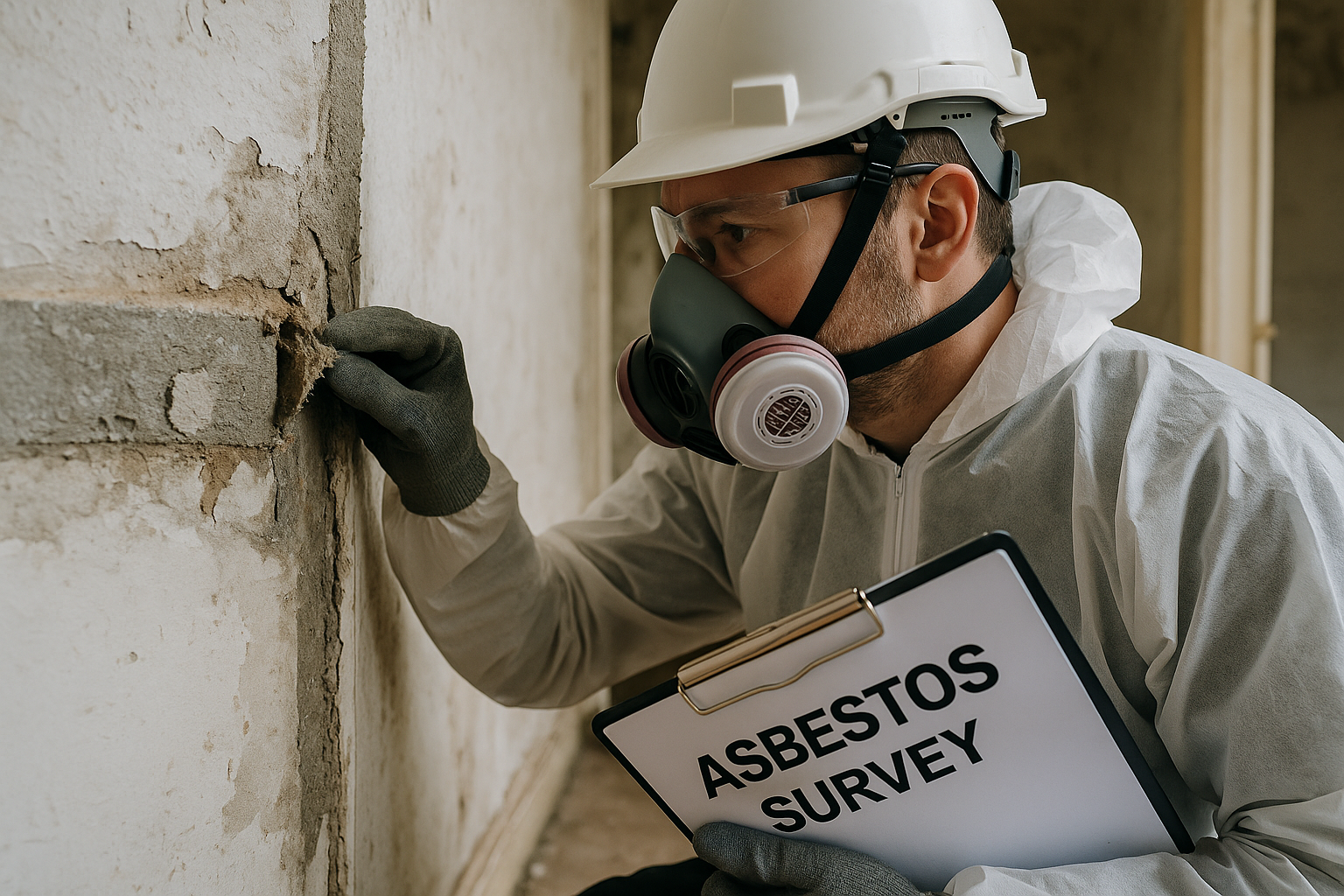
The process usually follows these steps:
- Define the scope
The surveyor confirms the building type, age, occupancy, access arrangements, and why the asbestos survey is being commissioned. - Inspect the premises
Suspect materials are identified visually. Their location, product type, extent, accessibility, surface treatment, and condition are recorded. - Take samples where appropriate
Small controlled samples may be collected from suspected asbestos-containing materials and prepared for laboratory testing. - Carry out analysis
Laboratory testing confirms whether asbestos is present and supports accurate decision-making. - Issue the report
The final asbestos survey report should include findings, photographs, sample results, material assessments, plans, and practical recommendations. - Update the asbestos register
The findings should feed directly into your asbestos management plan so staff and contractors are working from current information.
Where materials cannot be safely accessed or sampled, they may be presumed to contain asbestos and managed on that basis. That is often the safest short-term approach until further inspection is possible.
If you only need laboratory confirmation of a suspect material, Supernova can help with sample analysis under suitable arrangements.
The purpose of an asbestos survey
The purpose of an asbestos survey is straightforward: to provide reliable information about the presence, location, and condition of asbestos-containing materials. Without that information, routine property management becomes guesswork.
Asbestos was widely used in UK buildings and can still be found in many places, including:
- Ceiling tiles
- Insulation board
- Pipe lagging
- Textured coatings
- Floor tiles and adhesives
- Cement sheets and panels
- Service risers
- Plant rooms and boiler areas
The risk arises when these materials are damaged or disturbed. Everyday work that can trigger exposure includes electrical installation, plumbing repairs, HVAC maintenance, cabling, redecoration, minor fit-outs, and accessing ceiling or floor voids.
A suitable asbestos survey helps you:
- Protect staff, contractors, visitors, and occupants
- Support compliance with the duty to manage
- Avoid accidental disturbance during maintenance
- Plan remedial works before contractors arrive
- Keep the asbestos register accurate
- Reduce delays, disputes, and emergency call-outs
For a property manager, the value is practical. You can only manage asbestos properly if you know what is there, where it is, and what condition it is in.
Choosing the right asbestos survey for the job
Choosing the right asbestos survey matters. The wrong survey can create false reassurance and leave hidden asbestos directly in the path of planned works.
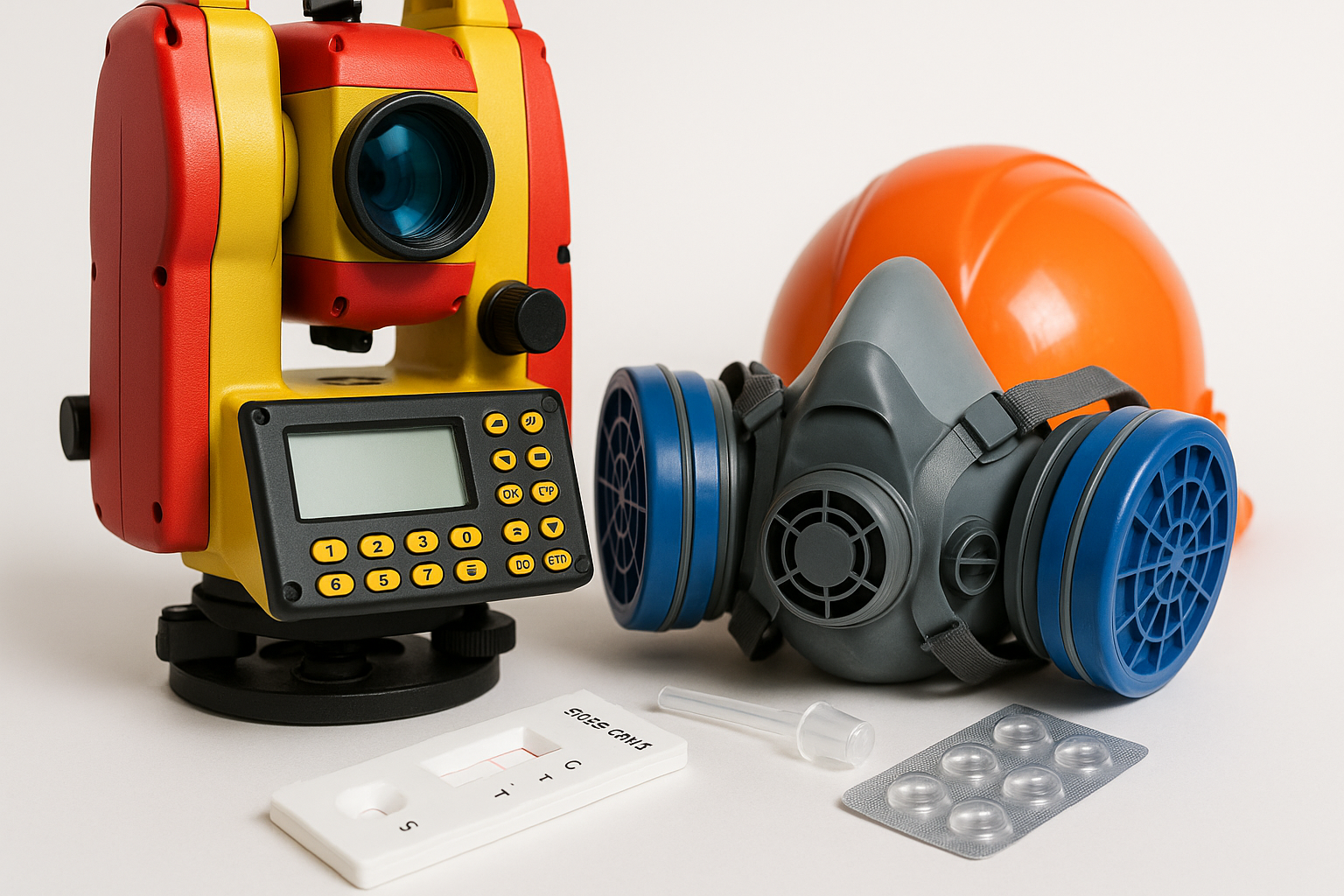
Management survey
A management survey is the standard asbestos survey for premises in normal occupation and use. It is designed to locate asbestos-containing materials that could be damaged or disturbed during routine occupancy, maintenance, or minor works.
This survey is usually non-intrusive to mildly intrusive. The aim is to minimise disruption while still identifying accessible suspect materials.
A management survey is usually appropriate when:
- You are taking over responsibility for an existing building
- You need an asbestos register for compliance purposes
- The premises are occupied
- No major structural work is planned
- You need to monitor the condition of known materials over time
Refurbishment survey
A refurbishment survey is required before refurbishment work that will disturb the fabric of the building. This asbestos survey is intrusive and focused on the specific area affected by the planned works.
Typical examples include removing walls, replacing ceilings, rewiring, altering plant, opening risers, or lifting floor build-ups. If the work breaks into the structure, a management survey is not enough.
Demolition survey
A demolition survey is required before a building, or part of it, is demolished. This is a fully intrusive asbestos survey intended to identify all asbestos-containing materials in the relevant area, including those hidden within the structure.
Because destructive inspection is necessary, the area is usually vacant. The purpose is to identify asbestos before demolition starts so it can be managed or removed safely.
When should you arrange an asbestos survey?
Arranging an asbestos survey should be treated as an operational control, not an administrative afterthought. If you wait until contractors are already booked, you risk disruption, additional cost, and unsafe decisions on site.
You should arrange an asbestos survey when:
- You take responsibility for a non-domestic building built before 2000
- You do not have a reliable asbestos register
- The existing report is old, unclear, or limited
- Areas were previously inaccessible
- Materials have been damaged or deteriorated
- The building use has changed
- Refurbishment or demolition is planned
Practical steps before booking
Good preparation helps the surveyor recommend the right scope and reduces the chance of paying for the wrong survey.
- Confirm why you need the asbestos survey
- Identify the exact areas to be inspected
- Gather existing reports, plans, and asbestos records
- List any access restrictions or occupancy issues
- Tell the surveyor what work is planned and when
If only part of a building is affected, say so clearly. A targeted refurbishment or demolition survey can be more efficient than surveying areas that will not be disturbed.
What happens if asbestos is found?
Finding asbestos does not automatically mean it must be removed. Some materials can remain in place and be managed safely if they are in good condition and unlikely to be disturbed.
The right response depends on the material, its condition, its location, and the work planned nearby. In many occupied buildings, the safest option is controlled management with clear records, labelling where appropriate, and regular re-inspection.
When management in place may be suitable
- The material is in good condition
- It is sealed or protected
- It is unlikely to be disturbed during normal use
- The asbestos register is accurate and accessible
- Contractors are informed before starting work
When removal may be needed
- The material is damaged or deteriorating
- It will be disturbed during planned works
- It is in a vulnerable location
- Its condition cannot be reliably managed over time
Where removal is required before work proceeds, arrange competent asbestos removal and make sure the scope matches the survey findings.
Sampling and analysis of asbestos materials
Sampling and analysis are a core part of many asbestos survey projects. Visual inspection can identify suspect products, but laboratory testing is often needed to confirm whether asbestos is present.
During an asbestos survey, small samples may be taken from materials such as:
- Insulation board
- Textured coatings
- Floor tiles and adhesives
- Cement sheets and panels
- Pipe lagging
- Ceiling tiles
- Bitumen products
These samples are sealed, labelled, and sent for analysis. The results should then be included in, or clearly referenced by, the survey report.
Keep these practical points in mind:
- Do not break, drill, or scrape suspect materials yourself unless proper controls are in place
- Keep contractors away from unconfirmed suspect materials until results are known
- Check that sample results match the exact locations described in the report
- Make sure presumed asbestos materials remain on the register if they were not sampled
Accurate sampling helps you decide whether a material can stay in place under management or whether removal is needed before work begins.
How to check whether your asbestos survey report is reliable
A poor asbestos survey report can be more dangerous than no report at all because it gives false confidence. Before relying on it, review the document as if a contractor will need to use it tomorrow.
A good asbestos survey report should include:
- The survey scope and purpose
- Property details and areas inspected
- Any limitations, exclusions, or access issues
- A schedule of asbestos-containing or presumed materials
- Material assessments and condition notes
- Photographs
- Marked-up plans or clear location references
- Sample results from analysis
- Recommendations for management, re-inspection, or removal
How to review it in practice
- Read the limitations carefully
If roof voids, risers, ducts, basements, or plant areas were not accessed, the report may not be suitable for planned works. - Compare the report to the building layout
Room names, floor plans, and access points should match what is actually on site. - Check sample references
The sample certificates should correspond with the materials and locations listed in the survey schedule. - Look for vague descriptions
Entries such as “board in cupboard” are not enough. The location should be specific enough for a contractor to find it without guesswork. - Review whether the findings make sense
If a building of the relevant age has very few findings and very limited sampling, that may justify further questions.
If you cannot confidently hand the asbestos survey to a contractor and explain what it means for the job, it is time to review or replace it.
Buildings and sectors that rely on an asbestos survey
Asbestos risk is not limited to one sector. An asbestos survey is relevant across a wide range of industries and property types where older buildings remain in use.
Common examples include:
- Commercial offices
- Retail premises
- Industrial units and warehouses
- Schools, colleges, and universities
- Healthcare premises
- Hospitality and leisure sites
- Local authority buildings
- Housing blocks and mixed-use developments
Each setting creates different patterns of access, maintenance, and contractor activity. That is why the survey scope should reflect how the building is actually used rather than relying on a generic template.
If you manage premises in the capital, Supernova can help with an asbestos survey London service. We also support clients needing an asbestos survey Manchester or an asbestos survey Birmingham service.
Keeping asbestos records practical and usable
Property managers rarely have time to dig through long technical files when urgent work is booked. Your asbestos information needs to be easy to find, easy to understand, and easy to share with the right people.
Keep these records together where possible:
- Current asbestos survey report
- Asbestos register
- Management plan
- Re-inspection records
- Sampling and analysis certificates
- Removal records and clearance paperwork where relevant
- Plans, photographs, and access notes
Before any contractor starts work, make sure they have the relevant asbestos information for the exact area they will enter. Sending a full report without highlighting the affected locations is often not enough.
A simple site process works well:
- Check the planned work area
- Review the asbestos register for that location
- Confirm whether the existing survey is suitable
- Arrange further survey work if the scope is intrusive or unclear
- Record that the contractor has seen the relevant information
This approach reduces confusion and helps show that asbestos management is active rather than purely administrative.
Common mistakes to avoid
Many asbestos problems are caused by process failures rather than by the material itself. A few common mistakes appear again and again in occupied buildings and project work.
- Relying on a management survey before intrusive refurbishment
- Assuming an old report is still accurate without checking changes on site
- Failing to update the asbestos register after damage, removal, or new findings
- Letting contractors start work before they have seen the relevant information
- Ignoring inaccessible areas that may need follow-up inspection
- Treating asbestos records as paperwork rather than site controls
The practical fix is simple: match the survey to the work, keep records current, and make sure information reaches the people who need it before work starts.
Frequently Asked Questions
Does an asbestos survey expire after a set period?
No. An asbestos survey does not have a universal expiry date. It remains useful only while the information is accurate, the building has not changed in a way that affects the findings, and the report is suitable for the work being planned.
How often should asbestos-containing materials be re-inspected?
Re-inspection frequency depends on the material, its condition, its location, and the likelihood of disturbance. The key point is that known or presumed asbestos-containing materials should be reviewed regularly as part of active asbestos management.
Is a management survey enough before refurbishment work?
No, not if the work will disturb the fabric of the building. Intrusive work usually requires a refurbishment survey for the specific area affected.
Do all asbestos materials need to be removed?
No. If asbestos-containing materials are in good condition and unlikely to be disturbed, they can often remain in place and be managed safely. Removal is usually considered when materials are damaged, deteriorating, or likely to be disturbed during planned works.
What should I do if I do not trust an old asbestos survey report?
Review the limitations, compare the report to the building as it stands today, and check whether it matches the planned work. If it is unclear, incomplete, or unsuitable, arrange a new asbestos survey before contractors begin.
Need an asbestos survey you can rely on?
If you need a clear, practical asbestos survey for an occupied building, planned refurbishment, or demolition project, Supernova Asbestos Surveys can help. We carry out management, refurbishment, and demolition surveys nationwide, with clear reporting that supports real-world property management.
Call 020 4586 0680 or visit asbestos-surveys.org.uk to book a survey or discuss the right scope for your property.