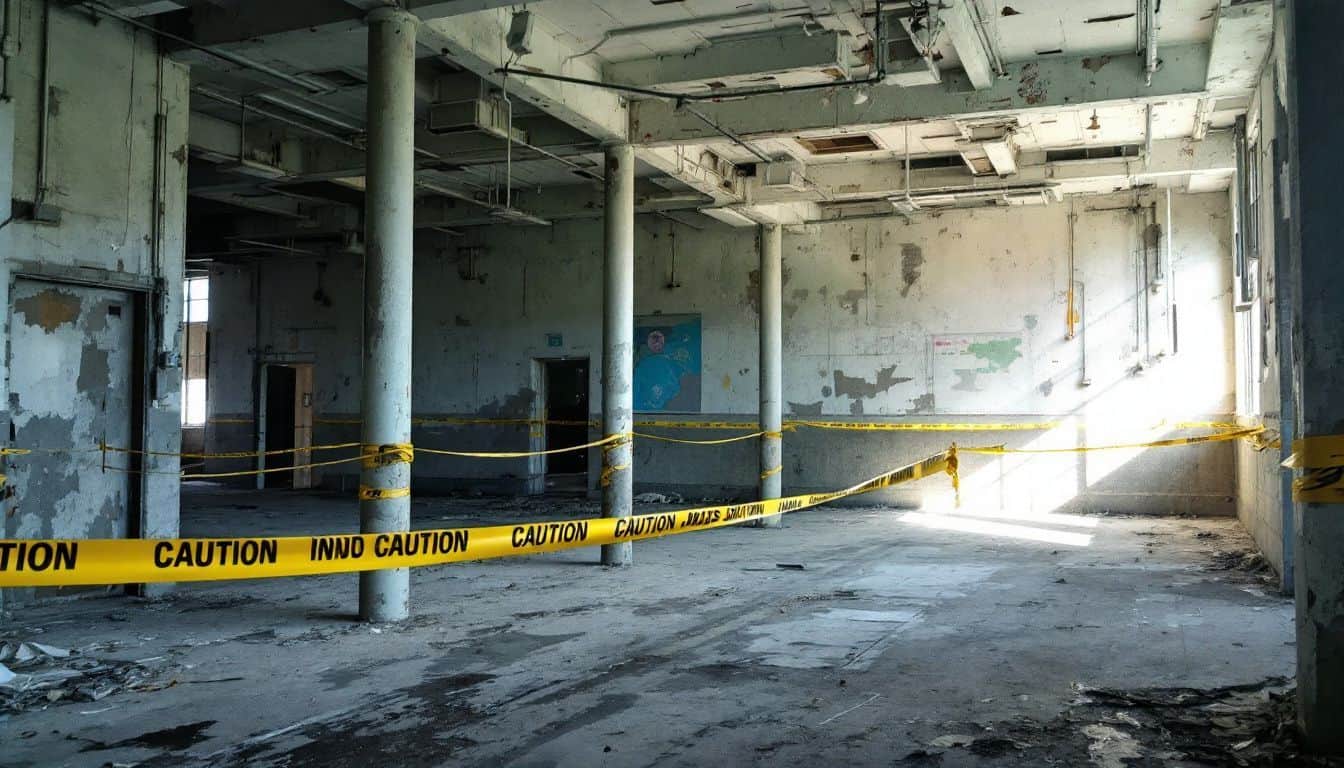
What Happens During an Asbestos Assessment — and Why It Matters
Asbestos remains one of the most serious public health hazards in the UK. Hundreds of thousands of buildings constructed before 2000 still contain asbestos-containing materials (ACMs), and without a proper asbestos assessment, those materials can go undetected until someone disturbs them — at which point the risk becomes immediate and very real.
Whether you manage a commercial property, own a pre-2000 residential building, or are planning refurbishment work, understanding what an asbestos assessment involves is both a legal obligation and a practical necessity. This post walks you through every stage of the process, from initial planning through to what happens after the report lands on your desk.
Why an Asbestos Assessment Is a Legal Requirement
Under the Control of Asbestos Regulations, duty holders of non-domestic premises are legally obliged to manage the risk from asbestos. That means identifying whether ACMs are present, assessing their condition, and putting a management plan in place.
Failure to comply is not a technicality. It can result in prosecution, unlimited fines, and — most critically — preventable deaths. Asbestos-related diseases, including mesothelioma and asbestosis, continue to claim thousands of lives in the UK every year.
The HSE is unequivocal: if you are responsible for maintaining or repairing a building, you have a duty to manage asbestos. An asbestos assessment is the starting point for fulfilling that duty. Without one, you are operating blind.
Where Asbestos Hides in Buildings
Many property managers are surprised by how widely asbestos was used in construction. It was cheap, durable, and fire-resistant — which made it enormously popular across the building industry for decades. The problem is that it does not look dangerous. Many ACMs appear completely ordinary, which is exactly why professional assessment is essential.
Common locations where ACMs are found include:
- Ceiling tiles and textured coatings such as Artex
- Floor tiles and the adhesive beneath them
- Pipe lagging and boiler insulation
- Roof sheets and guttering, particularly corrugated cement
- Partition walls and ceiling boards
- Spray-applied coatings on structural steelwork
- Soffit boards and fascias
- Electrical cable insulation and fuse boxes
None of these materials announce themselves. A professional asbestos assessment removes the guesswork entirely.
The Key Stages of a Professional Asbestos Assessment
A thorough asbestos assessment follows a structured process. Each stage serves a specific purpose, and skipping any one of them compromises the reliability of the whole exercise.
Stage 1: Pre-Survey Planning
Before a surveyor sets foot in your building, preparation matters. The surveyor will review any existing information about the property — previous surveys, building plans, construction dates, and records of past refurbishment works.
This background research helps identify where ACMs are most likely to be found and which type of survey is most appropriate. A management survey is the standard assessment for occupied buildings. A demolition survey is required before any intrusive or structural work takes place.
Stage 2: Building Inspection and Risk Assessment
The surveyor carries out a systematic walkthrough of the building, inspecting all accessible areas. This includes common parts, plant rooms, roof spaces, basements, and service areas — anywhere ACMs might reasonably be present.
During this stage, the surveyor assesses:
- The type of material and its likely asbestos content
- The location and extent of each suspected ACM
- The condition of the material — intact, damaged, or deteriorating
- The likelihood of disturbance based on accessibility and building use
This risk-based approach is central to HSG264 guidance, which sets the standard for asbestos surveys across the UK. The surveyor is not simply cataloguing materials — they are assessing the actual risk each one poses in its current state and location.
Stage 3: Safe Sample Collection
Where materials are suspected to contain asbestos, the surveyor takes physical samples for laboratory analysis. This is done carefully and methodically to prevent fibre release into the air.
The process involves:
- Isolating the immediate work area and displaying warning signage
- Wearing appropriate PPE — including a suitable respirator, disposable coveralls, gloves, and eye protection
- Using damp suppression techniques to minimise fibre release during sampling
- Collecting a small but representative sample using appropriate tools
- Sealing the sample immediately in a labelled, airtight container
- Repairing the sampled area to prevent any ongoing fibre release
- Decontaminating equipment and the immediate area after sampling
Every sample is clearly labelled with its location, material type, and date of collection. This chain of evidence is critical for accurate reporting and legal defensibility.
Stage 4: Laboratory Analysis
Samples are sent to a UKAS-accredited laboratory for analysis. Analysts use polarised light microscopy (PLM) or transmission electron microscopy (TEM) to identify the type and concentration of asbestos fibres present.
This is not a stage that can be shortcut. Only accredited laboratory analysis provides the legally defensible confirmation needed to classify a material as an ACM. Results are typically returned within a few working days, though expedited analysis is available when urgency demands it.
Stage 5: The Survey Report and Asbestos Register
Once laboratory results are received, the surveyor compiles a detailed survey report. This document forms the foundation of your asbestos management obligations and should include:
- A full list of all identified and presumed ACMs
- The location, extent, and condition of each material
- A risk priority rating for each ACM
- Photographic evidence and floor plan markings
- Recommendations for management, remediation, or removal
- An asbestos register for ongoing use by the duty holder
The asbestos register is a live document. It must be kept up to date, made available to contractors before any work begins, and reviewed whenever the building’s use or condition changes.
PPE and Safety Protocols During an Asbestos Assessment
The safety of the surveyor — and everyone else in the building — depends on rigorous adherence to PPE and contamination control protocols throughout the assessment. These are not optional extras; they are the minimum standard required under the Control of Asbestos Regulations and HSE guidance.
Surveyors working in areas where asbestos disturbance is possible will wear:
- A half-face or full-face respirator with a P3 filter, or a powered air-purifying respirator for higher-risk environments
- Disposable Type 5 coveralls to prevent fibre contamination of clothing
- Nitrile gloves and overshoes
- Eye protection where appropriate
After completing work in a potentially contaminated area, surveyors follow a structured decontamination procedure — removing and bagging disposable PPE, using a HEPA-filtered vacuum on reusable equipment, and washing down before leaving the area.
If you ever observe a surveyor or contractor skipping these steps, that is a serious red flag. Proper protocol protects not just the operative, but everyone else in the building.
Asbestos Waste Disposal — Getting It Right
Any asbestos-containing waste generated during a survey — including used PPE, sampling materials, and any disturbed ACMs — must be handled and disposed of in accordance with strict regulations. Asbestos waste is classified as hazardous waste in the UK, and the rules are clear:
- Waste must be double-bagged in red asbestos waste sacks and clearly labelled
- It must be transported by a licensed carrier with the appropriate waste carrier registration
- It must be taken to a licensed hazardous waste disposal site
- A waste consignment note must be completed and retained
Improper disposal of asbestos waste is a criminal offence. Reputable surveyors and contractors follow this process without exception. If you are ever uncertain about how waste is being handled during work on your property, ask for documentation — a credible contractor will provide it without hesitation.
What Happens After the Asbestos Assessment
Receiving your survey report is not the end of the process — it is the beginning of active asbestos management. The report tells you what is present and what risk it poses. What you do next depends on those findings.
Managing ACMs in Situ
Not all ACMs need to be removed immediately. If a material is in good condition, is unlikely to be disturbed, and poses a low risk, it is often safer to leave it in place and monitor it. Your asbestos management plan should document this decision and set out a schedule for regular re-inspection.
Non-domestic buildings should typically have their asbestos register reviewed at least every 12 months, or sooner if there has been any damage, disturbance, or change in building use.
Remediation and Removal
Where ACMs are in poor condition, at high risk of disturbance, or located in areas scheduled for refurbishment, remediation or removal will be recommended. This work must be carried out by a licensed contractor for most types of asbestos, and the area must be thoroughly air-tested before reoccupation.
If your survey identifies materials that require removal, it is essential to engage a specialist. You can find out more about asbestos removal services and what the process involves on our website.
Informing Contractors
Before any maintenance, refurbishment, or construction work begins on your property, contractors must be given access to the asbestos register and survey report. This is a legal requirement under the Control of Asbestos Regulations and a critical safety measure.
Tradespeople who unknowingly drill into or cut through ACMs are at serious risk — and so is anyone else in the vicinity. Sharing the register is not a bureaucratic exercise; it is a potentially life-saving one.
Asbestos Assessments Across the UK — We Cover the Whole Country
Supernova Asbestos Surveys operates nationwide, with experienced surveyors available across England, Scotland, Wales, and Northern Ireland. Our teams are ready to mobilise quickly, and all surveys are carried out by qualified surveyors holding the relevant P402 certification, with reports produced in line with HSG264 guidance.
For clients in the capital, our team delivers a dedicated asbestos survey London service covering commercial, residential, and industrial properties across all boroughs.
In the North West, we provide a specialist asbestos survey Manchester service covering Greater Manchester and the surrounding areas, working with property managers, housing associations, and private clients alike.
Across the Midlands, our asbestos survey Birmingham service supports local authorities, commercial landlords, and residential property owners throughout the region.
Wherever your property is located, Supernova has the expertise and coverage to deliver a thorough, reliable asbestos assessment — quickly and without disruption to your operations.
Ready to Book Your Asbestos Assessment?
With over 50,000 surveys completed nationwide, Supernova Asbestos Surveys is the UK’s most trusted name in asbestos management. Whether you need a routine management survey, a pre-demolition assessment, or urgent sampling work, our team is ready to help.
Call us on 020 4586 0680 or visit asbestos-surveys.org.uk to request a quote or speak to a qualified surveyor today.
Frequently Asked Questions
What is the difference between a management survey and a refurbishment and demolition survey?
A management survey is the standard asbestos assessment for occupied buildings. It identifies ACMs that could be disturbed during normal use and maintenance activities. A refurbishment and demolition survey is more intrusive and is required before any significant building work takes place — it aims to locate all ACMs in the affected areas, including those concealed within the building fabric.
How long does an asbestos assessment take?
The duration depends on the size and complexity of the building. A small commercial property might take two to three hours, while a large industrial site or multi-storey building could take a full day or more. Laboratory results typically take two to five working days, after which the final report is compiled and issued.
Do I need an asbestos assessment for a residential property?
The legal duty to manage asbestos applies specifically to non-domestic premises. However, if you own or are purchasing a pre-2000 residential property — particularly if you are planning renovation work — an asbestos assessment is strongly advisable. Disturbing ACMs without knowing they are present puts occupants, tradespeople, and neighbours at risk.
How often should an asbestos assessment be reviewed?
The asbestos register for a non-domestic building should be reviewed at least annually. A full re-survey may be necessary if there has been significant disturbance, damage, or a change of use. Any time contractors are due to carry out work on the building, the register must be reviewed and shared with them before work begins.
What qualifications should an asbestos surveyor hold?
Asbestos surveyors in the UK should hold a P402 qualification as a minimum, which demonstrates competence in asbestos surveying and the preparation of asbestos registers. The surveying company should also be accredited by UKAS under ISO 17020 for inspection activities. Always ask for evidence of qualifications and accreditation before commissioning any asbestos assessment work.