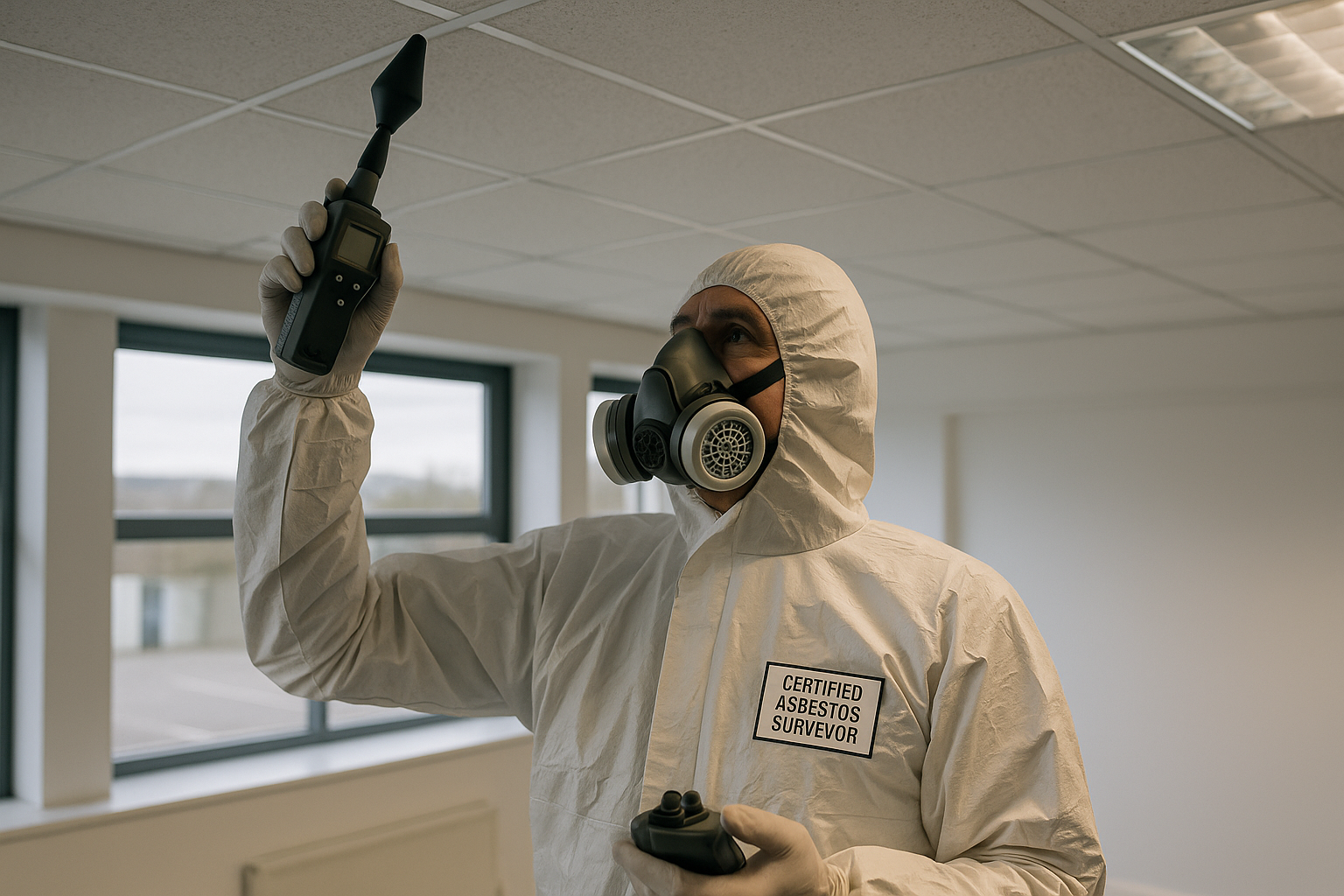
One broken sheet, one drilled panel or one scraped ceiling can turn a routine maintenance job into a contamination incident. Chrysotile asbestos removal is never a matter of grabbing a mask, opening a window and hoping for the best. In UK buildings, white asbestos still appears in everyday materials, and once fibres are released they can spread through work areas, communal spaces, vehicles and clothing far more easily than most people expect.
For landlords, property managers, schools, developers and dutyholders, the real question is not whether asbestos can be removed without professional equipment. It is whether the work can be carried out lawfully, safely and with proper controls under the Control of Asbestos Regulations, HSG264 and current HSE guidance. That starts with knowing what chrysotile is, where it is found, how it gets into the environment, when management is enough and when removal is the right call.
Overview: what chrysotile asbestos removal actually means
Chrysotile, often called white asbestos, is the type most commonly found in UK properties. It was used widely because it was flexible, durable, heat resistant and easy to add to other products.
That history is exactly why chrysotile asbestos removal still comes up during repairs, refurbishments, strip-outs and demolition projects. The material may be hidden in plain sight, tucked behind finishes or mixed into products that do not immediately look hazardous.
There is still a persistent myth that white asbestos is somehow the safe form of asbestos. It is not. If fibres are released and inhaled, chrysotile can present a serious health risk, which is why any decision to disturb, repair, encapsulate or remove it must be based on evidence rather than guesswork.
In practice, chrysotile asbestos removal means more than taking material out of a building. It usually involves:
- Identifying whether asbestos is present
- Confirming the type, extent and condition of the material
- Assessing the likelihood of disturbance and fibre release
- Deciding whether management, encapsulation or removal is most appropriate
- Preparing a suitable risk assessment and method statement
- Using the right controls, equipment and trained personnel
- Packaging, transporting and disposing of waste correctly
- Keeping records for dutyholders and contractors
In many cases, the first question should be simple: does this asbestos-containing material need to be removed at all? If it is in good condition and unlikely to be disturbed, active asbestos management may be safer and more proportionate than immediate removal. If it is damaged, exposed, friable or in the way of planned works, removal may be the practical route.
Uses of asbestos: where chrysotile is commonly found
Chrysotile was used across domestic, commercial and industrial buildings for decades. Because it was mixed into so many products, it can still appear in both obvious and unexpected places.
Typical uses of asbestos containing chrysotile include:
- Asbestos cement roofing sheets and wall cladding
- Soffits, gutters, downpipes and rainwater goods
- Textured coatings on ceilings and walls
- Vinyl floor tiles and bitumen adhesives
- Gaskets, rope seals and packing materials
- Panels, linings and partition boards
- Service risers, boxing and plant room materials
- Some older insulation products and backing materials
- Fuse boards and electrical flash guards in some settings
- Garage roofs, sheds and outbuildings
The product matters because the risk profile changes with the material. Chrysotile tightly bound into cement is generally lower risk than chrysotile in a damaged, more friable product. That does not mean lower risk materials are harmless. It means the removal method, control measures and legal classification of the work may differ.
Assumptions are where problems begin. A ceiling coating may look minor but still need proper assessment. A cracked cement sheet may seem manageable until it breaks further during handling. A floor tile job can become a contamination issue if the adhesive beneath it also contains asbestos and is disturbed with the wrong tools.
How asbestos gets into the environment
Asbestos does not need a dramatic event to become an environmental problem. Fibres can be released by low-level disturbance, poor maintenance, weathering, accidental damage or badly planned removal work.
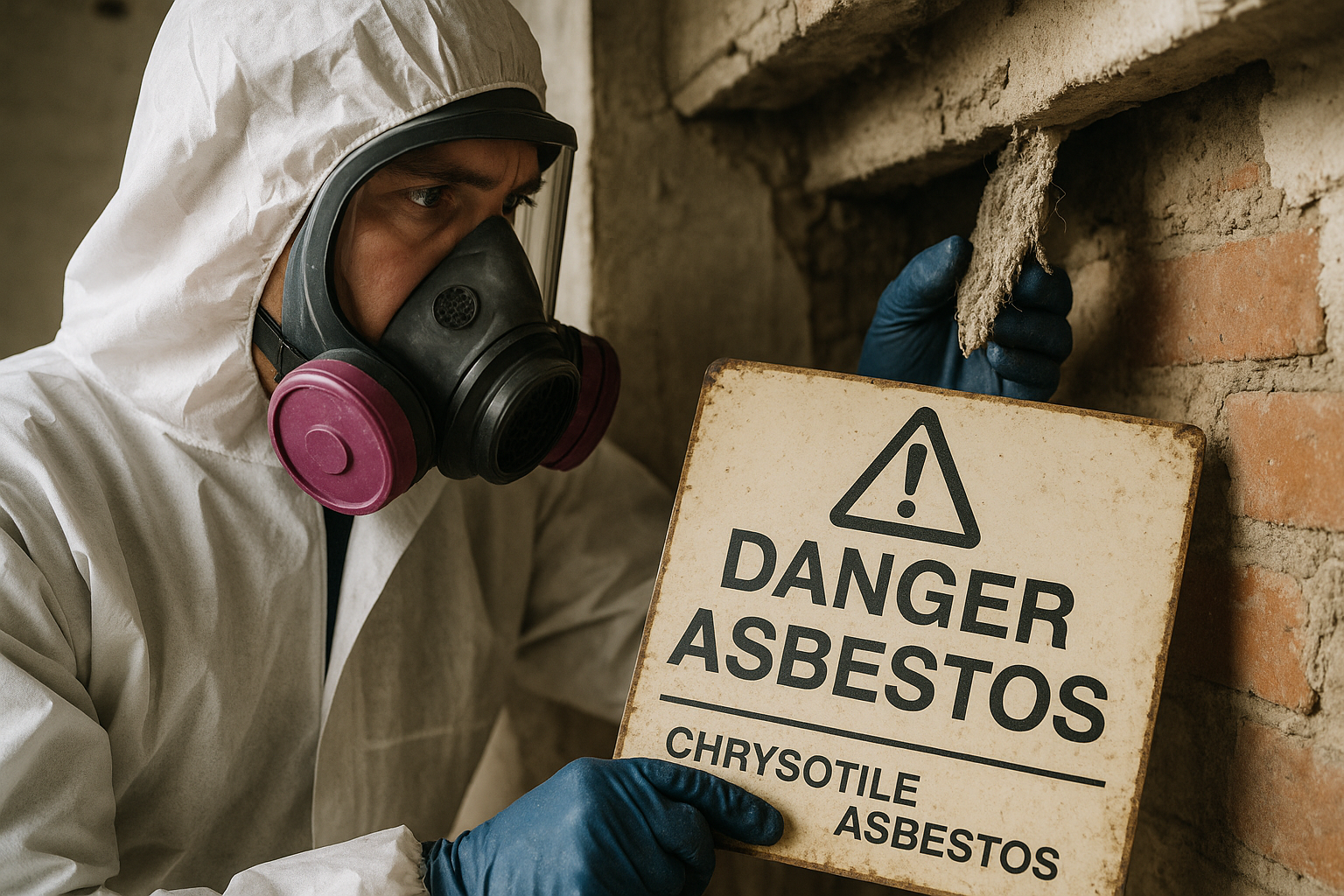
In buildings, asbestos commonly gets into the environment when:
- Materials are drilled, sanded, cut or broken
- Ceilings, wall linings or floor finishes are stripped without checks
- Water damage causes deterioration
- Old cement products weather and shed debris
- Plant rooms and service voids are accessed carelessly
- Debris is swept dry instead of cleaned with suitable methods
- Waste is transported or stored incorrectly
- Contaminated clothing or tools are taken through occupied areas
Once released, fibres may settle on surfaces or remain airborne depending on the activity and the material involved. That is why a small localised job can affect more than the immediate work area if there are no controls.
External asbestos can also affect the wider environment. Damaged garage roofs, broken cement sheets in yards, fly-tipped waste and weathered cladding can all create problems. If material is left exposed, driven over, broken up or handled by untrained people, the risk increases.
For property managers, the practical lesson is straightforward. If you suspect asbestos, stop work, restrict access and get competent advice before anyone touches it.
Why surveys come before chrysotile asbestos removal
No competent contractor should begin chrysotile asbestos removal without reliable asbestos information. A survey gives you the evidence needed to make safe decisions, budget properly and plan work in line with HSG264.
For occupied premises and routine maintenance, a management survey helps identify, as far as reasonably practicable, the presence and condition of asbestos-containing materials that could be disturbed during normal occupation or foreseeable maintenance.
Where intrusive work is planned, a demolition survey is usually required before refurbishment, strip-out or demolition starts. This survey is intentionally more intrusive because it needs to locate asbestos in the areas affected by the planned works.
A good survey does more than list suspect items. It helps answer the questions that matter on site:
- What is the material?
- Where is it located?
- What condition is it in?
- How likely is it to be disturbed?
- Does it need management, encapsulation or removal?
- What further action is needed before work starts?
Poor surveys create poor decisions. If access was restricted, the report is outdated or the scope did not match the work planned, you may not have enough information to proceed safely. That is how trades end up drilling into unknown materials or clients receive unrealistic removal quotes that change once the job starts.
Location matters as well. If you manage multiple sites, local support can speed up planning and reduce delays. That may mean arranging an asbestos survey London project for a high-occupancy office, an asbestos survey Manchester for an industrial unit, or an asbestos survey Birmingham for a mixed-use property.
Risk assessment: how chrysotile asbestos removal is assessed in practice
Risk assessment sits at the centre of every asbestos decision. The word chrysotile on its own does not tell you enough. The material type, condition, surface treatment, extent of damage, work method and occupancy all affect the level of risk and the controls required.
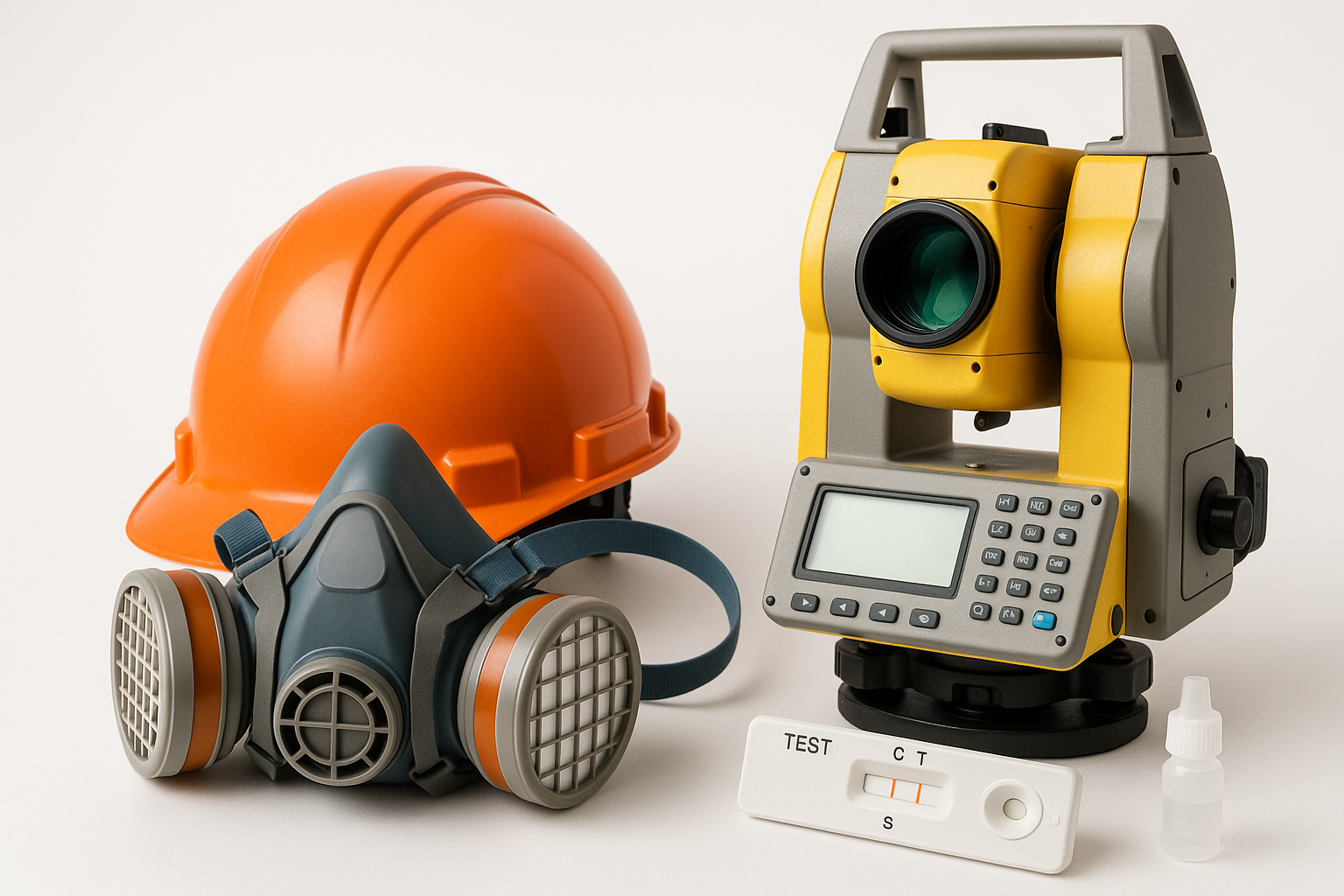
Before chrysotile asbestos removal starts, competent contractors should assess:
- Whether the material is firmly bound or friable
- Its current condition and extent of damage
- The likelihood of fibre release during the task
- Whether the work is non-licensed, notifiable non-licensed or licensable
- How close the work is to occupied areas
- Whether vulnerable people are nearby
- Whether the material can be removed whole
- Whether tools or access methods will create dust
- How waste will be bagged, stored and transported
- What cleaning, decontamination and verification steps are needed
This is why two jobs involving white asbestos can be handled very differently. Removing a small number of intact cement sheets from an outbuilding is not the same as disturbing damaged insulating materials in a confined service area. The legal duties, controls and contractor requirements may be completely different.
What a suitable risk assessment should cover
A proper asbestos risk assessment should not be a generic template with the address changed. It should reflect the actual site, the actual material and the actual work sequence.
It should usually cover:
- Scope of work and exact material location
- Condition of the asbestos-containing material
- Work area segregation and access control
- Dust suppression and handling methods
- Personal protective equipment and respiratory protective equipment
- Decontamination arrangements
- Emergency procedures if material breaks unexpectedly
- Waste packaging, labelling and transport
- Communication with occupants, staff and contractors
- Post-work inspection and, where needed, air monitoring or clearance
If a contractor cannot explain the risk assessment in plain English, that is a warning sign. Dutyholders should expect practical answers, not vague reassurance.
Asbestos management: when removal is not the first option
Not every asbestos-containing material should be stripped out immediately. In many properties, active asbestos management is the safest and most proportionate approach.
If chrysotile-containing materials are in good condition, sealed, recorded and unlikely to be disturbed, leaving them in place may reduce risk better than unnecessary removal. Disturbing stable material without a clear reason can create exposure that did not previously exist.
Common examples where management may be suitable include:
- Intact asbestos cement sheets on low-traffic outbuildings
- Stable textured coatings where no refurbishment is planned
- Undamaged floor tiles in areas with no intrusive work scheduled
- Boxing or panels that are sound, labelled and protected from impact
Management only works if it is active. A survey report filed away and forgotten is not an asbestos management plan.
Practical asbestos management steps
- Maintain an up-to-date asbestos register.
- Inspect known materials at suitable intervals.
- Record damage, leaks or changes in condition.
- Label or otherwise identify materials where appropriate.
- Brief contractors before they start work.
- Use permit-to-work controls for intrusive tasks.
- Review the plan after incidents, tenant changes or new projects.
- Update records when materials are repaired, encapsulated or removed.
If the material starts deteriorating, becomes exposed to impact, is affected by leaks or blocks planned works, management may no longer be enough. That is often the point where chrysotile asbestos removal becomes the practical next step.
Asbestos removal: can it be done without professional equipment?
In real terms, this is the wrong question. The right question is whether the material can be removed without exposing people, contaminating the building or breaching legal duties. If the answer is no, the work should not proceed.
Professional equipment is not just a disposable mask and a pair of overalls. It is part of a control system designed to reduce fibre release, protect workers, prevent spread and leave the area in a safe condition.
Typical controls used during asbestos work include:
- Task-specific PPE and suitable RPE
- Controlled wetting methods where appropriate
- Segregation of the work area
- Warning signage and restricted access
- Suitable cleaning methods, including Class H vacuum equipment where required
- Careful handling to avoid breakage
- Decontamination procedures
- Correct asbestos waste bags, labels and storage
- Transport by appropriate arrangements
- Air monitoring and clearance where required
Even lower-risk jobs need planning. A damaged cement sheet handled carelessly can contaminate walkways, vehicles, tools and adjoining areas. The difference between a controlled job and a costly incident usually comes down to competence, preparation and proper equipment.
If you already know removal is required, specialist asbestos removal support should be based on the actual material and risk, not assumptions made over the phone from a vague description.
When licensed contractors may be required
Some asbestos work must be carried out by a contractor holding the appropriate HSE licence. Other tasks may fall into non-licensed or notifiable non-licensed categories depending on the material and work method.
That classification matters because it affects:
- Who can carry out the work
- What training and competence are needed
- Whether notification is required
- What control measures must be in place
- What records need to be kept
No one should decide this purely because the material contains chrysotile. The condition of the material and the planned method of work are just as important.
Children and other vulnerable occupants
Occupancy matters as much as the material itself. Buildings are used by people who cannot simply be moved at short notice, and some groups need especially careful planning.
Children deserve particular attention. In schools, nurseries, homes, communal residential settings and healthcare environments, asbestos work must be planned to prevent uncontrolled exposure and unnecessary disruption. Children may not recognise warning signs, may move unpredictably around buildings and are more likely to touch damaged surfaces or debris if access controls are poor.
If chrysotile asbestos removal is planned where children are present or nearby, dutyholders should make sure:
- The exact work area is clearly defined
- Access is physically restricted, not just signposted
- Work is scheduled to minimise occupancy risks
- Parents, staff or responsible adults are informed where appropriate
- Cleaning and verification steps are documented
- Alternative access routes or temporary relocation are arranged if needed
The same careful approach applies to pregnant occupants, elderly residents, hospital patients and people with respiratory conditions. Reassurance should come from documented control measures, not informal promises that the job will be fine.
Contact the experts early, not after the damage is done
Many asbestos problems become expensive because advice is sought too late. By the time someone calls, a panel has already been drilled, debris has been moved or contractors have tracked dust through occupied areas.
The safest point to get help is before work starts. If there is any doubt about a material, stop the task and speak to a specialist. Early advice can prevent emergency closures, tenant complaints, project delays and avoidable clean-up costs.
You should contact the experts when:
- You are planning maintenance, refurbishment or demolition
- A survey report identifies suspected chrysotile materials
- Materials are damaged by leaks, impact or vandalism
- Contractors uncover unknown boards, tiles, lagging or debris
- You manage an older building with poor asbestos records
- Occupants are raising concerns about possible asbestos exposure
Fast action matters, but rushed action does not help. The right response is to isolate the issue, preserve the scene where possible and get competent assessment before anyone tries to clean up or carry on working.
Navigation menu, services and information: what property managers should actually look for
When people search online after finding suspected asbestos, they often land on pages full of navigation menu links, services and information headings, and broad summaries that do not answer the practical question in front of them. What matters is whether the advice helps you decide the next safe step.
For property managers and dutyholders, the most useful asbestos information should tell you:
- Whether you need a survey or a review of an existing report
- Whether the material should be managed or removed
- What category of work may apply
- How to protect occupants and contractors immediately
- What records you need to keep
- How waste and clearance will be handled
Good service is not just a list of options in a navigation menu. It is clear advice matched to the property, the material and the planned works. If a provider cannot move beyond generic wording, they are unlikely to help when a live site issue appears.
What a sensible chrysotile asbestos removal process looks like
Every project is different, but the broad process should be structured and evidence-led. This is what a sensible route usually looks like.
- Identify the issue. Suspected material is found during inspection, maintenance or planned works.
- Stop disturbance. Work pauses and access is controlled.
- Review records. Existing survey information and asbestos registers are checked.
- Arrange further inspection or sampling. If information is missing or unclear, competent surveyors investigate.
- Assess the risk. Material type, condition, location and occupancy are reviewed.
- Choose management or removal. The decision is based on actual risk and planned use of the area.
- Plan the work. Risk assessments, method statements and logistics are prepared.
- Carry out the task with suitable controls. The work is completed by competent personnel using the right equipment and procedures.
- Clean, inspect and verify. The area is checked and any required follow-up actions are completed.
- Update records. The asbestos register and project documentation are amended.
This process may sound straightforward, but each step matters. Skipping one often creates problems later, especially where multiple contractors, occupied areas or tight programmes are involved.
Common mistakes that make chrysotile asbestos removal more dangerous
Most serious asbestos mistakes are not dramatic. They are ordinary shortcuts taken under time pressure.
Common failures include:
- Starting work based on age or visual guesswork
- Relying on an old survey that does not match the work area
- Assuming white asbestos is low risk in every form
- Breaking materials up instead of removing them carefully
- Using unsuitable vacuums or dry sweeping debris
- Letting unbriefed contractors enter the area
- Moving waste in open containers or unlabelled bags
- Failing to tell occupants what is happening
- Forgetting to update the asbestos register after the job
If you manage property, these are the points worth checking before any asbestos job starts. A short pre-start review can prevent a much bigger problem later.
Practical advice for landlords, dutyholders and facilities teams
If you are responsible for a building, you do not need to become an asbestos specialist overnight. You do need a clear process and the discipline to follow it.
Use this checklist whenever suspected chrysotile is involved:
- Do not let anyone drill, cut or break suspect materials.
- Check whether you already have a relevant survey.
- Make sure the survey matches the planned work scope.
- Keep asbestos registers accessible and up to date.
- Brief maintenance teams and visiting contractors.
- Challenge vague advice and ask how the risk has been assessed.
- Consider children and other vulnerable occupants in your planning.
- Do not judge risk by appearance alone.
- Keep written records of decisions, inspections and completed work.
Where there is uncertainty, pause the job. A short delay for proper advice is usually far cheaper than dealing with contamination, complaints and emergency remedial work.
Why DIY chrysotile asbestos removal is rarely a sensible idea
People often ask whether a small amount of white asbestos can be removed without specialist help. The problem is that what looks small may still be legally sensitive, technically awkward or easy to mishandle.
DIY approaches usually fail because people underestimate one of three things:
- How easily fibres can spread
- How specific the legal duties are
- How difficult it is to clean and verify an area properly afterwards
Even if the material seems straightforward, the surrounding circumstances may not be. Occupied flats, shared corridors, schools, offices, plant rooms and retail units all create practical complications that amateurs rarely plan for properly.
For that reason, chrysotile asbestos removal should be approached as a controlled professional task, not a quick maintenance fix.
Frequently Asked Questions
Is chrysotile asbestos less dangerous than other types of asbestos?
Chrysotile is often described as white asbestos, but it is not safe. If fibres are released and inhaled, it can present a serious health risk. The right approach depends on the material, its condition and the likelihood of disturbance, not on the mistaken idea that chrysotile is harmless.
Can chrysotile asbestos be left in place instead of removed?
Yes, in some cases. If the material is in good condition, properly recorded and unlikely to be disturbed, active asbestos management may be safer than removal. If it is damaged, deteriorating or in the way of planned works, removal may be necessary.
Do I always need a survey before chrysotile asbestos removal?
In practice, you need reliable asbestos information before work starts. A suitable survey helps identify the material, its condition and the right course of action. For routine occupation and maintenance, that often means a management survey. For intrusive refurbishment or demolition, a more intrusive survey is usually required.
Can children stay in a building during asbestos removal work?
That depends on the location, scope of work and control measures. Where children are present, planning must be especially careful. Access controls, segregation, scheduling and communication all need to be robust. If the work could affect occupied areas, temporary relocation or alternative arrangements may be needed.
What should I do if a contractor accidentally disturbs suspected asbestos?
Stop work immediately, keep people away from the area and avoid any further disturbance or cleaning attempts. Do not sweep debris or move materials unless competent advice tells you to. Review your asbestos records and contact a specialist to assess the situation and advise on the next safe step.
If you need clear advice on chrysotile asbestos removal, asbestos management or pre-works surveys, speak to Supernova Asbestos Surveys. We support landlords, dutyholders, developers and facilities teams across the UK with surveying, sampling and removal coordination. Call 020 4586 0680 or visit asbestos-surveys.org.uk to arrange expert help.