One careless cut into an old ceiling board can release fibres you cannot see, smell or taste. That is the reality behind the dangers of asbestos, and it is exactly why older buildings need proper checks before any maintenance, refurbishment or demolition starts.
Across homes, offices, schools, shops and industrial sites, asbestos may still be present in plain sight or hidden behind finishes. Left undisturbed, some asbestos-containing materials can sometimes be managed safely. Disturb them without the right survey, controls or training, and the dangers of asbestos become immediate.
For property managers, landlords, dutyholders and homeowners, the issue is practical rather than theoretical. Asbestos is often hidden, exposure can happen during ordinary work, and the health effects may not appear for many years. That is why the Control of Asbestos Regulations, HSG264 and current HSE guidance place so much emphasis on identifying asbestos properly and preventing fibre release.
Why the dangers of asbestos still matter
Asbestos was widely used because it resisted heat, improved insulation and added strength to building materials. Those qualities made it popular in thousands of products across the UK.
The problem is not simply that asbestos exists in a building. The real risk comes when asbestos-containing materials are cut, drilled, sanded, broken, scraped, weathered or allowed to deteriorate. When that happens, microscopic fibres can become airborne and be inhaled deep into the lungs.
The dangers of asbestos usually depend on three factors:
- What type of material it is
- What condition it is in
- How likely it is to be disturbed
Damaged pipe lagging, sprayed coatings and loose insulation are generally far higher risk than intact asbestos cement. Even so, lower-friability materials can still become dangerous when broken or worked on with tools.
In occupied non-domestic premises, asbestos management is a legal duty. That means identifying likely asbestos-containing materials, assessing their condition, keeping records up to date and making sure anyone who may disturb them has the right information before work starts.
Dangers of asbestos in buildings built or refurbished before 2000
If a building was constructed or refurbished before 2000, asbestos could still be present somewhere in the structure. Age alone does not confirm asbestos, but it is a clear warning sign that checks are needed before work begins.
Sometimes asbestos is obvious, such as a garage roof made from cement sheets. More often, it is hidden behind walls, inside risers, above ceilings, beneath floor coverings or around heating systems.
If you are responsible for an occupied property, a professional management survey helps identify asbestos-containing materials that need to be recorded, monitored and managed. That gives contractors and maintenance teams the information they need before they disturb anything.
Where asbestos is commonly found
One of the biggest problems with the dangers of asbestos is how ordinary the materials can look. Many asbestos-containing products do not stand out at all.
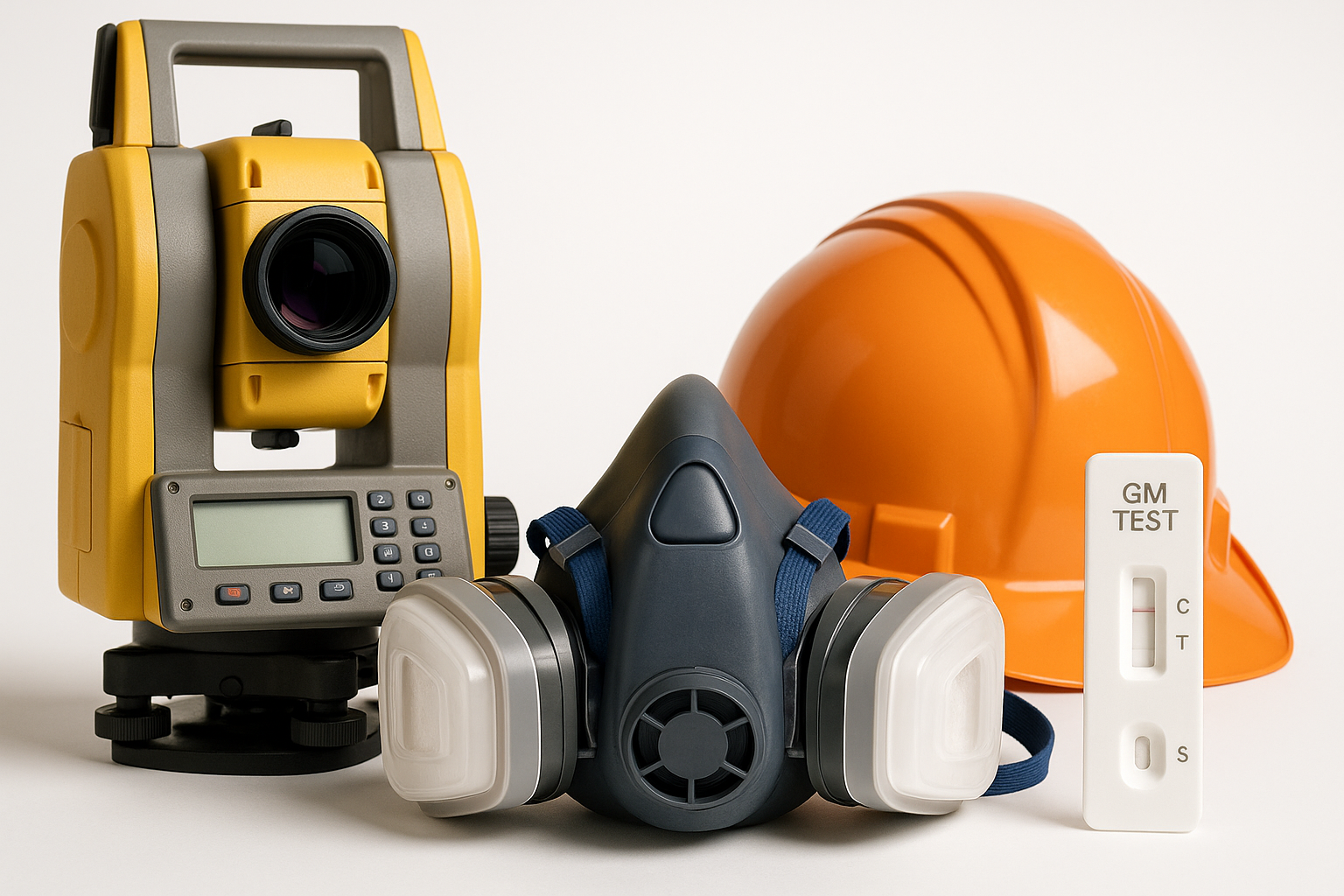
Common locations include:
- Textured coatings on walls and ceilings
- Asbestos insulating board in ceiling tiles, partitions, boxing and panels
- Pipe lagging and thermal insulation
- Sprayed coatings on structural elements
- Vinyl floor tiles and bitumen adhesive
- Roof sheets, wall cladding, soffits and gutters made from asbestos cement
- Boiler cupboards, plant rooms and service risers
- Fire doors and insulation around heating systems
- Bath panels, toilet cisterns and partition walls
- Flues, ducts and old service enclosures
Asbestos can appear in domestic, commercial and public buildings. It is not limited to factories or heavy industry.
Higher-risk asbestos materials
Some materials release fibres much more easily than others. These need especially careful control.
- Pipe lagging
- Loose fill insulation
- Sprayed coatings
- Damaged asbestos insulating board
Lower-friability materials that still need caution
These may release fewer fibres when intact, but they can still create serious exposure if drilled, snapped, sanded or broken.
- Asbestos cement sheets
- Roof panels
- Vinyl floor tiles
- Bitumen products
- Cement flues and rainwater goods
If refurbishment is planned, a standard management survey is not enough. You will usually need a refurbishment survey for the specific area affected by the works so hidden asbestos can be located before intrusive work starts.
What makes asbestos dangerous?
The dangers of asbestos come from fibre release. These fibres are microscopic, durable and light enough to remain airborne after disturbance. You cannot judge the risk by appearance alone.
A room can look clean while still containing airborne asbestos fibres. That is one reason accidental exposure happens so easily during routine work.
Friability and fibre release
Friable materials are more likely to release fibres with minimal disturbance. This is why surveyors assess not just whether asbestos is present, but how easily it may break down and spread contamination.
For example, damaged insulating board around a service riser presents a very different risk from an intact cement roof sheet on an outbuilding. Both may contain asbestos, but the likelihood of fibre release is not the same.
Condition and accessibility
Condition matters. A sealed material in good order and protected from damage may sometimes remain in place under a management plan.
If it is cracked, flaking, water-damaged, exposed to impact or likely to be disturbed during maintenance, the risk rises sharply. Accessibility matters too. A damaged board in a busy service area is a more urgent concern than a stable material locked away and unlikely to be touched.
Nature of the work
Routine occupation may present little immediate risk. Drilling, rewiring, plumbing, strip-out work, HVAC replacement and demolition are very different.
If a structure is being dismantled, a demolition survey is needed before demolition proceeds. This is essential because demolition can disturb hidden asbestos throughout the building.
How people get exposed to asbestos
Most exposure does not happen during dramatic accidents. It usually happens during ordinary building work where nobody checked properly first.
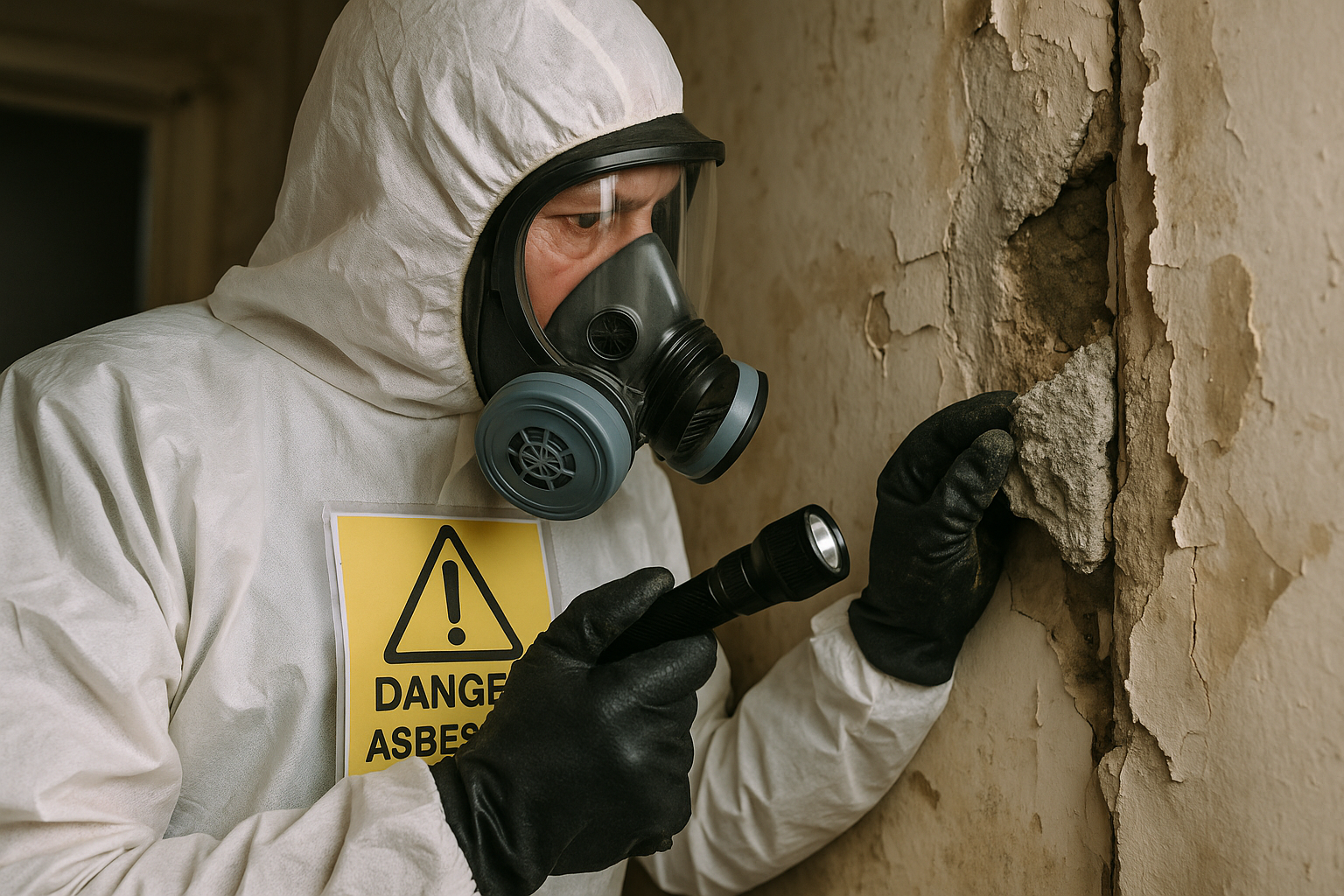
Common exposure routes include:
- Drilling into walls, ceilings or soffits
- Removing old floor tiles or scraping adhesive
- Sanding textured coatings
- Breaking boxing around pipes and columns
- Replacing boilers, radiators or heating systems
- Opening ceiling voids and service risers
- Cutting or dismantling cement roof sheets
- Using power tools on suspect materials
- Cleaning up debris after accidental damage
Secondary exposure can also happen when contaminated dust is carried on clothing, footwear, tools or waste. That is one reason DIY asbestos work is such a poor decision.
DIY work is a common trigger
A homeowner lifts old flooring, chases a cable route or removes a partition wall without checking what is inside. Within minutes, fibres may be released.
The dangers of asbestos are not limited to large commercial sites. Domestic properties built or refurbished before 2000 can contain asbestos in garages, ceilings, floor finishes, service areas and outbuildings.
Maintenance contractors face regular risk
Electricians, plumbers, decorators, telecoms engineers, roofers and general builders often encounter asbestos when records are missing or ignored. Before any work starts in an older building, contractors should review the asbestos register or ask for survey information.
If asbestos-containing materials are already known, a periodic re-inspection survey helps confirm whether their condition has changed and whether the existing management plan still remains suitable.
Why asbestos harms the lungs
The health damage caused by asbestos starts when fibres are inhaled. Because they are so small, they can bypass the body’s normal defences and travel deep into the lungs.
Once inside, some fibres lodge in delicate lung tissue and remain there. The body struggles to break them down or remove them, which can lead to inflammation, scarring and disease over time.
Bronchioles and alveoli
To understand the dangers of asbestos, it helps to know where the fibres go. Air travels through the windpipe into larger airways, then into smaller branches called bronchioles. At the ends of the bronchioles are tiny air sacs called alveoli, where oxygen passes into the bloodstream.
When asbestos fibres are inhaled, some can reach these deep parts of the lungs. The fibres may become trapped around the bronchioles and alveoli, irritating tissue and contributing to long-term scarring.
Why symptoms can take years to appear
Asbestos-related disease often develops slowly. People may feel completely well for many years after exposure.
This delay is one of the most dangerous aspects of asbestos exposure. The absence of immediate symptoms does not mean the exposure was harmless.
Health conditions linked to the dangers of asbestos
The dangers of asbestos are taken seriously because exposure can lead to life-limiting disease. The main conditions associated with asbestos include asbestosis, mesothelioma, asbestos-related lung cancer and pleural disease.
Asbestosis
Asbestosis is a chronic lung disease caused by inhaling asbestos fibres, usually after significant exposure over time. The fibres trigger scarring in the lungs, which reduces lung function.
People with asbestosis may develop progressive breathlessness, a persistent cough and reduced physical capacity. The condition is irreversible.
Mesothelioma
Mesothelioma is a cancer affecting the lining of the lungs or abdomen. It is strongly associated with asbestos exposure.
One reason the dangers of asbestos are treated so seriously is that mesothelioma can develop long after the original exposure. The exposure event may have happened decades earlier.
Asbestos-related lung cancer
Asbestos exposure can also cause lung cancer. Smoking does not cause asbestos disease by itself, but smoking combined with asbestos exposure significantly increases the risk of asbestos-related lung cancer.
That combined effect is well recognised in HSE guidance. It is another reason exposure prevention matters so much.
Pleural thickening and pleural disease
Asbestos can affect the pleura, the lining around the lungs. Pleural thickening and other pleural changes may contribute to breathlessness and discomfort.
Not every pleural condition is cancerous, but they can still affect quality of life and respiratory function.
Possible symptoms
Symptoms usually do not appear straight away. When they do develop, they can be easy to dismiss at first.
- Shortness of breath
- Persistent cough
- Chest tightness
- Chest pain
- Wheezing
- Unexplained fatigue
- Reduced exercise tolerance
These symptoms are not unique to asbestos-related disease, which is why medical assessment matters. If someone has a history of asbestos exposure and later develops respiratory symptoms, they should speak to a medical professional and keep a record of where and when the exposure happened.
Practical steps to reduce the dangers of asbestos
The best way to deal with the dangers of asbestos is to prevent fibre release in the first place. Once exposure has happened, you cannot undo it.
Good prevention is mostly about planning, information and restraint. If you are not sure whether a material contains asbestos, do not disturb it.
Before any work starts
- Check the age of the building. If it was built or refurbished before 2000, treat asbestos as a possibility.
- Review existing records. Ask for the asbestos register, previous surveys and management plan.
- Match the survey to the work. Management surveys are for normal occupation. Refurbishment and demolition work need more intrusive surveys.
- Brief contractors properly. Anyone who may disturb the fabric of the building must know what is present and where.
- Stop if there is doubt. If a material looks suspicious and there is no reliable information, pause the work and get it checked.
If you suspect asbestos has been disturbed
- Stop work immediately
- Keep people out of the area
- Avoid sweeping, vacuuming or dry cleaning debris
- Shut doors if possible to limit spread
- Seek professional advice before re-entry or clean-up
Trying to tidy up without the right controls can make the situation worse. Disturbance spreads fibres, and ordinary cleaning methods are not suitable for asbestos contamination.
When removal is necessary
Not all asbestos has to be removed. In many cases, materials in good condition can remain in place and be managed safely.
Removal becomes more likely where the material is damaged, likely to be disturbed, or located where planned works will affect it. In those cases, professional asbestos removal should be arranged rather than relying on guesswork or untrained labour.
What dutyholders and property managers should do
If you manage non-domestic premises, the law expects you to take asbestos seriously. That means more than filing away an old survey and hoping for the best.
You should have a working asbestos management system that people actually use. Practical steps include:
- Keeping survey information accessible
- Maintaining an up-to-date asbestos register
- Labelling or clearly identifying known risks where appropriate
- Reviewing material condition regularly
- Sharing asbestos information before maintenance starts
- Updating records after removal, repair or re-inspection
A common failure point is communication. The survey exists, but the contractor on site never sees it. That is when avoidable exposure happens.
Why DIY asbestos removal is such a high-risk mistake
The original question many people ask is simple: what are the risks associated with DIY asbestos removal? The short answer is that DIY removal can turn a manageable material into an uncontrolled fibre release within minutes.
Homeowners and small contractors often underestimate the dangers of asbestos because the material may look harmless. A board, tile or sheet can seem solid enough until it is drilled, snapped or broken apart.
DIY removal creates several problems at once:
- No reliable identification of the material
- No proper assessment of its condition or friability
- No controlled method of removal
- No suitable decontamination process
- No lawful or safe waste handling plan
Even where certain lower-risk tasks may fall outside licensed work, that does not make them suitable for casual DIY. The wrong method, the wrong tools and the wrong clean-up approach can all increase exposure.
If there is any doubt, stop and get professional advice. That is cheaper and safer than dealing with contamination after the event.
Getting asbestos surveys in London, Manchester and Birmingham
Location matters when work needs to move quickly. If you are arranging surveys for a property portfolio or a single site, using a local team with national standards helps keep projects on track.
Supernova provides support across the UK, including dedicated services for asbestos survey London, asbestos survey Manchester and asbestos survey Birmingham. That means faster access to surveyors who understand the practical demands of occupied buildings, refurbishments and pre-demolition planning.
Frequently Asked Questions
Is asbestos always dangerous if it is present in a building?
Not always. The dangers of asbestos depend on the type of material, its condition and whether it is likely to be disturbed. Some materials in good condition can remain in place under a proper management plan, but damaged or disturbed asbestos can present a serious risk.
Can I identify asbestos just by looking at it?
No. Many asbestos-containing materials look similar to non-asbestos products. Visual inspection alone is not enough to confirm whether asbestos is present, which is why professional surveys and sampling are so important.
What should I do if I accidentally drill into suspected asbestos?
Stop work immediately, keep others away from the area and avoid sweeping or vacuuming debris. Seek professional advice as soon as possible so the material can be assessed and the area managed safely.
Do I need a survey before refurbishment works?
Yes, if the building was built or refurbished before 2000 and the works will disturb the fabric of the building. A refurbishment survey is usually required for the specific area affected because a standard management survey is not designed for intrusive works.
When should asbestos be removed instead of managed?
Removal is usually considered when asbestos is damaged, deteriorating, difficult to protect, or likely to be disturbed by planned work. If the material can remain safely in place and be monitored, management may be suitable, but that decision should be based on proper assessment.
The dangers of asbestos are easiest to control before anyone starts drilling, stripping out or breaking into the building fabric. If you need clear advice, fast reporting and surveys carried out to the standards expected under the Control of Asbestos Regulations, HSG264 and HSE guidance, speak to Supernova Asbestos Surveys.
We provide asbestos surveys, re-inspections and support for removal projects across the UK. Call 020 4586 0680 or visit asbestos-surveys.org.uk to book a survey or discuss your property.