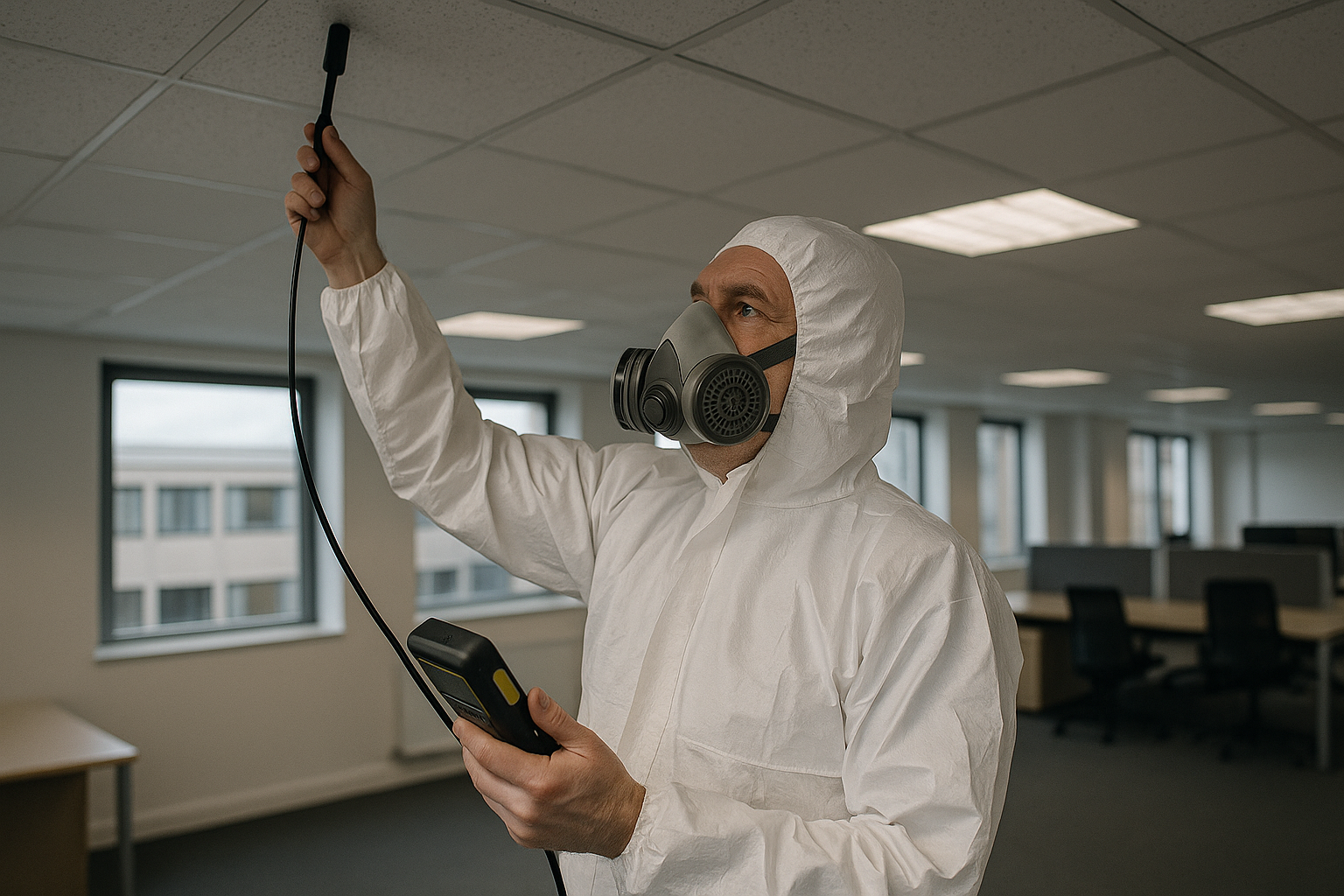
Missing the mark on asbestos survey requirements can derail a project long before any contractor picks up a tool. One wrong assumption about an old report, a hidden ceiling void, or the scope of planned works can lead to delays, extra cost, and avoidable legal risk.
For property managers, landlords, duty holders and anyone overseeing works in older buildings, the key question is rarely whether asbestos matters. The real issue is whether you have the right information, in the right format, for the way the building is occupied, maintained, refurbished or demolished.
At Supernova Asbestos Surveys, we have completed more than 50,000 surveys nationwide. That practical experience shows the same pattern again and again: problems usually arise because the survey type was wrong, the report was outdated, or the findings were never properly used on site.
What is an asbestos survey?
An asbestos survey is a structured inspection carried out to locate, as far as reasonably practicable, asbestos-containing materials within a building. It should also assess their condition, record where they are, and provide information that helps you manage or remove the risk safely.
The survey must be suitable for the building and for the work planned. That point sits at the heart of asbestos survey requirements under the Control of Asbestos Regulations, supported by HSE guidance and HSG264.
A proper survey is not just a box-ticking exercise. It is the foundation for decisions about maintenance, occupation, contractor control, refurbishment planning and demolition.
Asbestos survey requirements: what do you need to do?
If you are responsible for non-domestic premises, or the common parts of residential buildings, you are likely to have duties relating to asbestos management. That includes offices, schools, shops, warehouses, plant rooms, communal corridors, stairwells and service areas.
In practical terms, meeting asbestos survey requirements usually means following a clear sequence.
- Check whether the property could contain asbestos.
- Review any existing asbestos records or previous surveys.
- Decide whether that information is still reliable and relevant.
- Choose the correct survey type for occupation, maintenance or planned works.
- Act on the findings by updating the asbestos register and management arrangements.
- Share the information with anyone who may disturb the materials.
If the building predates the full UK ban on asbestos use, the cautious starting point is to presume asbestos may be present unless you have reliable evidence showing otherwise. Guesswork is where many projects start to go wrong.
Asbestos survey types
One of the most common compliance failures is ordering the wrong survey. Asbestos survey requirements depend on what is happening in the building, not what seems quickest or cheapest.
Management surveys
A management survey is used for normal occupation and routine maintenance. Its purpose is to locate asbestos-containing materials that could be disturbed during everyday use or foreseeable minor works.
This survey is usually less intrusive than pre-works surveys. It helps duty holders manage asbestos in place rather than prepare for major strip-out or structural work.
A management survey is commonly used to:
- create or update an asbestos register
- assess the condition of known or presumed materials
- support an asbestos management plan
- brief maintenance staff and contractors
- plan periodic re-inspections
Refurbishment surveys
A refurbishment survey is needed before works that will disturb the fabric of the building. That includes fit-outs, rewiring, replacing ceilings, opening up walls, changing services, kitchen or bathroom replacement, and invasive maintenance.
This type of survey is more intrusive because hidden areas need to be accessed. A management survey is not a substitute where refurbishment works are planned.
Demolition surveys
A demolition survey is required before part or all of a structure is demolished. It is the most intrusive survey type because it needs to identify asbestos as far as reasonably practicable before demolition starts.
Areas covered by a demolition survey will normally need to be vacant. If demolition is planned, the survey must match that level of disruption.
Asbestos refurbishment-demolition surveys
People often refer to asbestos refurbishment-demolition surveys as a combined category because both are intrusive pre-works surveys. The distinction matters, though.
A refurbishment survey focuses on the specific areas affected by planned works. A demolition survey applies where the structure itself is coming down. If the wrong one is commissioned, contractors may still be exposed to hidden asbestos and the project may stop while further surveying is arranged.
When are asbestos survey requirements likely to apply?
There is no single trigger for every property, but there are situations where asbestos survey requirements are clear.
- Occupied non-domestic premises: a suitable survey is often needed to support day-to-day asbestos management.
- Common parts of residential buildings: communal areas are not treated the same as private living spaces.
- Before maintenance: contractors need reliable asbestos information before drilling, cutting or opening up building fabric.
- Before refurbishment: intrusive works usually require a pre-works survey.
- Before demolition: a demolition survey is required before structural demolition starts.
There are limited cases where a survey may not be necessary, such as a building known with certainty to have been completed after asbestos ceased to be used in construction materials. Even then, evidence matters. Assumptions about age, extensions, or previous alterations are often wrong.
How are the results of an asbestos survey used?
The value of a survey comes from what you do with the results. A report sitting in a file does not protect contractors, occupants or your organisation.
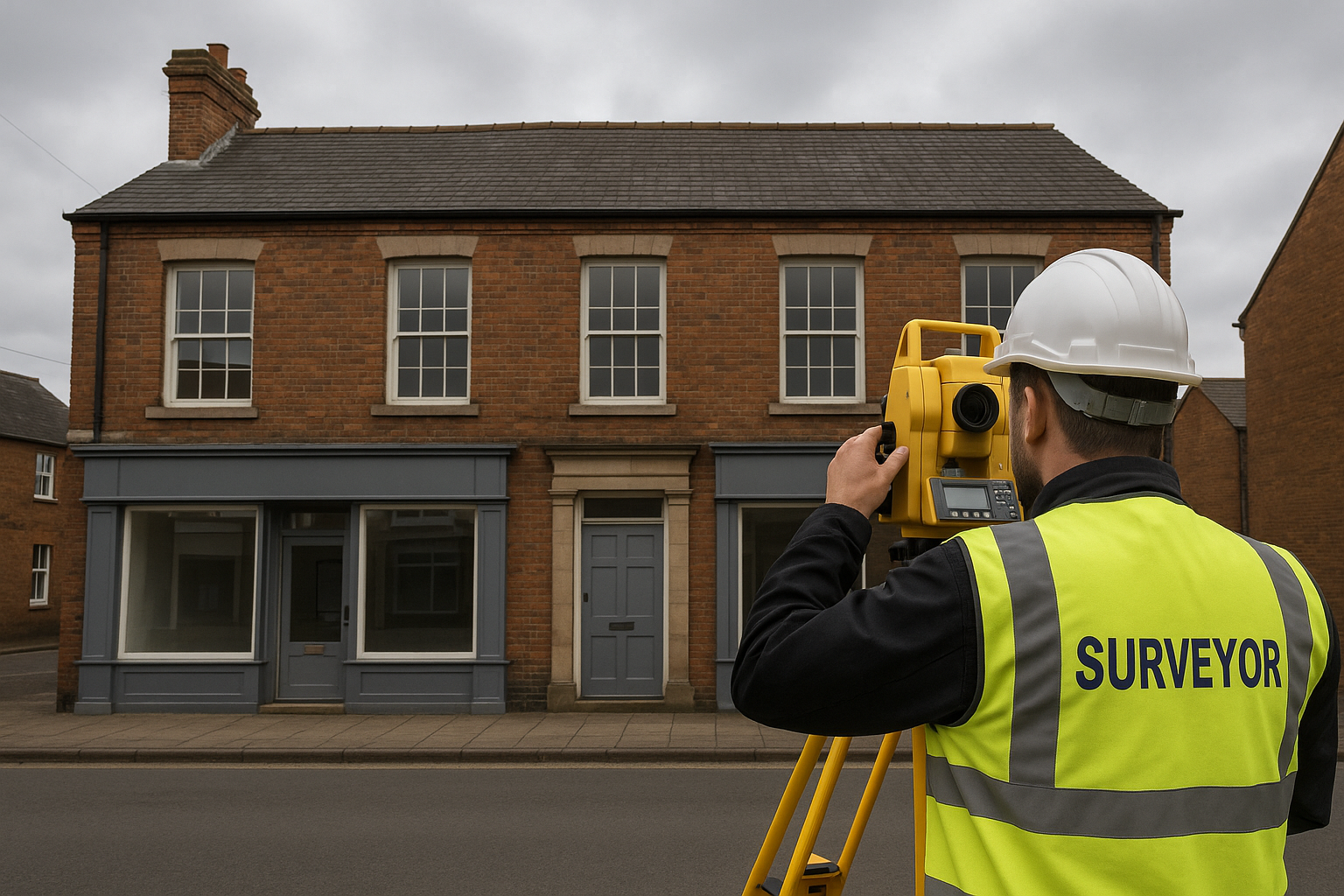
Survey findings should be used to:
- build or update the asbestos register
- prepare or revise the asbestos management plan
- inform risk assessments and permits to work
- brief maintenance teams, surveyors and contractors
- identify whether materials can remain in place, need repair, encapsulation or removal
- plan re-inspections for asbestos left in situ
- support property transactions, leasing and due diligence
If a report identifies damaged asbestos insulating board in a riser or plant area, that should trigger action. Access may need to be restricted, contractors must be informed, and remedial work may be needed before any further activity is allowed.
This is where asbestos survey requirements become practical rather than theoretical. The legal duty is to manage the risk, not simply commission paperwork.
Building surveyors and conveyancers: where problems may arise
Property transactions often create confusion about asbestos. Building surveyors and conveyancers may raise queries about risk, but they do not replace a dedicated asbestos surveyor.
A building surveyor may note that a property is of an age where asbestos could be present. A conveyancer may ask for information during due diligence. Neither role usually involves intrusive inspection, sampling, laboratory analysis or the preparation of an asbestos register.
Problems may arise when buyers, sellers, landlords or managing agents assume that a general building survey has dealt with asbestos. In most cases, it has not.
Common issues include:
- an old report that does not match the current layout
- tenant alterations that were never checked
- areas marked as inaccessible in previous surveys
- planned works proceeding on the basis of a management survey alone
- sale or lease negotiations slowing down because asbestos information is incomplete
If asbestos is raised during a transaction, the sensible step is to review the available evidence and decide whether a fresh survey is needed. That approach is faster and safer than trying to interpret vague historic paperwork.
Sourcing analysts and surveyors
The quality of the survey matters as much as the decision to commission one. Poor scoping, weak reporting or unclear access arrangements can leave gaps that only come to light once work has started.
When sourcing analysts and surveyors, look for a provider that understands the survey purpose, the building type, and the operational realities of your site. The survey brief should be clear about what is being inspected, what works are planned, and which areas need intrusive access.
Ask practical questions before instructing:
- What survey type is actually needed for the planned works?
- Will the survey include all affected areas, voids and service routes?
- What access arrangements are required?
- Will sampling be undertaken where safe and appropriate?
- Will the report include plans, photographs and clear recommendations?
If asbestos removal is likely, you may also need independent analytical support for air monitoring, clearance procedures or bulk sample analysis. Surveying and analysis should be planned early so the project does not stall once asbestos is identified.
Refurbishment or demolition surveys: why timing matters
Refurbishment or demolition surveys are often left too late. That is one of the quickest ways to create programme delays.
If contractors are booked, materials are ordered and strip-out is due to start next week, discovering asbestos at that stage can stop everything. The better approach is to arrange the survey before tendering or finalising the works schedule.
For pre-works surveys, timing should allow for:
- vacant possession where needed
- safe access to hidden areas
- sampling and laboratory turnaround
- review of the findings by designers, contractors and project managers
- any removal or remedial works required before the main project begins
That is especially true for older offices, retail units, schools, industrial sites and mixed-use buildings where asbestos may be present in ceiling voids, floor tiles, risers, insulation, textured coatings, panels or service ducts.
Lead paint surveys and asbestos: do you need both?
Asbestos is not the only hazardous material that can affect planned works. In older buildings, lead-based paint can also create health and compliance issues during refurbishment, maintenance or demolition.
Lead paint surveys are separate from asbestos surveys, but they are often considered at the same stage of project planning. If your building is older and works will disturb painted surfaces, joinery, metalwork or structural elements, it makes sense to assess whether lead may also be present.
Practical advice:
- do not assume an asbestos survey covers lead paint
- review the age and history of the building before intrusive works
- coordinate hazardous materials surveys early in the project
- make sure contractors know what materials may be disturbed
Where both asbestos and lead paint are possible, dealing with them together during planning is far easier than reacting mid-project.
What happens during an asbestos survey?
A properly delivered survey should be methodical and easy to follow. You should know what has been inspected, what has been sampled, what could not be accessed, and what action is needed next.
The process typically includes:
- Scoping: confirming the survey purpose, building use and planned works.
- Inspection: examining accessible areas and identifying suspect materials.
- Sampling: taking samples safely where appropriate for laboratory analysis.
- Assessment: recording the location, extent, product type and condition of identified or presumed asbestos-containing materials.
- Reporting: issuing a report with plans, photographs, sample results and recommendations.
Where sampling cannot be carried out safely or reasonably, materials may be presumed to contain asbestos until proven otherwise. That approach is consistent with HSE guidance and is often the safest route operationally.
Practical steps to stay on top of asbestos survey requirements
Good asbestos management is usually straightforward when it is dealt with early. Problems tend to start when the survey is treated as an afterthought.
Use this checklist to keep control:
- review asbestos records as soon as you take responsibility for a building
- check whether the existing survey still reflects the current layout and condition
- match the survey type to the actual work planned
- flag inaccessible areas before the survey date
- build asbestos checks into contractor induction and permit systems
- update records after leaks, fire damage, alterations or major maintenance
- share relevant findings with anyone who may disturb the materials
If there is uncertainty, do not rely on assumptions. A fresh survey is usually quicker and cheaper than dealing with an unexpected asbestos issue once work has started.
Local support for property managers and duty holders
If you manage sites across multiple regions, consistency matters. Supernova provides support nationwide, including dedicated services for asbestos survey London projects, asbestos survey Manchester instructions, and asbestos survey Birmingham requirements.
Whether you need a single management survey for occupied premises or intrusive pre-works surveying across a portfolio, the priority is the same: accurate information that can actually be used on site.
Get in touch now for your free quote
If you need clear advice on asbestos survey requirements, Supernova Asbestos Surveys can help. We carry out management, refurbishment and demolition surveys across the UK, with practical reporting that supports compliance and keeps projects moving.
Call 020 4586 0680 or visit asbestos-surveys.org.uk to get in touch now for your free quote. If you are unsure which survey type you need, we can help you scope it properly before delays and extra costs start to build.
Frequently Asked Questions
Is an asbestos survey always required before building work?
Not always, but if the work will disturb the fabric of an older building, a suitable survey is usually needed. For refurbishment or demolition, a pre-works survey is normally required because a management survey will not provide enough detail.
Can a building surveyor or conveyancer confirm that a property is asbestos-free?
No. A building surveyor or conveyancer may flag potential asbestos risk, but they do not usually carry out the inspection, sampling and reporting needed for an asbestos survey. If asbestos is a concern, a dedicated asbestos survey should be arranged.
What is the difference between a management survey and a refurbishment survey?
A management survey is for normal occupation and routine maintenance. A refurbishment survey is intrusive and is needed before works that will disturb walls, ceilings, floors, services or other parts of the building fabric.
Do asbestos survey results need to be shared with contractors?
Yes. Anyone who may disturb asbestos-containing materials needs relevant information before starting work. That includes maintenance teams, external contractors and anyone planning intrusive activity in the building.
Does an asbestos survey also cover lead paint?
No. Lead paint surveys are separate. If you are working on an older building, it may be sensible to consider both asbestos and lead paint during project planning so hazardous materials are identified before work begins.