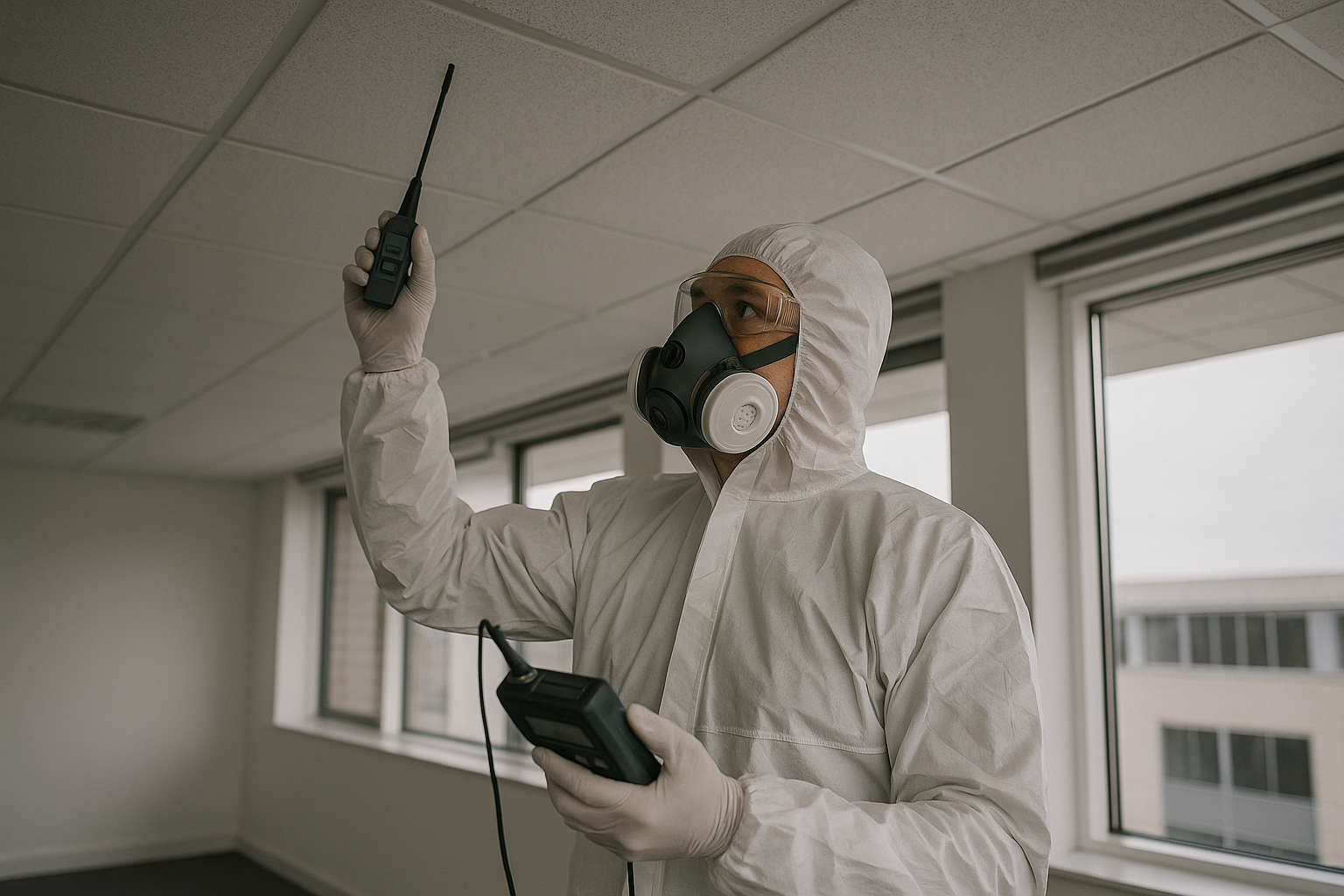
Book the wrong survey and asbestos can stay hidden until a contractor opens a ceiling, lifts a floor or starts strip-out. Understanding the types of asbestos surveys is what keeps projects moving, protects occupants and helps duty holders meet their responsibilities under the Control of Asbestos Regulations, HSG264 and wider HSE guidance.
If you manage, own or maintain a property built before 2000, the survey choice is not a paperwork exercise. It affects whether your asbestos register is reliable, whether planned works can start safely and whether staff, tenants or contractors are being exposed to avoidable risk.
The main types of asbestos surveys you will come across are management, refurbishment, demolition and re-inspection surveys. Each one has a different purpose, a different level of intrusion and a different place in asbestos compliance.
A survey suitable for an occupied building is not suitable for major works. Equally, a pre-project survey does not replace ongoing asbestos management once the building is back in use.
- Management survey for normal occupation and routine maintenance
- Refurbishment survey before upgrade, fit-out or alteration works
- Demolition survey before full or partial demolition
- Re-inspection survey to review known or presumed asbestos over time
A simple way to decide is this. If the building is occupied and in day-to-day use, you will usually need a management survey. If you are changing part of the building, you need a refurbishment survey in the work area before work starts. If you are demolishing a structure, you need a demolition survey. If asbestos has already been identified and left in place, you need periodic re-inspection.
Why the types of asbestos surveys matter
Most problems start when someone assumes one survey can do every job. It cannot. The types of asbestos surveys exist because asbestos risk changes depending on how a building is used and what work is planned.
A management survey is designed to help you manage asbestos during normal occupation. It is not designed to uncover every hidden material behind walls, under floors or inside service voids that will be disturbed during refurbishment.
That distinction matters on real sites. If contractors rely on the wrong survey, work may stop halfway through, extra sampling may be needed at short notice and the risk of accidental disturbance goes up.
Practical checks before you book
- Confirm whether the property is occupied, vacant, being altered or being demolished
- Define the exact work area, not just the building address
- Gather any previous asbestos reports, plans and registers
- Flag restricted areas, fragile roofs, plant rooms and locked risers
- Tell the surveyor about leaks, damage or recent building works
If you are unsure, ask for advice before instruction. It is far better to clarify the scope early than pay for a report that does not answer the real risk.
Management survey: the standard survey for occupied buildings
A management survey is usually the starting point for duty holders. It is used to locate, so far as reasonably practicable, the presence and extent of asbestos-containing materials that could be disturbed during normal occupation, routine maintenance or foreseeable minor works.
Among the main types of asbestos surveys, this is generally the least intrusive. The aim is to inspect accessible areas without causing unnecessary damage to the building fabric.
For occupied premises, a management survey supports the asbestos register and management plan. It is commonly used in offices, schools, retail units, warehouses, communal areas, healthcare settings and other non-domestic premises.
What a management survey is designed to find
Surveyors look for suspect materials that could be damaged or disturbed during everyday use. That may include:
- Textured coatings on walls and ceilings
- Ceiling tiles and backing boards
- Asbestos insulating board in risers, service cupboards and partitions
- Pipe lagging and thermal insulation
- Floor tiles and bitumen adhesive
- Cement sheets, gutters, downpipes and roof products
- Soffits, panels and boxing
What you should expect in the report
- Locations of identified or presumed asbestos-containing materials
- Material assessments based on condition and surface treatment
- Photographs and reference points
- Access limitations and exclusions
- Information to support an asbestos register
- Recommendations for management, monitoring or further action
When a management survey is appropriate
- You have taken over a building with no reliable asbestos records
- You need an asbestos register for an occupied site
- You are controlling routine maintenance contractors
- You are reviewing compliance across a property portfolio
Practical advice: if a site has both occupied areas and project zones, split the decision by area. The occupied parts may need management arrangements while the planned work area may need a different survey entirely.
Refurbishment survey: required before alteration works
A refurbishment survey is needed before refurbishment, fit-out, upgrade or structural alteration work begins. Of the different types of asbestos surveys, this is one of the most critical because it is specifically intended to identify asbestos that will be disturbed by the planned works.
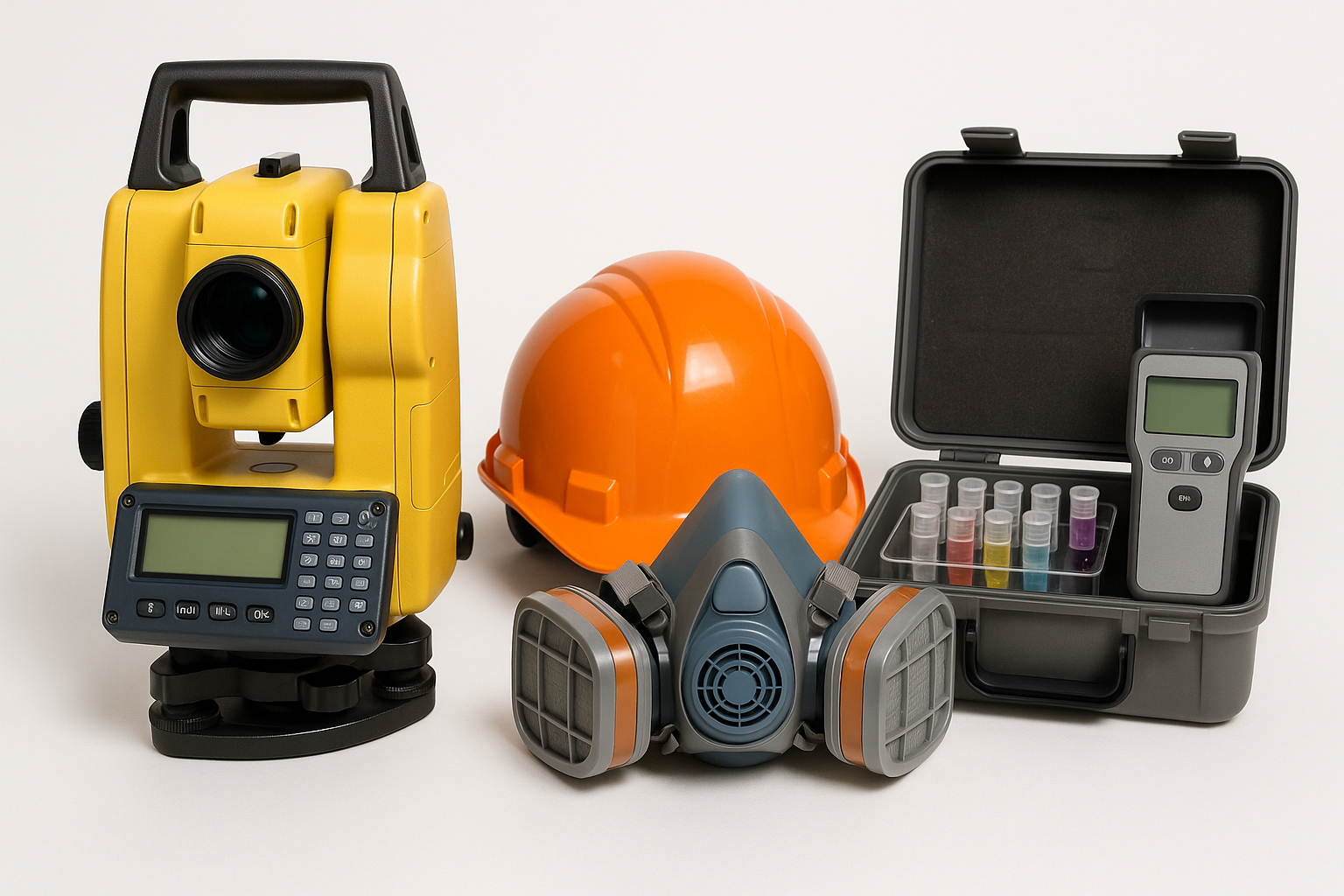
Unlike a management survey, this survey is intrusive. Surveyors may need to open up floors, walls, ceilings, boxing and service voids in the area affected by the works.
The area is usually vacated before inspection because the survey itself can disturb asbestos-containing materials. If you are planning building works, a refurbishment survey should be arranged before contractors price, programme or start strip-out.
When you are likely to need a refurbishment survey
- Replacing kitchens or bathrooms in flats or housing stock
- Upgrading mechanical and electrical services
- Removing or relocating internal partitions
- Installing new windows or doors
- Refitting retail, hospitality or office spaces
- Opening up ceilings, risers or floor voids
Why scope matters
The biggest issue with refurbishment surveys is vague instruction. If the surveyor does not know exactly what works are planned, the survey may not cover the right areas.
Give the surveyor marked-up drawings, a work description and access details. If the project changes later, the survey scope may need to be reviewed and extended.
- Define the exact rooms, floors or building sections involved
- Include landlord areas, service risers and ceiling voids if works affect them
- Vacate the area where intrusive inspection is needed
- Do not let contractors start soft strip before the survey is complete
One of the most common mistakes with the types of asbestos surveys is assuming a whole-building management survey is enough for a localised fit-out. It is not if the work will disturb hidden materials.
Demolition survey: the most intrusive survey type
A demolition survey is required before a building, or part of it, is demolished. Of all the types of asbestos surveys, this is the most intrusive and exhaustive because the objective is to locate all asbestos-containing materials so far as reasonably practicable before demolition proceeds.
The area must usually be vacant. Surveyors may need destructive access throughout the structure, including hidden spaces in walls, floors, roofs, ducts and plant areas.
Before any structure is taken down, a demolition survey gives the project team the information needed to plan safe removal and demolition sequencing.
What a demolition survey typically involves
- Destructive inspection across the full building or demolition zone
- Access to sealed, hidden and difficult-to-reach spaces where possible
- Sampling of structural and non-structural materials
- Clear recording of inaccessible areas if any remain
- Findings that support pre-demolition asbestos removal planning
If the whole building is coming down, anything less than a demolition survey can leave serious gaps. Hidden asbestos in wall cavities, roof voids or plant can become a major issue once demolition starts.
Practical advice: if you are demolishing only one section of a larger site, make sure the survey scope matches that section precisely. Over-scoping wastes time and money, but under-scoping creates risk.
Re-inspection survey: ongoing review of known asbestos
A re-inspection survey is used to revisit asbestos-containing materials that have already been identified or presumed in an earlier survey. It checks whether condition, accessibility or risk has changed and whether the asbestos register and management plan still reflect the reality on site.
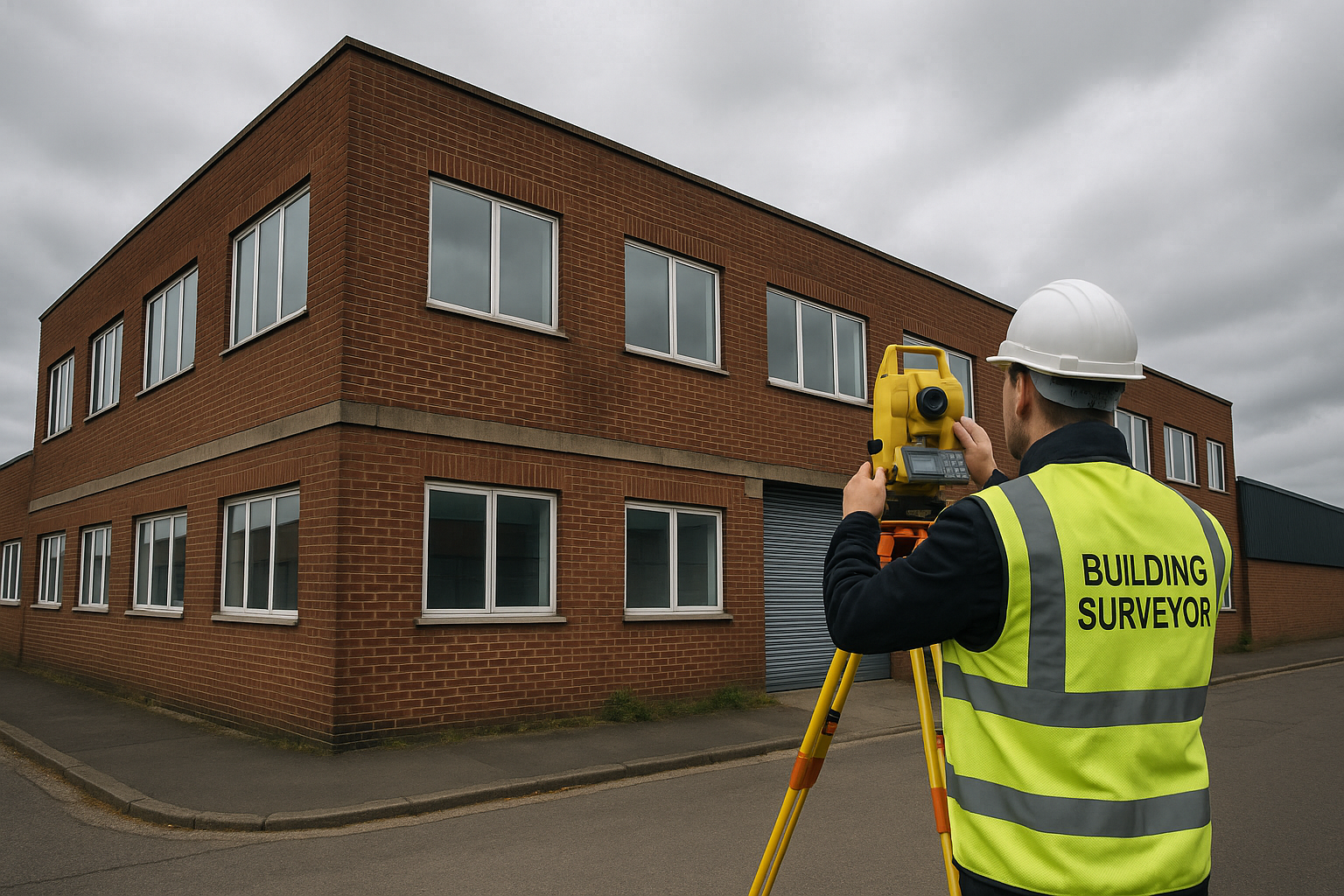
This is sometimes overlooked when people discuss the types of asbestos surveys, but it is a key part of compliance. Asbestos left in place must be monitored, not forgotten.
Where asbestos has already been identified, a re-inspection survey helps you keep records current and spot deterioration before it becomes a bigger problem.
When a re-inspection survey is needed
- At intervals set by your asbestos management plan
- After leaks, impact damage or fire
- After maintenance work near known asbestos materials
- When building use or access patterns change
- When previous records are old and need review
What the surveyor is checking
- Damage, deterioration or surface wear
- Changes in occupancy or likelihood of disturbance
- Whether labels, encapsulation or seals remain intact
- Whether the register and plan need updating
Practical advice: keep survey reports, plans and review dates in one controlled system. Facilities teams and contractors need quick access to current information, not an outdated PDF buried in an inbox.
Can asbestos surveys detect all forms of asbestos?
Not by visual inspection alone. A survey can identify suspect materials and record where asbestos is likely to be present, but laboratory analysis is needed to confirm whether a sampled material contains asbestos and, if so, what type.
This is where many people misunderstand the types of asbestos surveys. The survey type determines the purpose and level of access. It does not change the basic fact that asbestos identification relies on inspection plus sampling and analysis where appropriate.
Even a very good survey has limits. It can only inspect the areas included in the agreed scope and those that are safe and accessible at the time of the visit.
What a survey can and cannot do
- Can: identify suspect materials, assess condition, take samples and record locations
- Can: support an asbestos register and management decisions
- Cannot: confirm hidden materials in areas that remain inaccessible
- Cannot: make uninspected voids or sealed spaces asbestos-free by assumption
That is why the limitations section matters. If an area was not accessed, do not assume it is clear. If planned works later affect that area, further survey work may be needed.
Where a single suspect material needs checking outside a full survey, targeted asbestos testing can be useful. This is often used during maintenance, pre-purchase enquiries or when a contractor uncovers an unexpected board, tile or textured coating.
What happens during the different types of asbestos surveys
Knowing the types of asbestos surveys helps you book the right service, but it also helps to know what happens before, during and after the visit. Good preparation makes the report more useful and reduces delays.
Before the survey
You should be asked for property details, building use, previous asbestos information and access arrangements. For refurbishment or demolition work, the surveyor should also ask for drawings, work descriptions and the exact areas affected.
Prepare these in advance:
- Site contact details and access instructions
- Any previous survey reports or asbestos register
- Floor plans or marked-up layouts
- Details of restricted or high-risk areas
- Information on recent damage, leaks or alterations
During the survey
The surveyor inspects the agreed areas, identifies suspect materials, takes samples where required and records location, extent and condition. The level of intrusion depends on which of the types of asbestos surveys has been commissioned.
You may see localised opening-up works, warning labels or sample reference points. For intrusive surveys, minor making good may be limited unless agreed in advance.
Laboratory analysis and sampling
Visual assessment is not enough to confirm asbestos. Samples need to be analysed by a suitable laboratory.
If you need targeted checks outside a full survey, there is also a separate asbestos testing service for individual suspect materials. This can help when a survey is not the right first step but a material still needs identification.
After the survey
You should receive a report that clearly sets out findings, sample results, material assessments, photos, plans where relevant and any limitations. The next action depends on what has been found.
Typical next steps include:
- Adding findings to the asbestos register
- Updating the asbestos management plan
- Arranging a re-inspection schedule
- Planning remedial works or licensed removal where required
- Briefing contractors before maintenance or project work starts
How to choose the right survey for your property
If you are still weighing up the types of asbestos surveys, start with the building use and planned activity. The right answer usually becomes clear once you ask a few practical questions.
Ask these questions first
- Is the building occupied and in normal use?
- Are you planning maintenance only, or intrusive refurbishment works?
- Will any part of the structure be demolished?
- Do you already have an asbestos register and previous survey information?
- Has known asbestos been left in place and due for review?
Quick decision guide
- Occupied building, routine use: management survey
- Alterations, fit-out, upgrades or strip-out: refurbishment survey
- Full or partial demolition: demolition survey
- Known asbestos still present: re-inspection survey
Where clients go wrong is trying to save time by using a less intrusive survey than the work demands. That usually costs more in the long run once delays, emergency sampling and contractor downtime are added in.
Common mistakes people make with asbestos surveys
The types of asbestos surveys are straightforward once you match them to the building activity, but a few mistakes come up again and again.
- Booking a management survey when refurbishment is planned
- Giving the surveyor only the site address and no work scope
- Assuming inaccessible areas are asbestos-free
- Starting strip-out before the right survey is complete
- Failing to update the asbestos register after works
- Ignoring re-inspection needs for materials left in place
Another common issue is poor communication between the property team and contractors. If the report sits with head office but the site team never sees it, the survey has not done its job.
Actionable fix: keep the latest report, register and management information available on site and within your contractor control process. Anyone likely to disturb the fabric of the building should know what has been found, what has not been accessed and what restrictions apply.
When asbestos removal may be needed
Not every survey finding means asbestos must be removed. In many cases, asbestos-containing materials in good condition can be managed in place if they are unlikely to be disturbed.
Removal becomes more likely when materials are damaged, deteriorating, difficult to protect or in the path of planned works. Where that is necessary, use a competent provider for asbestos removal and make sure the work is planned around the survey findings, access arrangements and the nature of the material involved.
The key point is this: the different types of asbestos surveys help you identify and assess the risk. They are the starting point for informed management, repair, encapsulation or removal decisions.
Property location can affect logistics, not the survey type
The types of asbestos surveys do not change by city, but access arrangements, parking, occupancy constraints and project sequencing often do. A central London office fit-out can present very different practical challenges from a warehouse unit in the Midlands or a tenanted block in Greater Manchester.
If you need local support, Supernova provides services including asbestos survey London, asbestos survey Manchester and asbestos survey Birmingham. The survey category still depends on the building use and planned works, but local knowledge can help with access planning and programme coordination.
Frequently Asked Questions
Which of the types of asbestos surveys do I need for an occupied building?
In most cases, an occupied building in normal day-to-day use needs a management survey. This helps identify asbestos-containing materials that could be disturbed during routine occupation, maintenance or foreseeable minor works.
Can a management survey be used for refurbishment works?
No, not if the works will disturb the building fabric. A management survey is not designed to uncover all hidden materials in the work area. Before intrusive works begin, you usually need a refurbishment survey covering the exact scope of the project.
How often should asbestos be re-inspected?
There is no single fixed interval that suits every building. Re-inspection should take place at intervals set by the asbestos management plan and sooner if there has been damage, a change in use, maintenance near known asbestos or any sign that condition has worsened.
Can asbestos surveys confirm every hidden asbestos material?
No survey can confirm materials in areas that remain inaccessible or outside the agreed scope. Reports should clearly record limitations. If later works affect an uninspected area, additional survey work may be needed before the job starts.
What should I do if a survey finds asbestos?
Do not assume removal is the only option. Review the material type, condition, location and likelihood of disturbance. Some materials can be managed in place, while others may need repair, encapsulation, closer monitoring or removal before works proceed.
If you are unsure which of the types of asbestos surveys fits your property or project, Supernova Asbestos Surveys can help you scope it properly from the start. We carry out management, refurbishment, demolition, re-inspection and testing services nationwide. Call 020 4586 0680 or visit asbestos-surveys.org.uk to arrange the right survey for your site.