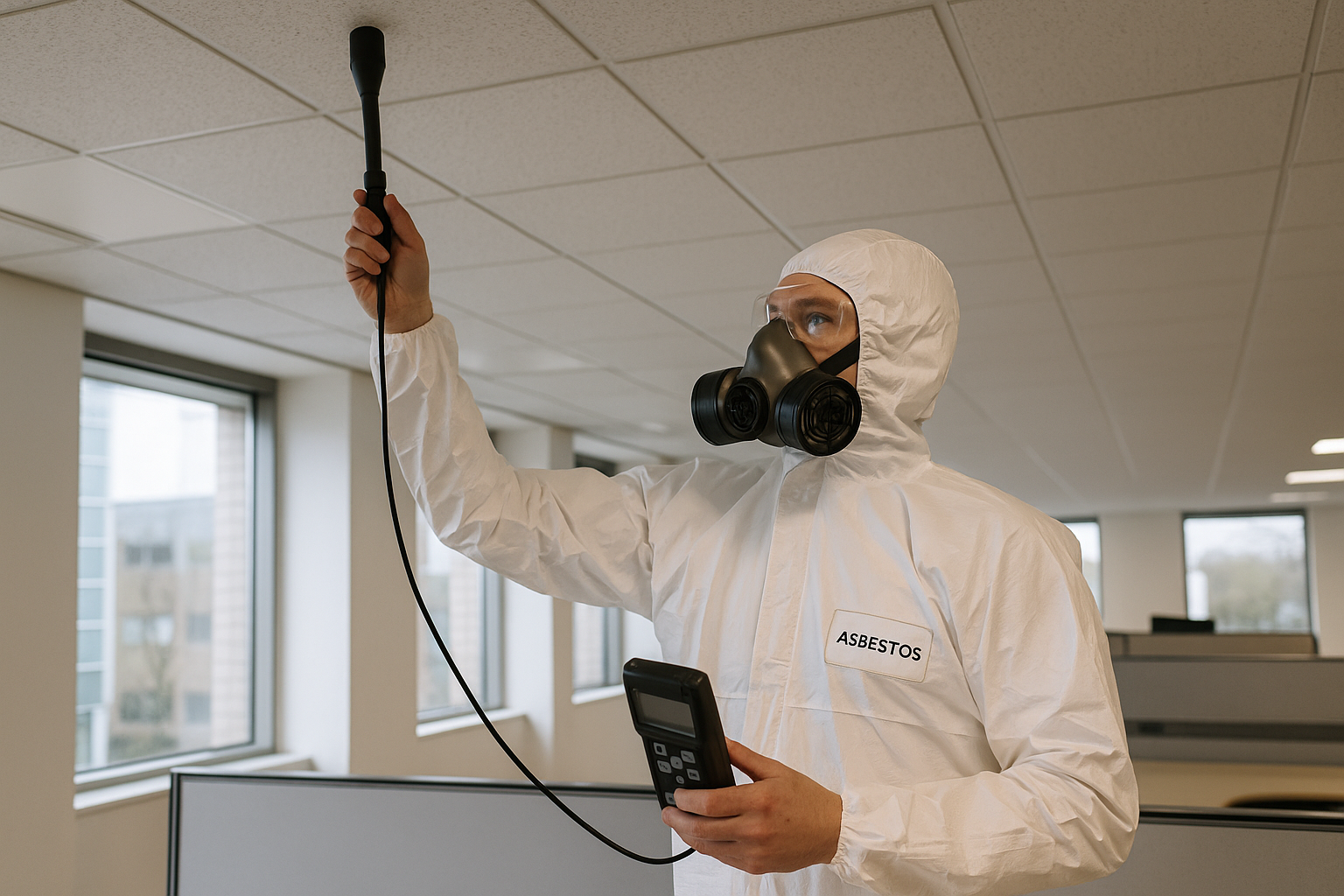
Choose the wrong asbestos survey course and the damage goes well beyond a wasted training budget. Poor training can lead to weak inspections, missed asbestos-containing materials, unsafe sampling and reports that do not help a duty holder make sound decisions under the Control of Asbestos Regulations, HSG264 and wider HSE guidance.
That matters because asbestos surveying is not a box-ticking exercise. It is practical, safety-critical work carried out in real buildings with real occupants, contractors and maintenance teams relying on the result.
If you are planning to become a surveyor, recruit one, or appoint a surveying company for your portfolio, understanding what a good asbestos survey course should deliver will help you spot genuine competence and avoid costly mistakes.
Who an asbestos survey course is really for
An asbestos survey course is mainly aimed at people who need to inspect buildings for suspected asbestos-containing materials, decide when sampling is appropriate and produce reports that stand up to scrutiny. It is also useful for people who commission surveys and need to judge whether a provider is competent.
Typical candidates include:
- New entrants aiming to become asbestos surveyors
- Existing asbestos consultants seeking a recognised qualification
- Health and safety professionals moving into asbestos work
- Facilities and estates managers overseeing compliance
- Maintenance managers responsible for older premises
- Housing associations and local authority property teams
- Contract managers appointing surveyors before works start
- Employers building an in-house surveying capability
For property managers, the value goes beyond passing an exam. Knowing what a trained surveyor should be able to do makes it easier to challenge vague reports, question poor scope decisions and appoint the right survey for the work planned.
Who may not need a full surveying qualification
Not everyone needs a full asbestos survey course. If a role only involves recognising that asbestos may be present and avoiding disturbance, asbestos awareness training may be more suitable.
Awareness training does not qualify anyone to survey, sample or assess asbestos-containing materials. If the job involves inspection, sampling strategy, material assessment or report writing, proper surveyor training is the right route.
Why asbestos surveying training matters so much
Asbestos is dangerous because tiny fibres can be released when materials are damaged or disturbed. Once inhaled, those fibres can remain in the lungs for many years and may lead to serious diseases including mesothelioma, asbestosis, asbestos-related lung cancer and pleural thickening.
The risk is not limited to major demolition projects. Everyday tasks such as drilling, cable runs, flooring replacement, ceiling access, bathroom upgrades and plant maintenance can disturb asbestos if it has not been identified first.
Why training must reflect real site risk
A worthwhile asbestos survey course needs to teach more than basic material recognition. Surveyors must understand how fibres are released, which materials are more friable, how building age and construction type affect likelihood, and how to inspect without creating unnecessary exposure.
They also need to know when sampling is necessary, how to take representative samples safely and how their findings influence management decisions. A poor survey can miss hidden asbestos, misidentify materials or trigger disturbance that should have been avoided.
What good training helps surveyors do
Strong training should prepare surveyors to:
- Select the correct survey type for the task
- Plan inspections before arriving on site
- Inspect systematically and safely
- Take representative samples where needed
- Record locations and material details accurately
- Assess condition and surface treatment consistently
- Write reports that are clear, usable and defensible
For duty holders, that competence has a direct effect on projects. The right survey at the right time helps prevent delays, repeat visits, uncontrolled exposure and disputes over whether the inspection was adequate.
What regulations and guidance apply to an asbestos survey course
No single qualification creates competence on its own. In the UK, competence comes from a combination of training, knowledge, supervised experience and the ability to work in line with recognised guidance.
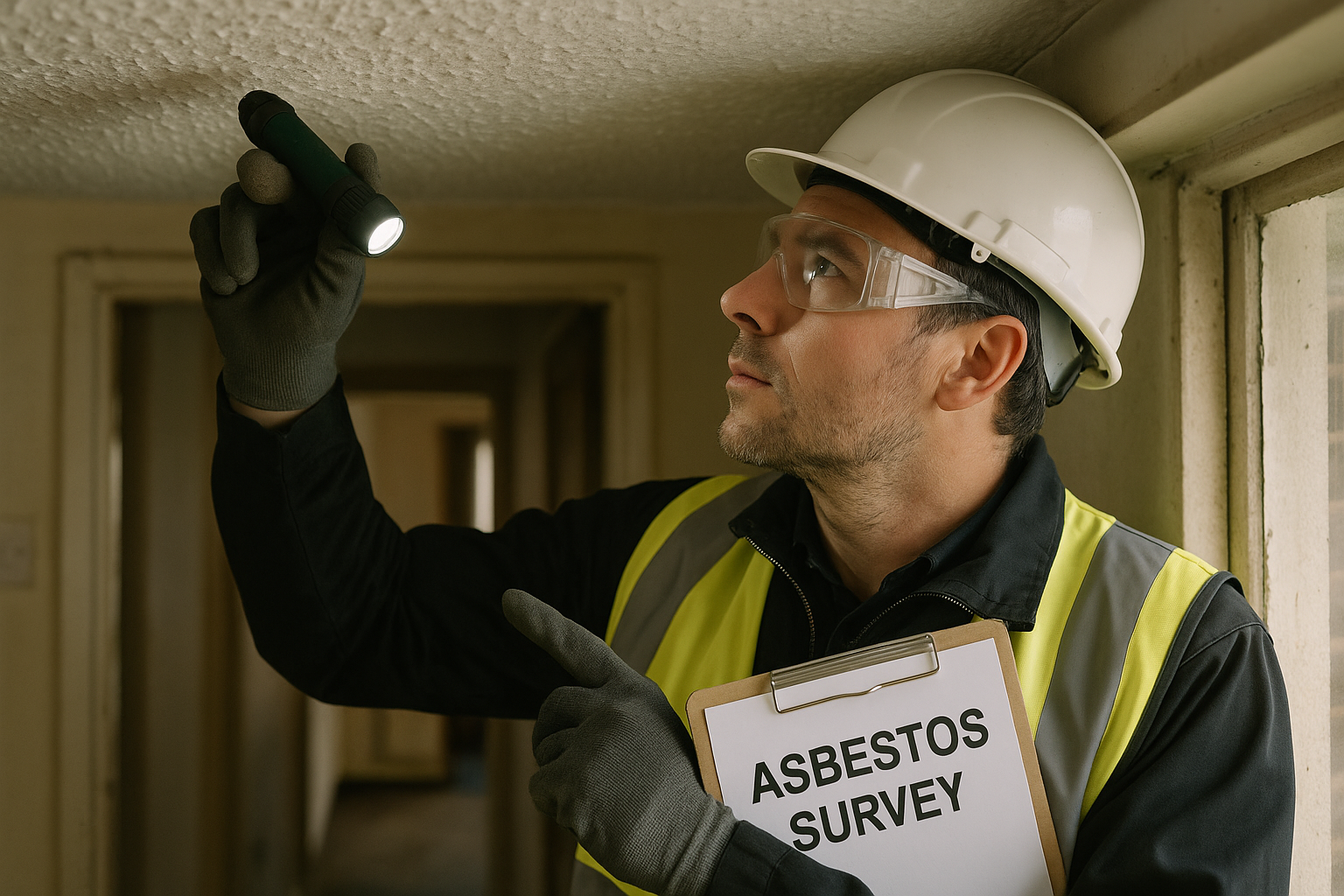
The main references are:
- Control of Asbestos Regulations – the legal framework for managing asbestos risk in premises and work activities
- HSG264 – the recognised benchmark for surveying, sampling and assessing asbestos-containing materials
- HSE guidance – wider expectations on competence, planning, safe working methods and asbestos management
A credible asbestos survey course should align closely with these requirements. If a training provider cannot explain how its syllabus reflects HSG264 and HSE expectations, treat that as a warning sign.
What competence really means
Competence usually involves a mix of:
- Recognised training and qualifications
- Supervised practical experience
- Understanding of survey methods and limitations
- Ability to produce accurate reports and asbestos registers
- Ongoing professional development
If you are employing or appointing a surveyor, do not ask only which asbestos survey course they attended. Ask how much field experience they have, who supervised their work and how their reports are checked for quality.
Understanding P402 and recognised asbestos survey qualifications
When people search for an asbestos survey course, they are often looking for BOHS P402, Surveying and Sampling Strategies for Asbestos in Buildings. It is one of the best-known qualifications for asbestos surveyors in the UK and is widely recognised across the industry.
P402 is not an awareness course. It is intended for people carrying out asbestos surveying as part of their professional role and focuses on the knowledge and practical approach needed to inspect buildings, identify suspected asbestos-containing materials, take bulk samples safely and record findings in line with accepted standards.
What P402 is designed to achieve
The aim of P402 is to prepare candidates to carry out asbestos surveys and sampling strategies in buildings using a structured method. That includes planning the survey, inspecting the premises, deciding where samples are needed and producing suitable records and reports.
Good providers will also explain the limits of surveying. Not every void can be accessed. Not every material can be sampled safely on the first visit. Sound judgement is part of competence.
Entry requirements and realistic expectations
Entry requirements vary by provider, but candidates usually benefit from some prior exposure to asbestos work, building inspection, construction methods or health and safety practice. A complete beginner can still take an asbestos survey course, but they will normally need more support and supervised site experience afterwards.
If you are recruiting a trainee surveyor, do not assume that passing P402 means they are ready to work unsupervised straight away. The qualification is a major step, but it is not the whole journey.
Typical progression after the course
After completing a recognised asbestos survey course, progression often includes:
- Supervised surveying on live sites
- Developing report-writing competence
- Further asbestos qualifications
- Broader consultancy work in asbestos management
- Internal quality assurance and auditing roles
Practical consolidation is usually the next stage. Surveyors need exposure to different building types, material conditions and access constraints before they become fully rounded professionals.
What a good asbestos survey course should cover
The best asbestos survey course providers are transparent about syllabus, assessment and learning outcomes. If the outline is vague, that is not a good sign.
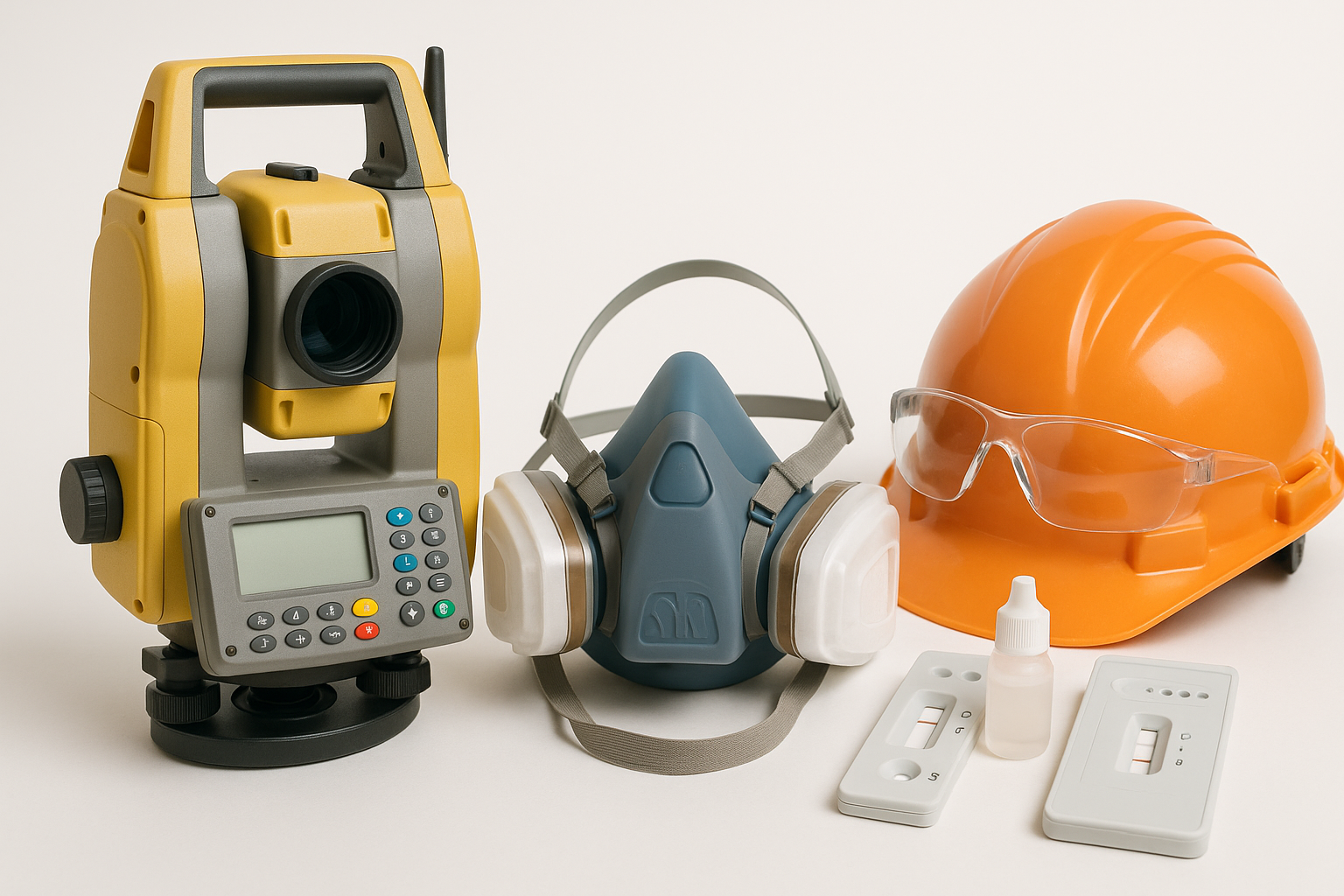
A robust course should cover both the theory behind asbestos risk and the practical realities of inspecting buildings. Candidates should leave understanding not just what asbestos is, but how to survey methodically and communicate findings clearly.
Core content you should expect
- Types, properties and common uses of asbestos
- Health effects associated with exposure
- Building construction and where asbestos is commonly found
- Legal duties under the Control of Asbestos Regulations
- HSG264 survey methodology
- Survey planning and scope definition
- Management surveys and intrusive pre-work surveys
- Sampling strategy and representative sample selection
- Safe sample collection techniques
- Use of PPE and RPE where appropriate
- Site notes, photographs, plans and location referencing
- Material assessment and condition recording
- Survey limitations and caveats
- Report writing and asbestos register preparation
Learning outcomes that matter in practice
By the end of a quality asbestos survey course, candidates should be able to:
- Explain why asbestos is hazardous and how exposure occurs
- Recognise common asbestos-containing materials in different premises
- Select the appropriate survey method for the job
- Carry out a systematic inspection of accessible areas
- Take or specify samples safely and appropriately
- Record findings accurately with clear location detail
- Describe limitations honestly where access is restricted
- Produce reports that support asbestos management decisions
Those outcomes matter because clients need usable information, not generic paperwork. A report should help a property manager understand what is present, where it is, what condition it is in and what action is needed next.
The practical element
Any worthwhile asbestos survey course needs a practical element. Surveying is hands-on work, so candidates should practise inspection technique, sample handling, note taking and material identification using realistic examples.
Before booking, ask providers:
- How much of the course is practical?
- How many candidates are in each group?
- Do tutors have real surveying experience?
- How is competence assessed?
- What support is available after the course?
Those details tell you far more about quality than marketing claims.
Choosing the right survey type is part of competence
A strong asbestos survey course should make clear that not all surveys are the same. One of the most common causes of failure is choosing the wrong survey type for the work planned.
A surveyor must understand the purpose, scope and limitations of each inspection. Property managers should understand this too, because appointing the wrong survey can leave asbestos unidentified where work is about to take place.
Management surveys
A management survey is designed to help duty holders manage asbestos during normal occupation and routine maintenance. It is usually the standard survey for occupied premises where the aim is to locate, as far as reasonably practicable, the presence and extent of asbestos-containing materials that could be disturbed during everyday use.
Training should explain that this type of survey is not intended to support intrusive construction work. Surveyors need to understand its limits and report those limits clearly.
Refurbishment and demolition-level inspections
Where more intrusive work is planned, the survey approach changes. Before structural strip-out or demolition, a demolition survey is needed to identify asbestos in the areas affected, including within hidden voids and behind finishes where access is necessary.
A good asbestos survey course should teach when intrusive access is required, how to define the scope properly and how to communicate the disruption and safety controls needed before inspection starts.
Practical advice for duty holders
If you are appointing a surveyor, ask these questions before work begins:
- What survey type is being proposed, and why?
- Does the scope match the planned works?
- Will any areas remain inaccessible?
- Will sampling be carried out, presumed or deferred?
- How will findings be reported and prioritised?
If the answers are vague, push for clarity before instruction. A clear scope at the start is far cheaper than discovering gaps once contractors are on site.
How to judge whether an asbestos survey course is worth the money
Course titles can sound impressive, but quality varies. The best way to assess an asbestos survey course is to look at what it teaches, who delivers it and what candidates are expected to do afterwards.
Signs of a credible course provider
- A clear syllabus mapped to HSG264 and HSE guidance
- Experienced tutors with surveying backgrounds
- Practical exercises, not only classroom slides
- Transparent assessment methods
- Realistic messaging about supervised experience after qualification
- Support with report writing and field application
Warning signs to watch for
- Claims that a short course makes candidates instantly competent to work alone
- Little or no practical training
- Vague references to compliance without naming HSG264
- No explanation of survey limitations
- Overemphasis on the certificate rather than real performance on site
If you are a property manager reviewing suppliers, use the same mindset when appointing a surveying company. Ask about qualifications, but also ask how surveyors are mentored, audited and quality checked.
What property managers should ask before appointing a surveyor
You do not need to take an asbestos survey course yourself to commission surveys properly, but you do need to know what good looks like. That is especially true if you manage a mixed estate with offices, schools, housing stock, retail units or industrial buildings.
Use this checklist when reviewing a surveyor or consultancy:
- What qualifications do the surveyors hold?
- How much supervised field experience do they have?
- How are reports reviewed for accuracy and consistency?
- Can they explain the difference between management, refurbishment and demolition surveys?
- How do they handle inaccessible areas and limitations?
- How quickly can they mobilise across your portfolio?
Location can matter too, especially for multi-site property teams. If you need local support, services such as asbestos survey London, asbestos survey Manchester and asbestos survey Birmingham can help reduce delays and simplify scheduling across regional assets.
Common misunderstandings about asbestos survey training
There are a few myths that regularly cause problems when people search for an asbestos survey course or try to appoint a surveyor. Clearing them up early can save time and reduce risk.
“A certificate means full competence”
Not on its own. A qualification is valuable, but competence also depends on supervised experience, judgement, report-writing ability and quality assurance.
“Any asbestos training is enough to survey”
It is not. Awareness training, non-licensed work training and surveyor training serve different purposes. Surveying requires specific knowledge of inspection methods, sampling strategy and reporting.
“One survey type suits every project”
It does not. A management survey is not a substitute for an intrusive pre-refurbishment or pre-demolition inspection. The survey must match the work planned.
“A good report is just a list of asbestos items”
A good report should do far more. It needs to identify locations clearly, describe condition, explain limitations, record sample outcomes and support practical management decisions.
Practical next steps if you are considering an asbestos survey course
If you are thinking about booking an asbestos survey course, take a structured approach. That will help you choose training that matches your role and avoid unrealistic expectations.
- Define your aim. Are you training to become a surveyor, to recruit one, or to assess suppliers more confidently?
- Check the syllabus. Make sure it covers HSG264-aligned surveying, sampling strategy, reporting and limitations.
- Ask about practical work. A course without hands-on elements is unlikely to prepare you properly.
- Plan supervised experience. Build in mentoring and site exposure after the course.
- Review reporting standards. Good surveying is only useful if the report is clear and actionable.
If you are an employer, pair training with shadowing, report reviews and gradual exposure to more complex sites. If you are a property manager appointing consultants, use the same principles to test whether a provider’s team is genuinely competent.
Why experienced surveying support still matters
Even with the right asbestos survey course, surveying quality depends on how knowledge is applied on site. Buildings are messy, access is often limited and scope can change once work starts.
That is why experienced supervision, strong internal quality control and clear client communication matter so much. The best surveying outcomes come from a combination of recognised training, practical experience and robust reporting standards.
If you need reliable asbestos surveying support for occupied premises, refurbishment planning or demolition projects, Supernova Asbestos Surveys can help. We carry out surveys nationwide, provide clear reporting and support property managers in making safe, compliant decisions. Call 020 4586 0680 or visit asbestos-surveys.org.uk to arrange a survey or discuss your requirements.
Frequently Asked Questions
Is an asbestos survey course enough to become a competent surveyor?
No. A recognised asbestos survey course is an important step, but competence also requires supervised practical experience, sound judgement, good report-writing skills and ongoing development in line with HSG264 and HSE guidance.
What qualification do asbestos surveyors usually take?
Many asbestos surveyors take BOHS P402, which is widely recognised in the UK for surveying and sampling strategies in buildings. It is a respected qualification, but it should be backed by field experience and quality assurance.
Do facilities managers need to take an asbestos survey course?
Not always. Facilities managers who only need to understand survey quality and appoint competent providers may not need full surveyor training. However, understanding what a proper asbestos survey course includes can help them make better commissioning decisions.
What is the difference between asbestos awareness and surveyor training?
Asbestos awareness training teaches people how to recognise the possibility of asbestos and avoid disturbing it. Surveyor training goes much further and covers inspection methods, sampling strategy, material assessment, reporting and survey limitations.
How do I know if a surveyor has been trained properly?
Ask about qualifications, supervised experience, report review procedures and how their work aligns with HSG264. A well-trained surveyor should be able to explain survey scope, limitations, sampling decisions and reporting clearly.