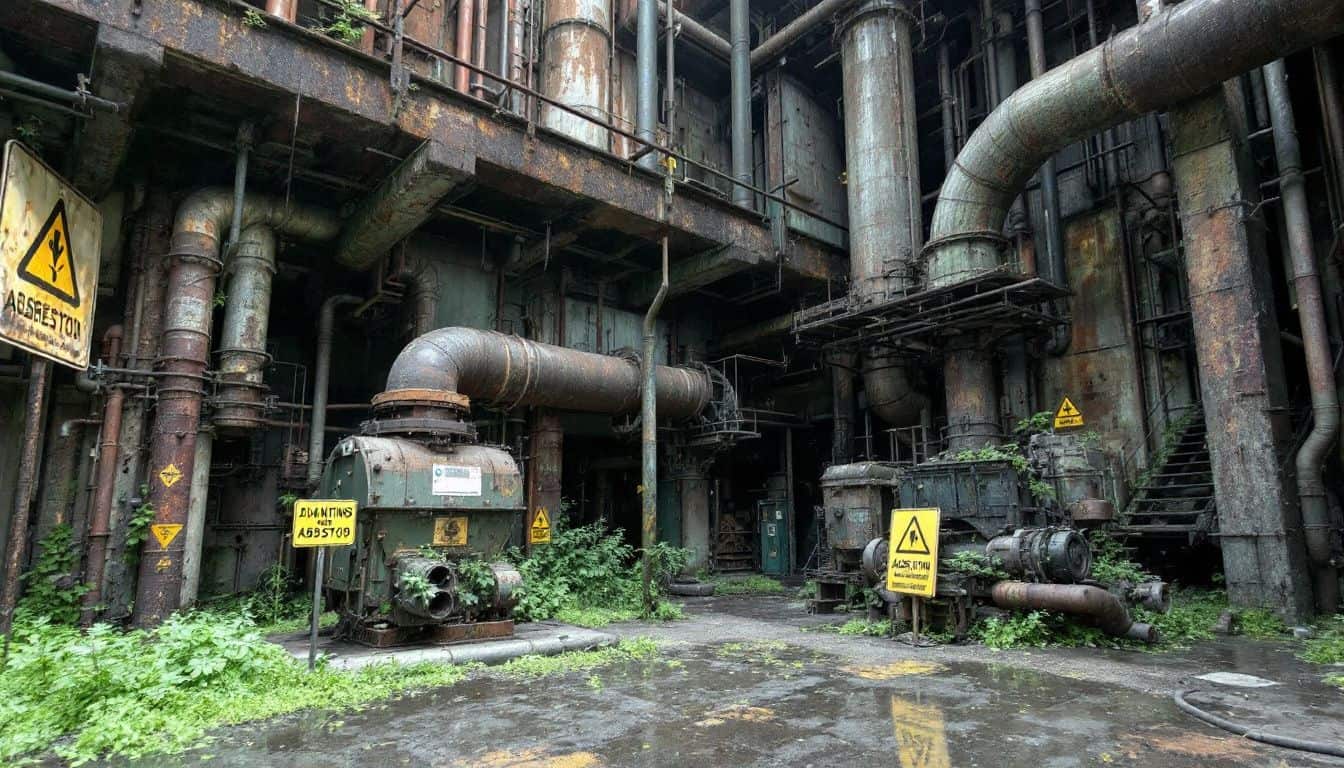
Asbestos Legal Claims: What UK Victims Need to Know About Their Rights
Thousands of people across the UK are diagnosed with asbestos-related diseases every year — mesothelioma, asbestosis, lung cancer, and pleural thickening among them. If you or someone you love has been affected, understanding your rights around asbestos legal claims could make the difference between receiving fair compensation and being left without the support you deserve.
The legal landscape for asbestos victims has shifted dramatically over recent decades. Landmark court decisions, new legislation, and improved medical standards have all expanded what victims can claim — and who they can hold accountable. Here is what you need to know.
How UK Asbestos Law Has Evolved to Protect Victims
Asbestos was used extensively in UK construction and industry throughout the twentieth century. By the time its dangers were widely acknowledged, countless workers had already been exposed. The law has had to catch up — and in many respects, it has.
The Compensation Act brought significant reform, making employers jointly and severally liable for asbestos exposure that leads to mesothelioma. In practical terms, this means a victim can pursue a single employer for the full amount of damages, even if they were exposed across multiple workplaces. That shift removed one of the most frustrating barriers victims previously faced.
Earlier court reforms also restructured how asbestos claims are processed. The introduction of the Mesothelioma Fast Track system was a direct result — allowing victims to receive interim payments within a defined, accelerated timeframe. For someone facing a terminal diagnosis, that speed matters enormously.
The Diffuse Mesothelioma Payment Scheme
For victims who cannot trace a liable employer or insurer, the Diffuse Mesothelioma Payment Scheme provides a route to compensation. It supports those diagnosed after 25 July 2012 who would otherwise have no means of pursuing a civil claim.
The scheme is designed to deliver fair civil damages to people who have fallen through the gaps of traditional litigation. It reflects a broader recognition that asbestos victims should not be penalised simply because employers have dissolved or insurers have become untraceable.
Landmark Cases That Shaped Asbestos Legal Claims in the UK
Several court decisions have fundamentally altered how asbestos legal claims are pursued and won. Understanding these cases helps victims and their families appreciate the legal tools now available to them.
The Fairchild Case
The Fairchild case is arguably the most significant ruling in the history of UK asbestos litigation. The House of Lords established that mesothelioma claimants are entitled to recover 100% of their damages, even where exposure occurred across multiple employers.
Before this ruling, proving which specific employer caused the disease was often impossible — mesothelioma can lie dormant for decades, and the precise moment of causation cannot be identified. The Fairchild decision resolved this by allowing claims to succeed on the basis of materially increased risk rather than pinpoint causation.
The Barker Case and the Compensation Act Response
The Barker case initially threatened to undermine Fairchild by suggesting that liability should be apportioned between employers rather than held jointly. Parliament responded swiftly, passing legislation to restore the position that victims could claim the full amount from any one liable employer.
This legislative response demonstrated that UK law is capable of adapting quickly when court decisions risk harming victims’ rights. It remains one of the clearest examples of Parliament acting to protect asbestos claimants.
Pleural Plaques and the House of Lords Decision
A significant ruling determined that pleural plaques — a marker of asbestos exposure — do not in themselves constitute a compensable injury. This was a setback for some claimants, but it reinforced the legal focus on serious, symptomatic conditions like mesothelioma and asbestosis.
Lawyers working on asbestos legal claims now place greater emphasis on robust medical evidence to demonstrate genuine injury and link it clearly to negligent exposure.
Supreme Court Ruling on Firefighter Exposure
A more recent Supreme Court ruling confirmed that firefighters exposed to asbestos through their breathing equipment can pursue negligence claims. This expanded the scope of who qualifies as a victim and signalled that courts remain willing to broaden protections where occupational exposure has been inadequately managed.
The Role of Medical Evidence in Asbestos Legal Claims
No asbestos legal claim succeeds without strong medical evidence. Courts need to see a clear diagnosis, a documented link between that diagnosis and asbestos exposure, and evidence that the exposure resulted from someone else’s negligence.
How Diagnostic Standards Have Improved
In earlier decades, mesothelioma was frequently misdiagnosed as lung cancer or other respiratory conditions. Victims received inappropriate treatment and, crucially, their legal cases were weakened by inaccurate medical records.
Today, multi-disciplinary specialist teams assess asbestos-related conditions with far greater accuracy. Oncology specialists, respiratory physicians, and specialist nurses work together to produce the kind of detailed, precise diagnoses that support successful claims. This improvement in healthcare standards has had a direct and positive effect on asbestos legal claims.
What Your Medical Report Should Include
A strong medical report in an asbestos claim will typically cover:
- A confirmed diagnosis of the asbestos-related condition
- The likely latency period and timeline of exposure
- Confirmation that the condition is consistent with asbestos inhalation
- Details of symptoms, prognosis, and treatment requirements
- Any secondary conditions or complications arising from the primary diagnosis
Your legal team will work with medical experts to ensure the report is as thorough as possible. The rise in specialist asbestos claims has led many law firms to build dedicated medical liaison teams for exactly this purpose.
Who Can Make an Asbestos Legal Claim?
Eligibility is broader than many people realise. The following groups may all have valid claims:
- Workers directly exposed to asbestos in industries such as construction, shipbuilding, manufacturing, and power generation
- Secondary exposure victims — for example, family members who washed contaminated work clothing
- Individuals exposed in schools, hospitals, or other public buildings
- Firefighters and emergency service workers exposed through their duties
- Family members making a claim on behalf of a deceased loved one
If you are unsure whether your circumstances qualify, specialist legal advice is essential. Many solicitors offer initial consultations at no cost, so there is nothing to lose by making an enquiry.
How to Pursue an Asbestos Legal Claim: A Step-by-Step Guide
If you believe you have grounds for an asbestos legal claim, the process can feel daunting. Breaking it into clear steps makes it more manageable.
- Get a confirmed diagnosis. Before anything else, ensure your condition has been accurately diagnosed by a specialist. This is the foundation of your claim.
- Gather your employment history. Identify every workplace where you may have been exposed to asbestos. Records, payslips, and witness statements from former colleagues all help establish the timeline.
- Trace former employers and their insurers. Your solicitor will search insurance records to identify who holds liability. This is often complex, particularly for exposure that occurred decades ago.
- Apply for interim payment if eligible. If your case qualifies under the Mesothelioma Fast Track, you may be able to receive an accelerated interim payment.
- Build your evidence file. Collect workplace safety records, health and safety reports, and any documentation showing how asbestos was handled at your place of work.
- Instruct a specialist solicitor. Asbestos litigation is a specialist area. Use a solicitor regulated by the Solicitors Regulation Authority who has demonstrable experience in this field.
- Stay informed about your rights. The law continues to evolve. Your solicitor should keep you updated on any changes that may affect your claim.
Asbestos Legal Claims Across the UK: Why Location Matters
Asbestos exposure was not confined to one region — it affected workers across every part of the UK. Certain industries were more heavily concentrated in specific areas, which means asbestos-related diseases often cluster geographically.
Shipbuilding was dominant in cities like Glasgow, Newcastle, and Belfast. Manufacturing and construction were widespread across the Midlands and the North. Understanding where exposure occurred is important both for tracing liability and for accessing appropriate local legal and medical support.
If you are based in London and need to understand what asbestos may be present in a property connected to your exposure history, an asbestos survey London can provide a detailed assessment of the materials present and their condition — producing independent evidence that can strengthen a legal case.
For those in the North West, where industrial exposure was particularly prevalent, an asbestos survey Manchester can help identify ongoing risks in older buildings that may still contain asbestos-containing materials, while also creating a documented record relevant to any legal proceedings.
Similarly, if you are in the Midlands — a region with a significant industrial heritage — an asbestos survey Birmingham can document the presence of asbestos in properties where historic exposure may have occurred. Having a professional survey on record can support legal claims by providing independent evidence of asbestos presence in a specific building or workplace.
The Role of Asbestos Surveys in Supporting Legal Claims
A professional asbestos survey does more than identify risk — it creates a formal, documented record of what materials are present, where they are located, and what condition they are in. That record can be invaluable in legal proceedings.
If a claimant can demonstrate that a specific building contained asbestos-containing materials in a deteriorating or disturbed state, and that they worked or lived in that building during the relevant period, it adds significant weight to the case. Surveys carried out by accredited professionals carry authority that informal accounts cannot match.
Under the Control of Asbestos Regulations, duty holders responsible for non-domestic premises are legally obliged to manage asbestos safely. Where that duty has been neglected, a survey can expose the failure — and the legal liability that follows from it. The HSE’s guidance document HSG264 sets out the standards to which such surveys must be conducted, meaning a survey completed in accordance with that guidance carries considerable credibility in legal proceedings.
Management Surveys Versus Refurbishment and Demolition Surveys
Not all asbestos surveys serve the same purpose, and understanding the distinction matters when building a legal case.
A management survey identifies asbestos-containing materials that could be disturbed during normal occupation and day-to-day maintenance. It is the standard survey required for most occupied buildings and establishes a baseline record of what is present.
A refurbishment and demolition survey is more intrusive and is required before any significant building work takes place. It locates all asbestos-containing materials that might be disturbed by the planned works. If a building was refurbished without such a survey being conducted — and workers were subsequently exposed — that omission can be directly relevant to an asbestos legal claim.
Ensuring the right type of survey was carried out at the right time is something a specialist solicitor will examine closely when assessing a claim.
Secondary Exposure: An Often-Overlooked Basis for Claims
Secondary exposure to asbestos — sometimes called para-occupational exposure — is a significant and frequently underestimated source of asbestos-related disease. It occurs when someone is exposed to asbestos fibres not through their own work, but through contact with a worker who brought fibres home on their clothing, hair, or skin.
Family members — particularly spouses and children — who laundered work clothing, or who simply lived in the same household as an asbestos worker, have developed mesothelioma and other asbestos-related conditions as a result. Courts have recognised secondary exposure as a valid basis for asbestos legal claims, and case law has confirmed that employers owed a duty of care not only to their employees but, in some circumstances, to those foreseeably at risk from their employees’ exposure.
If you believe you may have been secondarily exposed, do not assume your claim is weaker or less valid. Specialist legal advice will help you assess the strength of your position.
The Future of Asbestos Legal Claims in the UK
The legal landscape for asbestos victims continues to develop. Several trends suggest that rights will expand further in the years ahead.
Ongoing Campaigns and Legal Reform
Support groups, trade unions, and charities continue to lobby for stronger legal protections and higher compensation levels. Research initiatives collecting and analysing data from mesothelioma patients are improving the medical evidence base that underpins legal claims.
As medical understanding of asbestos-related diseases deepens, the law is likely to respond by recognising new categories of harm and expanding the groups who can claim. Legislative reform remains an active area of discussion within legal and medical circles.
Buildings Still Containing Asbestos
Any building constructed or substantially renovated before the year 2000 may contain asbestos-containing materials. Many of these buildings are still in use — schools, hospitals, offices, and residential properties.
As long as asbestos remains in situ in the built environment, the risk of future exposure — and future asbestos legal claims — remains real. Proactive surveying and management is not only a legal obligation for duty holders; it is the most effective way to prevent the next generation of asbestos-related disease cases from reaching the courts.
For property managers, employers, and building owners, commissioning a professional asbestos survey is both a regulatory requirement and a practical step towards demonstrating that duty of care has been properly discharged. Failure to do so creates legal exposure that can prove extremely costly.
Frequently Asked Questions
How long do I have to make an asbestos legal claim?
In most cases, the limitation period for personal injury claims in England and Wales is three years from the date of diagnosis or from the date you became aware that your condition was linked to asbestos exposure. For claims on behalf of a deceased person, the three-year period typically runs from the date of death. Courts do have discretion to extend this period in exceptional circumstances, but it is always advisable to seek legal advice as early as possible rather than risk missing the deadline.
Can I make a claim if my employer no longer exists?
Yes. Many successful asbestos legal claims involve employers that have since dissolved or gone into administration. Your solicitor will trace the employer’s historic insurers through specialist insurance databases. Alternatively, if no insurer can be identified, the Diffuse Mesothelioma Payment Scheme may provide a route to compensation for eligible claimants diagnosed with mesothelioma.
Will I need to go to court to pursue an asbestos legal claim?
The majority of asbestos legal claims are settled out of court. Defendants — particularly insurers — generally prefer to negotiate a settlement rather than face the costs and uncertainty of a trial. However, your solicitor should always prepare your case as though it will go to court, because that preparation is what gives you the strongest possible negotiating position.
Can family members claim on behalf of someone who has died from an asbestos-related disease?
Yes. Under the Law Reform (Miscellaneous Provisions) Act and the Fatal Accidents Act, family members can pursue a claim on behalf of a deceased loved one. The estate may claim for the pain, suffering, and financial losses the deceased experienced before death, while dependants may also claim for their own financial losses resulting from the bereavement. Specialist legal advice is essential to ensure all available heads of claim are pursued.
Does an asbestos survey help support a legal claim?
A professionally conducted asbestos survey — carried out in accordance with HSE guidance document HSG264 and the Control of Asbestos Regulations — creates an independent, documented record of asbestos-containing materials in a specific building. If that survey reveals asbestos in a deteriorated or disturbed state in a building where a claimant worked or lived, it can provide powerful corroborating evidence in legal proceedings. It can also demonstrate a duty holder’s failure to manage asbestos safely, which is directly relevant to establishing negligence.
Get Expert Asbestos Survey Support From Supernova
Whether you are a property manager seeking to fulfil your legal obligations, or an individual looking to gather evidence in support of an asbestos legal claim, Supernova Asbestos Surveys can help. With over 50,000 surveys completed nationwide, our accredited surveyors work to the highest professional standards — producing detailed, credible reports that stand up to scrutiny.
We operate across the UK, including London, Manchester, Birmingham, and every region in between. To book a survey or discuss your requirements, call us on 020 4586 0680 or visit asbestos-surveys.org.uk.