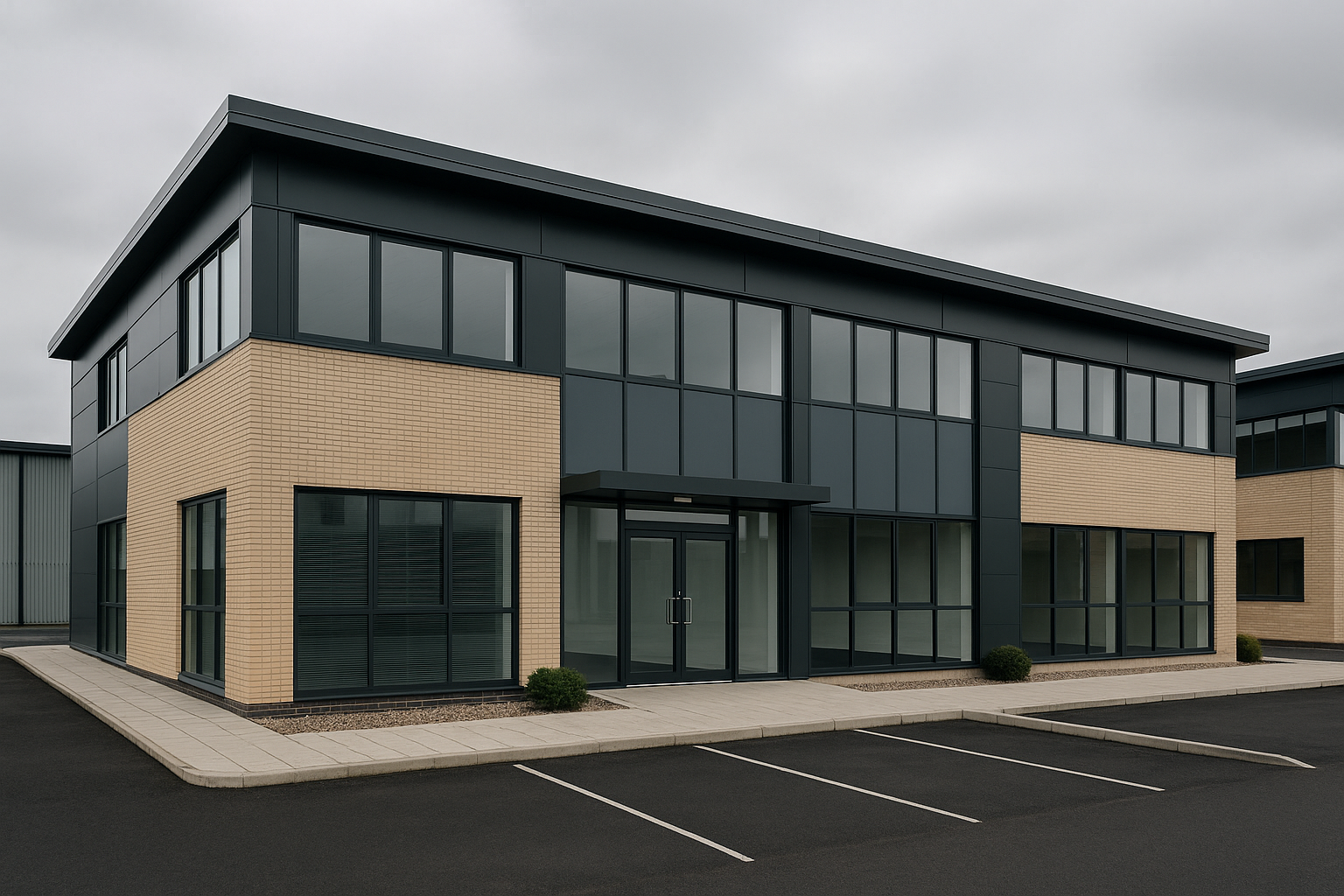
A hidden asbestos issue can wreck a commercial programme long before anyone picks up a tool. Asbestos removal cost is rarely just a line item for waste disposal; it affects access, sequencing, tenant disruption, legal compliance, insurance discussions and the real viability of refurbishment or demolition works.
For property managers, developers, FM teams and dutyholders, the biggest mistake is budgeting too late. Supernova Asbestos Surveys has completed more than 50,000 surveys nationwide, and the pattern is consistent: identify asbestos early, define the scope properly, and the asbestos removal cost is usually lower than it would be under pressure.
Under the Control of Asbestos Regulations, supported by HSG264 and wider HSE guidance, the right approach depends on the material, its condition and the work planned. If intrusive works are coming, a refurbishment survey is often the right first step, while full strip-out or clearance projects may need a demolition survey.
Asbestos removal cost: what commercial clients should expect
Commercial asbestos jobs vary hugely, so there is no honest one-size-fits-all figure. A small, accessible low-risk item may cost a few hundred pounds, while licensed removal in a live building can run into many thousands once enclosures, analyst attendance and phased access are involved.
That is why the cheapest quote is often the most expensive decision. If key compliance steps are missing, the initial saving can disappear into delays, re-attendance, project disruption or enforcement risk.
A compliant commercial quote may include:
- Site set-up and segregation
- Risk assessments and plans of work
- Licensed, non-licensed or notifiable non-licensed operatives
- Scaffolding or specialist access equipment
- Enclosures and negative pressure units where required
- Personal protective equipment and decontamination procedures
- Packaging, transport and hazardous waste disposal
- Independent air monitoring and clearance where applicable
- Out-of-hours working or phased access arrangements
- Coordination with other contractors
If a quote looks unusually low, ask what has been excluded. That one question often tells you whether you are comparing genuine compliance or just headline numbers.
Average asbestos removal prices (UK, 2025) for budgeting
Many commercial clients search for average asbestos removal prices (UK, 2025) because they need early-stage budget figures before tendering wider works. That is reasonable, but online averages should only be treated as planning guides.
The real asbestos removal cost depends on risk, method, access and logistics rather than floor area alone. Still, broad budgeting bands can help when you are preparing a capital works plan.
Typical commercial budgeting ranges
- Small low-risk removals: often from a few hundred pounds
- Minor internal works with moderate controls: commonly from the high hundreds into the low thousands
- Multi-room or phased projects: often several thousands
- Licensed high-risk removals: many thousands, sometimes significantly more on complex sites
These are not fixed tariffs. The same material can sit in very different price bands depending on whether it is intact, accessible and in a vacant area, or damaged, high level and inside an occupied building.
Why averages can mislead
An online average rarely reflects commercial realities such as restricted access, permit systems, tenant liaison, traffic management, analyst attendance or the need to keep parts of a site operational. A plant room in a city-centre office and an outbuilding in an open yard may contain similar asbestos materials, but the asbestos removal cost can be dramatically different.
If you need a meaningful budget, use survey findings and a site-specific scope. Generic internet figures are useful for rough planning, not procurement.
What drives asbestos removal cost?
If you want to compare quotations properly, focus on the variables that genuinely change the price. Asbestos removal cost is driven by risk and control measures, not just by how much material is present.
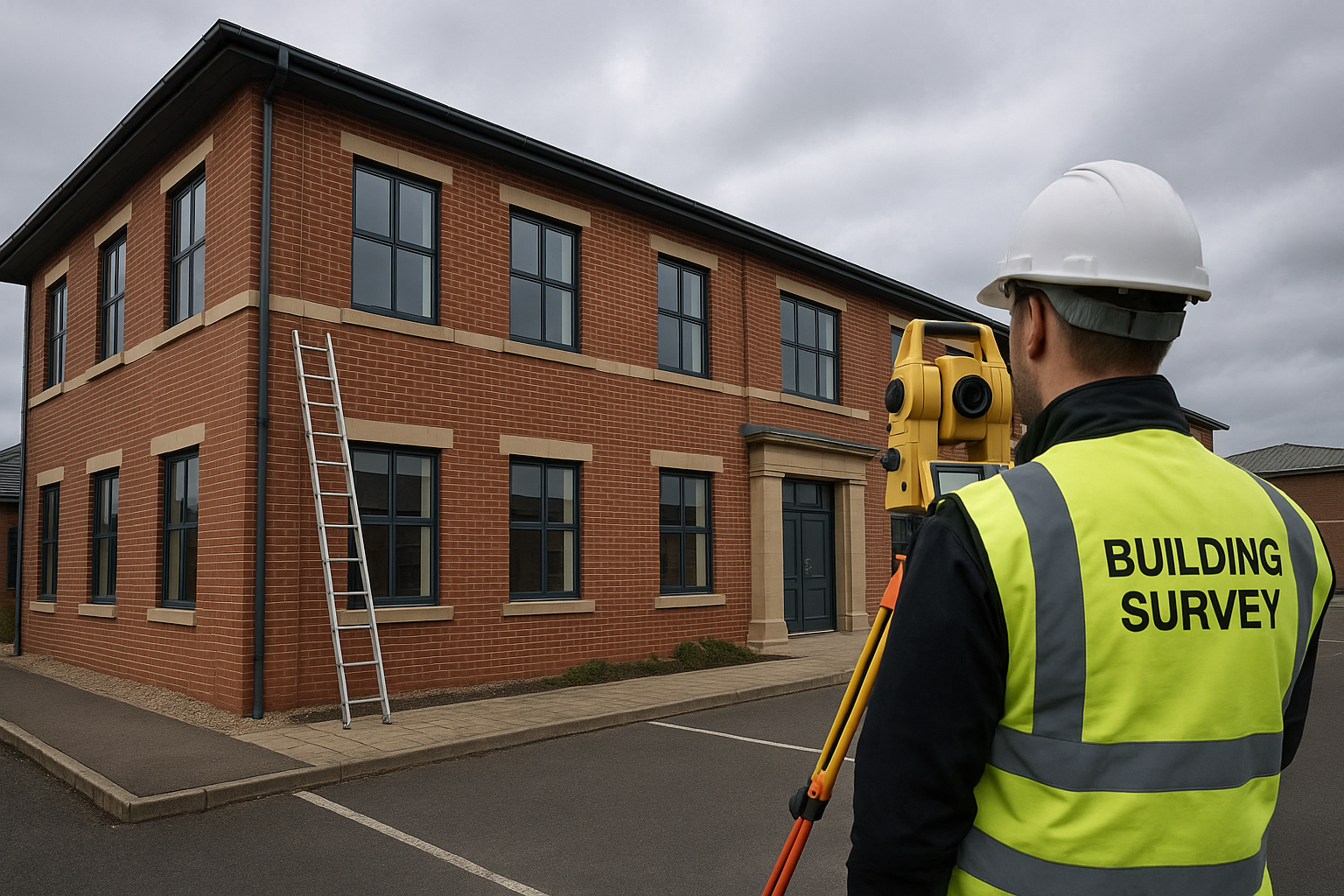
Type of asbestos-containing material
This is usually the biggest factor. Some products hold fibres tightly, while others release fibres more easily when damaged or disturbed.
Common materials in commercial buildings include:
- Asbestos cement sheets, gutters and downpipes
- Asbestos garage roofs
- Asbestos cement flues
- Textured coatings such as Artex
- Floor tiles and bitumen adhesive
- Asbestos insulation board
- Pipe lagging and thermal insulation
- Contaminated debris in risers, voids and basements
Asbestos cement products are often cheaper to remove than friable materials such as AIB or pipe lagging. Once the material becomes more fragile, the controls become more expensive.
Condition of the material
Intact material is usually simpler and cheaper to deal with than broken, delaminated or weathered material. If previous trades have drilled, snapped, sanded or disturbed it, the asbestos removal cost tends to rise quickly.
This is why emergency call-outs are so expensive. A manageable issue can become a contamination problem in minutes.
Accessibility and working environment
Material in an open, vacant area is not priced the same as material above a suspended ceiling in an occupied office or in a live plant room. Restricted access means more labour time, more controls and often more equipment.
Costs rise where the contractor needs:
- Scaffolding or mobile elevated work platforms
- Fragile roof controls
- Confined space procedures
- Out-of-hours access
- Temporary closures or decants
- Extra segregation in public-facing areas
- Security clearance or permit systems
Licensed, non-licensed and notifiable non-licensed work
Not all asbestos work falls into the same category. Some tasks are non-licensed, some are notifiable non-licensed work, and some must be undertaken by a licensed asbestos contractor.
Licensed work generally costs more because it often involves:
- Detailed plans of work
- Enclosures
- Negative pressure units
- Decontamination units
- Stricter site controls
- Independent analyst attendance and clearance
If a contractor does not clearly explain which category applies, ask before appointing them. It is one of the quickest ways to test whether the quote has been prepared properly.
Location and logistics
Regional variation matters. Labour rates, disposal charges, parking, congestion and access restrictions all affect asbestos removal cost, especially in city centres.
Supernova supports clients nationwide, including those needing an asbestos survey London service, as well as support through our asbestos survey Manchester team and asbestos survey Birmingham team.
Programme pressure
Urgent asbestos work is rarely good value. If demolition has started without the right survey, ceilings have been opened unexpectedly, or contractors are standing by, you may face premium labour, delay claims and rushed decision-making.
The lowest asbestos removal cost usually comes from early identification and proper sequencing, not last-minute fire-fighting.
Cost examples for common asbestos jobs
Commercial clients often want realistic examples rather than theory. The figures below are broad planning ranges only, but they show how different materials and working conditions affect asbestos removal cost.
Asbestos garage roofs
Asbestos garage roofs are one of the most commonly searched removal jobs. On commercial estates, schools, depots, industrial yards and mixed-use sites, they are often formed from asbestos cement sheets.
Where the sheets are intact and easy to access, removal is usually more straightforward than internal licensed work. Costs rise where garages are in rows, roofs are fragile, access is tight or replacement works must be coordinated.
Typical cost factors include:
- Number of garages or outbuildings
- Ease of access for operatives and waste loading
- Condition of sheets and fixings
- Need for scaffold, edge protection or traffic management
- Whether the job is disposal only or strip-and-replace
A single small garage roof may sit in the low hundreds to low thousands. Multiple units on an estate can move into several thousands, especially where welfare, segregation and waste logistics are more involved.
Asbestos cement flues
Asbestos cement flues can look simple on paper but become more expensive where they pass through roofs, risers, ceiling voids or service zones. Removal may require opening up, temporary making-good and careful coordination with roofing or M&E contractors.
Budget figures depend on:
- Length and diameter of the flue
- Whether it is internal or external
- How many building elements it passes through
- Access at roof level
- Condition and fixings
- Whether associated debris is present
A short, accessible section may be relatively modest in cost. A flue running through several storeys or through a fragile roof can be far more expensive than the material volume suggests.
Pipe lagging
Pipe lagging is among the most expensive asbestos materials to remove safely. It is high risk, friable and often found in awkward service areas such as plant rooms, basements, ducts and live risers.
Licensed removal is commonly required, along with enclosures, decontamination arrangements and independent analyst attendance. The asbestos removal cost for pipe lagging can climb rapidly because the work often affects wider building operations.
Expect higher costs where:
- Services need isolating before work starts
- The lagging is damaged or debris is present
- Access is restricted
- Works must be phased around occupiers
- Analyst attendance is needed over several stages
Even a relatively small length of lagged pipework can cost more than a much larger quantity of asbestos cement. Material risk matters more than size alone.
Asbestos insulation board (AIB)
AIB is one of the biggest commercial cost drivers. It was widely used in partitions, risers, ceiling tiles, service cupboards, fire breaks and plant areas.
Because AIB is more friable than cement products, removal often requires licensed contractors, enclosures and independent clearance. Small isolated panels may cost from the high hundreds into the thousands, while multi-area AIB projects can escalate quickly.
Costs rise sharply where AIB is found in:
- Service risers across multiple floors
- Ceiling voids with poor access
- Fire protection behind panels or doors
- Occupied buildings needing strict segregation
- Projects requiring phased removal to maintain operations
Textured coatings and Artex
Textured coatings often catch clients out. The material may be lower risk when left undisturbed, but removal can still be labour-intensive, especially across multiple rooms or high ceilings.
Single-room removal may cost from the high hundreds into the low thousands. Multi-room or multi-floor projects can increase significantly where phasing or out-of-hours working is required.
Where refurbishment will disturb the surface, leaving it in place may not save money in the long run. If the coating will remain undisturbed, encapsulation or overboarding can sometimes reduce asbestos removal cost.
Asbestos floor tiles and bitumen adhesive
Older offices, schools and public buildings often contain asbestos floor tiles and black bitumen adhesive. The tiles may be relatively straightforward to lift, but adhesive residues often add time and complexity.
The key commercial question is what the next trade needs. If the floor must be left ready for a new finish, adhesive removal may become the main cost driver.
Budget considerations include:
- Tile uplift only versus tile and adhesive removal
- Condition of the substrate
- Occupied versus vacant areas
- Need for phased access
- Whether encapsulation or overboarding is acceptable
Do you need a survey before pricing removal?
Usually, yes. If you are planning intrusive works, pricing removal without the right survey is guesswork.
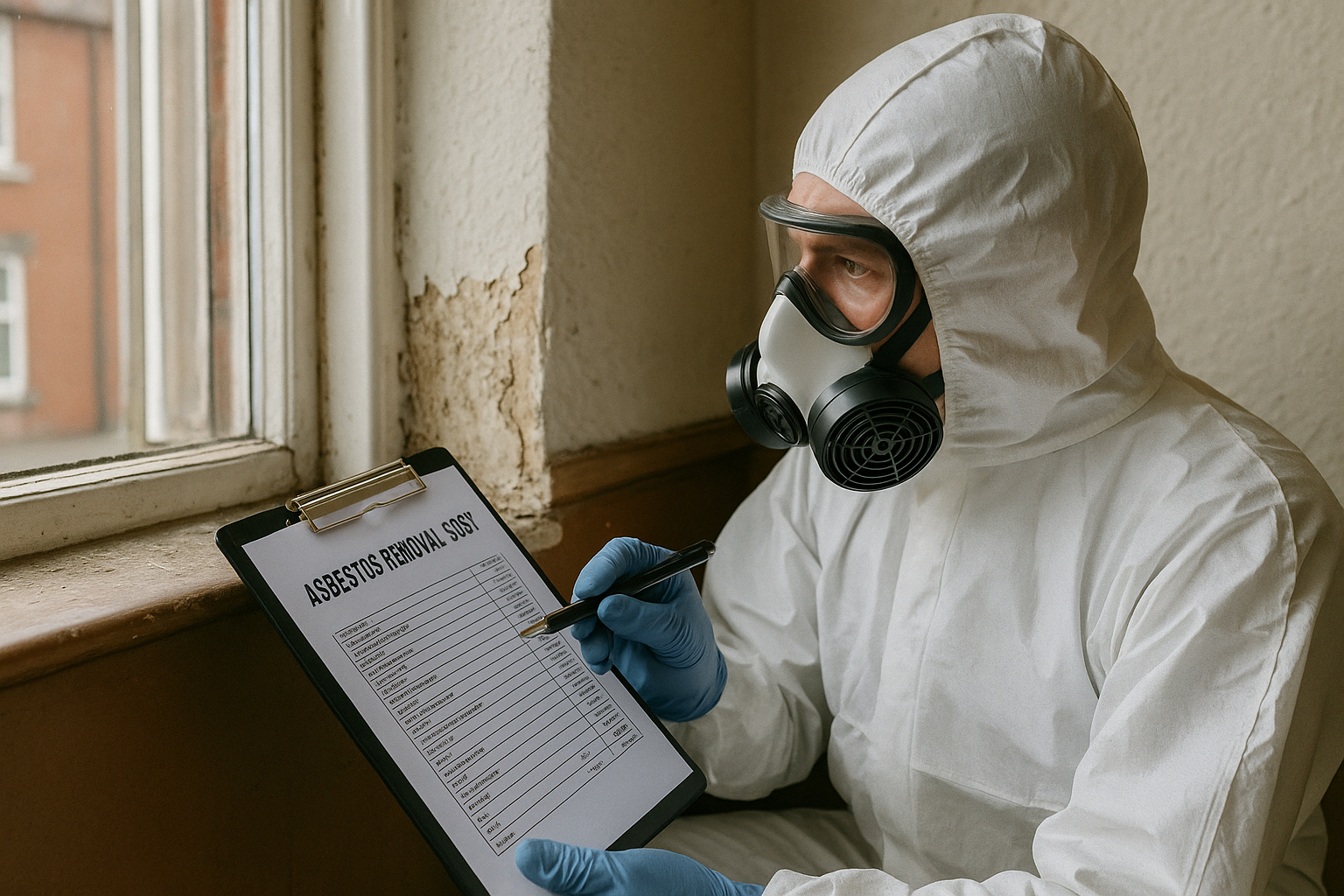
A management survey is not enough for refurbishment or demolition scope. If the works will disturb the building fabric, you need a survey designed for that level of intrusion. Otherwise, contractors are pricing blind and the asbestos removal cost can change dramatically once hidden materials are exposed.
Practical steps before seeking removal quotes:
- Confirm the scope of planned works
- Commission the correct asbestos survey for that scope
- Review sample results and material locations carefully
- Separate confirmed asbestos from suspected materials
- Issue the same information pack to every tenderer
This helps you compare like with like. It also reduces the risk of variations later.
How much does asbestos disposal cost?
Disposal is only one part of the total price, but it still matters. Hazardous waste has to be packaged, transported and disposed of correctly, and the route depends on the type and quantity of material.
For small jobs, disposal may be a modest part of the overall asbestos removal cost because mobilisation and labour dominate. For larger strip-outs, waste volume and transport can have a bigger impact.
Disposal costs are influenced by:
- Material type and contamination level
- How much waste is generated
- Distance to the disposal facility
- Whether waste has to be double-handled from awkward locations
- Packaging requirements and loading constraints
If waste has been mixed with general debris by earlier trades, expect the cost to rise. Keeping suspect materials segregated from the start is one of the simplest ways to control spending.
Reducing asbestos removal costs without cutting corners
There are sensible ways to reduce asbestos removal cost, but cutting compliance is not one of them. The most effective savings come from planning, scope control and choosing the right option for the material and project.
1. Identify asbestos early
Early surveys prevent surprise discoveries once contractors are on site. That avoids emergency call-outs, reprogramming and standing time.
2. Only remove what actually needs removing
Not every asbestos-containing material has to be stripped out immediately. If the material is in good condition and will not be disturbed, management or encapsulation may be more practical than removal.
That said, if refurbishment or demolition works will affect it, delaying the decision usually increases the eventual asbestos removal cost.
3. Combine works where possible
Fixed compliance costs can make small isolated jobs look expensive. If several areas need treatment, combining them into one planned package can be more efficient than arranging multiple call-outs.
4. Improve access before the removal contractor arrives
Simple preparatory steps can save money, provided they do not disturb suspect materials. Clearing furniture, arranging permits, securing parking, providing welfare access and coordinating shutdowns all help the removal team work efficiently.
5. Avoid programme panic
Urgent attendance, weekend working and overnight access all push costs up. If asbestos is likely to be present, build survey and removal time into the programme from the start.
6. Use clear tender information
Send the same drawings, survey data, photos and access details to each contractor. Vague scopes generate vague quotes, and vague quotes often turn into expensive variations.
7. Consider whether encapsulation is acceptable
For some lower-risk materials, leaving them in place and protecting them may be the better commercial option. This must be judged against future works, maintenance risk and legal duties, but it can sometimes reduce immediate asbestos removal cost.
Do councils or insurance cover asbestos removal?
This is a common question, especially where budgets are tight or asbestos has been discovered unexpectedly. In most commercial situations, you should not assume that councils or insurers will pay for asbestos removal.
Council schemes
Council schemes can vary by area, and where they exist they are often focused on household arrangements rather than commercial premises. Some local authorities may offer limited collection or disposal routes for certain domestic asbestos cement items, but that is not the same as funding full removal works for a business, landlord portfolio or development project.
If you are responsible for commercial property, check directly with the local authority rather than relying on generic online claims. Ask specifically:
- Whether any asbestos collection scheme exists
- Whether it applies to commercial premises
- What material types are accepted
- Whether there are quantity limits
- Whether packaging and transport rules still apply
In many cases, the answer for commercial property is that you will need a specialist contractor and standard hazardous waste arrangements.
Does insurance cover asbestos removal?
Insurance cover depends entirely on the policy wording and the reason for the claim. Asbestos removal that arises simply because asbestos is present, identified during planned works or requires routine compliance action is often not covered as a standalone cost.
However, there are situations where an insurer may become involved, for example if asbestos contamination follows an insured event such as fire, flood or accidental damage. Even then, cover may apply only to certain associated losses, not every part of the asbestos removal cost.
Practical advice:
- Review the policy wording before assuming cover exists
- Notify the insurer promptly if contamination follows an insured event
- Keep survey reports, photos and contractor findings organised
- Do not start intrusive clean-up work without checking policy conditions unless there is an immediate safety need
For routine commercial refurbishment, fit-out or demolition, asbestos removal cost is usually a project cost, not an insurance-funded one.
Can you remove asbestos yourself?
Commercial clients should be very cautious here. Can you remove asbestos yourself? In practice, for business premises and project work, DIY removal is rarely a sensible or compliant route.
Some lower-risk asbestos tasks may fall outside licensed work, but that does not mean anyone should tackle them casually. The legal duties, risk assessment requirements, training expectations, waste controls and exposure risks still apply.
For commercial property, DIY asbestos removal creates obvious problems:
- You may misidentify the material
- You may choose the wrong control measures
- You may contaminate adjacent areas
- You may breach duties under the Control of Asbestos Regulations
- You may create liability for occupiers, staff, contractors or visitors
- You may invalidate parts of your insurance position
If the question is whether a site team, handyman or general builder can remove suspect asbestos to save money, the practical answer is usually no. The short-term saving can become a much larger asbestos removal cost once contamination, delays and remedial cleaning are factored in.
Where asbestos is confirmed or suspected, get competent advice first. If removal is required, arrange professional asbestos removal through a specialist contractor.
Commercial scenarios that commonly increase asbestos removal cost
Some projects are repeatedly more expensive than clients expect. Usually, the issue is not the material itself but the surrounding constraints.
Occupied buildings
Working around staff, tenants, patients, pupils or members of the public means tighter segregation, more communication and often out-of-hours work. Those controls are necessary, but they add cost.
Partial strip-outs
Selective demolition can be harder than full vacancy. Contractors may need to isolate one area while protecting adjacent occupied spaces, which slows the work and increases the asbestos removal cost.
City-centre sites
Parking restrictions, loading windows, permit systems and limited waste movement routes all affect productivity. This is especially relevant for offices, retail units and mixed-use assets in dense urban areas.
Historic poor management
If previous works have broken asbestos materials, mixed debris or left undocumented alterations, the removal scope often becomes more complicated. Good records save money; poor records usually do the opposite.
How to compare asbestos removal quotations properly
Two quotes can differ wildly even when they refer to the same survey report. Before choosing on price alone, check what each contractor has actually included.
Ask these questions:
- Is the work category clearly stated as licensed, non-licensed or notifiable non-licensed?
- Are access constraints and working hours reflected in the price?
- Is waste disposal included?
- Is analyst attendance and clearance included where required?
- Are making-good or exclusions clearly listed?
- Has the contractor priced from survey data or assumptions?
- Are phasing and tenant protection measures included?
A quote that answers these points clearly is usually more reliable than one that simply offers a low lump sum.
Practical budgeting advice for property managers and dutyholders
If you are trying to control asbestos removal cost across a portfolio or major works programme, a few habits make a real difference.
- Maintain accurate asbestos records and update them after works
- Commission the right survey before design is finalised
- Ring-fence a contingency for hidden materials in older buildings
- Coordinate asbestos scope with demolition, M&E and reinstatement teams
- Do not assume domestic pricing logic applies to commercial sites
- Challenge vague quotes before appointing a contractor
The aim is not just to get a lower price. It is to get a realistic price early enough to make good project decisions.
Frequently Asked Questions
What is the average asbestos removal cost for commercial property?
There is no single average that fits every commercial site. Small low-risk jobs may cost a few hundred pounds, while licensed removal involving enclosures, analyst attendance and phased access can cost many thousands. The material type, condition, access and building occupancy usually matter more than size alone.
Do councils cover asbestos removal costs?
Usually not for commercial property. Some local authorities may have limited domestic collection arrangements for certain asbestos cement items, but businesses should not assume council funding or collection applies. Always check directly with the relevant authority.
Will insurance pay for asbestos removal?
Not as a rule for routine planned works. Insurance may become relevant where asbestos contamination follows an insured event, but cover depends on the policy wording and circumstances. For most refurbishment, fit-out or demolition projects, asbestos removal cost is usually a project expense.
Can you remove asbestos yourself in a commercial building?
That is rarely advisable. Even where work is not licensed, legal duties, training, risk assessment and waste controls still apply. Using unqualified staff or general trades can create contamination, delay the project and increase liability.
How can I reduce asbestos removal cost safely?
Plan early, commission the right survey, combine works where practical, improve site access and only remove materials that genuinely need removal. Do not cut compliance steps. The biggest savings usually come from preparation, not shortcuts.
If you need a clear, defensible view of asbestos removal cost before refurbishment, fit-out or demolition, speak to Supernova Asbestos Surveys. We provide nationwide surveying and support for commercial clients, with practical advice that helps you budget properly and avoid delays. Call 020 4586 0680 or visit asbestos-surveys.org.uk to arrange a fast quote. If you have seen outdated adverts saying “For a fast & free asbestos quote call0844 800 0801 or request your quote online”, use our current contact details instead so you reach the right team quickly.