One wrong drill hole can turn a routine job into an expensive asbestos incident. Asbestos testing gives you evidence before maintenance, refurbishment or demolition starts, helping you protect people, avoid delays and make decisions you can justify to contractors, clients and regulators.
For property managers, landlords, contractors and homeowners, the real issue is rarely just whether asbestos is present. It is what to do next, who needs to know, and whether a simple sample, a wider survey or urgent remedial action is the right move.
At Supernova Asbestos Surveys, we have completed more than 50,000 surveys nationwide. That experience means we can help you move quickly from uncertainty to a practical plan, whether you need one sample checked, a building-wide inspection or support arranging follow-on works.
Why asbestos testing matters
Asbestos was used widely in UK buildings because it resisted heat, improved insulation and added strength to everyday materials. Those same benefits are why it still appears in many older properties today.
The risk starts when asbestos-containing materials are damaged or disturbed. Drilling, cutting, sanding, stripping out or poor sampling can release fibres into the air, creating a health risk and a compliance problem at the same time.
Under the Control of Asbestos Regulations, duty holders in non-domestic premises must identify and manage asbestos risks. HSG264 and wider HSE guidance set out how asbestos surveys should be planned, carried out and reported.
Domestic properties are different in legal terms, but not in practical risk. If planned works could disturb ceilings, walls, floor coverings, service risers, boxing, ducts or roofs, asbestos testing is often the first sensible step.
Used properly, asbestos testing helps you to:
- confirm whether a suspect material contains asbestos
- avoid accidental disturbance during maintenance or refurbishment
- support compliance in commercial premises
- protect staff, contractors, residents and visitors
- decide whether to manage, encapsulate or remove the material
- reduce delays caused by unexpected asbestos discoveries
Where asbestos is commonly found in buildings
Many asbestos-containing materials look ordinary. A visual inspection can raise suspicion, but it cannot confirm asbestos content. That is why asbestos testing matters so much before work starts.
Common locations and products include:
- textured coatings such as Artex
- asbestos insulating board in partitions, soffits, risers and fire protection
- vinyl floor tiles and bitumen adhesive
- cement sheets, roof panels, gutters, flues and garage roofs
- pipe lagging and thermal insulation
- sprayed coatings on structural steel
- ceiling tiles
- boiler and plant room insulation
- bath panels, boxing and service duct linings
- rope seals, gaskets and older electrical backing boards
Some of these materials are lower risk when intact, such as asbestos cement. Others, including lagging, loose insulation and sprayed coatings, are far more friable and should never be sampled casually.
How asbestos testing works in practice
In simple terms, asbestos testing usually means taking a small sample from a suspect material and sending it to a laboratory for analysis. The laboratory checks whether asbestos fibres are present and may identify the asbestos type.
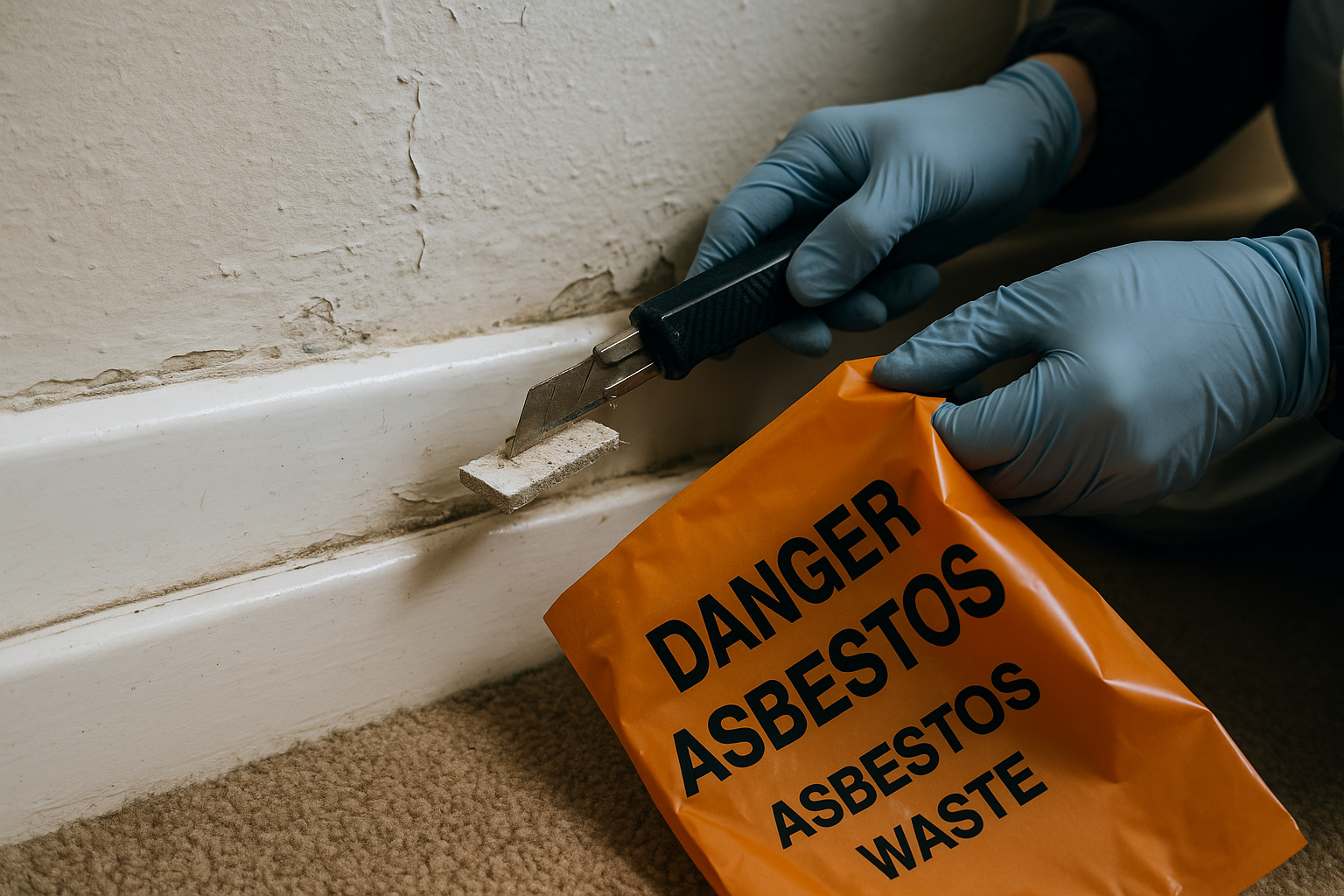
That sounds straightforward, but the correct route depends on the material, the building and the work planned. A single sample from one ceiling tile is very different from assessing an entire refurbishment area before intrusive works begin.
The usual process
- Identify a suspect material or area of concern.
- Decide whether you need one sample, several samples or a full survey.
- Arrange safe sampling by a competent person.
- Send the sample for laboratory analysis.
- Review the result and decide on management, further inspection or removal.
If you already have a sample that has been taken safely and only need laboratory confirmation, our sample analysis service can be a practical option for straightforward cases.
What laboratory results actually tell you
Bulk sample analysis confirms whether the tested material contains asbestos. It does not confirm the condition of every similar-looking material elsewhere in the building, and it does not replace a survey where wider inspection is needed.
It is also different from air monitoring. Bulk analysis identifies asbestos in a material, while air monitoring checks airborne fibre levels during or after asbestos work.
When asbestos testing is enough and when you need a survey
This is where many projects go wrong. A positive or negative result only applies to the material that was tested. If planned works will open up the building fabric, isolated sampling may not give contractors enough certainty.
Testing may be suitable when:
- you have one or two accessible suspect materials
- the scope is narrow and clearly defined
- you need to confirm a material before minor works
- the material is in good condition and low risk to sample
A survey is usually the better route when:
- several suspect materials are present
- works will disturb hidden areas
- the building has not been properly assessed before
- you need an asbestos register for non-domestic premises
- the material is damaged, friable or difficult to access
For intrusive planned works, a demolition survey or refurbishment-focused inspection is often more appropriate than isolated asbestos testing.
If you are unsure which route fits your project, ask before work starts. A short conversation at the planning stage can prevent major disruption later.
Asbestos testing kits: when they are suitable
An asbestos testing kit can be useful in limited situations. It may suit a low-risk, accessible material in good condition where the scope is narrow and the instructions can be followed carefully.
But a kit is not a substitute for competence. It is not suitable for every material, every location or every user, and it should never be treated as a shortcut around safe sampling practice.
If you need a straightforward option for a low-risk sample, our testing kit provides a clear route to laboratory analysis.
Questions to ask before using a kit
- Is the material solid and well-bonded rather than soft or crumbly?
- Is it undamaged and easy to reach?
- Can the sample be taken without working overhead or in a confined area?
- Will sampling avoid exposing anyone nearby?
- Do you understand how to seal, label and return the sample properly?
If the answer to any of those questions is no, stop and get professional advice.
What a good testing kit should include
A reliable kit should make the process clearer, not leave you improvising. Look for:
- clear written instructions
- secure sample bags
- double-bagging for containment
- labels and return packaging
- guidance on suitable and unsuitable materials
- a defined route for laboratory analysis
These basics matter. Missing one step can contaminate tools, clothing, nearby surfaces or the sample itself.
Safe sampling basics: PPE, RPE and knowing when to stop
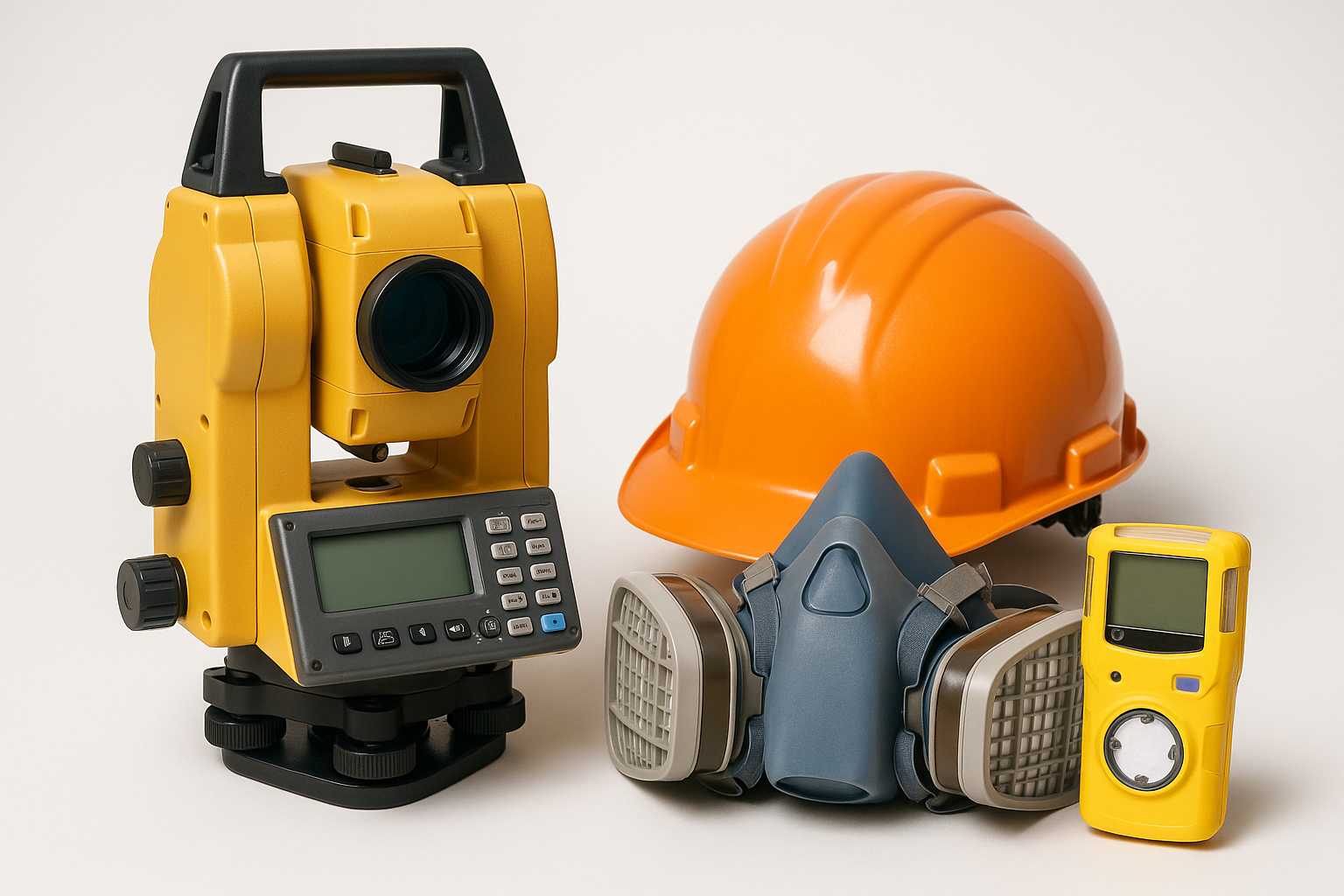
If a suspect material is being sampled, personal protection needs to be considered before the material is touched. PPE and RPE are not optional extras.
A proper approach typically includes:
- disposable gloves
- disposable coveralls where appropriate
- overshoes if needed
- suitable respiratory protection for the task
- waste bags for contaminated disposable items
- clear instructions on use and disposal
Respiratory protection only works when it fits the wearer properly and is used correctly. Improvised face coverings are not a substitute.
Even with PPE and RPE, some materials should not be sampled by non-specialists. Pipe lagging, sprayed coatings, loose insulation and damaged asbestos insulating board need a more controlled response.
How many samples are needed?
This is one of the most common questions around asbestos testing. The answer depends on how many suspect materials are present, how varied they are and whether they are likely to have been installed at different times.
Each distinct material should usually be treated separately unless there is a sound reason to group it. Two materials that look identical can still have different asbestos content if they came from different batches, refurbishments or construction phases.
Rough guide to sample numbers
- 1 to 2 samples for a single isolated issue, such as one suspect cement panel or one textured ceiling
- 3 to 5 samples for a domestic property with several suspect materials in different rooms
- 6 or more samples for larger homes, offices, schools, mixed-use buildings or refurbishment zones with varied materials
The aim is not to collect as many samples as possible. It is to collect enough to support a sound decision without leaving gaps.
Practical questions to ask
- How many different suspect materials are there?
- Are they in separate rooms, floors or phases of construction?
- Are any materials damaged or friable?
- Will planned works disturb them?
- Do contractors need certainty across the whole work area?
If the last two answers are yes, sampling alone may not be enough. A wider inspection is often the better choice.
DIY asbestos testing risks and common mistakes
DIY asbestos testing sounds simple until you remember what sampling involves. To get a sample, you have to disturb the material, and that disturbance is exactly what can release fibres.
For low-risk, well-bonded materials in good condition, a kit may be workable if used carefully. For friable, damaged, insulated or awkward materials, DIY sampling is a poor choice.
Do not attempt to sample:
- pipe lagging
- sprayed coatings
- loose insulation
- damaged asbestos insulating board
- debris from previous building work
- materials in confined or heavily occupied areas without proper controls
Common mistakes include:
- sampling without suitable respiratory protection
- taking too large a sample
- dry scraping instead of controlling dust
- failing to seal and label samples properly
- contaminating clothing, tools or nearby surfaces
- assuming one negative result applies to every similar-looking material
If there is any doubt, stop. The cost of professional attendance is usually minor compared with the disruption caused by contamination, emergency cleaning or exposed workers.
What to do after asbestos testing confirms asbestos
A positive result does not automatically mean the material must be removed. The right response depends on the type of product, its condition, where it is located and whether upcoming works will disturb it.
In many cases, asbestos can be managed safely in place. In others, encapsulation, repair or asbestos removal will be the better option.
Typical next steps after a positive result
- restrict access if the material is damaged or vulnerable
- inform contractors and relevant building users
- arrange a survey if the wider area has not been assessed
- update the asbestos register in non-domestic premises
- consider management or encapsulation where appropriate
- arrange removal if condition or planned works make that necessary
Removal should be based on actual risk, not habit. Unnecessary removal can create extra cost and disruption, while delayed action on damaged materials can expose people to avoidable risk.
Practical advice for property managers and landlords
Property managers rarely need a lab result on its own. They need a clear next step that fits the building, the work planned and the duties attached to the premises.
Good asbestos management is about making information usable. The question is not just whether a material contains asbestos, but what contractors need to know before they start.
Before maintenance or refurbishment begins
- check whether an existing asbestos survey is available and still relevant
- review the planned scope of work carefully
- identify any areas where hidden materials may be disturbed
- share asbestos information with contractors before they arrive on site
- stop work immediately if suspicious materials are found unexpectedly
If you need project support in the capital, our asbestos survey London service can help. We also support regional projects through our asbestos survey Manchester and asbestos survey Birmingham teams.
When speed matters, planning matters more
Emergency decision-making often leads to poor asbestos decisions. If contractors are booked, deadlines are tight and access has already been arranged, there can be pressure to push ahead without proper checks.
That is exactly when asbestos testing and survey planning become most valuable. A fast answer is useful only if it is the right answer.
If work is minor and the suspect material is limited, targeted asbestos testing may be enough. If the project is larger, intrusive or likely to disturb hidden materials, a survey should come first.
For clients who want to understand the service options before booking, we also provide further information on asbestos testing and when it is the right starting point.
Choosing the right provider for asbestos testing
Not all asbestos jobs need the same level of response. What matters is choosing a provider that can assess the situation properly, explain the limits of testing and point you towards the right next step.
When comparing providers, ask:
- Will they explain whether testing or a survey is more suitable?
- Can they advise on safe sampling methods?
- Do they provide a clear written result and practical follow-up advice?
- Can they help if the result is positive and further action is needed?
A good provider does more than identify asbestos. They help you make a sensible decision afterwards.
Frequently Asked Questions
What is asbestos testing?
Asbestos testing usually means taking a small sample of a suspect material and sending it to a laboratory to confirm whether it contains asbestos. It is used to support decisions before maintenance, refurbishment or demolition work begins.
Can I do asbestos testing myself?
Only in limited, low-risk situations involving accessible, well-bonded materials in good condition. Friable, damaged or hard-to-reach materials should not be sampled by non-specialists because disturbing them can release fibres.
Does a negative sample mean the whole building is clear?
No. A negative result only applies to the material that was tested. Other similar-looking materials elsewhere in the building may still contain asbestos, especially if they were installed at different times.
When should I choose a survey instead of asbestos testing?
If several suspect materials are present, works will disturb hidden areas, or you need an asbestos register for non-domestic premises, a survey is usually the better option. Testing is best for narrow, clearly defined issues.
What happens if asbestos testing confirms asbestos?
The material may be managed in place, encapsulated, repaired or removed depending on its condition, location and whether planned works will disturb it. The right response should be based on risk, not assumption.
If you need fast, practical advice on asbestos testing, surveys or next steps after a positive result, speak to Supernova Asbestos Surveys. We provide nationwide support, clear reporting and expert guidance for domestic and commercial properties. Call 020 4586 0680 or visit asbestos-surveys.org.uk to book a survey, arrange testing or discuss your project.