
A damaged ceiling panel, dust from an old service riser, or a contractor drilling into a wall before anyone checks the asbestos register can turn a routine job into a serious problem. When that happens, the question stops being theoretical: is asbestos dangerous? Yes, it is. The real issue is how dangerous it is in that specific situation, whether fibres have been released, and what you do next.
Across the UK, asbestos is still present in many buildings built or refurbished before 2000. For landlords, dutyholders, facilities managers and property managers, the practical risk is not just the presence of asbestos-containing materials. The risk is failing to identify, assess and manage them before maintenance, repair or refurbishment starts.
Overview: is asbestos dangerous in every situation?
Asbestos was widely used because it is heat resistant, durable and chemically stable. Those properties made it attractive in construction, plant equipment and fire protection products, but they are also why asbestos remains a long-term hazard once fibres become airborne.
So, is asbestos dangerous in every case? Not to the same degree. Intact asbestos-containing materials in good condition can present a lower immediate risk if they are sealed, recorded and left undisturbed. Damaged, deteriorating or friable materials can release fibres far more easily and create a much more serious exposure risk.
Risk usually depends on a few practical factors:
- the type of asbestos present
- the product it is contained in
- the condition of the material
- whether work is likely to disturb it
- how long and how often exposure occurs
- the environment, including ventilation and confined spaces
Higher-risk materials include loose fill insulation, pipe lagging and sprayed coatings. Lower-risk materials such as asbestos cement are more stable when sound, but they are not harmless if cut, broken, drilled or badly weathered.
Under the Control of Asbestos Regulations, those responsible for non-domestic premises must manage asbestos risk properly. In practice, that means identifying asbestos-containing materials so far as is reasonably practicable, assessing condition, keeping records, and following HSE guidance and the surveying approach set out in HSG264.
If you are responsible for an occupied building, a professional management survey is often the right place to start. It helps you locate likely asbestos-containing materials, assess their condition and make informed decisions before routine works disturb them.
Navigation menu: the questions property managers usually need answered
People searching is asbestos dangerous are rarely looking for a simple yes or no. They usually need fast answers to practical questions that affect safety, compliance and building operations.
The most common decision points are:
- What is asbestos and why was it used so widely?
- Where is it commonly found in buildings?
- How does asbestos get into the environment?
- How much asbestos exposure is dangerous?
- How bad is one-time exposure to asbestos?
- Are children at greater risk?
- What diseases are linked to exposure, including pleural thickening?
- What services and information should a dutyholder arrange?
- What should happen after accidental disturbance?
Those are the questions that matter on site. If you can answer them clearly and act quickly, you reduce both health risk and legal risk.
Uses of asbestos and where it is still found
To understand why people still ask is asbestos dangerous, you need to understand how extensively it was used. Asbestos was not limited to one or two products. It appeared in thousands of materials across homes, schools, offices, hospitals, factories and public buildings.
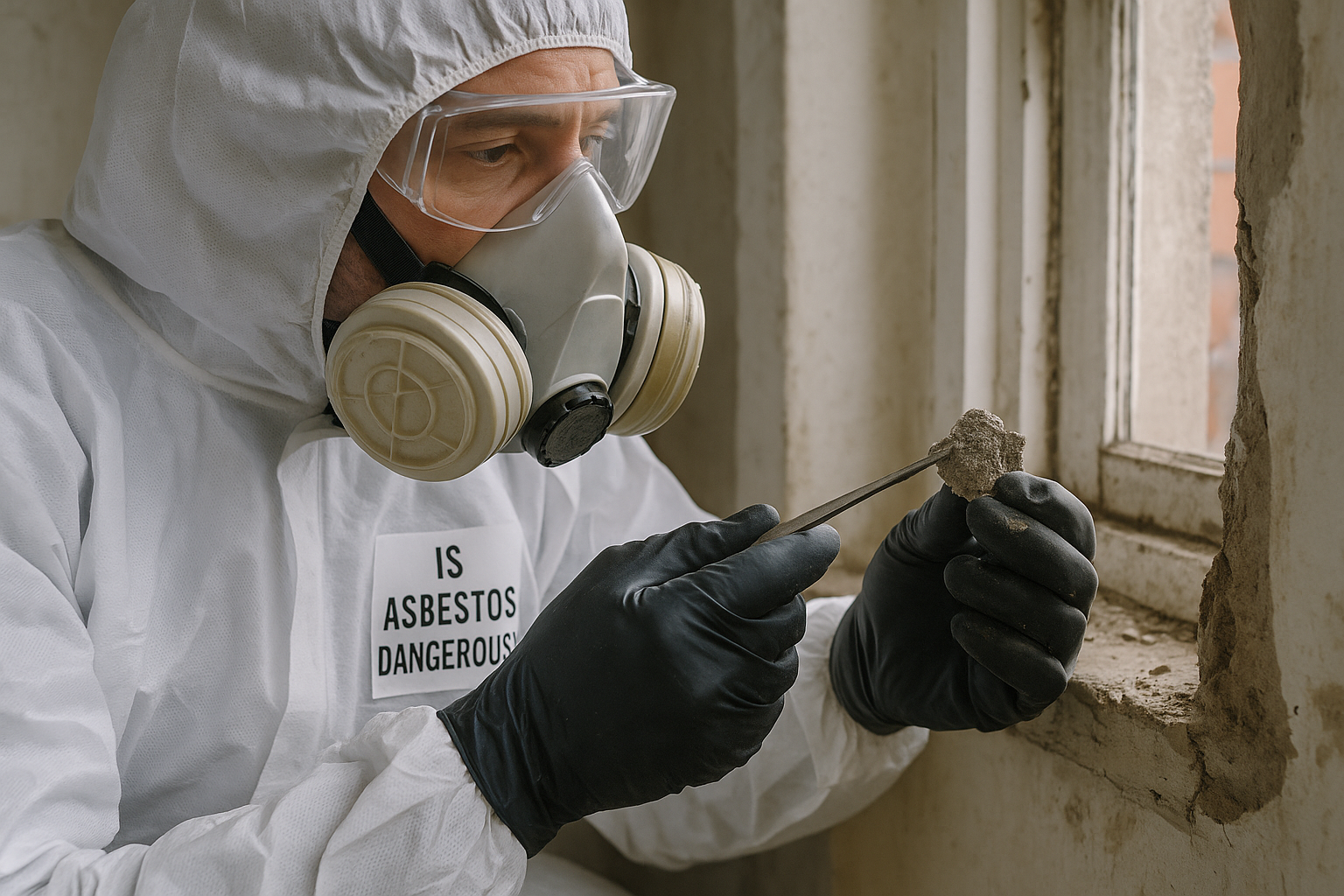
Common uses of asbestos included:
- pipe lagging and thermal insulation
- sprayed coatings on ceilings, beams and structural supports
- asbestos insulating board in partitions, soffits, risers and fire breaks
- cement sheets, roof panels, gutters and downpipes
- floor tiles and bitumen adhesives
- textured coatings
- boiler and plant room insulation
- gaskets, rope seals and packing materials
- fire doors, ceiling tiles and wall linings
This wide use explains why asbestos remains a live issue during ordinary maintenance. Replacing lights, upgrading alarms, opening a ceiling void, accessing ductwork or fixing pipework can all disturb asbestos if the building has not been checked properly.
Practical advice is straightforward: never assume a material is safe because it looks ordinary. If the building is older and the material is suspect, stop work and confirm what it is before drilling, cutting or removing anything.
Why asbestos was favoured
Asbestos was used because it offered a combination of properties that manufacturers valued. It resisted heat, reduced fire spread, added strength and helped with insulation.
That legacy is why older premises still contain asbestos in both obvious and unexpected places. A plain service panel, a boxing around pipework or an old ceiling tile can all be more significant than they look.
How asbestos gets into the environment
One of the biggest misunderstandings behind the question is asbestos dangerous is the idea that asbestos is only a problem during major demolition. In reality, asbestos gets into the environment whenever asbestos-containing materials are damaged, disturbed or allowed to deteriorate.
Fibres can enter the air through:
- drilling, cutting or sanding asbestos-containing materials
- breaking panels, boards or cement sheets
- poorly controlled maintenance works
- deterioration from age, vibration or water damage
- inappropriate cleaning, such as dry sweeping
- unauthorised removal attempts
- weathering of damaged external asbestos cement products
Once fibres are airborne, they can be inhaled without anyone noticing. Asbestos fibres are microscopic. You cannot rely on sight, smell or immediate symptoms to judge whether exposure has happened.
How fibres spread indoors
In occupied buildings, fibres can spread beyond the immediate work area if the incident is not controlled properly. Foot traffic, air movement, opening doors, using fans or carrying dusty tools and clothing through the building can all increase contamination.
That is why the first response matters. If suspect asbestos has been disturbed, stop work, isolate the area and prevent further access until a competent person assesses the situation.
Environmental release outside buildings
External asbestos products can also create problems if they are badly damaged or weathered. Broken roof sheets, crumbling cladding and damaged outbuildings may release fibres locally, especially during repair or removal works.
The risk still depends on the product and condition. Bonded asbestos cement is usually less friable than lagging or sprayed coatings, but it still needs proper handling and disposal under controlled arrangements.
How asbestos harms the body
Asbestos is dangerous because inhaled fibres can lodge deep in the lungs and pleura. The body does not break them down effectively, so some fibres remain for many years and may trigger inflammation, scarring or disease over time.
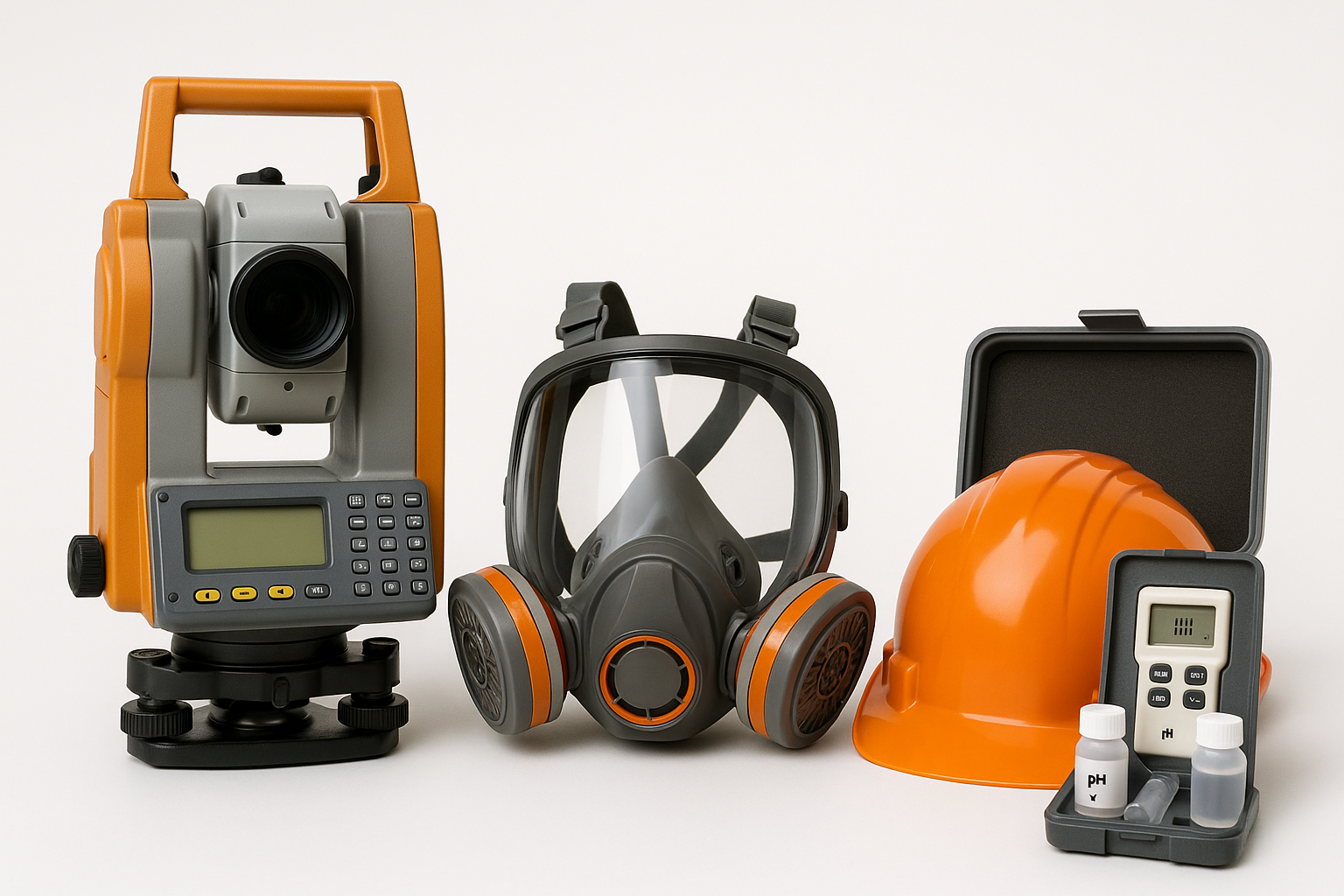
The long latency period is one of the most difficult aspects of asbestos exposure. Illness does not appear straight away. In many cases, disease develops decades after exposure.
The main asbestos-related diseases recognised in HSE guidance include mesothelioma, asbestos-related lung cancer and asbestosis. Pleural disease can also occur.
Mesothelioma
Mesothelioma is a cancer affecting the lining of the lungs, and less commonly the lining of the abdomen. It is strongly associated with asbestos exposure.
People often ask is asbestos dangerous because they are really asking whether asbestos can cause cancer. In relation to mesothelioma, the answer is yes. That is why even brief uncontrolled exposure incidents should never be brushed aside.
Asbestos-related lung cancer
Asbestos-related lung cancer develops in the lung tissue itself. Risk generally rises with cumulative exposure, and smoking increases that risk significantly.
This is especially relevant for people with a history of construction, insulation work, plant maintenance, shipbuilding or similar trades where repeated exposure may have occurred.
Asbestosis
Asbestosis is a chronic scarring of the lungs caused by significant exposure over time. It is serious and irreversible, though it is not a cancer.
It is more commonly linked to heavier, long-term exposure rather than a single minor incident. Symptoms may include increasing breathlessness, persistent cough and reduced exercise tolerance.
Pleural plaques and pleural thickening
Pleural plaques are areas of localised thickening on the pleura and are generally seen as markers of past asbestos exposure. They do not usually impair lung function.
Pleural thickening, particularly diffuse pleural thickening, can be more significant. It affects the lining around the lungs and may restrict lung expansion, leading to breathlessness and reduced respiratory function in some people.
When people ask is asbestos dangerous, they often focus only on cancer. That misses part of the picture. Asbestos exposure can also lead to non-malignant pleural disease and long-term respiratory impairment.
How much asbestos exposure is dangerous?
This is one of the most common questions from dutyholders and contractors. There is no simple threshold that makes one exposure harmless and another dangerous in every circumstance. What can be said clearly is that asbestos exposure should always be avoided, and the risk generally increases with cumulative exposure.
Repeated exposure, heavy dust release and disturbance of friable materials are much more concerning than a one-off, low-level disturbance of a bonded product. Even so, any uncontrolled release should be treated seriously and assessed properly.
Key factors affecting risk include:
- Type of material: loose fill, lagging and sprayed coatings release fibres more easily than cement products.
- Condition: cracked, crumbling or delaminating materials are more likely to release fibres.
- Nature of the work: drilling, sanding, breaking or mechanical removal can generate significant fibre release.
- Duration and frequency: repeated exposure matters more than a single short incident.
- Ventilation: enclosed spaces can keep concentrations higher for longer.
- Controls used: proper methods, enclosures and suitable respiratory protection reduce exposure during planned licensed or non-licensed work.
So, is asbestos dangerous after very small exposure? Potentially, yes, but not every minor incident carries the same level of risk. The sensible approach is to avoid assumptions, record what happened and get competent advice.
What HSE guidance means in practice
HSE guidance does not support guesswork. If suspect asbestos has been disturbed, the response should be proportionate but controlled.
- Stop the task immediately.
- Keep people out of the area.
- Avoid sweeping or using a domestic vacuum cleaner.
- Report the incident to the dutyholder or responsible manager.
- Arrange competent inspection, sampling or remedial advice.
That response protects people first and helps preserve evidence about what happened.
How bad is one-time exposure to asbestos?
One-time exposure causes understandable anxiety. Most people hear the words asbestos and cancer together, then assume one incident means serious illness is inevitable. That is not how risk works.
A single brief exposure does not automatically mean someone will develop an asbestos-related disease. In many cases, especially where the material was bonded and disturbance was limited, the long-term risk may be relatively low. But if the material was friable, dust levels were significant, or the work happened in a confined area, the concern is greater.
So, is asbestos dangerous after one incident? Yes, it can be, but the level of danger depends on the circumstances.
Factors that affect one-off exposure risk
- what material was disturbed
- how much dust was released
- how long the person remained in the area
- whether the area was enclosed or well ventilated
- whether similar exposure has happened before
- whether contaminated clothing spread dust elsewhere
The absence of symptoms does not prove there was no exposure. Equally, anxiety after an incident does not mean serious harm has occurred. The useful next step is always to establish what the material was and how the area should be managed.
What to do straight away after brief exposure
If you think you have been briefly exposed:
- Stop work immediately.
- Leave the area if visible dust is present.
- Keep others out.
- Do not sweep, brush or vacuum with a standard cleaner.
- Report the incident to the responsible person.
- Record the location, task, suspected material and names of those present.
- Arrange competent assessment.
If clothing is contaminated, it should not be shaken indoors. Follow site procedures and specialist advice on handling and disposal.
Children and asbestos risk
Questions about children come up regularly, especially in schools, flats and family homes undergoing repair works. Parents and managers want a direct answer: is asbestos dangerous for children? Yes. Children should be protected from asbestos exposure in the same way as adults, and accidental disturbance in areas used by children should be treated very seriously.
The key practical point is that children are not expected to manage risk themselves. Adults responsible for premises must ensure suspect materials are identified and controlled before maintenance or building work begins.
In schools and other education settings, asbestos management needs to be particularly disciplined because buildings may contain legacy materials while remaining in daily use. That means:
- keeping accurate asbestos records
- briefing maintenance staff and contractors
- checking planned works against the asbestos register
- investigating damage quickly
- restricting access where materials are deteriorating
If a child may have been exposed, the immediate priorities are the same as for any other incident: stop access, identify the material, document what happened and obtain competent advice. Panic does not help, but delay does not help either.
Services and information dutyholders should have in place
Property managers do not need vague reassurance. They need practical services and information that allow them to comply with the law and protect occupants, contractors and staff.
The essentials usually include:
- an asbestos survey appropriate to the premises and planned work
- an asbestos register that is current and accessible
- material and risk assessments
- an asbestos management plan where required
- clear contractor controls and permit procedures
- sampling and analysis where materials are uncertain
- reinspection arrangements for known asbestos-containing materials
If you manage a portfolio, location matters too. A responsive surveyor can make a major difference when maintenance schedules are tight. Supernova provides local support, including an asbestos survey London service, as well as regional coverage for an asbestos survey Manchester requirement or an asbestos survey Birmingham instruction.
When a management survey is suitable
A management survey is designed to help dutyholders manage asbestos during normal occupation and routine maintenance. It identifies, as far as reasonably practicable, the presence and condition of asbestos-containing materials that could be disturbed during everyday use or foreseeable maintenance.
It is not the same as a refurbishment or demolition survey. If intrusive work is planned, you need the right survey for that scope of work.
Why records matter as much as surveys
Even the best survey loses value if the information is not used. The asbestos register should be easy to access, kept up to date and checked before any work starts.
Contractors should not be left to make assumptions on site. A short pre-start review of asbestos information can prevent a major incident.
Search habits: what people really mean when they search “is asbestos dangerous”
Search behaviour tells you a lot about intent. When someone searches is asbestos dangerous, they are usually not researching mineralogy. They are reacting to a real-world concern.
Typical situations include:
- a damaged ceiling, wall panel or floor tile in an older building
- planned maintenance in premises built or refurbished before 2000
- accidental drilling into a suspect board or soffit
- concern after seeing dust from old insulation materials
- questions from tenants, staff, parents or contractors
That means the answer has to be practical. People need to know whether to stop work, isolate an area, call for sampling, arrange a survey, or review their asbestos register. Search intent here is informational, but the action it leads to is often operational.
Practical steps if asbestos is suspected in your building
If you are managing property and suspect asbestos may be present, the safest approach is simple: do not guess. There are a few immediate actions that reduce risk and keep you aligned with good practice under the Control of Asbestos Regulations.
- Check existing records. Review the asbestos register and previous survey information.
- Stop non-essential disturbance. Do not allow drilling, cutting or removal until the material is assessed.
- Inspect condition. Look for damage, debris, water ingress or signs of deterioration, without disturbing the material.
- Arrange competent surveying or sampling. Use a suitable asbestos professional.
- Brief anyone affected. Make sure contractors and staff know what is present and what controls apply.
- Review the management plan. Known asbestos-containing materials need monitoring and periodic reassessment.
If there has already been accidental disturbance, isolate the area first and then seek advice. Cleaning it up incorrectly can make the situation worse.
Common misconceptions that still cause problems
Misunderstandings are one reason the question is asbestos dangerous keeps coming up. Some myths are especially risky because they lead to poor decisions on site.
“If it’s old, it must contain asbestos”
Age alone is not proof. Many older materials do not contain asbestos. That said, age is a reason to be cautious and verify before work starts.
“If it’s cement, it’s safe”
Asbestos cement is usually lower risk than friable insulation products, but it is not safe to cut, break or remove casually. Disturbance still releases fibres.
“You can tell by looking”
You usually cannot identify asbestos reliably by appearance alone. Sampling and analysis may be needed where the material is uncertain.
“One exposure means certain illness”
That is not accurate. Risk depends on the nature and extent of exposure. Even so, every uncontrolled disturbance should be handled properly.
“No dust means no risk”
Asbestos fibres are microscopic. A lack of visible dust does not prove there has been no airborne release.
When medical advice may be appropriate
Asbestos-related illness does not develop immediately after exposure, so a brief incident does not usually require emergency treatment simply because asbestos may have been present. The more useful immediate action is documenting the event and identifying the material involved.
Medical advice may be appropriate if:
- someone is anxious after a significant exposure incident
- there is a history of repeated occupational exposure
- the person has existing respiratory concerns
- an occupational health process applies through the employer
A GP cannot remove past exposure, but they can record relevant information and advise on any individual health concerns.
Why early action matters more than panic
When people ask is asbestos dangerous, the most useful answer is not alarmist and it is not dismissive. Asbestos is a serious hazard when fibres are released and inhaled, but risk management is practical when handled properly.
Identify suspect materials early. Keep records current. Make sure contractors see the asbestos information before work begins. Use the right survey for the job. Those steps prevent the majority of avoidable incidents.
If you need expert help identifying and managing asbestos in your property, contact Supernova Asbestos Surveys. We provide surveys, sampling support and clear reporting for dutyholders across the UK. Call 020 4586 0680 or visit asbestos-surveys.org.uk to arrange the right asbestos service for your building.
Frequently Asked Questions
Is asbestos dangerous if it is left alone?
It can present a lower immediate risk if it is in good condition and remains undisturbed, but it still needs to be identified and managed properly. Damage, deterioration or maintenance work can quickly change the risk level.
How much asbestos exposure is dangerous?
There is no simple universal threshold. Risk depends on the type of material, how much fibre was released, how long exposure lasted and whether exposure happened repeatedly over time.
How bad is one-time exposure to asbestos?
One-time exposure does not automatically mean serious illness will follow. The level of risk depends on the circumstances, especially whether the material was friable and how much dust was generated. The incident should still be recorded and assessed properly.
Are children more at risk from asbestos?
Children should be protected from asbestos exposure just as adults should. In practical terms, schools, homes and public buildings used by children need robust asbestos management so suspect materials are not disturbed.
What should I do if I think asbestos has been disturbed?
Stop work, keep people away, avoid sweeping or using a domestic vacuum cleaner, report the incident and arrange competent assessment. Do not try to guess or clean it up informally.