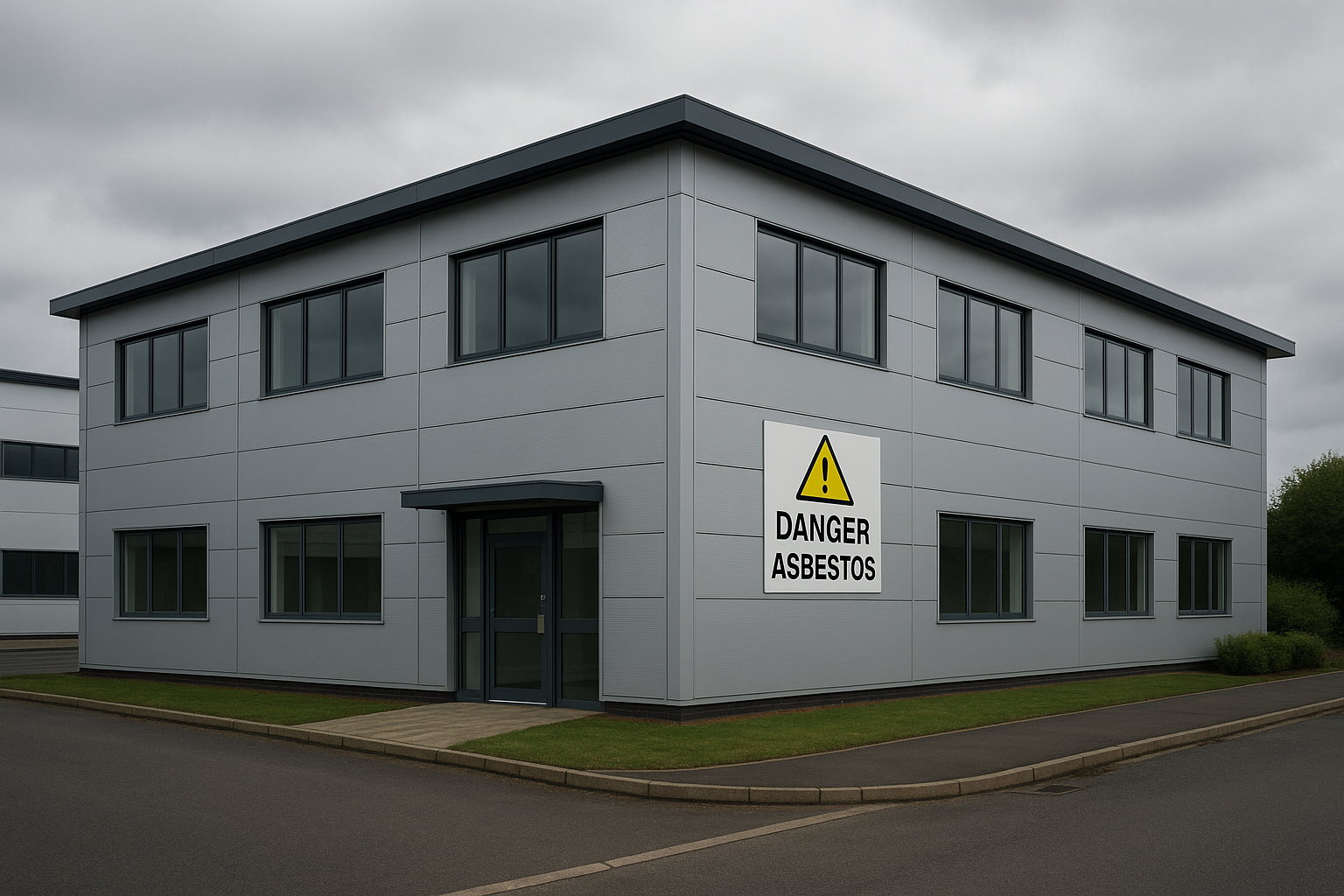
Exposure to asbestos can start with a single disturbed ceiling tile, damaged pipe lagging or worn insulating board, then leave a health legacy that lasts for decades. The danger is not just the fibres themselves, but the way the body struggles to clear them, triggering inflammation, scarring and changes that can increase the risk of serious disease long after the original contact.
For property managers, landlords and duty holders, that matters for two reasons. First, exposure to asbestos is still a live risk in many UK buildings. Second, the legal duty to identify and manage asbestos-containing materials sits squarely with those responsible for non-domestic premises under the Control of Asbestos Regulations.
Why exposure to asbestos is so harmful
Asbestos fibres are tiny, durable and easily inhaled when asbestos-containing materials are damaged or disturbed. Once breathed in, some fibres can travel deep into the lungs and pleura, where the body has great difficulty removing them.
That is where the real problem begins. The immune system recognises the fibres as foreign, but many are too tough and too long for immune cells to break down effectively, so the response becomes prolonged and damaging.
What happens when fibres enter the body
The body sends phagocytes and other immune cells to engulf and clear the fibres. In many cases, that process fails, leaving the immune system in a state of ongoing activation.
This can lead to:
- Persistent inflammation in lung tissue
- Release of reactive oxygen species that damage nearby cells
- Oxidative stress affecting cellular DNA
- Progressive scarring and tissue change
- Reduced ability to detect and destroy abnormal cells
That combination helps explain why exposure to asbestos is linked to diseases with very long latency periods. The damage often builds quietly over many years.
How the immune system responds to exposure to asbestos
The immune response is central to understanding long-term health risk. When fibres remain in the lungs or pleura, immune cells continue trying to deal with them, but the process can become harmful rather than protective.
Failed clearance by immune cells
Phagocytic cells are designed to engulf harmful particles. With asbestos, they may partially surround a fibre without fully digesting it, which keeps inflammatory signals active.
This failed clearance can cause repeated release of chemicals that injure surrounding tissue. Over time, that persistent irritation contributes to fibrosis and raises the risk of cancerous change.
T lymphocytes and immune surveillance
T lymphocytes help the body recognise and destroy abnormal cells. Exposure to asbestos can interfere with this function, making it harder for the immune system to remove damaged cells before they multiply.
The effects may involve:
- Cytotoxic T cells: reduced ability to attack abnormal or cancerous cells
- Helper T cells: altered signalling that can increase inflammation
- Regulatory T cells: increased suppression of useful anti-tumour responses
In practical terms, the body can become less effective at clearing the fibres and less effective at policing the abnormal cells that may arise in damaged tissue.
Inflammation that does not switch off
Short-term inflammation helps the body heal. Chronic inflammation does the opposite.
When exposure to asbestos leads to long-term inflammatory activity, lung and pleural tissue may remain under constant stress. This can promote scarring, encourage DNA damage and create conditions in which disease develops more easily.
Chronic inflammation, DNA damage and long-term disease
One of the most serious consequences of exposure to asbestos is the slow, cumulative effect on cells. The body keeps reacting to fibres that remain in place, and that ongoing response can alter tissue over time.

Oxidative stress and DNA injury
Reactive oxygen species released during inflammation can damage DNA inside nearby cells. Normally, badly damaged cells should stop dividing or die off through controlled cell death.
Asbestos-related cellular injury can disrupt that safeguard. Some damaged cells may survive when they should not, increasing the chance of mutations building up over time.
Scarring and fibrosis
Chronic inflammation can also lead to fibrosis. This is permanent scarring that makes lung tissue stiffer and less able to expand properly.
That is the basis of asbestosis, but scarring can also affect the pleura. Even when a condition is not cancerous, it can still cause lasting breathlessness and reduced lung function.
Why symptoms can take decades
The long delay between exposure to asbestos and diagnosis often confuses people. The reason is that asbestos-related disease usually develops slowly, through repeated cycles of inflammation, repair failure and tissue change.
Someone may feel completely well for years after exposure. That does not mean the exposure was harmless.
Health conditions linked to exposure to asbestos
All forms of asbestos are hazardous. The health outcome depends on factors such as the type of fibre, the amount inhaled, how often exposure happened, whether materials were disturbed, and individual factors including smoking history.
Mesothelioma
Mesothelioma is a cancer affecting the lining of the lungs, abdomen or, more rarely, the heart. It is strongly associated with exposure to asbestos and often appears decades after the original contact.
Symptoms may include chest pain, breathlessness, fatigue and unexplained weight loss. Early symptoms are often vague, which is one reason diagnosis can happen late.
Lung cancer
Asbestos can also cause lung cancer. The risk rises with cumulative exposure, and it rises further in people who smoke.
Smoking and asbestos do not simply add risk side by side. Together, they create a far more dangerous combination for the lungs.
Asbestosis
Asbestosis is a chronic scarring condition caused by heavy or prolonged inhalation of asbestos fibres. It is not cancer, but it is serious and irreversible.
Common signs include:
- Shortness of breath
- Persistent cough
- Reduced exercise tolerance
- Chest tightness
Pleural plaques and pleural thickening
Pleural plaques are localised areas of thickening on the lining of the lungs. They are markers of past exposure to asbestos and may be found incidentally on imaging.
Diffuse pleural thickening is more extensive and can affect breathing. Pleural effusions, where fluid collects around the lungs, may also occur and need medical assessment.
Other cancers associated with asbestos
HSE guidance and wider medical evidence recognise links between asbestos and other cancers, including cancer of the larynx and ovarian cancer. That is another reason any avoidable exposure to asbestos should be taken seriously.
Smoking and exposure to asbestos: why the risk increases
If there is a history of smoking as well as exposure to asbestos, the concern is much greater. Smoking already damages the lungs and impairs some of the body’s defence mechanisms.
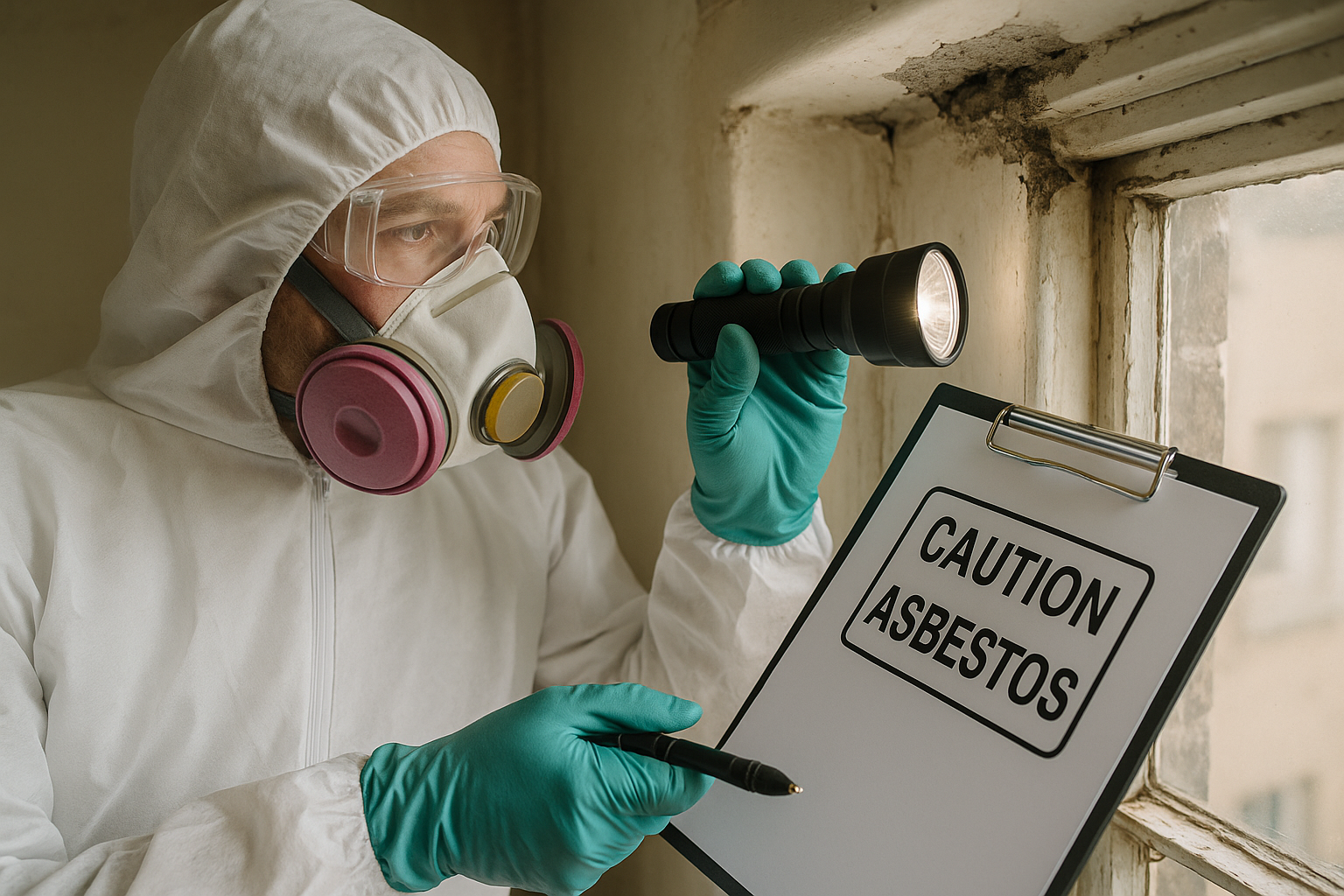
When asbestos fibres are added to that picture, the combined effect can significantly increase lung cancer risk. For anyone with known past exposure, stopping smoking is one of the most practical steps they can take to reduce future harm.
For employers and property managers, it also reinforces the need to prevent even low-level avoidable exposure during maintenance, repairs and refurbishment.
Where exposure to asbestos still happens in UK buildings
Asbestos remains present in many premises built or refurbished before 2000. It is often safe while in good condition and left undisturbed, but the risk changes quickly when work starts or materials deteriorate.
Common locations include:
- Pipe lagging and thermal insulation
- Asbestos insulating board
- Textured coatings
- Floor tiles and adhesives
- Cement sheets, panels and roof coverings
- Soffits, gutters and downpipes
- Ceiling tiles and service risers
- Boiler cupboards and plant rooms
Routine tasks can trigger exposure to asbestos if the material has not been identified first. Drilling, sanding, cutting, cable installation and demolition work are all common examples.
When a survey is needed
If asbestos may be present, the right survey depends on what you are planning to do with the building.
A management survey is used to locate, as far as reasonably practicable, the presence and condition of asbestos-containing materials that could be disturbed during normal occupation and routine maintenance.
If you are responsible for day-to-day compliance in an occupied building, an asbestos management survey is usually the starting point for building an accurate asbestos register and management plan.
Where major intrusive work is planned, a demolition survey is needed before the structure is taken down. Refurbishment work also requires the correct intrusive survey before work begins, because assumptions are not enough where materials will be disturbed.
Legal duties for preventing exposure to asbestos
Under the Control of Asbestos Regulations, duty holders must manage asbestos in non-domestic premises. That includes identifying asbestos-containing materials, assessing risk, keeping records and ensuring relevant people know where asbestos is located.
Survey work should follow HSG264, which sets out the standard for asbestos surveying. HSE guidance also makes clear that asbestos management is an ongoing process, not a one-off paperwork exercise.
In practice, that means you should:
- Identify whether asbestos is present
- Assess its condition and the likelihood of disturbance
- Keep an up-to-date asbestos register
- Put a management plan in place
- Share relevant information with contractors and maintenance staff
- Arrange periodic reinspection where asbestos remains in situ
- Commission the right survey before refurbishment or demolition
If you manage multiple sites, standardise this process across the portfolio. A missed ceiling void or unrecorded riser panel is often where accidental exposure to asbestos begins.
Practical steps to reduce exposure to asbestos in your property
The most effective control is simple: do not disturb suspect materials until they have been properly assessed. That single decision prevents a large proportion of avoidable incidents.
Use these practical steps:
- Treat buildings constructed or refurbished before 2000 as potentially containing asbestos until proven otherwise
- Commission a professional survey before maintenance planning, intrusive works or contractor mobilisation
- Keep the asbestos register accessible and easy to understand
- Brief contractors before any work starts
- Label or clearly identify known asbestos-containing materials where appropriate
- Arrange reinspection of known materials at suitable intervals
- Stop work immediately if suspect material is uncovered unexpectedly
- Use licensed asbestos contractors where the work requires it
What to do if suspect asbestos is disturbed
If you think there has been accidental exposure to asbestos, act quickly and calmly:
- Stop the work at once
- Keep people out of the area
- Do not sweep, vacuum or clean debris unless the correct specialist controls are in place
- Isolate the space if possible
- Arrange inspection, sampling and advice from a competent asbestos professional
- Record the incident and review why the material was not identified earlier
A poor first response can spread contamination further. The aim is to contain the issue, protect occupants and get competent advice without delay.
Choosing survey support in London, Manchester and Birmingham
Local access matters when you need fast, competent help across a property portfolio. If your site is in the capital, booking an asbestos survey London service can help you identify suspect materials before planned works create unnecessary risk.
For northern sites, an asbestos survey Manchester can support compliance, contractor planning and safe building management. In the Midlands, an asbestos survey Birmingham gives duty holders the information they need to manage asbestos properly.
The key is not just having a survey done. It is making sure the findings are acted on, communicated clearly and built into everyday property decisions.
When to seek medical advice after exposure to asbestos
If someone believes they have had significant exposure to asbestos, especially through occupational work or a known disturbance incident, they should speak to a medical professional. That is particularly sensible where there has been repeated exposure, heavy dust generation or symptoms such as breathlessness, persistent cough or chest pain.
Medical assessment does not remove past exposure, but it can help with documentation, symptom review and appropriate follow-up. For employers, keeping accurate incident records is also important if workers later need occupational health input.
Do remember that not every one-off exposure leads to disease. The point is to take the event seriously, avoid further exposure and make sure the building risk is properly controlled from that point onward.
Frequently Asked Questions
How long after exposure to asbestos do symptoms appear?
Symptoms may not appear for many years. Diseases linked to exposure to asbestos, including mesothelioma and asbestos-related lung cancer, often have long latency periods measured in decades.
Does one-off exposure to asbestos always cause illness?
No. A single incident does not automatically mean someone will develop disease. Risk depends on factors such as the amount of fibre released, the type of asbestos, duration of exposure and whether further exposure happens later. Even so, any suspected incident should be taken seriously and investigated properly.
What is the duty holder required to do about asbestos?
Under the Control of Asbestos Regulations, the duty holder must identify asbestos-containing materials, assess the risk, maintain an asbestos register, create a management plan and share information with anyone who may disturb asbestos during their work.
Do I need an asbestos survey before refurbishment or demolition?
Yes, if the building may contain asbestos and the planned work could disturb the fabric of the premises. A management survey is not enough for intrusive work. The correct refurbishment or demolition survey must be completed before work starts.
What should I do if contractors uncover a suspect material on site?
Stop work immediately, restrict access to the area and arrange advice from a competent asbestos professional. Do not let anyone drill, cut, sweep or remove the material until it has been assessed and the correct control measures are in place.
If you need clear answers about exposure to asbestos, asbestos surveys or legal compliance, Supernova Asbestos Surveys can help. We provide professional surveying services across the UK, including management, refurbishment and demolition surveys. Call 020 4586 0680 or visit asbestos-surveys.org.uk to book a survey or speak to our team.