How Long Does Asbestos Stay in the Air — and Why It Matters for Your Health
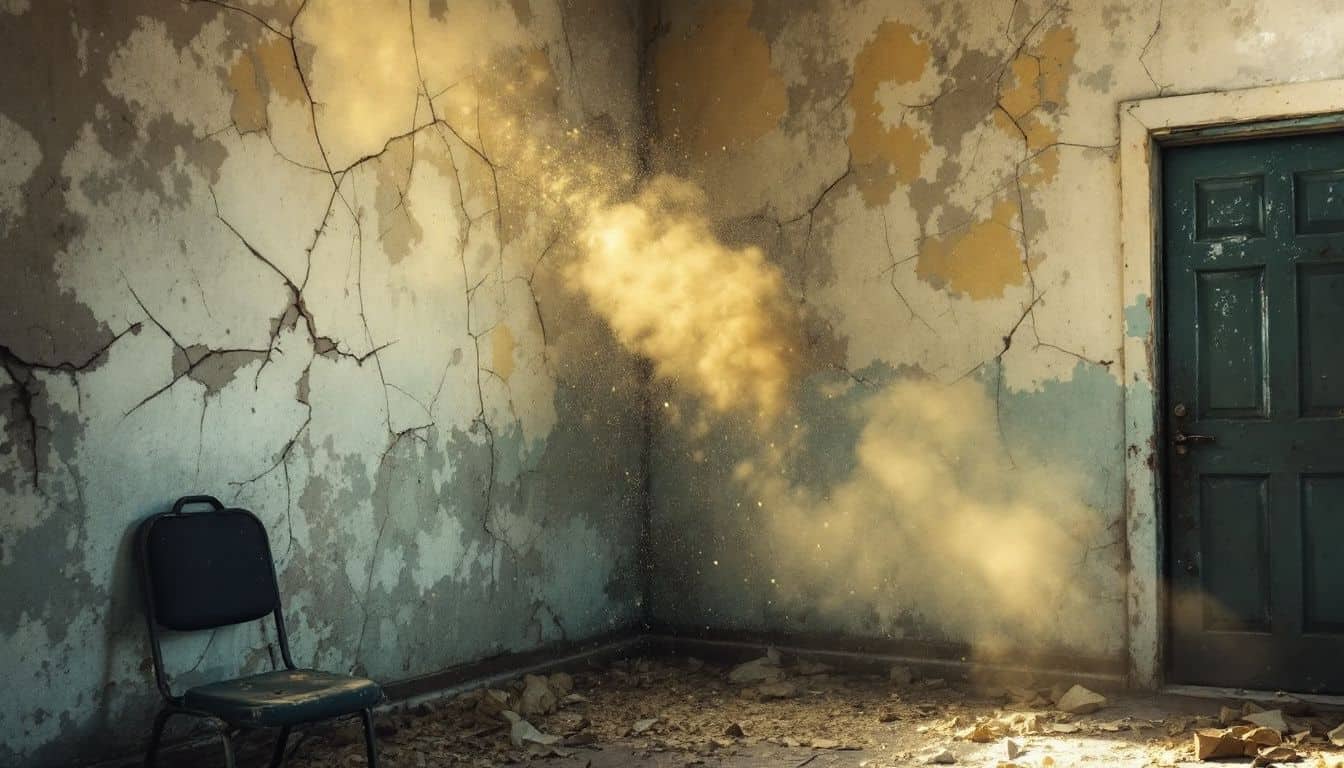
Asbestos fibres are invisible to the naked eye, virtually weightless, and extraordinarily persistent. Once disturbed, they can remain suspended in the air for hours — and in enclosed or poorly ventilated spaces, potentially much longer. Understanding how long asbestos stays in the air is not just a matter of scientific curiosity; it has direct, serious implications for anyone living or working in a building that contains asbestos-containing materials (ACMs).
The UK has one of the highest rates of mesothelioma in the world — a direct legacy of decades of heavy asbestos use across construction, shipbuilding, and manufacturing. Millions of properties built before 2000 still contain asbestos. When those materials are disturbed through drilling, cutting, renovation, or demolition, fibres enter the air and the risk begins.
How Long Does Asbestos Stay in the Air?
Asbestos fibres can remain airborne for 48 to 72 hours after disturbance in a typical indoor environment. In still air with no ventilation, some fibres — particularly the finest ones — can stay suspended for considerably longer.
In outdoor environments, wind and weather will disperse fibres more quickly, but they do not disappear. They settle into soil, vegetation, and water, where they persist indefinitely.
The reason asbestos stays airborne so effectively comes down to physics. Asbestos fibres are extraordinarily thin — often less than 3 micrometres in diameter — which means they behave more like gas particles than solid debris. Gravity acts on them very slowly, and normal air currents, even from opening a door or window, are enough to keep them suspended.
Why Fibre Type Affects How Long Asbestos Lingers
Not all asbestos fibres behave identically in the air. The two main categories — serpentine (chrysotile) and amphibole (amosite, crocidolite, tremolite, actinolite, and anthophyllite) — have different physical structures that influence their behaviour.
- Chrysotile (white asbestos) fibres are curly and relatively flexible. They tend to clump together, which can cause them to settle slightly faster than amphibole fibres.
- Amphibole fibres (including blue and brown asbestos) are straight, stiff, and needle-like. Their shape makes them highly aerodynamic, meaning they stay airborne longer and penetrate deeper into lung tissue when inhaled.
Amphibole fibres are widely regarded as the more dangerous of the two precisely because of this persistence — both in the air and in the body. Once inhaled, they are extremely difficult for the lungs to clear.
What Happens to Asbestos Fibres Once They Settle?
Settling does not make asbestos safe. Fibres that land on surfaces — floors, windowsills, furniture, clothing — can be re-disturbed and become airborne again. A single disturbance event can create repeated exposure risk over days or even weeks if the area is not properly decontaminated.
In soil, asbestos fibres are essentially permanent. They do not biodegrade, do not dissolve in water, and do not break down under normal environmental conditions. Erosion, digging, or construction work near contaminated soil can re-release fibres into the air years or even decades after the original contamination occurred.
Indoor Air vs Outdoor Air: Key Differences
Indoor environments present a significantly higher risk than outdoor settings when asbestos is disturbed. In a building, there is limited air movement to dilute or disperse fibres, and concentrations can build up rapidly in enclosed spaces.
Without specialist air monitoring, it is impossible to know the fibre count in a room by sight alone. Outdoor asbestos fibre levels in rural UK areas are typically very low — measured in fibres per cubic metre. Indoor air in a building where ACMs have been disturbed without proper controls can contain fibre concentrations many times higher than the safe working limits set by the Health and Safety Executive (HSE).
The Health Impact of Inhaling Airborne Asbestos Fibres
There is no safe level of asbestos exposure. The fibres that stay airborne longest — the finest, most respirable ones — are also the most dangerous, because they travel deepest into the lung tissue where the body cannot expel them.
The diseases caused by asbestos inhalation are severe, often fatal, and have latency periods that can exceed 40 years. Someone exposed in the 1980s may only now be receiving a diagnosis — which is one of the reasons asbestos remains such a significant public health concern in the UK today.
Asbestosis
Asbestosis is a chronic lung disease caused by the accumulation of asbestos fibres in lung tissue. The body’s immune response to the fibres causes progressive scarring (fibrosis), which gradually reduces lung capacity. It is irreversible and debilitating, causing breathlessness that worsens over time.
Mesothelioma
Mesothelioma is a cancer of the lining of the lungs (pleura) or abdomen (peritoneum), almost exclusively caused by asbestos exposure. It is aggressive and currently has no cure. The UK records more mesothelioma deaths per year than almost any other country — a direct consequence of the scale of asbestos use in the twentieth century.
Lung Cancer
Asbestos exposure significantly increases the risk of lung cancer, particularly in combination with smoking. The fibres cause DNA damage in lung cells over time, and the cancer that results is often advanced before symptoms appear. All six types of asbestos are classified as Group 1 carcinogens by the International Agency for Research on Cancer (IARC).
Pleural Plaques and Pleural Thickening
Pleural plaques are areas of fibrous thickening on the lining of the lungs. They are a marker of asbestos exposure and, while not cancerous themselves, indicate that significant inhalation has occurred. Diffuse pleural thickening can cause breathlessness and reduced lung function.
Where Is Airborne Asbestos Most Likely to Occur in Buildings?
Any building constructed or refurbished before 2000 may contain asbestos. The material was used extensively across the UK in a wide range of building products — not just lagging and insulation, but also floor tiles, ceiling tiles, textured coatings such as Artex, roofing felt, pipe insulation, and fire doors.
ACMs in good condition and left undisturbed do not typically release fibres into the air. The risk arises when those materials are damaged, deteriorating, or subject to work that disturbs them.
Common scenarios that release asbestos fibres into the air include:
- Drilling into walls or ceilings that contain asbestos insulating board
- Sanding or scraping textured coatings
- Breaking up floor tiles during renovation
- Removing old pipe lagging
- Demolition or structural alteration work
- Accidental damage to asbestos-containing roofing or cladding
If you are planning any renovation or refurbishment work on a pre-2000 building, a refurbishment survey is a legal requirement before work begins. This type of survey is specifically designed to locate all ACMs in the areas affected by planned works, ensuring contractors are not unknowingly disturbing asbestos.
How Long Is Asbestos Dangerous After Disturbance?
This is one of the most pressing practical questions for property managers, contractors, and building occupants. The answer depends on several factors: the type of asbestos disturbed, the quantity released, the ventilation in the space, and whether proper containment measures were in place.
In a worst-case scenario — large-scale disturbance of friable (crumbly) asbestos insulation in a poorly ventilated space — fibres can remain at dangerous concentrations for 48 to 72 hours or longer. Even after visible dust has settled, fine fibres may still be present in the air at levels that pose a health risk.
This is why the HSE and the Control of Asbestos Regulations require that after any notifiable asbestos removal work, a licensed contractor must carry out a thorough clean-up and a four-stage clearance procedure before the area is reoccupied.
The Four-Stage Clearance Procedure
The four-stage clearance procedure exists precisely because airborne asbestos fibres cannot be seen. It provides the only reliable confirmation that an area is safe to reoccupy after licensed removal work.
- Visual inspection — a thorough check to confirm all visible asbestos debris has been removed
- Secondary visual inspection — a second check after any remaining debris is cleared
- Air testing — conducted by an independent analyst using phase contrast microscopy (PCM) or transmission electron microscopy (TEM)
- Clearance certificate — issued only when air test results confirm the area is safe for reoccupation
Without this process, there is no reliable way to confirm that airborne fibre levels are safe. Visual inspection alone is wholly insufficient — asbestos fibres are invisible to the human eye, and professional asbestos removal must always be followed by independent air testing.
Asbestos in the Environment: Long-Term Public Health Implications
The persistence of asbestos in the environment means that communities near former asbestos-using industries, contaminated demolition sites, or buildings with poorly managed ACMs face ongoing exposure risks. Fibres released decades ago may still be present in local soils, and any disturbance — from gardening to construction — can re-release them.
Children are particularly vulnerable. Their lungs are still developing, and they tend to have higher respiratory rates than adults, meaning they inhale more air — and potentially more fibres — relative to their body size. In areas with elevated environmental asbestos levels, children face a disproportionate risk of long-term health consequences.
Water contamination is also a concern in areas with historical asbestos industry. Fibres can leach from contaminated soil into watercourses, and while the digestive system is generally better at clearing ingested fibres than the lungs, the risk is not zero — particularly with long-term exposure.
What the Law Requires: The Control of Asbestos Regulations
In the UK, the management of asbestos is governed by the Control of Asbestos Regulations. These regulations place a legal duty on the owners and managers of non-domestic premises to identify, assess, and manage any asbestos present — known as the Duty to Manage.
The HSE’s guidance document HSG264 sets out the standards for asbestos surveying and provides detailed technical guidance on how surveys should be conducted, documented, and acted upon. Compliance is not optional — failure to manage asbestos properly can result in prosecution, significant fines, and civil liability.
Key legal obligations include:
- Commissioning an asbestos management survey for any non-domestic property built before 2000
- Maintaining an up-to-date asbestos register
- Ensuring that anyone working in the building has access to the asbestos register
- Commissioning a demolition survey before any demolition work takes place
- Using licensed contractors for notifiable asbestos removal work
- Carrying out four-stage clearance after licensed removal
Managing Ongoing Asbestos Risk in Your Building
For most duty holders, the starting point is a management survey. This identifies the location, type, and condition of all ACMs within a building, assesses the risk they pose, and provides clear recommendations for management or removal. Once completed, the findings feed into an asbestos management plan — a living document that must be kept up to date and reviewed regularly.
Ongoing management means monitoring the condition of known ACMs, ensuring maintenance workers are aware of their location, and acting promptly when any material shows signs of deterioration. A material that was in good condition five years ago may not be today — particularly in older buildings where damp, vibration, or general wear has taken its toll.
The key principle is straightforward: asbestos that is in good condition and unlikely to be disturbed can often be managed safely in place. Asbestos that is deteriorating, damaged, or in an area where disturbance is likely should be removed by a licensed contractor before it becomes an airborne hazard.
When to Commission a Refurbishment or Demolition Survey
If you are planning any invasive work — even something as routine as installing new cabling or replacing a suspended ceiling — a refurbishment survey must be carried out in the affected area before work begins. This applies even if a management survey has already been completed, because management surveys are non-intrusive and may not have identified ACMs hidden within the building fabric.
For full demolition projects, a demolition survey is required. This is a fully intrusive survey designed to locate every ACM in the structure, including those hidden within voids, cavities, and structural elements. All asbestos must be removed before demolition proceeds — not during it.
Getting an Asbestos Survey: What You Need to Know
Whether you manage a commercial property, a school, a housing association portfolio, or a private building, understanding the asbestos risk in your premises is the essential first step. A professional survey will identify the location, type, and condition of any ACMs, assess the risk they pose, and provide clear, actionable recommendations.
Supernova Asbestos Surveys operates nationwide, with specialist teams covering all regions of the UK. For clients in the capital, our asbestos survey London service provides rapid turnaround and full compliance with HSE requirements. For properties in the north-west, our asbestos survey Manchester team delivers the same high standards across the Greater Manchester area. And for the West Midlands, our asbestos survey Birmingham service covers commercial and residential properties throughout the region.
With over 50,000 surveys completed across the UK, Supernova has the experience, accreditation, and local knowledge to help you meet your legal obligations and protect the people in your buildings.
Call us on 020 4586 0680 or visit asbestos-surveys.org.uk to book a survey or speak to one of our specialists.
Frequently Asked Questions
How long does asbestos stay in the air after disturbance?
In a typical indoor environment, asbestos fibres can remain airborne for 48 to 72 hours after disturbance. In still, poorly ventilated spaces, the finest fibres may stay suspended for longer. Fibres that settle on surfaces can also be re-disturbed and become airborne again, which is why professional decontamination and four-stage clearance are required after any licensed removal work.
Can asbestos fibres in the air be seen with the naked eye?
No. Asbestos fibres are far too small to be seen without specialist equipment. This is why air testing by an accredited analyst is the only reliable way to confirm whether airborne fibre levels are safe after asbestos disturbance or removal. You cannot assess the risk by looking at a room.
Is asbestos dangerous if it hasn’t been disturbed?
Asbestos-containing materials that are in good condition and left undisturbed generally do not release fibres into the air and do not pose an immediate risk. The danger arises when ACMs are damaged, deteriorating, or subject to work that disturbs them. This is why the Control of Asbestos Regulations require duty holders to manage — not necessarily remove — asbestos in non-domestic buildings.
What should I do if I think asbestos has been disturbed in my building?
Stop all work in the affected area immediately. Evacuate the space and prevent re-entry. Do not attempt to clean up the area yourself. Contact a licensed asbestos contractor to carry out an assessment, carry out any necessary removal work, and complete the four-stage clearance procedure before the area is reoccupied. If you are unsure whether asbestos is present, commission a survey before any further work takes place.
Do I need an asbestos survey before renovation work?
Yes. If you are planning any invasive work on a building constructed before 2000, a refurbishment survey is a legal requirement before work begins in the affected area. This applies even if a management survey has already been carried out, as management surveys are non-intrusive and may not identify all ACMs within the building fabric. For full demolition, a demolition survey is required.