Asbestos Control Measures: What Everyone in a Pre-2000 Building Needs to Know
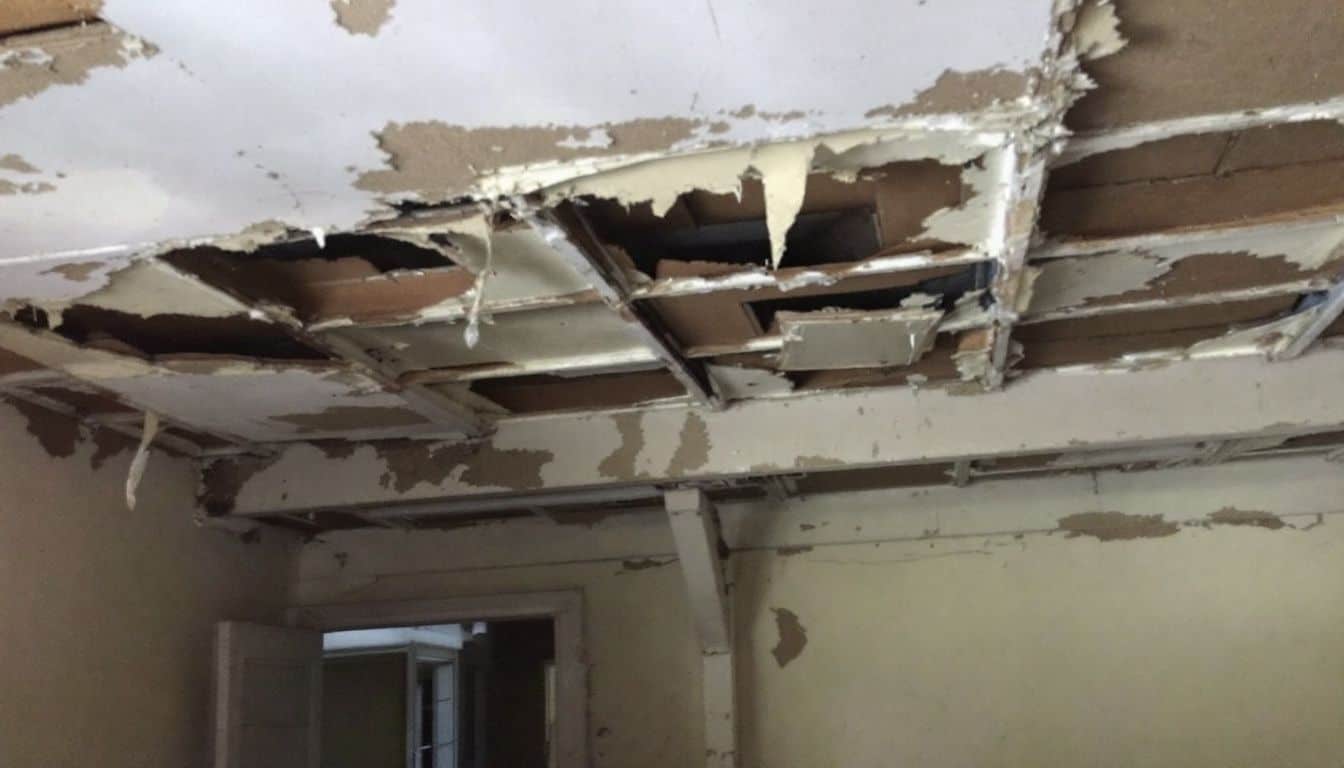
Asbestos doesn’t announce itself. It sits quietly inside walls, ceiling tiles, floor coverings, and pipe lagging — completely harmless when undisturbed, but potentially lethal the moment fibres become airborne. If you live or work in a building constructed before 2000, understanding the right asbestos control measures isn’t optional. It’s the difference between managing a risk responsibly and unknowingly putting people in serious danger.
This post walks through everything you need to know: identifying asbestos, your legal duties, protective equipment, safe handling, disposal, and what to do if something goes wrong.
Identifying Asbestos in Your Building
Before any control measures can be put in place, you need to know whether asbestos is present — and where. Guessing is not a strategy.
Start With the Building Records
Check the building’s existing documentation first. This includes construction drawings, maintenance records, and any previously commissioned asbestos surveys or registers. If an asbestos register exists, it should tell you the location, type, and condition of all known asbestos-containing materials (ACMs).
Talk to workers and building managers who have long-standing knowledge of the property. Their practical insight can flag areas that formal records may have missed — particularly in older buildings where documentation is incomplete or has been lost over time.
Commission a Professional Survey
Building records alone won’t give you the full picture. A qualified surveyor needs to physically inspect the property and confirm the presence, extent, and condition of any ACMs. For most occupied buildings, a management survey is the appropriate starting point — it identifies ACMs that could be disturbed during normal occupation and routine maintenance.
If you’re planning refurbishment or demolition work, a more intrusive demolition survey is required under HSG264 guidance. This goes further than a management survey, accessing hidden areas and materials that wouldn’t be examined during a standard inspection.
Air quality monitoring can also be carried out alongside surveys to measure fibre levels in the atmosphere and confirm whether any ACMs are already releasing fibres. This is particularly relevant in buildings where materials are in poor or deteriorating condition.
Asbestos Control Measures: Your Legal Obligations
The Control of Asbestos Regulations places clear duties on employers, building owners, and those responsible for non-domestic premises. Getting this wrong isn’t just a health risk — it carries serious legal consequences, including prosecution and unlimited fines.
The Duty to Manage
If you have responsibility for maintaining or repairing non-domestic premises, you have a legal duty to manage asbestos. This means identifying ACMs, assessing their condition and risk, and putting a written asbestos management plan in place.
The plan must be kept up to date, shared with anyone who might disturb ACMs — contractors, maintenance staff, and other tradespeople — and reviewed whenever circumstances change. It’s a living document, not something you file away and forget about.
Risk Assessment Before Any Work
Before any work that could disturb ACMs, a thorough risk assessment must be completed. This assessment should identify:
- The type and quantity of asbestos present
- The likely level of exposure during the work
- The specific asbestos control measures needed to limit fibre release
- Emergency procedures in the event of an unexpected disturbance
For higher-risk work — particularly with friable or heavily damaged materials — only HSE-licensed contractors are permitted to carry out the work. For notifiable non-licensed work (NNLW), employers must notify the HSE, provide medical surveillance, and maintain detailed records.
Training and Information
Anyone who could come into contact with asbestos through their work must receive appropriate training. This includes maintenance workers, building managers, and contractors working on site.
The level of training required depends on the nature of the work and the likely exposure risk. Awareness training is a minimum for those who might encounter ACMs incidentally; those actively working with or near asbestos need more formal, role-specific training.
Personal Protective Equipment for Asbestos Work
PPE is not the first line of defence against asbestos — it sits at the bottom of the hierarchy of controls, after elimination, substitution, and engineering controls. But when work involving ACMs cannot be avoided, the right PPE is non-negotiable.
Respiratory Protective Equipment
Asbestos fibres are invisible to the naked eye. Standard dust masks offer no meaningful protection whatsoever. The correct respiratory protective equipment (RPE) must be selected based on the level of exposure risk:
- FFP3 disposable masks — suitable for very low-risk, short-duration tasks only
- Half-face respirators with P3 filters — appropriate for moderate exposure work
- Full-face respirators with P3 filters — required for higher-risk tasks
- Powered air-purifying respirators (PAPRs) — used where high protection is needed and fit testing of tight-fitting masks is problematic
All tight-fitting RPE must be fit tested before use. A mask that doesn’t seal properly provides no real protection, regardless of its filter rating. Fit testing must be repeated if the wearer’s facial profile changes significantly — for example, following significant weight change or dental work.
Protective Clothing
Disposable Type 5 coveralls are the standard requirement for asbestos work. They prevent fibres from contaminating personal clothing and being inadvertently carried out of the work area into clean environments.
Gloves and protective footwear should also be worn. After completing any asbestos work, coveralls must be carefully removed — inside out — and placed in sealed, labelled bags for disposal as asbestos waste. Never take contaminated clothing home under any circumstances.
Donning, Doffing, and Hygiene
PPE is only effective if it’s put on and taken off correctly. Workers should dress in a clean area before entering the work zone, and undress in a designated decontamination area. Showering after removing PPE removes any residual fibres from skin and hair.
Eating, drinking, and smoking must be prohibited in any area where asbestos work is taking place. These activities can lead to ingestion of fibres — a route of exposure that’s easy to overlook but genuinely dangerous.
Safe Handling and Containment During Asbestos Work
Even with the right PPE in place, poor work practices can still cause dangerous levels of fibre release. Asbestos control measures during the work itself are just as critical as the protective equipment worn by operatives.
Setting Up the Work Area
The work area should be isolated before any disturbance of ACMs begins. This typically involves:
- Sealing off the area with polythene sheeting and airlocks
- Switching off ventilation systems that could spread fibres to other parts of the building
- Displaying clear warning signs to prevent unauthorised access
- Setting up a decontamination unit at the exit point
For licensed asbestos removal work, a three-stage decontamination unit is required as standard — a dirty changing area, a shower stage, and a clean area. This controlled flow prevents fibres from migrating out of the work zone.
Working Methods That Reduce Fibre Release
The way ACMs are handled has a direct impact on how many fibres become airborne. Where possible:
- Wet materials before and during work to suppress dust
- Use hand tools rather than power tools — power tools generate significantly more airborne fibres
- Avoid breaking or snapping ACMs; cut carefully and minimise disturbance
- Use a Type H vacuum cleaner (specifically designed for asbestos) rather than sweeping or using a standard vacuum
These practical steps reduce the concentration of fibres in the air and lower the risk to workers and anyone in the vicinity of the work area.
Disposal of Asbestos Waste
Asbestos waste is classified as hazardous waste under UK legislation. Disposing of it incorrectly — including putting it in a skip or general waste — is a criminal offence that can result in prosecution.
Packaging and Labelling
All asbestos waste must be double-bagged in heavy-duty polythene sacks and clearly labelled to indicate the contents. Larger items that can’t be bagged — such as asbestos cement sheets — should be wrapped in polythene sheeting, sealed with tape, and labelled appropriately.
Every bag or wrapped item must carry a label identifying it as asbestos waste. This isn’t just good practice — it’s a legal requirement under hazardous waste regulations.
Transportation and Disposal
Asbestos waste must be transported by a registered waste carrier and taken to a licensed disposal facility. A consignment note must accompany every load, tracking the waste from the point of collection to its final disposal destination.
Keep copies of all consignment notes. These records demonstrate compliance and may be required during HSE inspections or in the event of a legal challenge. If you need licensed asbestos removal carried out, ensure the contractor handles waste disposal as part of the service and provides you with all relevant documentation.
Emergency Procedures: What to Do If Asbestos Is Disturbed Unexpectedly
Unexpected asbestos disturbances happen — during renovation work, following damage to a building, or when ACMs weren’t identified in advance. Having a clear emergency procedure in place before work begins is essential.
Immediate Actions
If asbestos is unexpectedly disturbed, the immediate priority is to stop the spread of fibres:
- Stop work immediately and evacuate the affected area
- Seal off the area to prevent others from entering
- Notify the site supervisor or responsible person straight away
- Do not attempt to clean up the material without appropriate PPE and training
Anyone who may have been exposed should remove and bag their clothing, wash thoroughly, and seek medical advice. Prompt reporting is important — both for the individual’s health monitoring and for legal compliance purposes.
Decontamination of Personnel and Equipment
Personnel who have been in the affected area should follow a structured decontamination process:
- Move to the decontamination area and remove contaminated clothing carefully, turning garments inside out
- Place clothing in sealed, labelled bags for disposal as asbestos waste
- Shower thoroughly, washing hair and all exposed skin
- Do not take any clothing or equipment home until it has been confirmed clean
Tools and equipment used in the contaminated area must be decontaminated using a Type H vacuum and damp wiping before being removed. Standard cleaning methods risk spreading fibres rather than containing them.
Reporting and Follow-Up
The incident must be documented in detail, including the circumstances, the materials involved, the people present, and the actions taken. Depending on the severity of the exposure, notification to the HSE may also be required under RIDDOR.
Ongoing health monitoring for anyone exposed is strongly recommended. Asbestos-related diseases have long latency periods — symptoms may not appear for decades — so early monitoring and accurate records are critical for anyone who may have been affected.
Regular Inspections and Ongoing Asbestos Management
Putting asbestos control measures in place isn’t a one-time exercise. ACMs deteriorate over time, buildings change, and maintenance work can alter the risk profile significantly. Ongoing management is not optional — it’s a legal requirement under the duty to manage.
The asbestos management plan should specify how frequently ACMs will be inspected and reassessed. For materials in good condition that are unlikely to be disturbed, annual inspections are typically sufficient. Materials in poorer condition or in areas of higher activity may need more frequent checks.
Every inspection should be documented, with any changes in condition recorded and the management plan updated accordingly. If the condition of an ACM deteriorates to the point where it poses an active risk, remediation or removal should be considered promptly rather than deferred.
Where Supernova Asbestos Surveys Can Help
Supernova Asbestos Surveys operates across the UK, with dedicated regional teams providing consistent, professional standards wherever your building is located. Whether you need an initial survey, ongoing management support, or urgent advice following an unexpected disturbance, our surveyors are ready to help.
We cover all major UK cities and regions, including teams specialising in asbestos survey London projects, asbestos survey Manchester clients, and asbestos survey Birmingham properties. With over 50,000 surveys completed nationwide, we have the experience to handle properties of every size, age, and type.
To book a survey or discuss your asbestos control requirements, call us on 020 4586 0680 or visit asbestos-surveys.org.uk.
Frequently Asked Questions
What are the most important asbestos control measures for an occupied building?
The most important steps are identifying all ACMs through a professional survey, maintaining an up-to-date asbestos register, and putting a written management plan in place. You must also ensure that anyone who might disturb ACMs — including maintenance staff and contractors — is informed of their location and trained appropriately. Regular condition inspections keep the risk assessment current and allow you to act before a deteriorating material becomes a hazard.
Do I need to remove asbestos if it’s found in my building?
Not necessarily. ACMs that are in good condition and are unlikely to be disturbed can often be safely managed in place. The duty to manage under the Control of Asbestos Regulations focuses on managing the risk rather than automatically removing every ACM. Removal is typically required when materials are in poor condition, when they’re in an area subject to regular disturbance, or when refurbishment or demolition work is planned.
Who is legally responsible for managing asbestos in a commercial building?
The legal duty to manage asbestos falls on the ‘dutyholder’ — typically the building owner, employer, or the person responsible for maintaining the premises under a lease or management agreement. In some cases, responsibility is shared between landlord and tenant depending on the terms of the lease. If you’re unsure about your specific duties, seek legal or specialist advice rather than assuming someone else is responsible.
What should I do if a contractor accidentally disturbs asbestos during maintenance work?
Stop work immediately and evacuate the affected area. Seal off the space to prevent others from entering and notify the responsible person on site. Anyone potentially exposed should remove and bag their clothing, wash thoroughly, and seek medical advice. The incident must be formally documented, and depending on the level of exposure, notification to the HSE under RIDDOR may be required. A professional asbestos contractor should then assess the area before any work resumes.
How often should an asbestos management plan be reviewed?
There is no single fixed review interval set out in regulation — the frequency should be proportionate to the risk. As a general principle, the plan should be reviewed at least annually, and immediately following any change in the building’s use, any maintenance or refurbishment work that could affect ACMs, or any change in the condition of known materials. The HSE’s guidance in HSG264 provides further detail on managing and reviewing asbestos management plans.