Knowing how to avoid asbestos is still a live issue across the UK. The material may be banned from new use, but it remains inside countless offices, schools, warehouses, shops, communal areas, and older homes. If you manage property, oversee maintenance, or plan building work, the safest move is simple: assume asbestos could be present until a proper survey proves otherwise.
That matters because asbestos is most dangerous when it is damaged or disturbed. You cannot identify fibres by sight alone, and you cannot judge risk on guesswork. The right approach is to understand where asbestos may be hiding, put legal controls in place, and stop anyone from drilling, cutting, sanding, stripping, or demolishing suspect materials without expert advice.
How to avoid asbestos in older buildings
If a building was constructed or refurbished before 2000, asbestos-containing materials may still be present. That does not mean every older property is unsafe, but it does mean caution is essential before any work starts.
For property managers, landlords, facilities teams, contractors, and trades, how to avoid asbestos starts with one rule: do not disturb unknown materials. A ceiling tile, boxed-in pipe, textured coating, floor tile, soffit board, or service riser panel may look ordinary and still contain asbestos.
Common places asbestos may be found
- Pipe lagging and boiler insulation
- Asbestos insulating board in partitions, ceiling voids, fire doors, and service ducts
- Textured coatings on walls and ceilings
- Floor tiles and bitumen adhesive
- Roof sheets, gutters, soffits, and wall cladding made from asbestos cement
- Sprayed coatings on structural elements
- Ceiling tiles, insulation panels, and electrical back boards
- Older toilet cisterns, bath panels, and water tanks
The level of risk depends on the type of material, its condition, and whether it is likely to be disturbed. Asbestos cement in sound condition is generally lower risk than damaged lagging or broken insulating board, but any suspect material should be treated carefully until assessed.
Why asbestos exposure happens
Most harmful exposure happens during maintenance, refurbishment, repair, or demolition. A contractor drills through a panel. A plumber opens a service duct. An electrician lifts old ceiling tiles. A caretaker sands a textured surface. Fibres are released, and nobody realises until the damage is done.
That is why learning how to avoid asbestos is less about spotting it on sight and more about controlling work properly. Good systems prevent accidental disturbance.
Typical situations that create risk
- Starting work without a survey in a pre-2000 building.
- Assuming domestic areas are exempt from risk. Shared areas in blocks of flats can still fall under duty to manage requirements.
- Relying on old paperwork that does not reflect alterations, damage, or previous removals.
- Failing to brief contractors before they start work.
- Using untrained staff for tasks that may disturb suspect materials.
If any of these sound familiar, there is a clear fix: pause work, review the asbestos information you hold, and arrange the right professional input before anything proceeds.
The legal duty to manage asbestos
Under the Control of Asbestos Regulations, duty holders for non-domestic premises must manage asbestos risks. In practical terms, that means finding out whether asbestos is present, assessing its condition, keeping records, and making sure anyone who could disturb it has the right information.
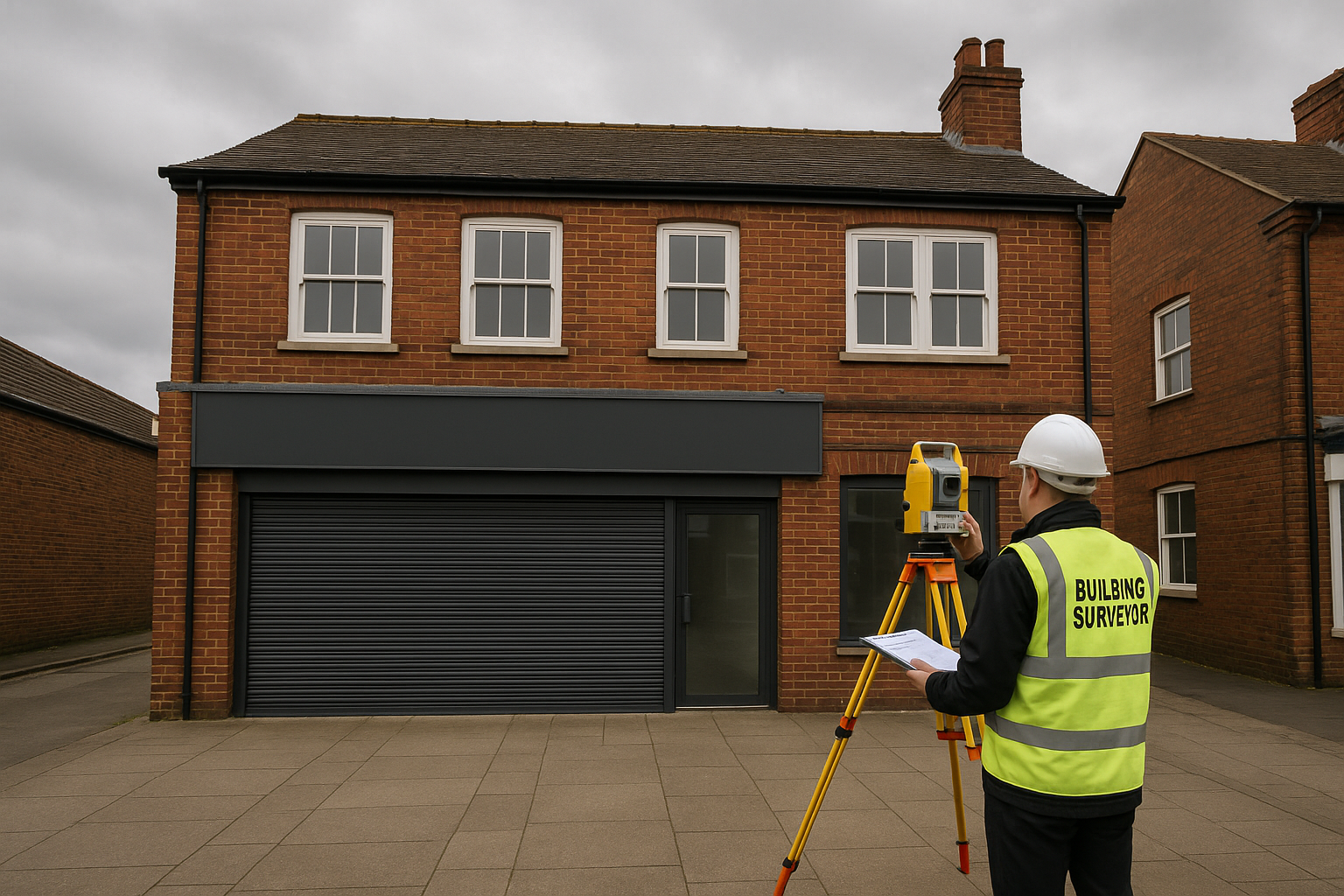
The standard for asbestos surveys is set out in HSG264. HSE guidance also makes clear that asbestos management is an ongoing process, not a one-off document filed away and forgotten.
Who may have duties
- Commercial landlords
- Property management companies
- Facilities managers
- Employers responsible for workplaces
- Managing agents for mixed-use or multi-occupancy buildings
- Those responsible for common parts of residential blocks
If you are responsible for maintenance or repair, you should know exactly what asbestos information is available for the building. If you do not know, that is the first issue to fix.
What duty holders should have in place
- An up-to-date asbestos survey where appropriate
- An asbestos register
- A written asbestos management plan
- Procedures for contractor induction and permit controls
- Regular review of material condition
- Clear emergency steps if suspect asbestos is damaged
These are not paperwork exercises. They are the practical foundation of how to avoid asbestos exposure in occupied buildings.
Start with the right asbestos survey
The safest way to answer questions about suspect materials is to commission a professional survey. Surveying should be carried out by competent specialists working to HSG264, with sampling and reporting that gives you clear, usable information.
There is no single survey for every situation. The correct type depends on what is happening in the building.
Management survey
A management survey is used to locate, as far as reasonably practicable, asbestos-containing materials that could be disturbed during normal occupation or routine maintenance. It helps duty holders manage asbestos safely in an occupied property.
If your building is in day-to-day use and no major intrusive works are planned, this is often the starting point. It supports your register, management plan, and contractor controls.
Refurbishment and demolition survey
Where intrusive work is planned, a more intrusive survey is needed. Before major strip-out or structural works, a demolition survey is essential to identify materials likely to be disturbed during the project.
This type of survey is not optional where the planned works could affect hidden materials. Starting refurbishment or demolition without the right survey is one of the most common ways people fail at how to avoid asbestos.
When to arrange a survey
- Before refurbishment, fit-out, or demolition
- Before planned maintenance in older premises
- When taking responsibility for a building with unclear asbestos records
- When existing information is outdated or incomplete
- After damage from leaks, impact, fire, or unauthorised works
If you operate across the capital, our asbestos survey London service helps property teams get fast, compliant information before work starts. We also support regional portfolios through our asbestos survey Manchester and asbestos survey Birmingham services.
Practical steps to avoid disturbing asbestos
Once you know where asbestos may be, the next step is controlling work properly. This is where good property management makes the biggest difference.
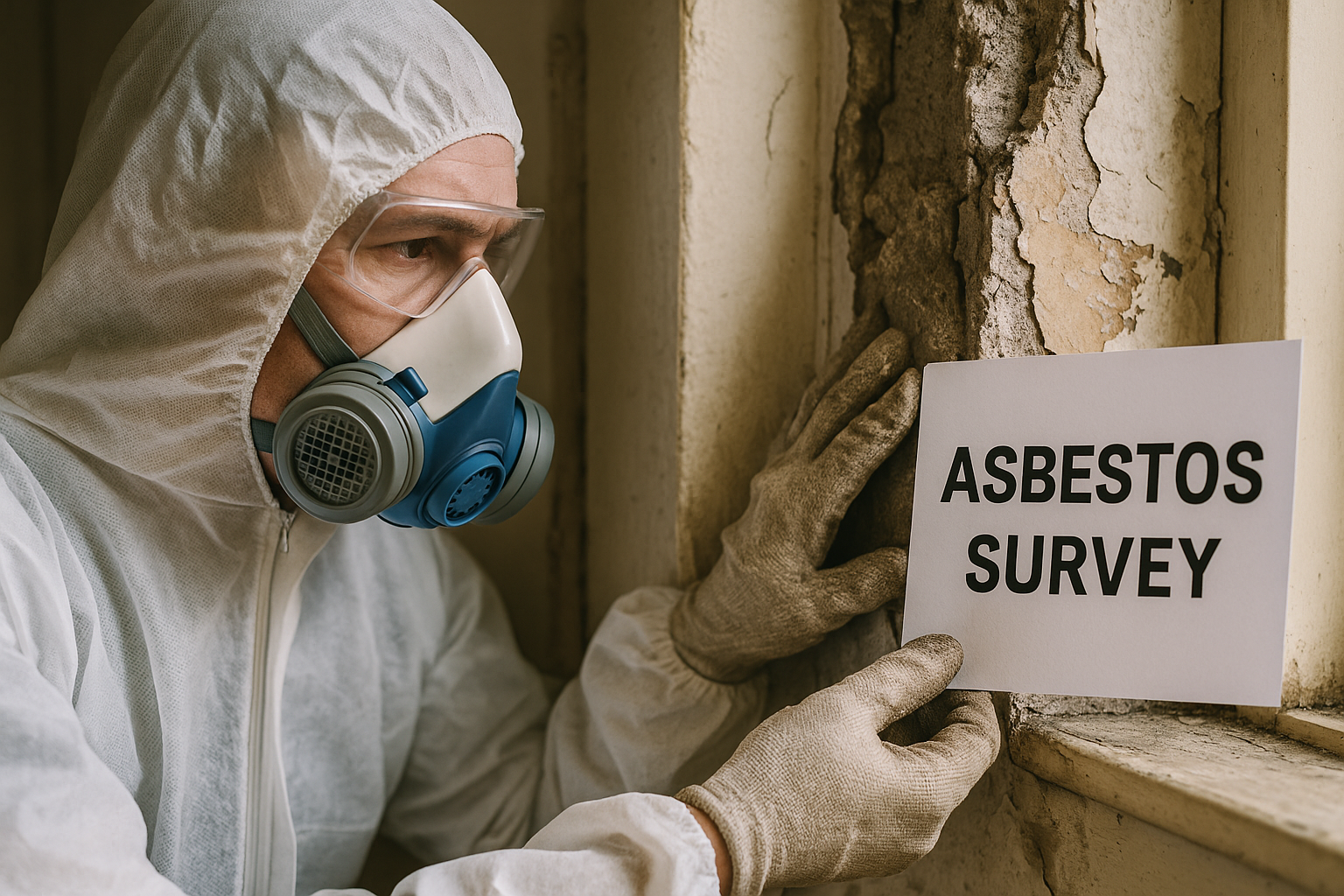
1. Stop guessing
If a material has not been assessed, treat it as suspect until proven otherwise. Do not let staff or contractors make assumptions based on appearance.
2. Check the asbestos register before any job
Even minor tasks can create exposure if they affect hidden panels, risers, voids, or old finishes. Make asbestos information part of every pre-start check.
3. Brief contractors properly
Anyone carrying out work must know about relevant asbestos findings before they begin. Include survey information in work orders, permits, and site inductions.
4. Prevent uncontrolled access
If a damaged material is suspected to contain asbestos, isolate the area. Keep occupants and trades away until it has been assessed.
5. Avoid DIY sampling or removal
Breaking off a piece to “see what it is” can release fibres. Sampling and removal should be handled by trained professionals using the correct controls.
6. Review changes in condition
Asbestos management is not static. Water damage, vibration, accidental impact, and ageing can all change the condition of materials over time.
7. Keep records current
When materials are repaired, enclosed, removed, or found to be damaged, update your register and management plan straight away.
For many duty holders, this is the real answer to how to avoid asbestos: survey first, communicate clearly, and never allow uncontrolled work on suspect materials.
What to do if you accidentally disturb asbestos
Even with good systems, accidental disturbance can happen. The response in the first few minutes matters.
- Stop work immediately.
- Keep people out of the area. Close doors and restrict access.
- Do not sweep, vacuum, or brush debris. Ordinary cleaning methods can spread fibres.
- Turn off ventilation or air movement where possible if this can be done safely.
- Report the incident to the responsible manager or duty holder at once.
- Arrange professional assessment by a competent asbestos specialist.
Do not restart work until the material has been identified and the area has been made safe. Depending on the material and the work involved, remediation may require licensed asbestos contractors and independent clearance procedures.
When asbestos should be removed
Not every asbestos-containing material needs removal. If it is in good condition, sealed, and unlikely to be disturbed, managing it in place may be the safest option. Removal is usually considered when the material is damaged, deteriorating, or in the way of planned works.
Where removal is needed, use a competent contractor. Some asbestos work must be carried out by a licensed contractor, particularly higher-risk materials and tasks covered by HSE requirements.
If your project calls for remedial works, professional asbestos removal should be planned around the survey findings, site conditions, waste controls, and any required air testing or certification. Cutting corners here creates legal and health risks that are entirely avoidable.
Removal may be appropriate when
- Materials are broken, friable, or deteriorating
- Refurbishment will disturb asbestos
- Demolition is planned
- Repeated access makes accidental damage likely
- Ongoing management is impractical for the building use
Always ask for clear documentation covering the scope of work, waste handling, and any post-removal verification required.
Training, supervision, and safe systems of work
One of the most effective ways to reduce exposure is to make sure the right people know what they are looking at and what they must do. HSE guidance is clear that anyone liable to disturb asbestos in the course of their work needs suitable information, instruction, and training.
Who should have asbestos awareness training
- Electricians
- Plumbers and heating engineers
- Carpenters and joiners
- Painters and decorators
- General maintenance operatives
- IT and telecoms installers working on older sites
- Supervisors who plan or oversee building works
Awareness training does not qualify someone to remove asbestos. It teaches them how to avoid disturbing it, recognise suspect materials, and stop work when needed.
Good site controls include
- Pre-start asbestos checks
- Permit-to-work systems for intrusive tasks
- Clear escalation routes when suspect materials are found
- Supervision of contractors in higher-risk areas
- Regular review of asbestos records during long projects
If you manage multiple sites, standardise these controls across the portfolio. Consistency reduces mistakes.
How to avoid asbestos during refurbishment and maintenance
Routine jobs are often where exposure happens because they feel low risk. A small repair can still disturb hidden asbestos behind panels, above ceilings, or inside risers.
Before any intrusive maintenance, ask these questions:
- Was the building constructed or refurbished before 2000?
- Do we have a suitable, up-to-date survey for the planned task?
- Has the contractor seen the relevant asbestos information?
- Could the work affect hidden voids, old linings, insulation, or floor finishes?
- Is the planned method likely to drill, cut, break, lift, or strip materials?
If the answer raises doubt, pause and get advice. That short delay is far cheaper than contamination, project shutdowns, emergency remediation, or enforcement action.
Useful habits for property managers
- Keep asbestos records accessible, not buried in old files
- Review asbestos information during contractor onboarding
- Flag higher-risk rooms and service areas on site plans
- Inspect known asbestos materials periodically
- Investigate water damage quickly, especially around ceilings and service ducts
- Never allow ad hoc drilling or chasing in older buildings without checks
Domestic properties and landlord responsibilities
Many people assume asbestos is only a commercial issue. In reality, older homes can contain asbestos in garages, outbuildings, ceilings, floor tiles, pipe boxing, roofs, and textured coatings.
Single private homes are treated differently from non-domestic premises under the duty to manage, but the health risk is the same if materials are disturbed. Landlords, letting agents, and contractors should still take a cautious approach before repairs or upgrades in older housing stock.
For blocks of flats, common parts such as corridors, plant rooms, stairwells, meter cupboards, and service risers may fall within asbestos management duties. If you oversee those spaces, make sure the asbestos information is current and available to anyone working there.
Frequently Asked Questions
How can you tell if a material contains asbestos?
You usually cannot tell by sight alone. Many asbestos-containing materials look similar to non-asbestos products. The safest approach is to treat suspect materials in pre-2000 buildings as potentially asbestos-containing until they have been assessed and, where needed, sampled by a competent professional.
What is the safest way to avoid asbestos exposure?
The safest method is not to disturb suspect materials. Arrange the right survey, check the asbestos register before work starts, brief contractors properly, and stop work immediately if unknown materials are uncovered. For higher-risk materials or damaged asbestos, use specialist contractors.
Does all asbestos need to be removed?
No. If asbestos-containing materials are in good condition and unlikely to be disturbed, they can often be managed in place. Removal is usually considered when materials are damaged, deteriorating, or will be affected by refurbishment or demolition.
What should I do if asbestos is accidentally damaged?
Stop work, isolate the area, keep people out, and do not clean the debris with normal methods. Report the incident and arrange professional assessment. Do not re-enter or restart work until the area has been made safe and any necessary remedial action has been completed.
Do tradespeople need asbestos awareness training?
Yes, if their work could foreseeably disturb asbestos. This commonly applies to electricians, plumbers, maintenance teams, decorators, and others working on older buildings. Training helps them recognise risk, avoid disturbance, and follow the correct emergency steps.
Need clear advice on how to avoid asbestos in your building or before planned works begin? Supernova Asbestos Surveys provides professional surveying, testing support, and asbestos consultancy across the UK. Call 020 4586 0680 or visit asbestos-surveys.org.uk to arrange the right survey or discuss your next steps.