Living with asbestos is more common in the UK than many people think. If a property was built or refurbished before 2000, asbestos-containing materials may still be present in ceilings, walls, floor coverings, pipework, roof sheets or service areas. That does not automatically make the building unsafe, but it does mean the risk needs to be identified and managed properly.
The biggest mistake is treating asbestos as either harmless or an instant disaster. In reality, living with asbestos can be low risk when materials are intact and left undisturbed, but the risk changes quickly when those materials are damaged, drilled, cut, sanded or broken. For homeowners, landlords and property managers, the practical issue is knowing what is present, what condition it is in, and what to do next.
Why living with asbestos is still a reality in UK buildings
Asbestos was used widely in UK construction because it was durable, heat resistant and affordable. It appeared in insulation, fireproofing, textured coatings, cement products, floor tiles, partition boards and many other building materials.
Although asbestos use is banned, many existing buildings still contain asbestos-containing materials. That is why living with asbestos remains a real issue in homes, offices, schools, warehouses, shops and communal areas of residential blocks.
You cannot safely identify asbestos just by looking at it. Many asbestos-containing materials look no different from non-asbestos products. Visual guesswork is not enough, especially before maintenance or refurbishment works.
Where asbestos is commonly found in older properties
Asbestos can turn up in obvious places and in parts of a building most people never think about. Some materials are lower risk when in good condition, while others are more hazardous if disturbed.
Common indoor locations
- Textured coatings on ceilings and walls
- Asbestos insulating board in partitions, soffits, ceiling panels and fire protection
- Pipe lagging around heating systems and service runs
- Floor tiles and bitumen adhesives
- Boiler insulation and plant room materials
- Panels in service ducts, risers and cupboards
- Fire doors and backing materials
- Toilet cisterns and boxing around pipework
Common outdoor locations
- Garage and shed roofs made from asbestos cement sheets
- Guttering and downpipes
- Soffits and fascias
- External wall panels and cladding
- Outbuildings, storage units and farm structures
If you suspect asbestos, do not drill, scrape, sand or break the material to check. The safest next step is to arrange a professional survey and, where needed, sampling by a competent surveyor.
The real health risks of living with asbestos
When people talk about living with asbestos, the key issue is exposure to airborne fibres. Asbestos becomes dangerous when fibres are released and inhaled. These fibres are microscopic, so you cannot rely on sight or smell to judge whether the air is safe.
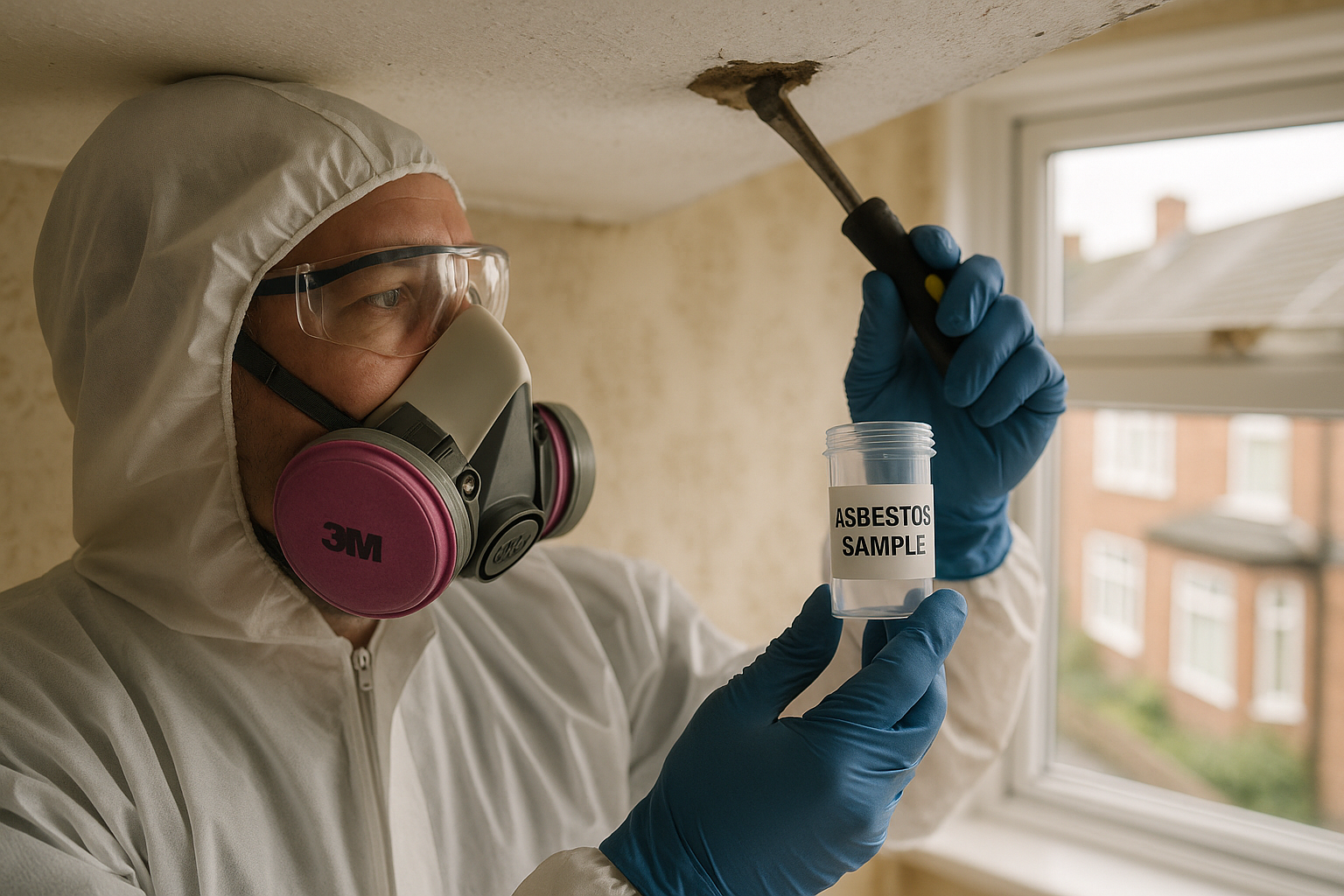
Materials in good condition that are sealed and left undisturbed may present little immediate risk. Problems begin when asbestos deteriorates over time or is disturbed by DIY, accidental damage, maintenance work, cable installation, plumbing repairs or refurbishment.
Diseases linked to asbestos exposure
Exposure to asbestos fibres is associated with several serious conditions, including:
- Mesothelioma
- Asbestosis
- Lung cancer
- Pleural thickening
These diseases often develop after a long latency period. That is one reason asbestos management matters so much. The effects of exposure may not be obvious for many years.
Who faces the greatest risk?
The highest risks have historically been linked to people who regularly disturbed asbestos at work, such as builders, maintenance teams, heating engineers, electricians, plumbers and demolition workers. In buildings where asbestos is present but undisturbed, the risk is usually much lower.
Lower risk does not mean no risk. Anyone carrying out repairs or alterations in a pre-2000 building should assume asbestos may be present until evidence shows otherwise.
How to tell when asbestos may be becoming dangerous
If you are living with asbestos or managing a building where asbestos has already been identified, condition is everything. A stable material can often remain in place safely. A damaged material may require urgent action.
Warning signs to watch for
- Cracks, chips or broken edges on boards, tiles or panels
- Dust or debris beneath suspect materials
- Peeling, flaking or exposed insulation
- Water damage affecting ceilings, ducts or service risers
- Impact damage in plant rooms, corridors or storage areas
- Wear and tear in high-traffic locations
If you notice any of these signs, keep people away from the area. Do not sweep debris, use a domestic vacuum cleaner or attempt a quick repair with filler, tape or paint. Arrange a professional inspection instead.
What the law says about asbestos in the UK
In the UK, asbestos is controlled under the Control of Asbestos Regulations. These regulations place duties on those responsible for non-domestic premises to identify asbestos, assess the risk and manage it properly.
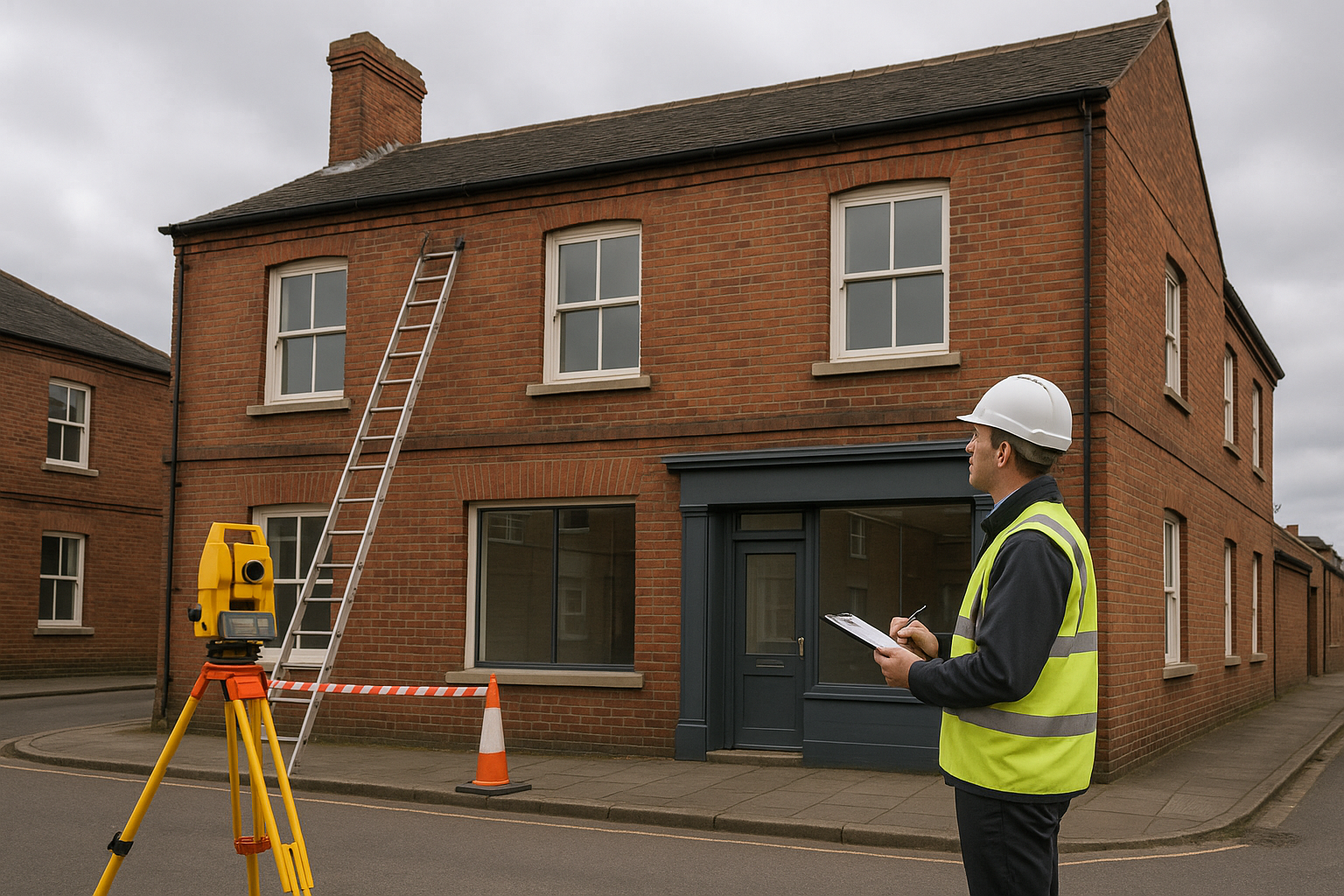
The recognised standard for asbestos surveying is set out in HSG264. HSE guidance also makes clear that asbestos does not always need to be removed, but it must always be managed so that people are not exposed to fibres.
Duty to manage in non-domestic premises
If you are responsible for maintenance or repair in non-domestic premises, you are likely to have a duty to manage asbestos. In practice, that means you should:
- Find out whether asbestos is present
- Record where it is located and what condition it is in
- Assess the likelihood of disturbance
- Create and maintain an asbestos management plan
- Share relevant information with anyone who may disturb it
- Review the plan regularly
This duty commonly applies to offices, shops, schools, industrial buildings and communal areas of residential blocks such as stairwells, corridors, plant rooms and service cupboards.
What about domestic properties?
Private homes are treated differently from non-domestic premises, but the health risk does not disappear. Homeowners still need to act sensibly if asbestos is suspected.
Landlords also have clear responsibilities for protecting tenants and contractors in the parts of a property they control. If you let an older property, it is sensible to know whether asbestos is present before repairs, redecoration or upgrades begin.
When asbestos can stay in place
One of the biggest misunderstandings around living with asbestos is the assumption that everything must be removed immediately. That is not how asbestos risk is managed in practice.
Where asbestos-containing materials are in good condition and unlikely to be disturbed, HSE guidance generally supports managing them in place. Removing asbestos unnecessarily can create avoidable disturbance, so the safest option is not always immediate removal.
Management options short of removal
- Regular inspections to monitor condition
- Encapsulation to seal the surface
- Enclosure to prevent contact or accidental damage
- Labelling in appropriate non-domestic settings
- Updating the asbestos register after inspections or works
This approach only works if the material is known, recorded and actively managed. Ignoring asbestos is not the same as managing it safely.
When asbestos removal becomes necessary
There are clear situations where removal is the right option. If asbestos is badly damaged, friable, repeatedly disturbed, or likely to be affected by planned works, it may need to be removed under controlled conditions.
That work should never be treated as a standard maintenance task. Depending on the material and the work involved, removal may need to be carried out by a licensed contractor using controlled methods, specialist equipment and compliant waste disposal procedures.
If removal is needed, professional asbestos removal is the only safe route. Trying to save money with untrained handling can create a much larger health, legal and clean-up problem.
Typical triggers for removal
- Severe damage or deterioration
- Repeated accidental disturbance
- Planned refurbishment works
- Structural alterations
- Demolition projects
- High-risk materials in accessible areas
Surveys: the first practical step for living with asbestos safely
If asbestos has not been confirmed and recorded, decisions become guesswork. A professional survey gives you the information needed to manage risk properly.
For occupied buildings where normal use and routine maintenance are continuing, a management survey is usually the starting point. This type of survey helps identify asbestos-containing materials that could be disturbed during normal occupation or simple maintenance tasks.
You may also see the same service described as an asbestos management survey. The purpose is the same: identify likely asbestos-containing materials, assess their condition, and provide the information needed for an asbestos register and management plan.
Where major refurbishment, strip-out or intrusive works are planned, a standard management survey is not enough. A more intrusive demolition survey is required before work starts so hidden asbestos can be found before it is disturbed.
What a survey report should help you do
- Understand what materials may contain asbestos
- See where those materials are located
- Review material and priority risk assessments
- Plan maintenance safely
- Inform contractors before they start work
- Decide whether monitoring, encapsulation or removal is needed
Practical advice for homeowners, landlords and property managers
Living with asbestos is manageable when you take a structured approach. Panic leads to poor decisions, but so does complacency.
If you are a homeowner
- Do not start DIY in suspect areas until asbestos risk has been checked
- Keep records of any previous surveys or sampling results
- Monitor known asbestos-containing materials for signs of damage
- Tell tradespeople about known asbestos before they begin work
- Arrange the right survey before renovations
If you are a landlord
- Understand asbestos risks in communal areas and service spaces
- Keep survey information accessible for contractors
- Respond quickly if tenants report damaged ceilings, panels or pipe boxing
- Build asbestos checks into planned maintenance procedures
- Do not assume decorative coatings or older panels are safe without evidence
If you manage commercial property
- Maintain an up-to-date asbestos register
- Review the management plan regularly
- Share asbestos information with contractors before work starts
- Inspect higher-risk areas such as plant rooms and risers more closely
- Make sure refurbishment projects are preceded by the correct survey type
Common mistakes people make when living with asbestos
Most asbestos problems do not start with the material itself. They start with assumptions, shortcuts and unplanned work.
- Assuming no asbestos is present because the material looks ordinary
- Relying on building age alone rather than survey evidence
- Starting refurbishment without the right survey
- Using general builders to handle suspect materials
- Failing to tell contractors where asbestos is located
- Ignoring minor damage until it becomes a larger issue
A small crack, a missing screw in a panel or a careless cable installation can turn a manageable situation into an urgent one. Good asbestos management is mostly about planning ahead.
What to do if you accidentally disturb suspected asbestos
If you drill into, break, scrape or otherwise disturb a material you suspect may contain asbestos, stop work immediately. Keep others out of the area and avoid doing anything that could spread dust or debris.
Immediate steps to take
- Stop work at once
- Leave the material alone
- Keep people away from the area
- Do not sweep, vacuum or brush up debris
- Do not break off a sample yourself
- Arrange urgent advice from a competent asbestos professional
If dust may have spread, the area may need specialist cleaning and assessment before it is used again. The right response depends on the material, the extent of disturbance and who may have been exposed.
How living with asbestos affects maintenance, refurbishment and demolition
Routine occupation is one thing. Building work is where the risk often changes. Living with asbestos becomes far more complicated when contractors start opening up walls, lifting floors, removing ceilings or altering services.
Before any intrusive work in an older building, asbestos must be considered at the planning stage. Waiting until the contractor finds a suspicious board halfway through the job causes delays, extra cost and unnecessary risk.
Routine maintenance
Tasks such as replacing lights, fitting alarms, chasing cables, accessing pipe boxing or repairing ceilings can all disturb hidden asbestos. Contractors should be given asbestos information before they arrive on site, not after the work begins.
Refurbishment works
Refurbishment projects often expose hidden materials behind finishes, within partitions or above suspended ceilings. A management survey is not designed for that level of intrusion. Where the work goes beyond normal occupation and light maintenance, the survey scope must match the project.
Demolition and strip-out
Demolition presents the highest likelihood of disturbance because the building fabric is being broken apart. That is why a dedicated survey is needed before demolition or major strip-out begins.
Choosing the right asbestos support in your area
Fast, competent advice matters when asbestos is suspected. Whether you manage one property or an entire portfolio, local access to experienced surveyors can make decision-making much easier.
If your property is in the capital, booking an asbestos survey London service can help you identify risks before maintenance or refurbishment starts.
For buildings in the North West, an asbestos survey Manchester appointment gives you the evidence needed to manage asbestos properly.
If you are responsible for premises in the Midlands, arranging an asbestos survey Birmingham service is a practical first step.
Frequently Asked Questions
Is living with asbestos always dangerous?
No. Living with asbestos is not always dangerous if the material is in good condition and remains undisturbed. The risk increases when asbestos is damaged, deteriorates or is disturbed by maintenance, DIY or refurbishment.
Should all asbestos be removed from a building?
No. HSE guidance does not require all asbestos to be removed. If asbestos-containing materials are in good condition and unlikely to be disturbed, they can often be managed safely in place through inspection, recording and control measures.
How do I know if my property contains asbestos?
You cannot confirm asbestos reliably by sight alone. The safest approach is to arrange a professional asbestos survey and, where appropriate, sampling by a competent surveyor.
What is the difference between a management survey and a demolition survey?
A management survey is used for normal occupation and routine maintenance. A demolition survey is more intrusive and is required before demolition or major strip-out works so hidden asbestos can be identified before it is disturbed.
What should I do if I accidentally drill into asbestos?
Stop work immediately, keep people away from the area and do not sweep or vacuum the dust. Leave the material alone and seek advice from a competent asbestos professional as soon as possible.
Need expert help with living with asbestos?
If you are dealing with living with asbestos in a home, rental property, office, school or commercial building, the safest move is to get clear professional advice before anyone disturbs the material. Supernova Asbestos Surveys has completed more than 50,000 surveys nationwide and can help with surveys, sampling, management advice and next steps.
Call 020 4586 0680 or visit asbestos-surveys.org.uk to book a survey or speak to our team.