
A hidden asbestos issue can turn a routine repair into a messy insurance dispute very quickly. If you own, manage, let or renovate an older property, understanding asbestos insurance is less about paperwork and more about avoiding delays, uninsured costs and unsafe decisions.
Many people assume an insurer will simply pay if asbestos is found. In practice, asbestos insurance usually sits within buildings, landlord, commercial property or liability cover, and the outcome depends heavily on why the asbestos has become relevant in the first place.
What asbestos insurance usually means in practice
For most property owners, asbestos insurance is not a standalone policy. It is the way asbestos-related costs are treated under an existing insurance policy when damage, repairs or liability issues arise.
The key distinction is simple: insurers usually treat the mere presence of asbestos very differently from asbestos that becomes part of an insured event. That difference decides whether costs may be recoverable or whether they remain the owner’s responsibility.
When cover may apply
If asbestos-containing materials are damaged because of an insured event, insurers may cover some of the associated costs needed to complete reinstatement safely. This does not mean every asbestos bill is automatically covered, but it can form part of a valid claim.
- Fire damages asbestos insulation board, ceiling panels or soffits
- An escape of water affects asbestos-containing materials behind walls or in risers
- Storm damage breaks asbestos cement sheets on a garage or outbuilding
- Impact damage affects an area where asbestos must be removed before repairs can proceed
When cover often does not apply
Where asbestos is discovered during planned maintenance, refurbishment or routine replacement works, insurers commonly treat that as a property condition issue rather than an insured loss. That means the cost usually falls to the owner, landlord or developer.
- Asbestos found during a kitchen or bathroom refit
- Routine replacement of an asbestos cement roof
- Pre-existing contamination or deterioration
- Preventative removal where no insured event has happened
- Costs caused by DIY disturbance or unauthorised work
Policy wording always matters. Insurers may rely on exclusions linked to contamination, pollution, defects, wear and tear, gradual deterioration or pre-existing conditions, so it is worth checking the exact wording before assuming you have cover.
Why asbestos changes how insurers handle claims
Even a simple repair becomes more complicated once asbestos is involved. Materials cannot just be ripped out and replaced in the usual way if there is a risk of disturbance.
Under the Control of Asbestos Regulations, dutyholders, employers and those arranging work must prevent exposure so far as reasonably practicable. Surveying work and reporting should align with HSG264, while wider decisions on management, removal and safe working should follow relevant HSE guidance.
For insurers, that affects more than just the repair cost. It can also affect programme length, contractor choice, temporary accommodation and potential liability if people have been exposed or a building has been made unusable.
What insurers are really looking at
- The cost of specialist surveys and sampling
- Whether licensed or non-licensed asbestos work is required
- How long reinstatement will take
- Whether parts of the building must be isolated
- Whether occupants need to leave temporarily
- Whether contractors followed the right process
- Whether the asbestos issue pre-dated the insured event
That is why good records matter. If you can show what was known, what was damaged and what advice was obtained, it is much easier to move a claim forward.
How to check for asbestos before insurance problems start
You cannot confirm asbestos by sight alone. Many materials look familiar, but visual assumptions are not enough for compliance, contractor planning or insurance evidence.
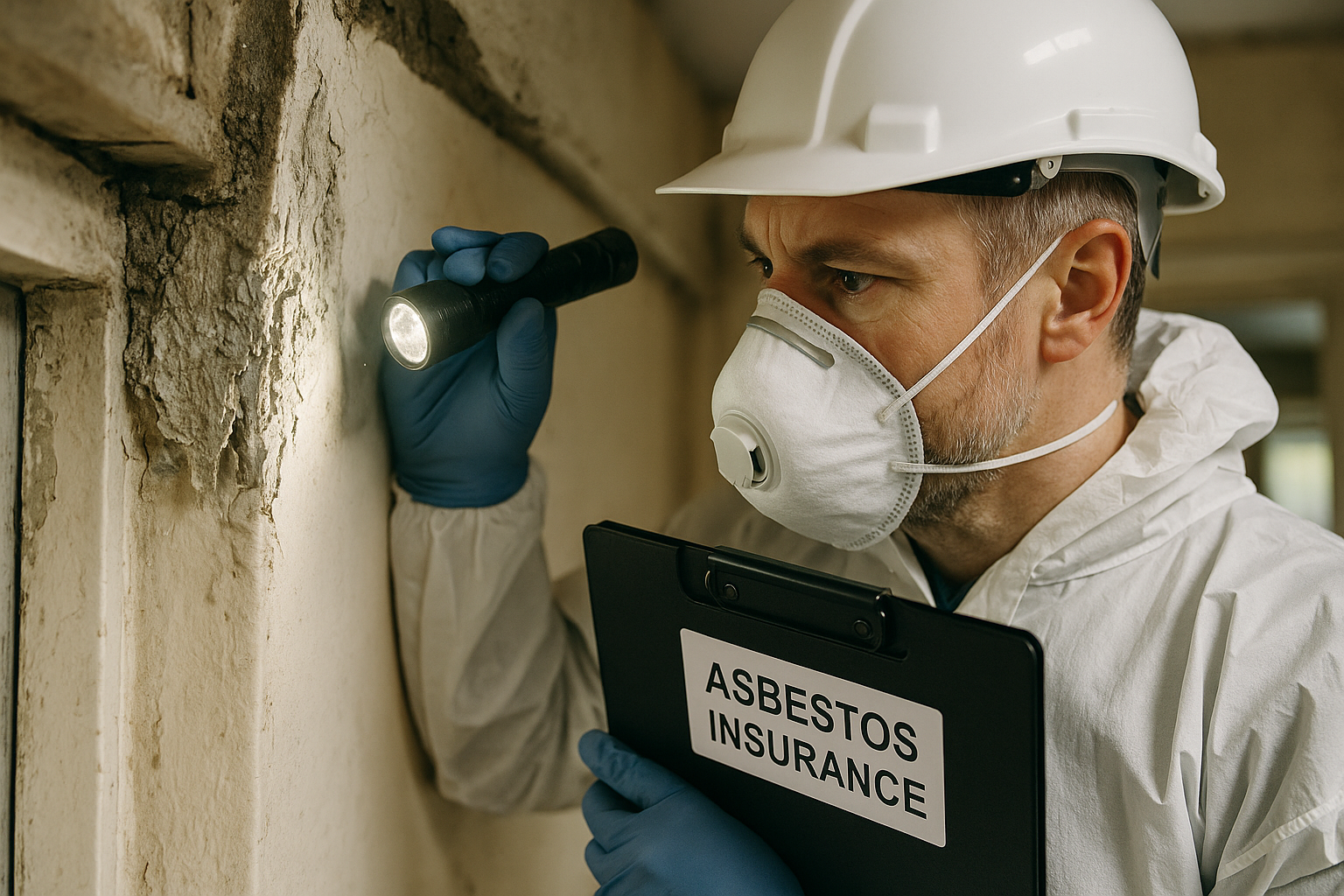
If the property was built or refurbished before 2000, asbestos could be present in a wide range of materials. Common examples include textured coatings, floor tiles, cement sheets, soffits, insulation board, boxing, bath panels, flues, ceiling tiles and service ducting.
Practical first steps
- Check the age of the property and any known refurbishment history.
- Review existing asbestos reports, O&M files, handover packs and maintenance records.
- Do not drill, cut, sand, scrape or remove suspicious materials.
- Arrange the correct survey or sampling before work begins.
- Keep copies of reports ready for contractors, managing agents and insurers.
For occupied premises where normal use continues, a management survey is usually the starting point. This helps identify asbestos-containing materials that could be disturbed during normal occupation, routine maintenance or minor installation work.
If intrusive work is planned, that is not enough. Before alterations, strip-out or major upgrades, a refurbishment survey is normally required so hidden asbestos can be identified before contractors start opening up the building.
Where a structure is going to be taken down, a demolition survey is required before demolition proceeds. This is designed to locate asbestos in all reasonably accessible areas so it can be dealt with in advance.
Asbestos insurance for homeowners
For homeowners, asbestos insurance usually forms part of buildings insurance rather than a separate product. The problem is that many householders only discover the limits of cover after they have already opened up walls, ceilings or floors.
If asbestos is found during a planned renovation, that is usually not an insured loss. If a burst pipe, fire or storm has damaged the same area and asbestos has to be managed as part of insured repairs, some associated costs may be considered.
Questions homeowners should ask their insurer
- Will the policy cover asbestos-related reinstatement after an insured event?
- Are contamination or pollution exclusions applied?
- Are survey, sampling or professional fees included?
- Is temporary accommodation available if the home cannot be occupied?
- Do I need to use approved contractors?
- What evidence should be submitted with the claim?
Ask for answers in writing. If there is any disagreement later, a written response is far more useful than a verbal conversation.
Can you still live in a home that contains asbestos?
Often, yes. The presence of asbestos alone does not automatically make a home unsafe or uninhabitable.
The real issue is the material type, its condition and whether it is likely to be disturbed. Asbestos-containing materials in good condition are often safer left in place and managed than removed without good reason.
- Staying put may be reasonable where the material is sound, sealed and unlikely to be disturbed
- Temporary relocation may be sensible if removal works affect key living areas
- Leaving the property may also be necessary after fire, flood or accidental disturbance
Whether alternative accommodation is covered depends on the policy and the cause of the problem. If asbestos is simply discovered during planned refurbishment, insurers are far less likely to pay for relocation.
Asbestos insurance for landlords and property managers
Landlords and managing agents face wider exposure than owner-occupiers. Insurance is only one part of the picture, because legal duties, contractor controls and record keeping all affect the outcome when asbestos becomes an issue.
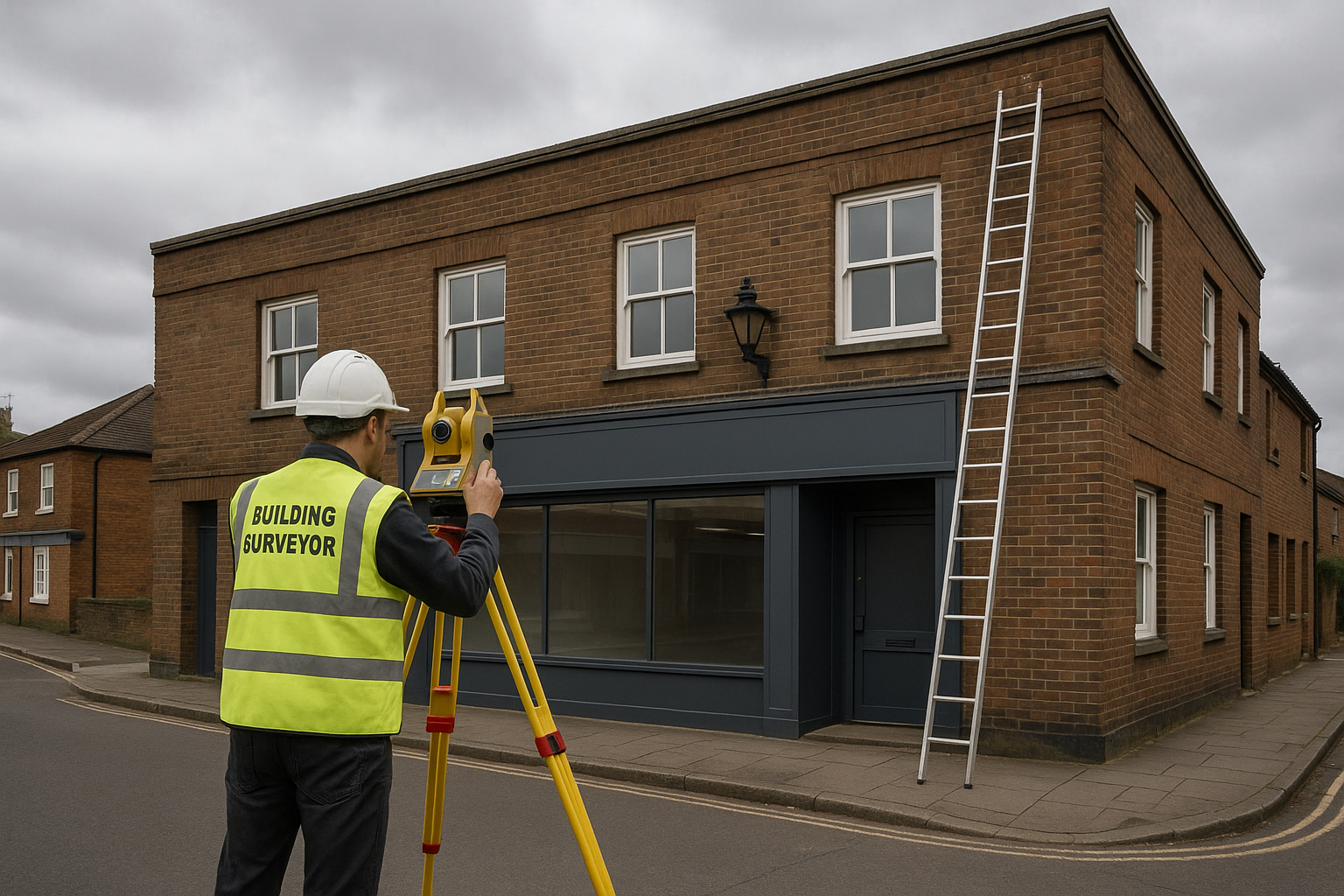
In blocks and mixed-use buildings, common parts such as corridors, risers, plant rooms and service areas can create clear management responsibilities. Poor information flow between surveyor, contractor and insurer is where many expensive mistakes begin.
Common landlord risks
- Tenant complaints after accidental disturbance
- Delays to maintenance, void works or planned upgrades
- Claims involving contractors exposed during repairs
- Higher reinstatement costs after insured damage
- Disputes over whether asbestos was pre-existing
- Loss of rent where works overrun
Practical steps that reduce insurance friction
- Keep asbestos records current and accessible
- Provide survey information before contractors quote
- Do not allow intrusive work without the correct survey
- Record who was told what, and when
- Notify insurers promptly if an incident may involve asbestos
- Use competent specialists for surveying, testing and removal
If you manage multiple sites, create a simple internal process. No contractor should start opening up walls, ceilings, ducts or risers until asbestos information has been checked.
DIY, refurbishment and the biggest uninsured asbestos mistakes
A lot of asbestos insurance disputes start with well-meaning building work. Someone wants to replace a kitchen, rewire a flat, remove a garage roof or strip out a bathroom quickly, and asbestos is only considered after the material has already been disturbed.
That creates two problems at once: a possible health risk and a possible coverage issue. Insurers may challenge claims if the damage was caused or worsened by unsafe, avoidable or unauthorised work.
Jobs that commonly uncover asbestos
- Removing old vinyl floor tiles and adhesive
- Stripping textured coatings
- Replacing soffits, fascias or gutters
- Taking down partition walls
- Drilling through service boxing or panels
- Removing old boiler cupboard linings or heating ducts
- Dismantling garages, sheds or outbuildings
Before any intrusive work, know what you are dealing with. That applies whether the job is domestic, commercial or in a communal area.
If you need a lab result on a suspect material, professional asbestos testing is usually the safest route where there is any doubt about access, condition or disturbance risk. A test result is far more useful when it is backed by location details and practical interpretation.
Should you use a DIY kit?
A low-cost kit can look attractive, but sampling itself can create the disturbance you were trying to avoid. A material that is damaged, friable, overhead or awkward to reach is not a sensible DIY job.
An asbestos testing kit may be suitable where the sample can be taken with minimal disturbance and you understand the risks. If you are considering a simple testing kit, be realistic about the location, condition and accessibility of the material before touching it.
Where you want local support and a proper report, Supernova also offers asbestos testing for property owners who need quick answers before works or claims progress.
Does asbestos always need to be removed?
No. This is one of the biggest misunderstandings linked to asbestos insurance. Finding asbestos does not automatically mean urgent removal is required.
Under HSE guidance, asbestos-containing materials in good condition and unlikely to be disturbed are often better managed in place. Insurers do not usually require removal simply because asbestos exists in the building.
When management in place may be suitable
- The material is stable and in good condition
- It is sealed or encapsulated
- It is unlikely to be disturbed during normal use
- The location can be controlled and monitored
Examples may include some asbestos cement sheets, certain floor tiles and textured coatings that remain sound and undisturbed.
What good management looks like
- Record the material in an asbestos register where applicable
- Monitor condition over time
- Inform contractors before any work starts
- Prevent drilling, sanding, cutting or removal without assessment
- Label materials where appropriate in non-domestic or communal settings
When removal becomes necessary
Removal is more likely where the material is damaged, deteriorating, exposed, friable or likely to be disturbed by planned works. It may also be necessary where the location makes safe management unrealistic.
If removal is needed, use competent specialists. For support beyond identification, professional asbestos removal should be arranged through suitably qualified contractors using the right controls, documentation and waste procedures.
How to make an asbestos-related insurance claim go more smoothly
If an insured event has happened and asbestos is involved, speed and evidence matter. Delays often occur because the insurer, loss adjuster, contractor and owner are all working from incomplete information.
What to do after an incident
- Make the area safe and prevent further disturbance.
- Notify your insurer as soon as possible.
- Tell them asbestos may be present or has been identified.
- Provide existing surveys, registers or test reports.
- Do not authorise intrusive repair work until the asbestos position is clear.
- Use competent surveyors and contractors to support the claim.
Photographs, maintenance records and pre-existing survey documents can all help show what happened and when. If the asbestos-containing material was already known and recorded, that can make the discussion with the insurer much clearer.
Documents worth keeping ready
- Asbestos survey reports
- Sample analysis certificates
- Asbestos registers for relevant premises
- Contractor quotations and scopes of work
- Incident photographs
- Maintenance logs and previous repair records
- Written communication with the insurer
The aim is not to overwhelm the insurer. It is to remove uncertainty so they can understand whether asbestos is part of the insured damage, a pre-existing issue, or both.
Buying, selling and renovating a property with asbestos
Asbestos often becomes an insurance issue during property transactions and renovation planning. Buyers want certainty, sellers want to avoid delays, and insurers want clarity on condition and risk.
If asbestos is suspected, deal with it before works or exchange pressures build. A clear survey and sensible advice are far cheaper than a stalled project or a disputed claim halfway through a strip-out.
Useful steps before buying or renovating
- Ask for any existing asbestos information early
- Budget for surveys before intrusive work begins
- Share reports with designers and contractors
- Check insurance terms before major refurbishment
- Do not rely on assumptions based on appearance alone
Local support can make this much easier to coordinate. If your project is in the capital, arranging an asbestos survey London service before works start can avoid costly disruption. The same applies in the North West, where an asbestos survey Manchester appointment can help keep a renovation or claim moving.
Frequently Asked Questions
Does asbestos insurance cover removal of asbestos just because it is present?
Usually not. In most cases, insurers do not pay simply because asbestos is found. Cover is more likely where asbestos-related work is required as part of repairs following an insured event such as fire, flood, storm or impact damage.
Will a standard home insurance policy tell me if asbestos is covered?
Sometimes, but not always clearly. You need to check the policy wording for exclusions and any terms dealing with contamination, pollution, defects and reinstatement costs. If the wording is unclear, ask the insurer specific questions in writing.
Can I take my own asbestos sample for insurance purposes?
You can sometimes use a kit for low-risk, easily accessed materials, but DIY sampling is not always sensible. If the material is damaged, friable, overhead or difficult to reach, use a competent surveyor so you do not create further risk or weaken your position with the insurer.
Do I need an asbestos survey before refurbishment work?
Yes, if the work is intrusive and the building could contain asbestos. A management survey is not enough for major alterations. Planned refurbishment normally requires a refurbishment survey so hidden materials can be identified before contractors start.
Can you insure a property that contains asbestos?
Yes. Many properties containing asbestos can still be insured. The presence of asbestos does not automatically prevent cover, but it can affect underwriting, claims handling and the cost and scope of reinstatement if damage occurs.
If you need clear advice before a claim, renovation or property transaction, Supernova Asbestos Surveys can help with surveys, testing and practical next steps nationwide. Call 020 4586 0680 or visit asbestos-surveys.org.uk to arrange expert support.