
You do not want your first clue about asbestos to be a broken ceiling panel, lifted floor tile or a contractor calling from site saying work has stopped. If you are asking would a house built in 1976 have asbestos, the honest UK answer is yes, it could. A property from that period sits firmly within the era when asbestos-containing materials were still used across homes, flats, garages and service areas.
That does not mean every 1976 house is dangerous. It does mean you should avoid guesswork. Original materials, hidden voids and later refurbishments can all mask asbestos, and you cannot confirm or rule it out by sight alone.
Would a house built in 1976 have asbestos? Yes, it is entirely possible
When people ask would a house built in 1976 have asbestos, they are usually hoping for a simple yes or no. In practice, the answer is more useful than that: a 1976 house may contain asbestos in several common building products, especially if parts of the property remain original.
Asbestos was used because it offered heat resistance, insulation and durability. It appeared in decorative finishes, boards, cement products, floor materials and insulation around services. Some products were restricted earlier than others, but asbestos remained in use in UK construction for years after 1976.
So if you are wondering would a house built in 1976 have asbestos, treat the age of the property as a warning sign. It is not proof that asbestos is present everywhere, but it is enough reason to check before maintenance, refurbishment or demolition begins.
- Original 1970s materials may still be in place behind newer finishes
- Past renovations may have covered asbestos rather than removed it
- Wear, water damage and DIY work can expose previously sealed materials
- Only surveying or sampling can confirm what is actually there
Where asbestos is commonly found in a 1976 house
If you are asking would a house built in 1976 have asbestos, the next question is where. In homes of this age, asbestos may be found both inside and outside the building, and not always in the places owners expect.
Textured coatings and ceilings
Decorative textured coatings were widely used in 1970s homes. Artex-style finishes, stipple coatings and other textured ceiling or wall treatments may contain asbestos.
If the coating is in good condition and left alone, the immediate risk is usually lower. The problem starts when someone sands, scrapes, drills, strips or repairs it without testing first.
- Do not sand or scrape textured coatings
- Do not drill through ceilings for lights or fittings without checks
- If cracking or damage is visible, keep the area undisturbed
- Arrange asbestos testing before decorating or repair work
Floor tiles and bitumen adhesive
Older vinyl floor tiles can contain asbestos, and so can the black bitumen adhesive beneath them. This often becomes an issue during kitchen refits, hallway upgrades and bathroom renovations.
Tiles may look harmless, especially if covered by laminate, carpet or newer vinyl. But once contractors start lifting layers, hidden asbestos-containing materials can quickly disrupt the job.
Asbestos insulating board
Asbestos insulating board, often called AIB, is one of the more significant materials found in properties from this period. It was used for partition walls, soffits, service risers, airing cupboards, fireproof panels and boxing around pipes or ducts.
AIB is more friable than asbestos cement, meaning it can release fibres more easily if damaged. If a board looks original, avoid drilling, cutting or removing it until it has been assessed properly.
Pipe lagging, boiler insulation and service voids
Higher-risk asbestos materials may be present around older heating systems, ducts and concealed service areas. Pipe lagging and old boiler insulation can deteriorate over time, especially where there has been water ingress or poor repair work.
If you see torn wrapping, crumbly insulation or dusty debris around old services, stop work straight away. Isolate the area and seek professional advice.
Asbestos cement products
Asbestos cement was widely used in garages, sheds and external parts of houses. Common examples include corrugated roof sheets, wall cladding, soffits, flues, rainwater goods and outbuilding panels.
These products are generally lower risk when intact because the fibres are bound into the cement. Risk rises when they are drilled, cut, broken, weathered or removed carelessly.
Loft insulation and vermiculite
Loose-fill insulation in lofts needs careful handling. Vermiculite insulation consists of lightweight flakes or granules, and some products were contaminated with asbestos.
If you suspect vermiculite in a loft, do not move it, sweep it or bag it yourself. Keep the loft undisturbed and arrange sampling before any insulation upgrade, boarding or loft conversion.
Why age matters, but visual checks are not enough
The age of a property is a useful clue, which is why so many people ask would a house built in 1976 have asbestos. But age alone does not tell you exactly what materials contain asbestos, what condition they are in, or whether planned works will disturb them.

Visual inspection has limits. Some asbestos-containing materials look ordinary, while some non-asbestos materials look suspicious. A textured ceiling, cement sheet or service boxing cannot be judged reliably by appearance alone.
That matters because poor assumptions lead to expensive mistakes. A contractor may begin work thinking a surface is safe, only to stop halfway through when suspect material is uncovered. By then, the area may need to be isolated, trades rescheduled and the programme reworked.
The practical answer is simple:
- Identify the work you plan to carry out
- Choose the right survey or targeted sampling
- Share the findings with contractors before work starts
- Follow the recommendations on management, encapsulation or removal
What survey or testing do you need?
If you are still asking would a house built in 1976 have asbestos, the next step is not more online searching. It is choosing the right asbestos inspection for the property and the work planned.
Surveying should be carried out in line with HSG264. The correct survey type depends on whether the building is occupied, whether works are planned, and how intrusive those works will be.
Management survey
If the property is occupied and you need to understand asbestos risk during normal use, a management survey is usually the starting point. It helps identify asbestos-containing materials that could be disturbed during routine occupation or light maintenance.
This is often suitable for landlords, managing agents and dutyholders responsible for common parts or non-domestic areas linked to residential buildings.
Refurbishment survey
If planned works will disturb the fabric of the building, you need a refurbishment survey. This is intrusive and focused on the specific areas affected by the works.
You would usually need this before:
- Kitchen or bathroom replacement
- Rewiring
- Ceiling replacement
- Flooring removal
- Wall alterations
- Heating upgrades
- Loft conversions
Demolition survey
If the whole structure, or part of it, is to be demolished, a demolition survey is required. This is fully intrusive and aims to locate asbestos before demolition starts.
Using a cheaper or less intrusive option is not a safe substitute if major works are planned. If the survey type does not match the job, hidden asbestos may still be left in the work area.
Targeted sampling
Sometimes you do not need a full survey. If one specific material is in question, such as a ceiling coating, floor tile or garage sheet, targeted sampling may be enough. Supernova also provides asbestos testing for situations where quick confirmation is needed before smaller works go ahead.
What the law says in the UK
If you are wondering would a house built in 1976 have asbestos, legal duties matter as much as practical risk. In the UK, asbestos is governed by the Control of Asbestos Regulations, supported by HSE guidance and survey methodology set out in HSG264.
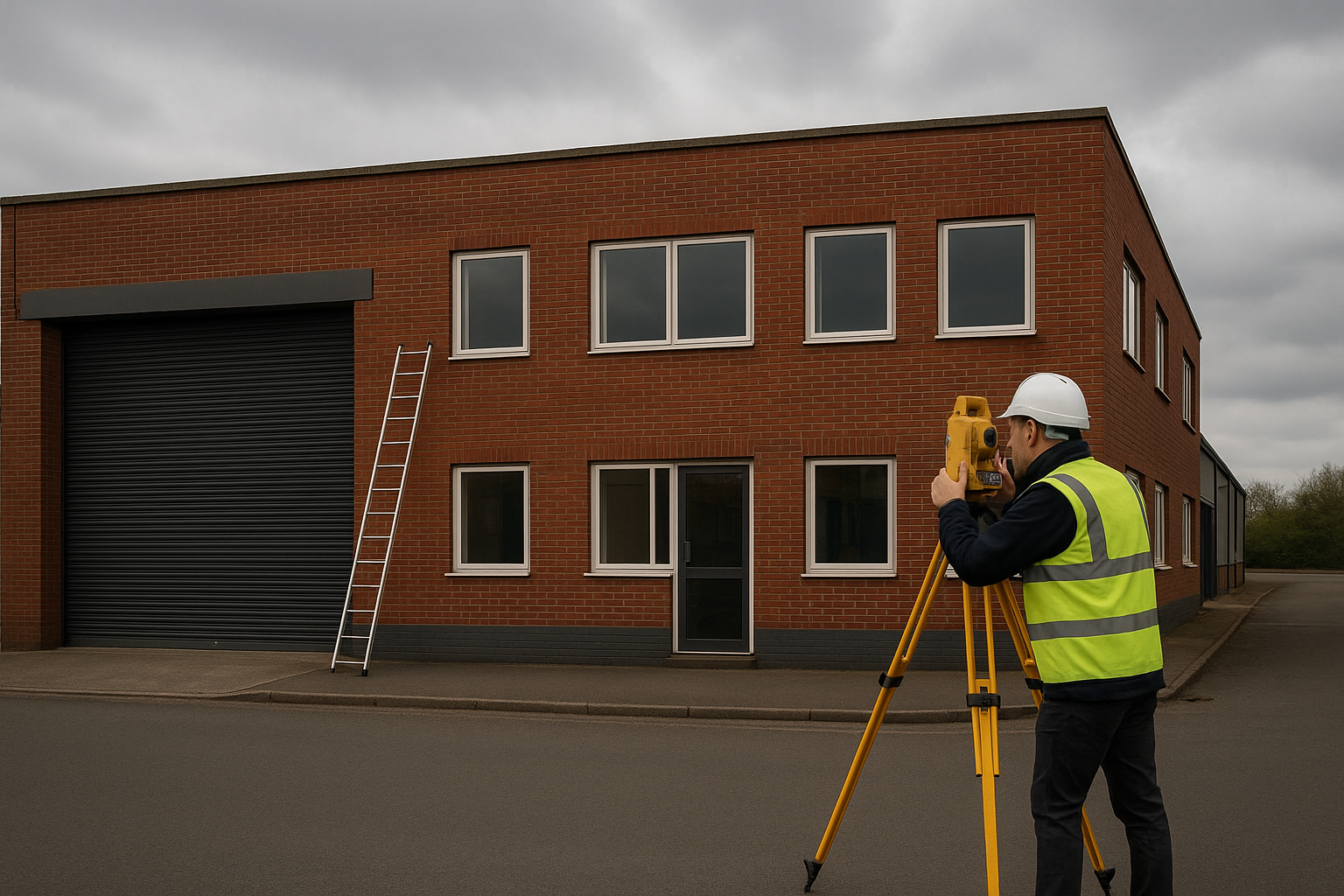
For non-domestic premises, and for the common parts of domestic buildings, there is a duty to manage asbestos. That means identifying asbestos-containing materials, assessing their condition, keeping records and making sure anyone who may disturb them has the right information.
Owner-occupiers in a single private home do not have the same formal duty to manage in the same way. Even so, anyone arranging works still has a responsibility to prevent exposure to tradespeople, occupants and visitors.
Practical steps that help you stay compliant include:
- Arrange the correct survey before work starts
- Use competent professionals for sampling and advice
- Share survey findings with contractors
- Keep records of identified asbestos-containing materials
- Review whether materials should be managed, encapsulated or removed
If trades are arriving next week and nobody has checked suspect materials, pause the job. A short delay before work begins is far better than an emergency stop once materials have been disturbed.
What to do if you suspect asbestos in a 1976 property
Once people start asking would a house built in 1976 have asbestos, it is often because they have already found something suspicious. The right response is calm, controlled and practical.
- Stop work if drilling, sanding, stripping or demolition has started
- Keep the material undisturbed
- Limit access to the area
- Do not sweep, vacuum or brush up debris
- Arrange professional inspection or sampling
- Follow the report on management, encapsulation or removal
Do not rely on DIY testing kits, internet photos or a contractor saying a material “looks fine”. Asbestos decisions should be based on proper inspection and, where needed, laboratory analysis.
Does asbestos always need to be removed?
No. A positive result does not automatically mean everything must come out. Whether asbestos should be managed in place or removed depends on the type of material, its condition, its location and whether it will be disturbed.
For example, intact asbestos cement on a garage roof may sometimes be managed safely until replacement is needed. Damaged AIB in a work area is a very different situation and may require more urgent action.
Typical options include:
- Management in place where the material is in good condition and unlikely to be disturbed
- Encapsulation where sealing or protecting the material reduces risk
- Removal where the material is damaged, deteriorating or in the way of planned works
If removal is needed, use a competent contractor for asbestos removal. The correct method depends on the material and the level of control required.
How asbestos affects renovation, maintenance and property sales
A 1976 house can still be bought, sold, let and renovated safely. The issue is not the age alone. The issue is whether asbestos risk has been identified before people start disturbing the building fabric.
Buying a 1970s house
If you are purchasing a property and asking would a house built in 1976 have asbestos, ask whether any survey or testing has already been carried out. If you are budgeting for alterations, include asbestos checks in your cost planning from the start.
Do not assume a standard building survey will answer asbestos questions in detail. It may flag suspicion, but it will not replace a dedicated asbestos survey.
Managing a rented property
Landlords and managing agents should keep good records, especially where common parts or non-domestic areas are involved. If contractors attend for repairs, they need to know what has and has not been checked.
Reactive maintenance is where hidden asbestos often causes problems. A leaking pipe, electrical fault or damaged ceiling can force urgent access into areas nobody has assessed properly.
Planning a renovation
Book the correct survey before you appoint builders, finalise pricing or order materials. That one step can prevent delays, redesigns and unexpected removal costs later.
Typical jobs that should trigger asbestos checks include:
- Replacing kitchens and bathrooms
- Removing old flooring
- Opening boxed-in services
- Installing downlights
- Altering walls and ceilings
- Converting garages or lofts
Common mistakes property owners make
When people ask would a house built in 1976 have asbestos, they are right to be cautious. Problems usually arise not from the question itself, but from the assumptions that follow.
- Assuming a material is safe because it looks modern
- Assuming previous owners already dealt with asbestos
- Starting strip-out works before the right survey
- Letting trades drill or cut suspect materials without checks
- Using a management survey when a refurbishment survey is needed
- Trying to remove suspect materials without competent advice
The fix is straightforward: identify the material, match the survey to the work, and act on the report before the first tool comes out.
Local asbestos survey support
If your property is in the capital, Supernova can arrange an asbestos survey London service with fast, practical support. For properties in the North West, our asbestos survey Manchester team can help with homes, flats and mixed-use buildings.
For the Midlands, we also provide an asbestos survey Birmingham service. Wherever you are, the priority is the same: identify asbestos before routine work, refurbishment or demolition puts people at risk.
Frequently Asked Questions
Would a house built in 1976 have asbestos in every room?
No. A 1976 house may contain asbestos in some materials and not others. It could be present in ceilings, floor tiles, boards, service boxing, cement products or insulation, but only a survey or testing can confirm where.
Can you tell if a material contains asbestos just by looking at it?
No. Many asbestos-containing materials look similar to non-asbestos products. Visual checks can identify suspect materials, but confirmation usually requires sampling and analysis or a surveyor’s assessment.
Is asbestos in a 1976 house always dangerous?
Not always. Risk depends on the type of material, its condition and whether it is disturbed. Intact materials in good condition may sometimes be managed safely, while damaged or disturbed materials can present a more serious risk.
Do I need an asbestos survey before renovating a 1976 property?
Yes, if the works will disturb the fabric of the building. A refurbishment survey is normally required before intrusive works such as rewiring, removing flooring, replacing ceilings or altering walls.
What should I do first if I think my 1976 house has asbestos?
Stop any work that could disturb the material, keep the area undisturbed and arrange professional inspection or testing. Do not drill, sand, scrape or remove suspect materials yourself.
Need clear answers on asbestos in a 1976 property?
If you are still asking would a house built in 1976 have asbestos, the safest next step is to get the property checked properly. Supernova Asbestos Surveys has completed more than 50,000 surveys nationwide and can help with surveys, sampling and practical advice before work starts.
Call 020 4586 0680 or visit asbestos-surveys.org.uk to book the right survey for your property and avoid costly surprises on site.