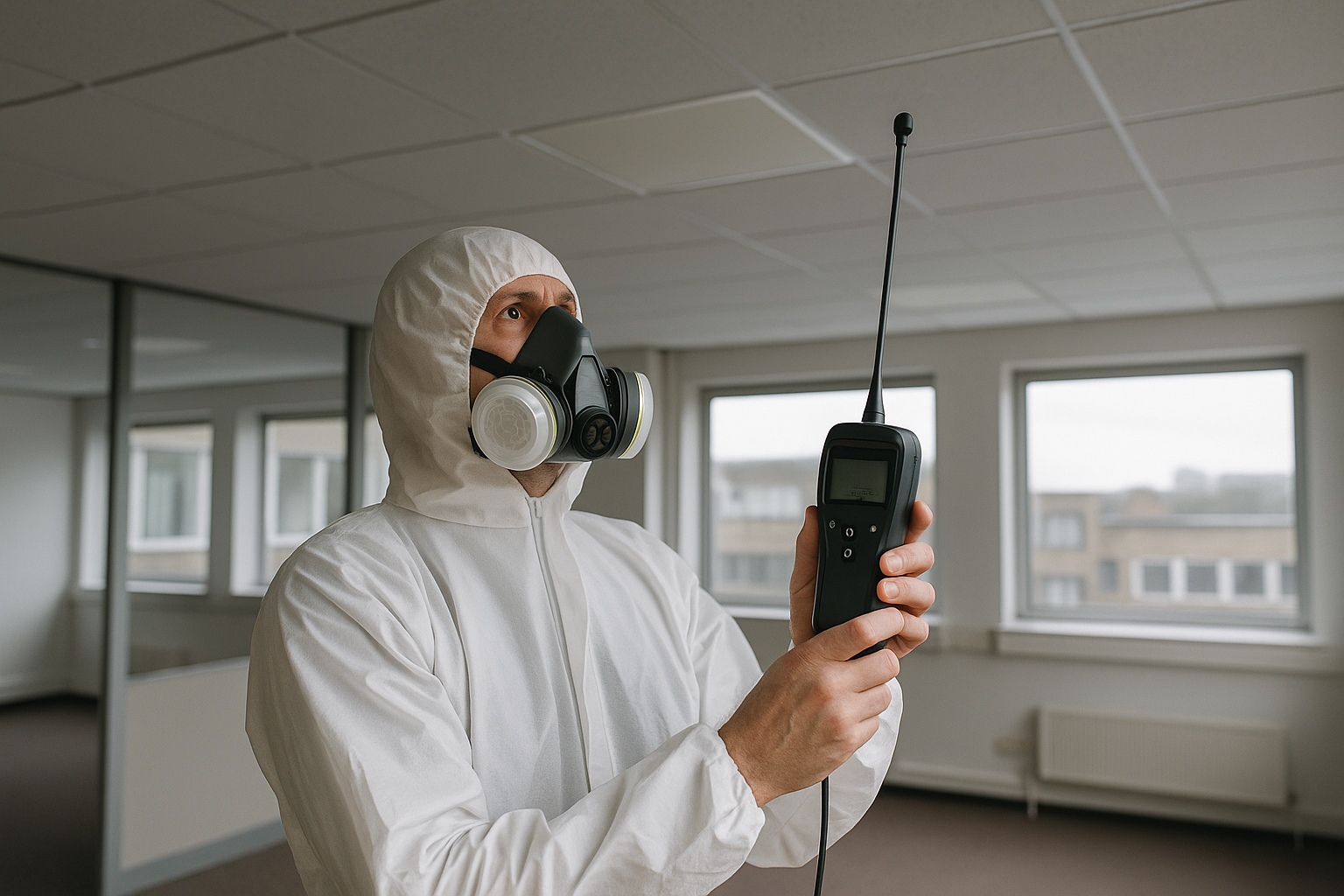
You lift an old floor tile, open a riser cupboard, or spot frayed insulation on pipework, and the same thought hits straight away: what to do when you find asbestos. The right response is simple at first — stop work, keep people away, and avoid making the material worse. Most asbestos incidents become serious because someone keeps drilling, scraping, sweeping or pulling at a suspect material after the warning signs are already there.
Asbestos is still found in many UK properties built or refurbished before 2000. That includes houses, flats, schools, offices, warehouses, shops and industrial premises. If you know what to do when you find asbestos, you can reduce the chance of fibre release, protect occupants, and deal with the issue properly under UK guidance.
What to do when you find asbestos: immediate steps
The first few minutes matter. If a suspect material is left alone, the risk may stay low. If it is cut, sanded, snapped or swept up, the situation can change very quickly.
- Stop work immediately. Put tools down and do not disturb the material any further.
- Keep others out. Close doors if you can do so without spreading dust.
- Do not clean up. Do not sweep, vacuum or wipe debris with ordinary equipment.
- Do not take an ad hoc sample. Breaking off a piece without proper controls can release fibres.
- Note the location and condition. Take a photo from a safe distance if practical.
- Arrange professional identification. Depending on the situation, that may mean sampling, a survey, or urgent specialist advice.
If the material is damaged, debris is visible, or it appears to be insulation or lagging, treat it as a higher-risk situation. Keep the area isolated and get competent help quickly.
Why asbestos is still a problem in UK properties
Asbestos was used widely because it resisted heat, improved insulation and added strength to building products. That is why it still turns up in ceilings, service ducts, floor finishes, plant rooms, outbuildings and fire protection materials.
The presence of asbestos does not automatically mean a building is unsafe. The real issue is whether the asbestos-containing material is damaged, likely to be disturbed, or in poor condition. Knowing what to do when you find asbestos helps you avoid turning a manageable issue into contamination.
Buildings most likely to contain asbestos
- Homes built or refurbished before 2000
- Schools and public buildings
- Commercial offices and retail units
- Factories, warehouses and workshops
- Garages, sheds and outbuildings
If you manage an older building, asbestos should always be part of your maintenance planning. Never assume a material is safe just because it looks tidy or painted over.
Can you identify asbestos by sight?
Not reliably. One of the biggest mistakes people make when deciding what to do when you find asbestos is assuming they can confirm it just by looking. Many asbestos products look almost identical to non-asbestos materials.
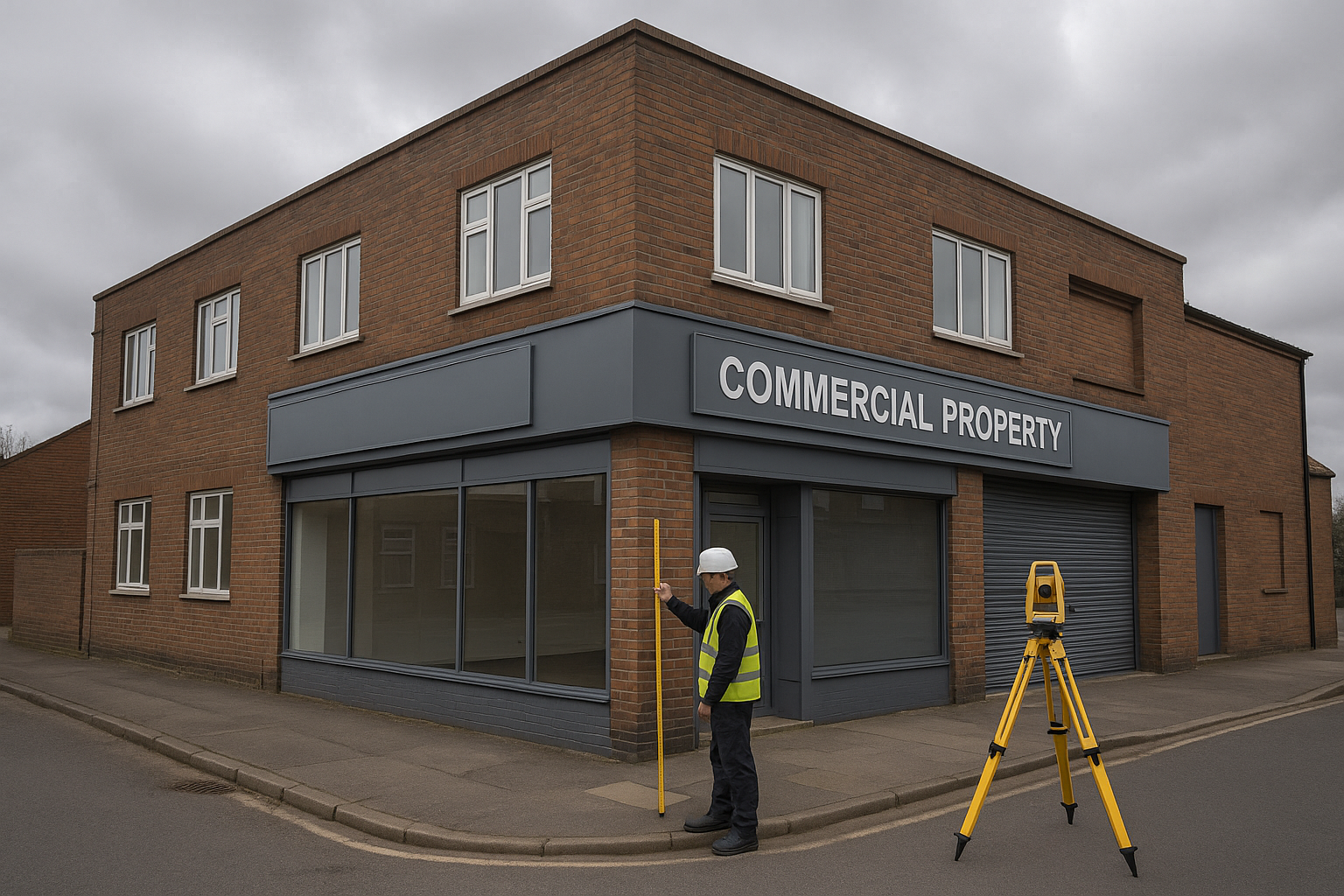
What you can do is recognise suspect materials based on age, location, texture and product type. Confirmation requires sampling and laboratory analysis, or a suitable asbestos survey.
Common suspect materials
- Asbestos cement sheets on garage roofs, wall panels and outbuildings
- Asbestos insulating board in partitions, risers, soffits and service cupboards
- Pipe lagging around heating systems and plant
- Textured coatings on ceilings and walls
- Vinyl floor tiles and older bitumen adhesives
- Ceiling tiles in older commercial buildings
- Gaskets, rope seals and heat-resistant products around plant and machinery
Colour is not a reliable indicator. Neither is surface finish. Age and product type tell you far more than appearance alone.
Where asbestos is commonly found
If you are working out what to do when you find asbestos, location gives useful clues. Some materials appear again and again during surveys because they were standard building products for years.
Inside homes
- Textured ceiling coatings
- Floor tiles and old adhesive
- Airing cupboard linings
- Bath panels and boxing-in panels
- Soffits and flue surrounds
- Garage roofs
- Panels behind fuse boards or heaters
- Pipe insulation in older heating systems
In commercial and public buildings
- Suspended ceiling tiles
- Insulating board in partitions and fire breaks
- Plant room insulation and boiler lagging
- Roof sheets and wall cladding
- Floor tiles in corridors and offices
- Service risers and duct panels
- Fire protection boards around structural steel
Finding asbestos in any of these places does not automatically mean it must be removed. In many cases, sound material can be managed safely if it is recorded, monitored and protected from disturbance.
Higher-risk asbestos materials you should treat with extra caution
Some asbestos-containing materials are far more likely to release fibres if disturbed. These need a more cautious response and often specialist involvement.

Pipe lagging and thermal insulation
Pipe insulation is one of the most serious examples when considering what to do when you find asbestos. Lagging can be soft, crumbly and easily damaged, especially in older basements, ducts, ceiling voids and boiler areas.
If you suspect asbestos lagging:
- Stop plumbing, heating or maintenance work immediately
- Do not cut into the insulation to see what is underneath
- Keep the area clear
- Arrange urgent assessment by a competent asbestos professional
Higher-risk insulation work may fall under licensable work requirements under the Control of Asbestos Regulations. That means it must only be handled by the right specialist contractor.
Asbestos insulating board
Asbestos insulating board, often called AIB, can look like ordinary board or plasterboard. It was used in partitions, soffits, risers, fire protection panels and service cupboards. It is much more hazardous than asbestos cement because fibres can be released more easily if it is drilled, broken or removed badly.
Vinyl floor tiles and adhesive
Old floor tiles are a common trap for homeowners and contractors. The tiles may contain asbestos, and the black adhesive underneath may as well. Risk is usually lower when the material is intact, but it rises if tiles are machine-scraped, sanded, broken up or heated aggressively.
Practical options include:
- Testing before removal
- Leaving sound tiles in place
- Over-boarding or covering with a new floor finish
- Avoiding power tools entirely
How asbestos should be identified properly
The correct answer to what to do when you find asbestos nearly always includes proper identification. Guesswork is not enough, especially before refurbishment, demolition or maintenance work.
Option 1: Sampling a single suspect material
If there is one isolated material in a controlled setting, laboratory testing may be the right first step. For suitable situations, a testing kit can help confirm whether a suspect sample contains asbestos.
This is not a licence to break materials apart casually. Sampling must still be approached carefully, and if the material is damaged, friable or difficult to access, professional attendance is the safer choice.
Option 2: Arranging an asbestos survey
If work is planned, multiple materials are involved, or the building is non-domestic, a survey is often the better route. HSG264 sets out the guidance framework for asbestos surveys, including management surveys and refurbishment or demolition surveys.
A management survey helps locate asbestos-containing materials that could be disturbed during normal occupation and routine maintenance. A refurbishment or demolition survey is needed before more intrusive work, so hidden asbestos can be identified before contractors start opening up the building.
If you are planning work in the capital, an asbestos survey London service can establish what is present before disruption begins. The same applies elsewhere, whether you need an asbestos survey Manchester appointment for a commercial property or an asbestos survey Birmingham inspection ahead of refurbishment.
Should asbestos always be removed?
No. One of the most useful things to understand about what to do when you find asbestos is that removal is not always the best answer. If asbestos-containing material is in good condition, sealed, and unlikely to be disturbed, management in place may be safer than removal.
The decision depends on:
- The type of material
- Its condition
- Its accessibility
- The likelihood of disturbance
- Whether refurbishment or demolition is planned
When management may be suitable
- Asbestos cement roof sheets in fair condition
- Undamaged textured coating
- Floor tiles that are intact and covered
- Recorded asbestos in a locked service area with no planned works
When removal may be necessary
- Damaged or deteriorating material
- Asbestos in an area due for refurbishment
- Repeated accidental disturbance
- High-risk materials such as lagging in poor condition
Good asbestos management is about control, not panic. Disturbing sound material without a clear reason can create more risk than leaving it alone.
Health risks from asbestos exposure
The health risk comes from breathing in airborne asbestos fibres. These fibres are too small to see with the naked eye, and exposure may happen without any obvious immediate symptoms.
Diseases linked to asbestos exposure usually develop many years later. That delayed effect is exactly why people need to know what to do when you find asbestos and act before dust is spread.
Health conditions associated with asbestos exposure
- Mesothelioma — a cancer affecting the lining of the lungs or abdomen
- Asbestos-related lung cancer — linked to asbestos exposure
- Asbestosis — scarring of lung tissue after significant fibre inhalation over time
- Pleural thickening — thickening around the lungs that can affect breathing
The level of risk depends on how much dust was released, how often exposure happened, and how long it continued. A one-off minor disturbance is not the same as repeated occupational exposure, but any avoidable exposure should be prevented.
What to do after possible asbestos exposure
People often ask what to do when you find asbestos after they have already drilled, scraped or broken a suspect material. The first step is still to stop further exposure.
- Leave the area.
- Prevent anyone else from entering.
- Wash exposed skin and shower if practical.
- Remove dusty clothing carefully and bag it.
- Write down what happened, including the material, location and task.
- Report it to your employer, landlord or dutyholder if it happened at work or in managed premises.
- Seek medical advice if you are concerned, especially after significant or repeated exposure.
There is no quick medical test that confirms a recent one-off inhalation event. That can be frustrating, but recording the incident and stopping further exposure are still sensible steps.
Legal duties when asbestos is found
The legal position depends on the type of property and who controls it. For homeowners in their own domestic property, there is no equivalent duty to manage asbestos in the same way as non-domestic premises. Even so, employing contractors without warning them about known or suspected asbestos can create serious risk.
For landlords, employers, facilities managers, managing agents and other dutyholders, the Control of Asbestos Regulations place clear duties on those responsible for non-domestic premises and common parts of certain residential buildings.
Key duties for non-domestic premises
- Identify asbestos-containing materials through a suitable survey where needed
- Assess the risk from those materials
- Keep an asbestos register
- Prepare and maintain an asbestos management plan
- Share relevant information with contractors and anyone liable to disturb the material
- Monitor condition and review the plan regularly
HSE guidance and HSG264 are central references for survey standards and asbestos management practice. If work is planned, make sure the right survey type is commissioned before the job starts, not halfway through after a surprise discovery.
Practical mistakes to avoid
When people are unsure what to do when you find asbestos, they often make the same avoidable errors. These mistakes can turn a small issue into a much bigger one.
- Do not sweep up dust. This can spread fibres.
- Do not use a household vacuum. Standard vacuums are not suitable for asbestos debris.
- Do not drill a small hole “just to check”.
- Do not assume cement means harmless. Some cement products are lower risk, not risk-free.
- Do not let contractors guess. Provide survey information before work begins.
- Do not remove materials without checking legal requirements.
If you are managing a property portfolio, build asbestos checks into your planned maintenance process. That is far cheaper and safer than dealing with emergency stoppages once work has already begun.
What homeowners, landlords and property managers should do next
If you are a homeowner, your main priority is to stop disturbance and get the material identified properly. Avoid DIY removal, especially for insulation, board or damaged materials.
If you are a landlord or property manager, take a more structured approach:
- Review the age and history of the building
- Check whether an asbestos survey already exists
- Confirm whether the survey is still suitable for the planned work
- Update the asbestos register if materials are found or changed
- Brief contractors before they start
- Monitor known asbestos-containing materials routinely
This is where good record-keeping matters. A forgotten panel in a service cupboard or old floor tile under a new finish can still cause a major problem if maintenance teams are not warned.
Get expert help before a small asbestos issue becomes a bigger one
If you are unsure what to do when you find asbestos, the safest move is to stop work and get clear advice from a competent asbestos professional. Supernova Asbestos Surveys carries out surveys, sampling and asbestos support for homes, commercial buildings and managed property across the UK.
To arrange help, call 020 4586 0680 or visit asbestos-surveys.org.uk. Whether you need urgent sampling, a management survey, or a refurbishment survey before works begin, Supernova can help you make the right decision quickly and safely.
Frequently Asked Questions
What should I do first if I think I have found asbestos?
Stop work immediately and keep everyone away from the area. Do not drill, cut, sweep or vacuum the material. The next step is to arrange proper identification through sampling or an asbestos survey.
Can I tell if something is asbestos just by looking at it?
No. Many asbestos-containing materials look like standard building products. Age, location and product type can make a material suspicious, but only testing or a survey can confirm whether asbestos is present.
Do I always need to remove asbestos if it is found?
No. If the material is in good condition and unlikely to be disturbed, it may be safer to manage it in place. Removal is usually considered when the material is damaged, high risk, or in an area due for refurbishment or demolition.
What happens if I accidentally disturbed asbestos?
Leave the area, prevent further access, wash exposed skin, and bag dusty clothing carefully. Record what happened and report it if the incident occurred at work or in managed premises. Then arrange professional advice to assess the material and any clean-up needs.
When do I need an asbestos survey?
You typically need a survey when managing an older non-domestic building, before refurbishment works, or before demolition. The right survey type depends on whether the aim is ongoing management or intrusive work.