Precautions Needed for Safe Storage of Engineering Materials — Including Asbestos
Poor storage of hazardous engineering materials doesn’t just create operational headaches — it creates legal liability, health risks, and in the case of asbestos, potentially fatal consequences. Understanding the precautions needed for safe storage of engineering materials, particularly those classified as hazardous, is a legal obligation for anyone managing commercial or industrial premises in the UK.
Asbestos sits at the extreme end of the hazardous materials spectrum. It’s governed by some of the most stringent regulations in UK health and safety law, and mishandling it — even during storage — can expose workers and the public to life-threatening fibres.
Why Hazardous Engineering Materials Demand Specific Storage Protocols
Engineering materials cover a vast range of substances — metals, composites, chemicals, and legacy materials like asbestos-containing materials (ACMs). The common thread is that improper storage of any hazardous material can result in contamination, injury, or environmental damage.
For asbestos specifically, the risks don’t disappear once the material has been identified and bagged. Damaged packaging, inadequate labelling, or inappropriate storage conditions can allow fibres to escape, creating a secondary exposure risk that’s just as dangerous as the original disturbance.
The Control of Asbestos Regulations sets the legal framework in England, Wales, and Scotland. The Health and Safety Executive (HSE) provides detailed supplementary guidance through HSG264. Both must be followed — not treated as optional best practice.
The Core Principles: Precautions Needed for Safe Storage of Engineering Materials
Before getting into asbestos-specific rules, it helps to understand the overarching principles that apply to hazardous engineering material storage across the board. These principles underpin every specific regulation you’ll encounter.
Segregation
Hazardous materials must be stored separately from non-hazardous ones. Asbestos waste, in particular, must never be mixed with general construction waste or other materials — doing so creates a contamination risk and complicates compliant disposal significantly.
Containment
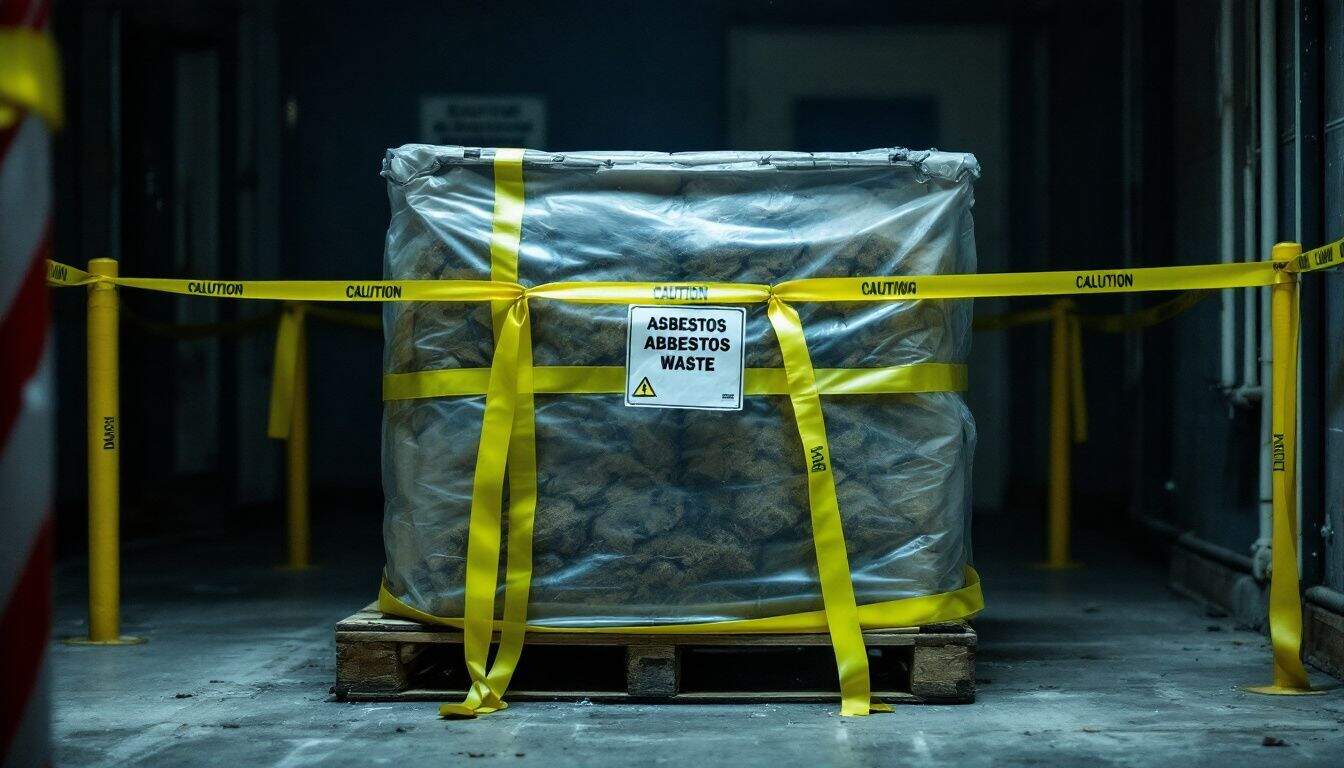
All hazardous materials must be stored in appropriate containers that prevent leakage, fibre release, or chemical interaction. For asbestos, this means double-bagging in heavy-duty polythene bags before placing waste in a rigid, sealed container.
Labelling
Every container holding hazardous material must be clearly labelled with the substance name, hazard warnings, and relevant handling instructions. Asbestos waste bags must be marked with “Asbestos Waste” and include the appropriate hazard symbols.
Environmental Controls
Storage areas must be dry, well-ventilated where appropriate, and secure from unauthorised access. Moisture can degrade packaging integrity over time, which is why asbestos waste should never be stored in damp or exposed outdoor conditions without proper protection.
Access Restrictions
Only trained, authorised personnel should have access to areas where hazardous engineering materials are stored. This reduces accidental exposure and ensures that anyone entering the area is equipped with appropriate personal protective equipment (PPE).
Packaging Requirements for Asbestos Waste Storage
Asbestos waste packaging is non-negotiable. The HSE is explicit about what’s required, and cutting corners here is one of the most common — and costly — mistakes made during asbestos management projects.
Double-Bagging Protocol
Asbestos waste must be placed into two separate heavy-duty polythene bags. The inner bag is sealed first, then placed inside the outer bag, which is also sealed securely. This double-layer approach is designed to prevent fibre release even if one bag is accidentally torn or punctured during storage or handling.
UN-Certified Containers
For transport, asbestos must be placed in UN-certified packaging. These containers meet international safety standards and are designed to withstand the physical stresses of loading, transit, and unloading without compromising containment.
Wetting Before Bagging
Where possible, asbestos-containing materials should be wetted before they are bagged. Applying water to ACMs significantly reduces the likelihood of fibres becoming airborne during the handling and packaging process. This is a simple but highly effective precaution.
Sealing Standards
Every bag must be sealed without gaps or tears. Twist the top of the inner bag and tape it securely before placing it in the outer bag. Inspect each package before storage — a bag that appears compromised should be placed inside a fresh outer bag immediately.
Storage Conditions: What the Regulations Require
Even perfectly packaged asbestos waste can become a hazard if it’s stored incorrectly. The storage environment matters as much as the packaging itself.
Dry, Secure Storage Areas
Asbestos waste must be stored in a dry location. Moisture degrades polythene bags over time and can compromise the integrity of sealed containers. If outdoor storage is unavoidable, waste must be kept under a waterproof cover and protected from physical damage.
Restricted Access
Storage areas must be secured against unauthorised access. Signage should clearly indicate the presence of asbestos waste and prohibit entry to anyone not wearing appropriate PPE. This applies to temporary storage on construction sites just as much as it does to permanent facilities.
Separation from Other Waste
Asbestos waste must be physically separated from other waste streams. Storing it alongside general construction debris or other hazardous materials creates confusion during disposal and increases the risk of cross-contamination.
Time Limits on Storage
Asbestos waste shouldn’t be stored on-site indefinitely. Arrange for collection and disposal by a licensed waste carrier as promptly as practicable. Prolonged storage increases the risk of packaging degradation and creates additional compliance exposure.
PPE Requirements When Handling Stored Asbestos
The precautions needed for safe storage of engineering materials like asbestos extend to the people doing the storing. PPE is mandatory — not optional — whenever asbestos waste is being handled, even if the material is already bagged.
The following PPE is required as a minimum:
- Respiratory protection: A minimum of an FFP3-rated disposable mask or a half-face respirator with a P3 filter. Standard dust masks are not adequate for asbestos work.
- Disposable coveralls: Type 5 disposable overalls prevent fibres from contaminating clothing. These must be disposed of as asbestos waste after use.
- Gloves: Disposable gloves protect hands from direct contact with ACMs and contaminated packaging.
- Eye protection: Safety goggles or glasses protect against fibre contact with the eyes, particularly during handling in enclosed spaces.
- Overshoes or boot covers: Prevent fibres being tracked out of the storage or work area.
All PPE used in asbestos work areas must be decontaminated or disposed of as asbestos waste. It cannot simply be removed and placed in a general bin.
Documentation: The Paper Trail That Protects You
Compliant asbestos storage and transport isn’t just about physical precautions — it’s about maintaining a robust paper trail that demonstrates compliance at every stage.
Waste Consignment Notes
Every movement of asbestos waste requires a hazardous waste consignment note. This document must detail the type and quantity of asbestos waste, the origin and destination, and the identity of all parties involved in the transfer. Consignment notes must be retained for a minimum of two years.
Waste Transfer Notes
A waste transfer note is required for each asbestos waste movement. These notes establish a clear chain of custody and confirm that the duty of care has been maintained throughout the storage and transport process.
Carrier Licences
Before handing asbestos waste to any carrier, verify that they hold a valid waste carrier licence issued by the Environment Agency (or SEPA in Scotland). Passing asbestos waste to an unlicensed carrier makes you legally liable for any subsequent mishandling — even if you acted in good faith.
Records of Risk Assessments
Any risk assessment conducted before handling or storing asbestos waste should be documented and kept on file. This demonstrates that a structured approach to safety was taken and provides evidence of compliance in the event of an HSE inspection.
Transport Protocols: Moving Asbestos Waste Safely
Storage and transport are closely linked — waste that’s stored correctly must also be moved correctly. The precautions needed for safe storage of engineering materials don’t end when the waste is loaded onto a vehicle.
Licensed Carriers Only
Only registered waste carriers with the appropriate hazardous waste licence can legally transport asbestos. Verify licences before engaging any contractor — the Environment Agency’s public register makes this straightforward.
ADR Compliance
Vehicles transporting asbestos must comply with the Agreement Concerning the International Carriage of Dangerous Goods by Road (ADR). Drivers must hold a valid ADR certificate and the vehicle must display the correct hazard placards.
Secure Loading
Asbestos packages must be secured during transport to prevent movement, damage, or spillage. Packages should be loaded in a way that minimises handling and keeps them stable throughout the journey.
Emergency Response Planning
Transport crews must have documented emergency response plans in place for spills or accidents. All crew members should be trained on immediate response procedures, including who to contact and how to prevent further fibre release.
If you’re based in London and need support with compliant asbestos management, our team provides a full asbestos survey London service covering identification, assessment, and management planning across the capital.
Disposal: Where the Waste Must Go
Asbestos waste cannot go to a standard landfill or general waste facility. It must be taken to a licensed disposal site that is specifically authorised to accept hazardous waste of this type.
Licensed Disposal Sites
Licensed disposal sites are authorised by the Environment Agency or SEPA. They must have secure storage areas, appropriate air filtration systems, and processes in place to prevent contamination of surrounding land or air. Regular inspections by the relevant authority ensure ongoing compliance.
Prohibited Disposal Practices
Dumping asbestos at unauthorised sites is a criminal offence. Fly-tipping asbestos waste carries severe penalties including unlimited fines and imprisonment. Even disposing of small amounts of asbestos in general skips or bins is illegal and puts others at serious risk.
Exemptions for Sealed Products
Some sealed asbestos-containing products — where fibres are fully encapsulated and cannot be released — may be subject to different disposal rules. However, this is a narrow exemption and should only be relied upon following professional advice. When in doubt, treat all ACMs as requiring full licensed disposal.
If you’re managing a project in the Midlands, our asbestos survey Birmingham team can help identify ACMs and advise on compliant management and disposal routes before any work begins.
Common Mistakes That Lead to Non-Compliance
Understanding what to do is only half the picture. Knowing what goes wrong in practice helps you avoid the same pitfalls.
- Using single bags: Double-bagging is a legal requirement, not a suggestion. Single-bagged asbestos waste fails to meet the minimum standard.
- Inadequate labelling: Bags without clear “Asbestos Waste” markings and hazard symbols are non-compliant and create confusion for anyone handling them downstream.
- Storing near moisture: Damp conditions degrade polythene bags faster than most people realise. Outdoor storage without adequate weatherproof cover is a frequent source of packaging failure.
- Using unlicensed carriers: Assuming a general waste contractor can handle asbestos is a significant and common error. Always verify the carrier licence before collection.
- No consignment notes: Failing to complete or retain hazardous waste consignment notes leaves you exposed during any regulatory audit or incident investigation.
- Mixing waste streams: Placing asbestos waste in the same skip or storage area as general construction debris is illegal and creates a much larger and more expensive remediation problem.
- Inadequate PPE: Handling even bagged asbestos without appropriate respiratory protection and coveralls is a health risk and a regulatory failure.
Projects in the North West face many of the same challenges, particularly in older industrial and commercial stock. Our asbestos survey Manchester service helps duty holders across the region get ahead of compliance requirements before work starts.
Who Is Responsible for Compliant Asbestos Storage?
Responsibility doesn’t rest with the contractor alone. Under the Control of Asbestos Regulations, the duty holder — typically the building owner or managing agent — carries significant legal responsibility for ensuring that asbestos waste arising from their premises is managed, stored, and disposed of correctly.
This means:
- Commissioning a proper asbestos survey before any refurbishment or demolition work begins.
- Ensuring that only licensed contractors undertake notifiable asbestos removal work.
- Verifying that waste carriers and disposal sites hold the correct licences.
- Retaining all documentation — consignment notes, risk assessments, contractor records — for the required periods.
- Ensuring that storage areas meet the physical conditions required by HSE guidance.
Delegating these tasks to a contractor does not transfer your legal liability. If the contractor fails to comply, you may still face enforcement action as the duty holder.
When to Bring in a Professional Surveyor
If you’re unsure whether materials in your building contain asbestos, or if you’re planning any work that could disturb building fabric, a professional asbestos survey is the correct first step. Attempting to manage suspected ACMs without a survey is not just risky — it’s likely to be non-compliant.
A management survey will identify the location, type, and condition of ACMs across your premises. A refurbishment and demolition survey goes further, providing the detailed information needed before any intrusive work begins. Both types of survey generate a formal asbestos register that underpins all subsequent management decisions — including storage and disposal planning.
Getting this right at the outset prevents the far more costly and disruptive process of dealing with a contamination incident or HSE enforcement action after the fact.
Frequently Asked Questions
What are the main precautions needed for safe storage of engineering materials containing asbestos?
The key precautions include double-bagging waste in heavy-duty polythene bags, storing in a dry and secure location, clearly labelling all containers with “Asbestos Waste” and hazard symbols, restricting access to authorised personnel only, and arranging prompt collection by a licensed waste carrier. All personnel handling the waste must wear appropriate PPE, including FFP3 respiratory protection and Type 5 disposable coveralls.
Can I store asbestos waste outdoors?
Outdoor storage is strongly discouraged and should only occur when absolutely unavoidable. If waste must be stored outside, it must be kept under a waterproof cover, protected from physical damage, and removed as quickly as possible. Moisture degrades packaging integrity and increases the risk of fibre release, making outdoor storage a significant compliance risk.
How long can asbestos waste be stored on-site before disposal?
There is no fixed statutory time limit for on-site storage, but the HSE and Environment Agency expect waste to be collected and disposed of as promptly as practicable. Prolonged storage increases the risk of packaging degradation and regulatory exposure. Arrange licensed carrier collection as soon as the waste is generated rather than allowing it to accumulate.
Who can legally transport asbestos waste?
Only registered waste carriers holding a valid hazardous waste carrier licence issued by the Environment Agency (or SEPA in Scotland) can legally transport asbestos waste. Vehicles must comply with ADR requirements, and drivers must hold a valid ADR certificate. Always verify a carrier’s licence before handing over any asbestos waste — passing waste to an unlicensed carrier makes you legally liable for any subsequent mishandling.
Do I need a survey before I can arrange asbestos waste storage and disposal?
Yes. Before any work that could disturb building fabric, a refurbishment and demolition asbestos survey is required. This identifies the location, type, and condition of ACMs, providing the information needed to plan safe removal, storage, and disposal. Without a survey, you cannot accurately assess the volume or type of waste you’re dealing with, which makes compliant management impossible.
Get Expert Support from Supernova Asbestos Surveys
Managing the precautions needed for safe storage of engineering materials — particularly asbestos — demands specialist knowledge and a structured approach. Get it wrong and the consequences range from HSE enforcement action to criminal prosecution.
Supernova Asbestos Surveys has completed over 50,000 surveys nationwide. Our surveyors are BOHS-qualified, our reports are detailed and actionable, and our teams operate across the UK — from London and Birmingham to Manchester and beyond.
Call us on 020 4586 0680 or visit asbestos-surveys.org.uk to book a survey or speak to one of our team about your compliance requirements. Don’t leave asbestos management to chance — get the right advice before work begins.