
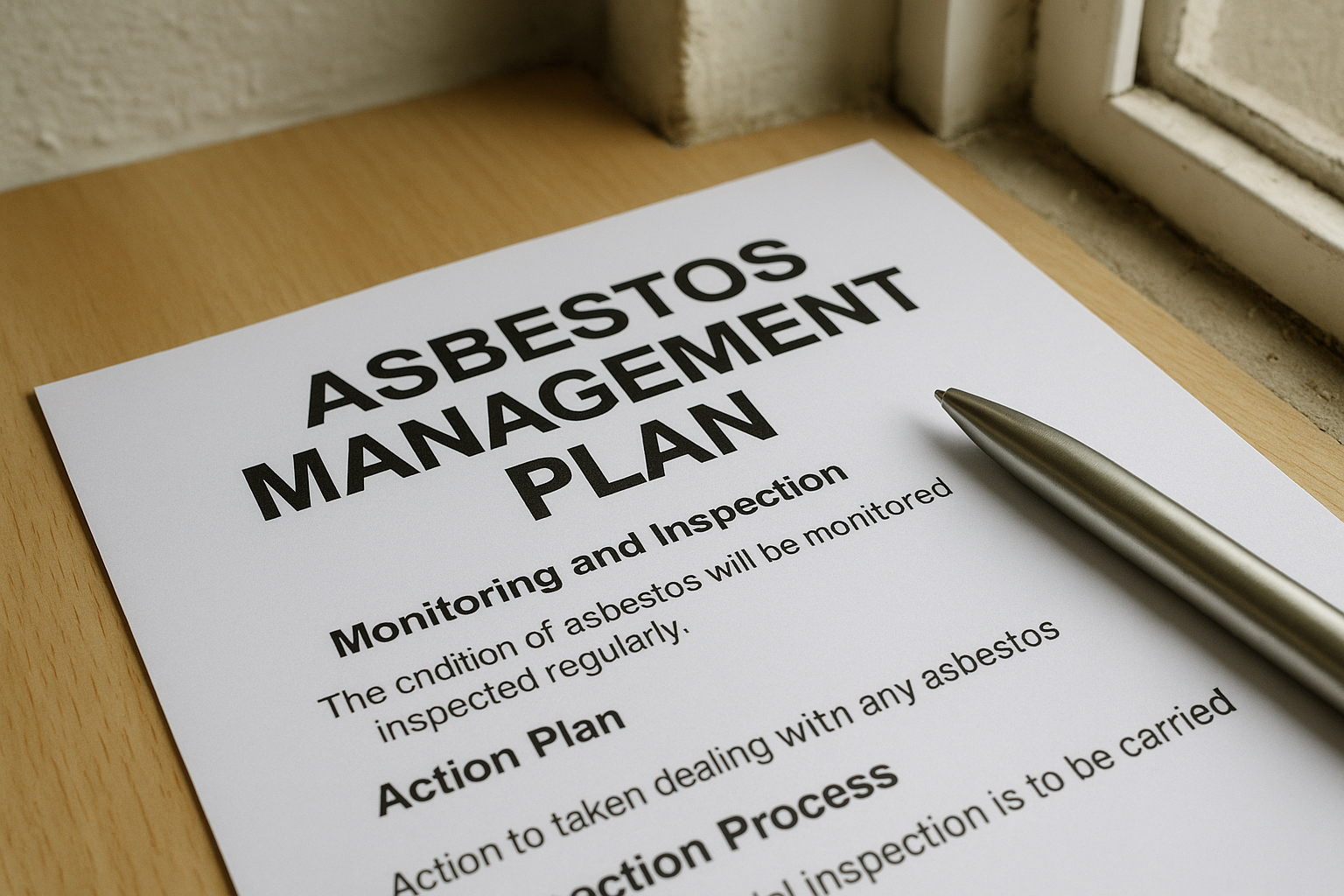
A damaged panel above a ceiling void or old insulation hidden in a riser can turn routine maintenance into a serious exposure risk within minutes. That is why an asbestos management plan is very important. it includes details on monitoring and inspection, the action plan for dealing with any asbestos, and practical controls that help dutyholders prevent accidental disturbance, protect occupants and contractors, and meet their legal responsibilities.
For property managers, landlords, facilities teams and managing agents, the plan should never be treated as paperwork that sits untouched in a folder. It needs to be a live working document that tells people what asbestos is present, where it is, what condition it is in, what action is required, and who must be informed before any work starts.
Why an asbestos management plan is very important
Under the Control of Asbestos Regulations, those responsible for non-domestic premises have a duty to manage asbestos. In practice, that means taking reasonable steps to find asbestos-containing materials, assess the risk, keep records, and make sure no one disturbs those materials without proper controls.
The dutyholder is often the person or organisation responsible for maintenance or repair. That could be a landlord, employer, managing agent, freeholder or facilities manager. Where responsibility is shared, each party must be clear about who is doing what.
HSE guidance and HSG264 are clear on one point: asbestos management depends on reliable information. If the survey is unsuitable, the register is out of date, or inspections are not happening, the plan will not work as intended.
A strong plan should help you:
- Identify known or presumed asbestos-containing materials
- Assess the likelihood of fibre release
- Set out actions for repair, encapsulation or removal
- Control maintenance and contractor activity
- Inform anyone who may disturb asbestos
- Review material condition over time
- Respond quickly if asbestos is damaged
If one of those elements is missing, the risk of accidental disturbance rises sharply. That is when avoidable exposure, project delays and enforcement issues begin to appear.
What an asbestos management plan should include
An effective asbestos management plan is site-specific, practical and easy for staff and contractors to use. Generic wording copied from another building is rarely enough.
1. Building details and responsible persons
Start with the basics. Record the building address, type of premises, normal use, and the people responsible for implementing the plan.
This section should name the dutyholder and anyone with day-to-day responsibilities, such as a facilities manager, estates lead or health and safety contact. If maintenance is outsourced, make that arrangement clear.
2. The asbestos register
The asbestos register is at the core of the plan. It should list every known or presumed asbestos-containing material and give enough detail for people to avoid disturbing it.
A useful register typically includes:
- Location
- Product type
- Extent or approximate quantity
- Condition
- Surface treatment
- Accessibility
- Photographs where helpful
- Material and priority risk information
The register must be accessible. A document hidden in a head office file is no help to a contractor about to drill into a wall in a plant room.
3. Risk assessment
Not all asbestos materials present the same level of risk. Damaged insulation board in a busy service area needs a different response from asbestos cement in good condition on a roof.
Your plan should explain how each item has been assessed. Factors usually include:
- The type of asbestos-containing material
- Its condition and friability
- Its location
- The likelihood of disturbance
- The normal use of the area
- The frequency of maintenance nearby
4. The action plan for dealing with any asbestos
This is where the plan becomes operational. An asbestos management plan is very important. it includes details on monitoring and inspection, the action plan for dealing with any asbestos, and clear instructions for what happens next.
Actions may include:
- Leave in place and monitor
- Label or protect the area
- Repair minor damage
- Encapsulate the material
- Restrict access
- Arrange licensed or non-licensed work where appropriate
- Plan removal before future works
Each action should have a named person and a timescale. Without ownership and deadlines, the plan becomes descriptive rather than useful.
5. Monitoring and inspection arrangements
Asbestos management is not a one-off exercise. Materials can deteriorate, rooms can change use, and maintenance activity can increase the chance of disturbance.
Your plan should state:
- How often materials will be re-inspected
- Who will carry out those inspections
- How findings will be recorded
- What triggers a change in risk rating or action
6. Communication procedures
Anyone who might disturb asbestos needs the right information before work starts. That includes in-house maintenance staff, electricians, plumbers, IT installers, fire alarm engineers, decorators and external contractors.
The plan should explain how people access the asbestos register, how work is authorised, and how updates are communicated across the site.
7. Emergency arrangements
If asbestos is accidentally damaged, people need clear instructions immediately. Confusion leads to wider contamination and avoidable exposure.
Your emergency arrangements should cover:
- Stopping work
- Isolating the area
- Preventing access
- Reporting lines
- Arranging competent assessment
- Cleaning and remediation where required
Start with the right asbestos survey
A management plan is only as good as the survey information behind it. If the survey is old, incomplete or unsuitable for the work taking place, the plan will not protect you properly.
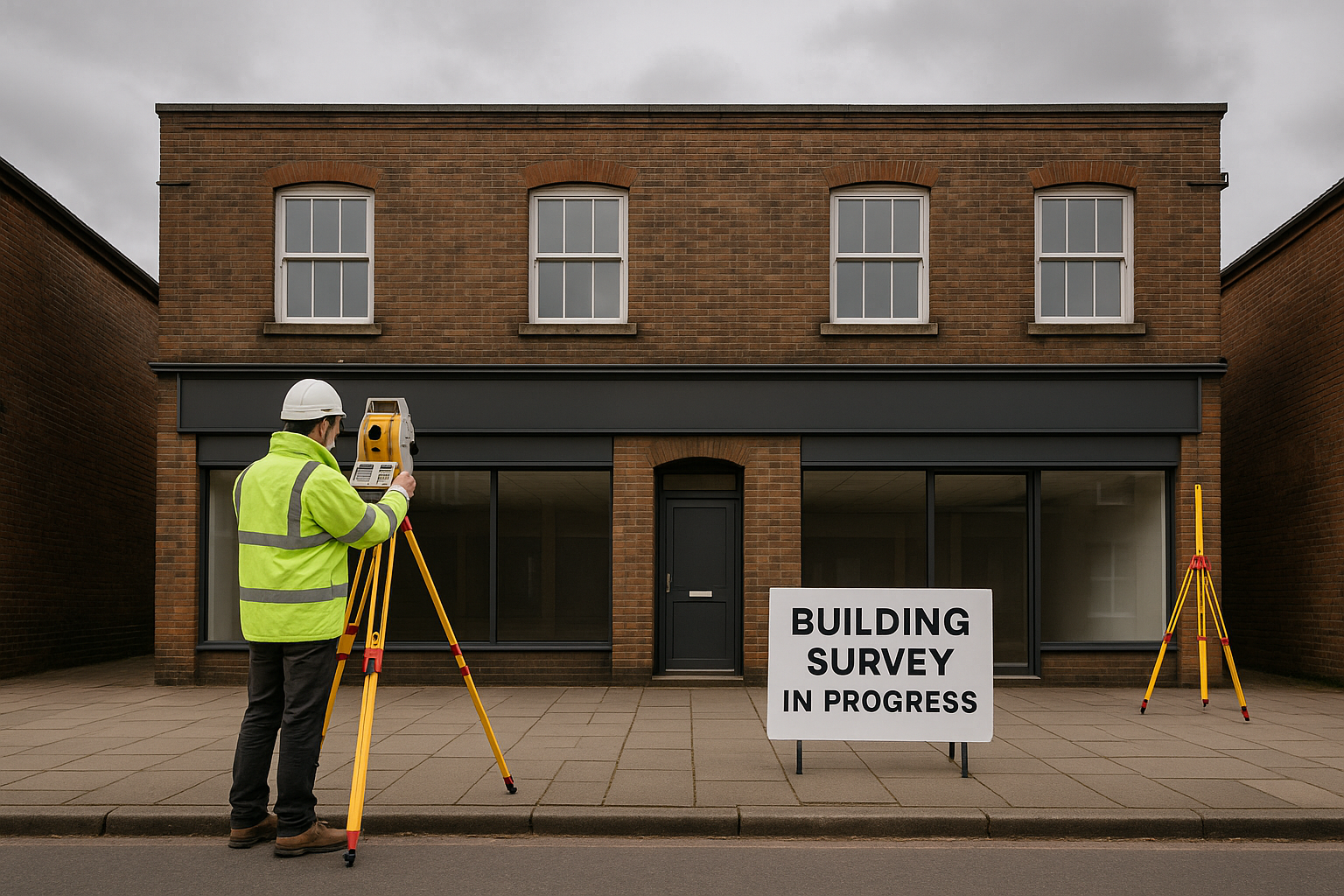
For occupied premises, the usual starting point is a management survey. This is designed to locate, as far as reasonably practicable, asbestos-containing materials that could be disturbed during normal occupation, routine maintenance or foreseeable installation work.
You may also see the service described as an asbestos management survey. The purpose is the same: identify and assess asbestos so it can be managed safely during day-to-day use.
If more intrusive work is planned, a management survey is not enough. Before upgrades, strip-outs or major alterations, you will usually need a refurbishment survey so hidden asbestos can be identified before work begins.
Where a building is due to be taken down, a demolition survey is required to identify asbestos-containing materials throughout the structure before demolition starts.
Practical steps here are straightforward:
- Match the survey type to the work planned
- Check that all relevant areas are covered
- Review older survey reports before relying on them
- Update the asbestos register when new information is found
- Never use a management survey as a substitute for refurbishment or demolition work
Monitoring and inspection: where many plans fail
Many buildings have an asbestos register somewhere. Far fewer have a live process for checking whether materials are still in the same condition months later.
That gap matters. An asbestos management plan is very important. it includes details on monitoring and inspection, the action plan for dealing with any asbestos, and the review process that keeps information current and usable.
What inspections should check
Each inspection should compare the current condition of the material with previous records. The aim is to spot change early, before minor deterioration becomes a bigger issue.
Useful checks include:
- Cracks, chips or breaks
- Water damage or staining
- Exposed edges
- Failed encapsulation or protective coverings
- Signs of impact or unauthorised access
- Changes in room use that increase disturbance risk
If the condition has worsened, the risk assessment and action plan should be updated. A material once suitable for monitoring may now need repair, enclosure or removal.
When the plan should be reviewed
Do not rely on a fixed annual review if something significant changes before then. The plan should be reviewed whenever there is new information or a change in risk.
Typical triggers include:
- Asbestos is damaged or disturbed
- Maintenance exposes previously hidden materials
- New survey findings become available
- The building layout or use changes
- Responsibility for management changes hands
- Refurbishment or demolition is planned
Keep records of inspections, actions and completion dates. If the HSE asks how the premises have been managed, you need evidence, not assumptions.
How to decide whether to leave, repair or remove asbestos
Not every asbestos-containing material needs immediate removal. In many cases, leaving asbestos in place and managing it properly is the safest and most proportionate option.
The decision should be based on risk, condition and likelihood of disturbance, not on fear alone.
Leave in place and manage
This is often suitable where the material is in good condition, sealed, and unlikely to be disturbed. The plan should still record it, set inspection intervals, and make sure anyone working nearby is informed.
Repair or encapsulate
Where minor damage is present, repair or encapsulation may reduce the chance of fibre release. That said, it must be suitable for the material and environment, and it should always be followed by reassessment.
Remove
Removal is usually the right option where asbestos is damaged, friable, in a high-risk location, or likely to be disturbed by planned works. If removal is necessary, arrange professional asbestos removal through competent specialists rather than general contractors.
A sensible decision-making checklist is:
- What material is involved?
- What condition is it in?
- Can people reach or damage it?
- Will planned works disturb it?
- Can it be safely managed in place?
- Does the work require specialist or licensed input?
Who needs to know about asbestos in the building
One of the most common failures in asbestos management is poor communication. A well-written plan has little value if the people carrying out the work never see it.
Anyone liable to disturb asbestos should receive relevant information before starting work. That commonly includes:
- Direct employees carrying out maintenance
- External contractors
- Cleaners working in service areas
- Cable installers and telecoms engineers
- Heating, ventilation and electrical engineers
- Project managers planning works
For larger or busier sites, a permit-to-work system is often the safest control. Before drilling, cutting, lifting ceiling tiles or entering risers, the person authorising the task should check the asbestos register and confirm the area is safe.
Asbestos awareness training also has a practical role. Staff do not need to become surveyors, but they do need to recognise the risk, follow site rules and know what to do if they come across suspect materials.
Common mistakes that weaken an asbestos management plan
Most asbestos incidents are not caused by a total absence of documents. They happen because the documents are out of date, too generic, inaccessible, or disconnected from real maintenance activity.
Watch for these common problems:
- Relying on an old survey without checking whether the building has changed
- Failing to update the register after works
- Keeping the plan where contractors cannot access it
- Using a management survey for refurbishment planning
- Not assigning named responsibilities and timescales
- Skipping re-inspections
- Treating all asbestos materials as if they carry the same risk
- Forgetting communal areas in mixed-use or residential blocks
If any of these issues sound familiar, the fix is usually practical rather than complicated. Review the survey information, update the register, assign actions clearly, and make sure everyone who needs the information can access it quickly.
Practical advice for property managers and dutyholders
If you are responsible for a portfolio or a busy site, asbestos management works best when it becomes part of everyday property control rather than a separate compliance task.
Use these steps to tighten your process:
- Check your survey status before instructing maintenance or capital works.
- Make the asbestos register easy to access for staff and contractors on site.
- Link permits to the register so intrusive work cannot begin without review.
- Set inspection dates in advance and record outcomes consistently.
- Update the plan after any change, including repairs, removals or new survey findings.
- Brief contractors before arrival, not once they have already started work.
- Escalate damaged materials immediately and isolate the area until assessed.
If you manage multiple properties, standardise the process but do not copy the same plan from one building to another. Each property needs its own survey information, risk profile and action list.
Local support for asbestos surveys and management planning
Wherever your property is based, quick access to competent surveyors makes the management process easier. If you need support in the capital, Supernova can help with an asbestos survey London service tailored to commercial and residential requirements.
For sites in the North West, our asbestos survey Manchester service supports landlords, managing agents and dutyholders who need clear reporting and practical advice.
If your building is in the Midlands, our asbestos survey Birmingham service provides the same reliable support for compliance, maintenance planning and refurbishment preparation.
Frequently Asked Questions
Who is responsible for an asbestos management plan?
The dutyholder is usually the person or organisation responsible for maintenance or repair of non-domestic premises. That may be a landlord, managing agent, employer, freeholder or facilities manager. Where responsibility is shared, roles should be clearly defined.
How often should asbestos be inspected?
There is no single inspection interval that suits every building. The frequency should reflect the type of material, its condition, location and likelihood of disturbance. Higher-risk materials or busy areas may need more frequent re-inspection than stable materials in low-access locations.
Can asbestos be left in place?
Yes, if it is in good condition and unlikely to be disturbed, asbestos can often be left in place and managed safely. The material should still be recorded in the asbestos register, monitored, and communicated to anyone working nearby.
Is a management survey enough before refurbishment works?
No. A management survey is intended for normal occupation and routine maintenance. If intrusive refurbishment works are planned, a refurbishment survey is usually required to identify hidden asbestos before work starts.
What should happen if asbestos is accidentally damaged?
Work should stop immediately, the area should be isolated, and access should be prevented. The incident should be reported through the site’s emergency procedure, and a competent asbestos professional should assess the situation and advise on the next steps.
If you need help building or updating an asbestos management plan, Supernova Asbestos Surveys can support you with surveys, registers, re-inspection advice and practical compliance guidance. Call 020 4586 0680 or visit asbestos-surveys.org.uk to arrange expert support.