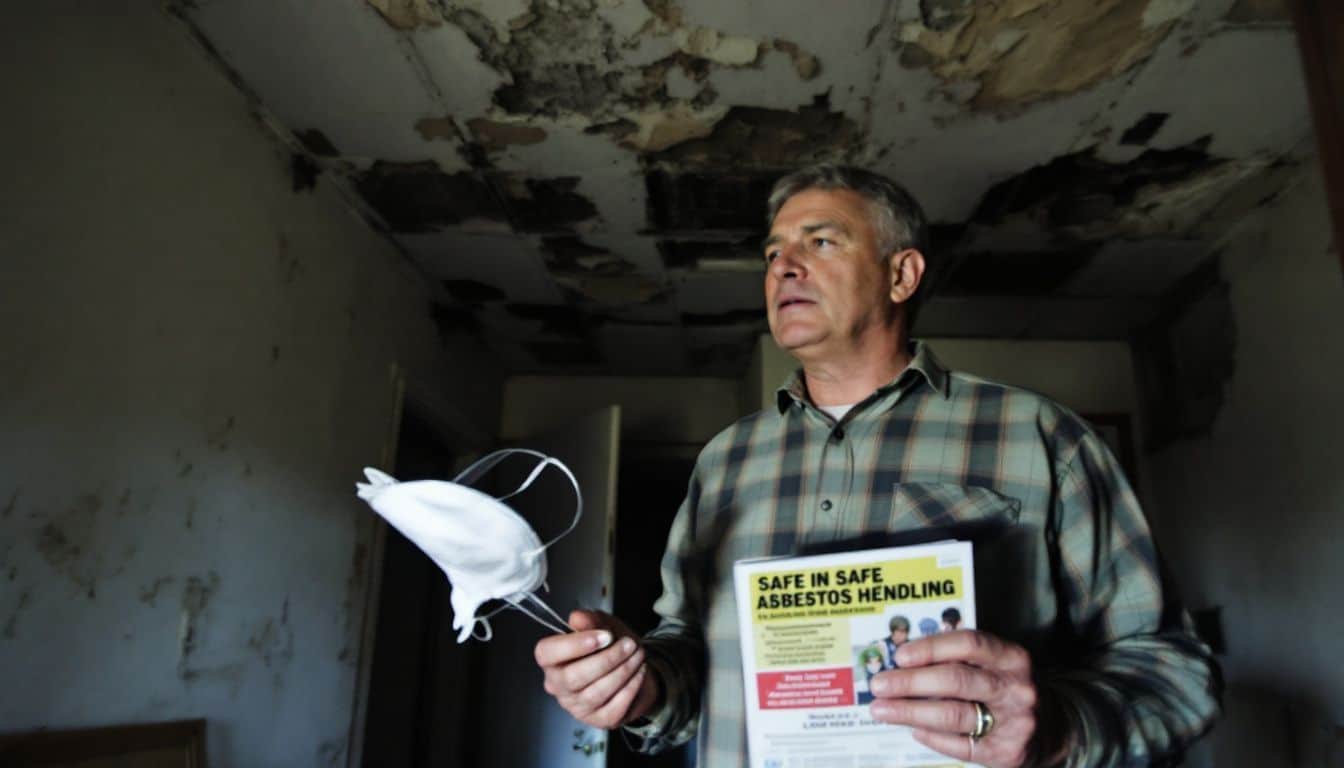
Can I Sue My Landlord for Asbestos? Your Rights as a UK Tenant
If you’ve discovered asbestos in your rented home and your landlord has done nothing about it, you may have clear legal grounds to act. The question can I sue my landlord for asbestos comes up regularly at Supernova Asbestos Surveys — and the honest answer is yes, in many circumstances you can. UK law places firm duties on landlords to manage asbestos safely, and when those duties are ignored, tenants have real recourse.
This post explains what those duties are, when a landlord can be held liable, and exactly what steps to take if you believe you’ve been put at risk.
Why Asbestos in Rental Properties Remains a Serious Problem
Asbestos was widely used in UK construction until it was fully banned in 1999. Any property built before that date — and that covers a vast proportion of the UK’s rental stock — could contain asbestos-containing materials (ACMs). These might be found in floor tiles, ceiling tiles, pipe lagging, textured coatings such as Artex, roof panels, or insulation around boilers and heating systems.
When ACMs are in good condition and left undisturbed, they don’t necessarily pose an immediate risk. But when they’re damaged, deteriorating, or disturbed during maintenance work, asbestos fibres are released into the air. Inhaling those fibres can cause mesothelioma, asbestosis, and lung cancer — diseases that can take decades to develop but are frequently fatal.
Many landlords either don’t know about the asbestos in their properties, haven’t had a proper survey carried out, or are aware but have failed to act. All three scenarios can leave tenants exposed — and all three can carry serious legal consequences for the landlord.
What the Law Says: Landlord Duties Under UK Asbestos Regulations
The primary legal framework governing asbestos management in the UK is the Control of Asbestos Regulations. These regulations impose a duty to manage asbestos on anyone who owns, occupies, manages, or has responsibilities for non-domestic premises. Landlord obligations extend into residential settings through separate housing legislation, but they are no less enforceable.
The Duty to Manage
Under the Control of Asbestos Regulations, duty holders must identify whether ACMs are present in their properties, assess the condition of those materials, and put a management plan in place. For landlords of commercial or mixed-use properties, this duty is explicit and enforceable by the Health and Safety Executive (HSE).
For residential landlords, obligations sit within housing law. The Housing Act introduced the Housing Health and Safety Rating System (HHSRS), which classifies asbestos as a potential Category 1 hazard. Local authorities have the power — and in some cases the duty — to take enforcement action where a Category 1 hazard is identified.
The Landlord and Tenant Act and Implied Obligations
Beyond housing legislation, landlords have implied obligations under the Landlord and Tenant Act to keep properties in repair and free from hazards. If asbestos in your home is in a deteriorating state that poses a health risk, this can constitute a breach of those implied terms — giving you grounds for a civil claim.
The Environmental Protection Act
The Environmental Protection Act gives local authorities powers to act where a property constitutes a statutory nuisance. A property with dangerous, unmanaged asbestos can fall into that category. If your local environmental health department investigates and serves notice on your landlord, that significantly strengthens your own legal position.
Can I Sue My Landlord for Asbestos Exposure? The Legal Grounds
Yes — but the strength of your claim depends on several factors. Here’s a breakdown of the main legal routes available to tenants in the UK.
Negligence
To succeed in a negligence claim, you generally need to show three things: that your landlord owed you a duty of care, that they breached that duty, and that you suffered harm as a result. Landlords clearly owe a duty of care to their tenants.
If they knew — or ought to have known — that asbestos was present and failed to manage it appropriately, a breach is arguable. Proving harm is the more complex element, particularly where asbestos-related disease has a long latency period. Specialist legal advice is essential here.
Breach of Contract
Your tenancy agreement, combined with statutory implied terms, requires your landlord to maintain the property in a habitable and safe condition. If dangerous asbestos has been left unmanaged, this can constitute a breach of contract. You may be able to claim damages for distress, inconvenience, and any costs you’ve incurred as a result.
Personal Injury Claims
If you’ve developed an asbestos-related illness — or have been diagnosed with a condition linked to asbestos exposure in your rented home — you may have a personal injury claim. These cases are complex and typically require specialist legal advice, but successful claims can result in significant compensation.
Solicitors who specialise in industrial disease and asbestos litigation can assess your prospects. Many work on a no-win, no-fee basis, so legal costs need not be a barrier.
Disrepair Claims
If asbestos materials in your property are deteriorating — crumbling ceiling tiles, damaged pipe lagging, flaking textured coatings — this may constitute disrepair. You can notify your landlord in writing and, if they fail to act, pursue a disrepair claim through the courts or seek assistance from your local authority’s environmental health team.
Steps to Take If You Suspect Asbestos in Your Rental Home
If you suspect asbestos is present and your landlord isn’t taking it seriously, follow these steps in order.
- Don’t disturb the material. If you suspect something contains asbestos, don’t drill into it, sand it, or attempt to remove it yourself. Leave it alone until it has been professionally assessed.
- Notify your landlord in writing. Put your concerns in writing — email is fine — and keep a copy. This creates a paper trail and starts the clock on your landlord’s obligation to respond.
- Request evidence of an asbestos survey. Ask your landlord whether a survey has been carried out and whether an asbestos register exists for the property. They should be able to provide this.
- Contact your local authority. If your landlord fails to respond or dismisses your concerns, contact the environmental health department at your local council. They can inspect the property and take enforcement action under the Housing Act and Environmental Protection Act.
- Seek legal advice. If you believe you’ve been exposed to asbestos or have suffered harm, consult a solicitor with experience in housing disrepair or personal injury claims. Many offer free initial consultations.
- Contact the Housing Ombudsman. If you’re a social housing tenant, the Housing Ombudsman Service can investigate complaints about your landlord’s handling of asbestos concerns.
What Evidence Do You Need to Build a Claim?
The stronger your evidence, the stronger your claim. Here’s what to gather:
- Written correspondence with your landlord about asbestos concerns
- Photographs of damaged or deteriorating materials you believe contain asbestos
- Any survey reports or asbestos registers your landlord has shared — or refused to share
- Medical records if you’ve experienced symptoms or received a diagnosis
- Records of any maintenance work carried out in the property that may have disturbed ACMs
- Reports from environmental health officers if an inspection has taken place
An independent asbestos survey can also be invaluable. If your landlord claims there’s no asbestos present but you have reason to doubt this, commissioning your own survey provides the objective evidence you need to support your case.
The Role of Asbestos Surveys in Protecting Tenants
A professional asbestos survey is the cornerstone of responsible property management — and the absence of one is often central to a tenant’s legal claim. There are two main types that landlords and tenants should understand.
An management survey identifies ACMs that might be disturbed during normal occupation and day-to-day maintenance. This is the standard survey for occupied properties and should be the baseline for any pre-1999 building. Without one, a landlord cannot demonstrate they’ve fulfilled their duty to identify and manage asbestos — which significantly strengthens any claim you might bring.
A demolition survey is required before any significant refurbishment or demolition work takes place. It involves more intrusive inspection and must be completed before contractors begin work. Failure to commission one before building works is a serious breach of the regulations.
HSE guidance document HSG264 sets out the standards that surveys must meet. Surveys should be carried out by a competent, accredited surveyor, and the results should be recorded in an asbestos register that is kept up to date and made available to anyone who might be affected.
What Happens If Asbestos Needs to Be Removed?
Not all asbestos needs to be removed. If ACMs are in good condition and not at risk of being disturbed, a management plan with regular monitoring may be the appropriate response. However, where materials are deteriorating or where refurbishment work is planned, professional asbestos removal by a licensed contractor is often necessary.
Under the Control of Asbestos Regulations, certain types of asbestos work can only be carried out by contractors licensed by the HSE. This includes the removal of most sprayed coatings, pipe lagging, and loose-fill insulation. Unlicensed removal of these materials is illegal — and if your landlord has arranged for asbestos to be removed improperly, that constitutes a further breach of their legal duties.
As a tenant, you should never be expected to manage or remove asbestos yourself. If a landlord suggests otherwise, that advice is both wrong and potentially dangerous.
Landlord Defences — and What They Mean for Your Claim
Landlords facing asbestos claims will often argue one or more of the following:
- They were unaware asbestos was present in the property
- The asbestos was in good condition and posed no risk
- They took reasonable steps to manage it once notified
- The tenant’s exposure cannot be directly linked to the property
None of these defences are automatically successful. Ignorance of asbestos in a pre-1999 property is increasingly difficult to rely on — particularly where a survey was never commissioned. Courts have found that landlords have a proactive duty to investigate, not simply to react when problems are reported.
The condition of the asbestos matters too. If materials were visibly damaged or deteriorating, a landlord who failed to act cannot easily argue the risk was negligible. And where a tenant has developed a recognised asbestos-related condition, the causal link to the property can often be established with medical and occupational evidence.
Compensation: What Can Tenants Claim?
The compensation available depends on the type and severity of harm suffered. In a disrepair or breach of contract claim, you might recover:
- General damages for distress, inconvenience, and loss of enjoyment of the property
- Special damages for any financial losses directly caused by the landlord’s failure
- A rent reduction for the period during which the property was substandard
In a personal injury claim linked to an asbestos-related disease, the sums involved can be substantially higher — reflecting the severity of conditions like mesothelioma and the impact on quality of life and life expectancy.
Legal aid may be available in some cases, and many solicitors handling asbestos-related personal injury claims work on a no-win, no-fee basis, meaning upfront legal costs need not prevent you from pursuing justice.
Asbestos Surveys Across the UK: Getting Professional Help
Whether you’re a tenant seeking independent evidence or a landlord wanting to fulfil your legal obligations, a professional asbestos survey is the essential first step. Supernova Asbestos Surveys operates nationwide, with specialist teams covering major cities and regions across the country.
If you’re based in the capital and need an asbestos survey London residents and landlords can rely on, our London team is available to mobilise quickly. For properties in the North West, our asbestos survey Manchester service covers the city and surrounding areas. And in the Midlands, our asbestos survey Birmingham team provides the same rigorous standards you’d expect from the UK’s leading asbestos surveying company.
With over 50,000 surveys completed, our accredited surveyors follow HSG264 guidance to the letter, producing detailed reports and asbestos registers that stand up to scrutiny — whether for property management purposes or as evidence in a legal dispute.
Frequently Asked Questions
Can I sue my landlord for asbestos even if I haven’t been diagnosed with an illness?
Yes, in some circumstances. If your landlord has failed to manage asbestos properly and you’ve been exposed, you may have grounds for a disrepair or breach of contract claim even without a diagnosis. You can seek damages for distress, inconvenience, and the anxiety caused by the landlord’s failure. However, personal injury claims specifically require evidence of physical harm, so legal advice is essential to understand which route applies to your situation.
Does my landlord have to tell me if there is asbestos in my home?
There is no single law that explicitly requires a residential landlord to proactively disclose the presence of asbestos to a tenant. However, where asbestos poses a risk — particularly if it is damaged or likely to be disturbed — landlords have duties under housing law and the implied terms of a tenancy to ensure the property is safe and habitable. Failure to disclose a known hazard can support a negligence or breach of contract claim.
What should I do if my landlord refuses to commission an asbestos survey?
Start by putting your request in writing and keeping a copy of all correspondence. If your landlord refuses to act, contact your local authority’s environmental health department — they have powers to inspect the property and enforce action under the Housing Act. You can also commission an independent survey yourself; this provides objective evidence that can support any subsequent legal claim. Document everything throughout the process.
How long do I have to make a claim against my landlord for asbestos exposure?
For personal injury claims, the general limitation period in England and Wales is three years from the date you knew — or ought reasonably to have known — that your illness was linked to asbestos exposure. Because asbestos-related diseases can take decades to develop, the clock often starts from the date of diagnosis rather than the date of exposure. For disrepair or breach of contract claims, different limitation periods may apply. Always seek legal advice promptly to avoid missing any deadlines.
Can I withhold rent if my landlord won’t deal with asbestos?
Withholding rent is legally risky and is not generally recommended as a first step. Doing so without proper legal basis could expose you to eviction proceedings. Instead, report the issue to your local authority’s environmental health team, seek legal advice, and explore formal disrepair routes. A solicitor can advise on whether rent withholding or placing rent in a third-party account is appropriate in your specific circumstances.
Get Professional Asbestos Advice Today
If you’re a tenant concerned about asbestos in your home, or a landlord wanting to understand and fulfil your legal obligations, Supernova Asbestos Surveys can help. We provide accredited asbestos surveys, sampling, and management advice for properties across the UK.
Call us on 020 4586 0680 or visit asbestos-surveys.org.uk to book a survey or speak to one of our specialists. Don’t leave asbestos to chance — the legal and health consequences of inaction are too serious to ignore.