What Every UK Family Needs to Know About Asbestos — And How to Have That Conversation
Asbestos is not ancient history. Millions of UK homes still contain it, quietly hidden behind walls, under floors, and above ceilings — and most families have no idea it is there. If you have ever wondered how can you educate your family about dangers asbestos exposure, you are asking exactly the right question. Knowledge is the most effective protection available, and the conversation is far less frightening than most people expect.
This post covers where asbestos hides, how to explain the risks honestly without causing panic, how to talk to children, what your legal rights are, and when to call in a professional.
Where Asbestos Hides in UK Homes
Asbestos was used extensively in UK construction until it was fully banned in 1999. If your property was built or significantly refurbished before that date, there is a reasonable chance asbestos-containing materials (ACMs) are present somewhere inside it.
Knowing where to look — and sharing that knowledge with your family — is the first practical step towards keeping everyone safe.
Common Locations to Be Aware Of
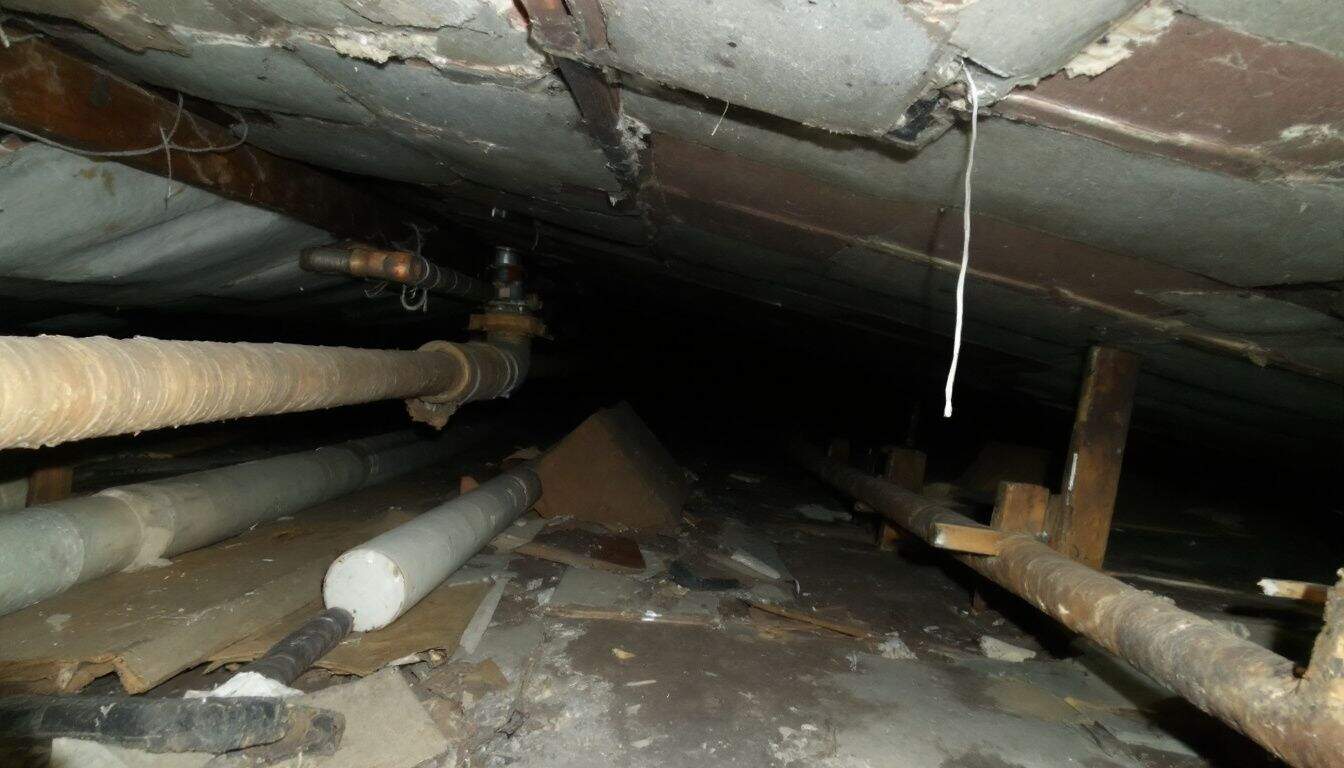
- Pipe and boiler lagging — insulation wrapped around hot water pipes and boilers was frequently made with asbestos-based materials
- Floor tiles and adhesive — vinyl floor tiles from the 1960s to 1980s, along with the black bitumen adhesive beneath them, often contained asbestos
- Textured coatings — Artex and similar decorative ceiling finishes applied before the 1990s frequently contained chrysotile (white asbestos)
- Roof and wall panels — asbestos cement sheeting was widely used in garages, outbuildings, and flat-roofed extensions
- Gutters and downpipes — older properties sometimes have asbestos cement guttering still in place
- Door and window caulking — sealants applied around frames in older properties may contain asbestos fibres
- Heating duct insulation — insulation wrapping around older ducted heating systems can degrade and release fibres over time
- Soffit boards — the panels beneath roof overhangs on 1970s and 1980s properties are a particularly common source
The single most important message to share with your family is this: asbestos that is intact and undisturbed is generally not an immediate danger. It becomes hazardous when fibres are released into the air — which happens during drilling, cutting, sanding, scraping, or demolition work.
How Can You Educate Your Family About Dangers of Asbestos Exposure Without Causing Unnecessary Fear
One of the challenges in educating your family about asbestos is getting the tone right. You want people to take it seriously, but you do not want anyone lying awake worrying about every old ceiling tile. The honest picture sits somewhere in the middle.
Asbestos-related diseases develop after fibres are inhaled and become lodged in lung tissue. The body cannot expel them. Over many years, they cause scarring, inflammation, and in some cases, cancer.
The Main Diseases Linked to Asbestos Exposure
- Mesothelioma — a cancer of the lining of the lungs or abdomen, almost exclusively caused by asbestos exposure. It has a long latency period, often appearing 20 to 50 years after exposure.
- Asbestosis — progressive scarring of lung tissue that causes breathlessness, persistent cough, and reduced lung function
- Lung cancer — asbestos exposure significantly increases the risk, particularly in those who also smoke
- Pleural plaques and pleural thickening — changes to the lining of the lungs that can cause discomfort and breathing difficulties
- Laryngeal and ovarian cancer — both have established links to asbestos exposure, as recognised in HSE guidance
Key Points to Communicate Clearly
- There is no known safe level of asbestos fibre inhalation
- Higher and more prolonged exposure increases risk significantly
- Symptoms may not appear for decades, which is precisely why prevention matters so much
- Asbestos in good condition, left undisturbed, does not typically pose an immediate risk
- Any renovation or repair work in an older property should be assessed before it starts
When talking to family members who are not familiar with the subject, focus on the practical message: do not disturb materials you are unsure about, and always get professional advice before any building work begins.
How to Talk to Children About Asbestos
Teaching children about asbestos does not need to be frightening. The goal is to give them enough understanding to behave safely — not to cause anxiety. The conversation looks quite different depending on the age of the child.
For Younger Children (Primary School Age)
Keep it simple and practical. Explain that some older buildings contain a material called asbestos that can make people very ill if it is broken or damaged.
Teach them a clear, easy rule: if they see something that looks crumbly, broken, or damaged in an old building — especially ceilings, walls, or pipes — they should tell an adult straight away and not touch it. You do not need to go into detail about diseases or fibres. The behavioural habit is what matters at this age.
For Teenagers
Teenagers can handle more depth. Explain what asbestos is, why it was used so widely, what the health risks are, and why the UK eventually banned it.
This is particularly relevant if they are helping with DIY projects, working part-time in older buildings, or studying subjects like construction or engineering. Make sure they understand why they should never sand, drill, or disturb materials in an older property without checking first — even if it looks harmless.
Practical Tools for Engaging Younger Learners
- Visual aids — simple diagrams showing where asbestos is commonly found in a house help children understand without overwhelming them
- Role-play scenarios — ask children what they would do if they noticed a broken ceiling tile or crumbling insulation, and talk through the right response together
- Clear household rules — establish and explain family rules around DIY work, such as always checking with a professional before drilling into walls
- HSE resources — the HSE publishes guidance that can form the basis of age-appropriate conversations
The single most important habit to instil in any child is straightforward: when in doubt, do not touch it, and tell an adult immediately.
Safe Practices Every Family Member Should Follow
Education without practical guidance is incomplete. Understanding the risks is only useful if it translates into different behaviour. Here is what your family should actually do to minimise any risk from asbestos in the home.
Before Any Renovation or DIY Work
- Assume asbestos may be present in any property built or significantly refurbished before 2000
- Commission a management survey before minor works, or a refurbishment and demolition survey before any significant structural work
- Do not drill, cut, sand, or disturb any material that has not been confirmed as asbestos-free
- Check with your local council — some offer guidance on dealing with asbestos in domestic properties
If You Suspect You Have Found Asbestos
- Do not attempt to remove it yourself under any circumstances
- If the material is intact and undamaged, leave it alone and monitor its condition
- If it is damaged or deteriorating, keep family members away from the area
- Contact a licensed asbestos surveyor to assess and advise on the next steps
- For removal, always use a licensed contractor — asbestos removal must be carried out by professionals with the correct training, equipment, and licensing under the Control of Asbestos Regulations
Everyday Precautions in Older Properties
- Avoid sanding or scraping textured ceilings without professional assessment first
- Do not use power tools on walls, floors, or ceilings without knowing what materials are present
- If you notice any materials deteriorating — crumbling, flaking, or water-damaged — have them assessed promptly
- Keep a written record of any known or suspected ACMs in your property and share this information with any tradespeople working in your home
Secondary Exposure — The Risk Many Families Overlook
Secondary or para-occupational exposure is one of the most significant and consistently overlooked asbestos risks for families. This happens when someone who works with asbestos brings fibres home on their clothing, hair, skin, or tools — exposing family members who have never been near a worksite.
Historically, many cases of mesothelioma in women and children were traced back to washing the work clothes of husbands and fathers employed in construction, shipbuilding, and insulation installation. The risk is real and well-documented.
If anyone in your household works in construction, demolition, plumbing, electrical installation, or any trade involving older buildings, make sure they:
- Change out of work clothes before entering the home where possible
- Wash work clothing separately from the rest of the family laundry
- Are fully aware of their employer’s asbestos management procedures
- Use the personal protective equipment (PPE) provided and follow all site safety rules
- Shower before coming into contact with other family members if there has been any potential exposure during the working day
This is a conversation worth having explicitly — particularly with teenagers who may be starting apprenticeships or part-time work in the trades.
Your Legal Rights and Responsibilities in the UK
Understanding the legal framework around asbestos helps families make informed decisions and know where they stand. The rules differ depending on whether you are a homeowner, a landlord, or an employee.
For Homeowners
There is no legal requirement for private homeowners to commission an asbestos survey on their own home. However, if you employ contractors to carry out work, you have a duty of care to inform them of any known or suspected asbestos.
Contractors also have a duty to check before starting work in older properties. For anyone planning significant renovation work, commissioning a survey is not just sensible — it protects you, your family, and every worker you bring into your home.
For Landlords and Duty Holders
The Control of Asbestos Regulations places a legal duty on those responsible for non-domestic premises — including landlords of commercial properties — to manage asbestos. This means identifying ACMs, assessing their condition, and maintaining a written management plan. Failure to comply can result in significant penalties.
If you are planning major structural works, a demolition survey is a legal requirement for commercial premises and strongly advisable for any residential property undergoing significant alteration.
If You Believe You or a Family Member Has Been Exposed
- Inform your GP and request that a record of the exposure is noted in your medical history
- Report workplace exposure to the HSE
- Seek legal advice — compensation claims for asbestos-related illness are well-established in UK law, and specialist solicitors operate in this area
- Contact support organisations such as Mesothelioma UK for guidance and practical support
Getting a Professional Asbestos Survey — What to Expect
If you live in an older property and have never had it assessed, commissioning a professional survey is the single most effective step you can take. A qualified surveyor will identify the location, type, and condition of any ACMs in your property and provide a clear written report on the risk they present.
Under HSG264 — the HSE’s guidance document for asbestos surveys — there are two main types of survey:
- Management survey — used for properties in normal occupation, this identifies ACMs that could be disturbed during everyday activities or routine maintenance. It is the starting point for most residential and commercial properties.
- Refurbishment and demolition survey — required before any significant structural work, this is a more intrusive inspection that locates all ACMs likely to be disturbed during the planned works.
After a survey, you will have a clear written record of what is present, where it is, what condition it is in, and what action — if any — is recommended. This document is invaluable for keeping your family informed and for briefing any contractors who work on your property.
Supernova Asbestos Surveys operates across the UK, including dedicated teams for an asbestos survey London, an asbestos survey Manchester, and an asbestos survey Birmingham. Wherever you are based, a local surveyor can assess your property quickly and provide the documentation you need.
Turning Awareness Into Action
Understanding how can you educate your family about dangers asbestos exposure is genuinely one of the most valuable things you can do as a homeowner or parent. The knowledge itself is protective — it changes behaviour, reduces unnecessary risk, and ensures that if something does need attention, it is caught early rather than after the damage is done.
The key messages to share with every member of your household are straightforward:
- Older buildings may contain asbestos — treat them with appropriate caution
- Intact, undisturbed asbestos is generally not an immediate danger
- Never drill, cut, sand, or scrape materials in an older property without getting them checked first
- If something looks damaged or crumbling, keep away from it and get professional advice
- Secondary exposure is real — anyone working in the trades needs to take precautions before coming home
- A professional survey removes the uncertainty entirely and gives your whole family peace of mind
The conversation does not need to be alarming. It needs to be honest, practical, and repeated enough times that the right habits become second nature for everyone in your home.
Speak to Supernova Asbestos Surveys
Supernova Asbestos Surveys has completed over 50,000 surveys across the UK. Our UKAS-accredited surveyors work with homeowners, landlords, and businesses to identify asbestos risks, provide clear written reports, and recommend the right course of action — without unnecessary alarm or jargon.
Whether you need a management survey for a property in normal use, a refurbishment and demolition survey ahead of building work, or advice on asbestos removal, our team is ready to help.
Call us on 020 4586 0680 or visit asbestos-surveys.org.uk to book a survey or speak to one of our specialists.
Frequently Asked Questions
How do I explain asbestos to my children without frightening them?
Keep the conversation age-appropriate and focus on behaviour rather than disease. For younger children, a simple rule — do not touch anything crumbly or broken in an old building, and tell an adult straight away — is enough. Teenagers can handle a fuller explanation of what asbestos is, where it is found, and why the UK banned it. The goal is to build safe habits, not anxiety.
Is asbestos in my home dangerous if I leave it alone?
Asbestos-containing materials that are in good condition and left undisturbed do not typically pose an immediate health risk. The danger arises when fibres are released into the air — which happens when materials are drilled, cut, sanded, scraped, or damaged. If you suspect asbestos is present but intact, the safest approach is to leave it undisturbed and have it assessed by a professional surveyor.
What should I do if I think I have found asbestos in my home?
Do not touch or disturb it. If the material appears intact and undamaged, keep away from it and contact a licensed asbestos surveyor to carry out an assessment. If it is visibly damaged or deteriorating, keep family members away from the area and seek professional advice urgently. Never attempt to remove asbestos yourself — removal must be carried out by a licensed contractor under the Control of Asbestos Regulations.
Can my family be affected by asbestos brought home from a worksite?
Yes. Secondary or para-occupational exposure is a well-documented risk. Asbestos fibres can be carried home on work clothing, skin, and hair, exposing family members who have never been near a worksite. If anyone in your household works in construction, demolition, plumbing, or any trade involving older buildings, they should change out of work clothes before entering the home, wash work clothing separately, and shower after any potential exposure.
Do I legally need an asbestos survey for my home?
Private homeowners are not legally required to commission an asbestos survey on their own property. However, if you employ contractors to carry out work, you have a duty of care to inform them of any known or suspected asbestos. Landlords of commercial properties are legally required under the Control of Asbestos Regulations to manage asbestos and maintain a written management plan. For any property undergoing significant structural work, a professional survey is strongly advisable regardless of legal obligation.