Old buildings rarely give up their secrets cheaply. When hidden asbestos comes to light halfway through maintenance, refurbishment or demolition, programmes slip, costs rise and people can be put at risk. That is why asbestos abatement needs to be planned properly from the start, not treated as a problem to solve once works are already under way.
If you manage a pre-2000 property, the key question is not simply whether asbestos is present. It is whether the material can be safely managed in place, needs to be removed, or requires a wider asbestos abatement strategy before anyone disturbs the building fabric. The right answer depends on the survey, the condition of the material, the planned works and the legal duties that apply to your premises.
What asbestos abatement actually means
In practical terms, asbestos abatement means reducing the risk from asbestos-containing materials. That can include identifying suspect materials, sampling them, assessing their condition, removing them where necessary, sealing or enclosing them, cleaning affected areas and updating records so future works can be carried out safely.
Many people use the term to mean removal alone, but that is only part of the picture. Good asbestos abatement is about control. Sometimes the safest and most proportionate option is to leave sound asbestos-containing materials in place and manage them properly.
Asbestos abatement may involve:
- Surveying and inspection
- Sampling and laboratory analysis
- Risk assessment
- Encapsulation or enclosure
- Controlled removal
- Decontamination and cleaning
- Waste handling and disposal
- Reinspection and record updates
The right route depends on what is in the building, where it is located and how likely it is to be disturbed.
Why asbestos is still such a major issue in older buildings
Asbestos was widely used in UK construction because it resisted heat, moisture, chemicals and wear. Those qualities made it useful in everything from insulation boards and pipe lagging to floor tiles, textured coatings, cement products and ceiling materials.
The problem is that asbestos becomes dangerous when fibres are released into the air and inhaled. That usually happens when materials are drilled, cut, broken, stripped out, sanded or allowed to deteriorate. A material that appears harmless one day can become a live risk the moment a contractor opens a ceiling void or starts intrusive work.
Common locations include:
- Ceiling tiles and ceiling voids
- Asbestos insulating board in partitions, risers and soffits
- Pipe and boiler insulation
- Floor tiles and bitumen adhesive
- Textured coatings on walls and ceilings
- Cement sheets, gutters and roof panels
- Service ducts, plant rooms and lift shafts
- Fire doors, panels and insulation around structural elements
For property managers, the practical point is simple: if the building dates from before the UK asbestos ban, assume there may be asbestos until a suitable survey proves otherwise.
When asbestos abatement is needed
Not every asbestos-containing material needs immediate removal. If a material is in good condition, sealed, clearly recorded and unlikely to be disturbed, management in place may be the correct response. That is often more sensible than unnecessary removal.
Asbestos abatement becomes necessary when the risk of disturbance or fibre release increases. This is especially common where building works are planned or where materials have already been damaged.
Typical triggers for asbestos abatement
- Refurbishment works that will open up walls, ceilings or service routes
- Demolition or major strip-out
- Damage caused by leaks, impact, fire or poor maintenance
- Deterioration in previously identified asbestos-containing materials
- Access by contractors who may disturb hidden materials
- A decision to reduce long-term management burdens and liability
If you are unsure whether to remove or manage, do not guess. Start with the survey evidence, then review the material assessment, the likely disturbance and the planned use of the space.
Asbestos abatement and the UK legal framework
Asbestos work in the UK sits within a clear regulatory structure. The Control of Asbestos Regulations place duties on those responsible for non-domestic premises to identify asbestos risks and manage them. Survey work should follow HSG264, which sets out how asbestos surveys are planned, carried out and reported. Day-to-day decisions on risk, categorisation of work and control measures should also align with current HSE guidance.
For duty holders, landlords, facilities managers and employers, the legal side is not just paperwork. It is the framework that protects occupants, contractors and the organisation itself.
Your practical duties usually include:
- Finding out whether asbestos is present, and where
- Keeping an asbestos register where required
- Assessing the risk from identified materials
- Sharing asbestos information with anyone liable to disturb it
- Arranging the correct survey before maintenance, refurbishment or demolition
- Using competent specialists for sampling, planning and removal work
- Keeping records of works completed and waste documentation
If your records are out of date, incomplete or based on assumptions, deal with that before works begin. Most asbestos-related project failures start with missing information, not with the removal itself.
The step-by-step asbestos abatement process
Successful asbestos abatement follows a sequence. Skip a stage and the job becomes slower, riskier and more expensive. The process below is how sensible projects stay under control.
1. Identify the likely risk
Start with the age of the building, previous records, known asbestos locations and the scope of planned works. Any pre-2000 property should be approached cautiously until the available information has been checked.
Review existing asbestos registers and previous survey reports. If they do not match the current layout or intended works, they may no longer be reliable.
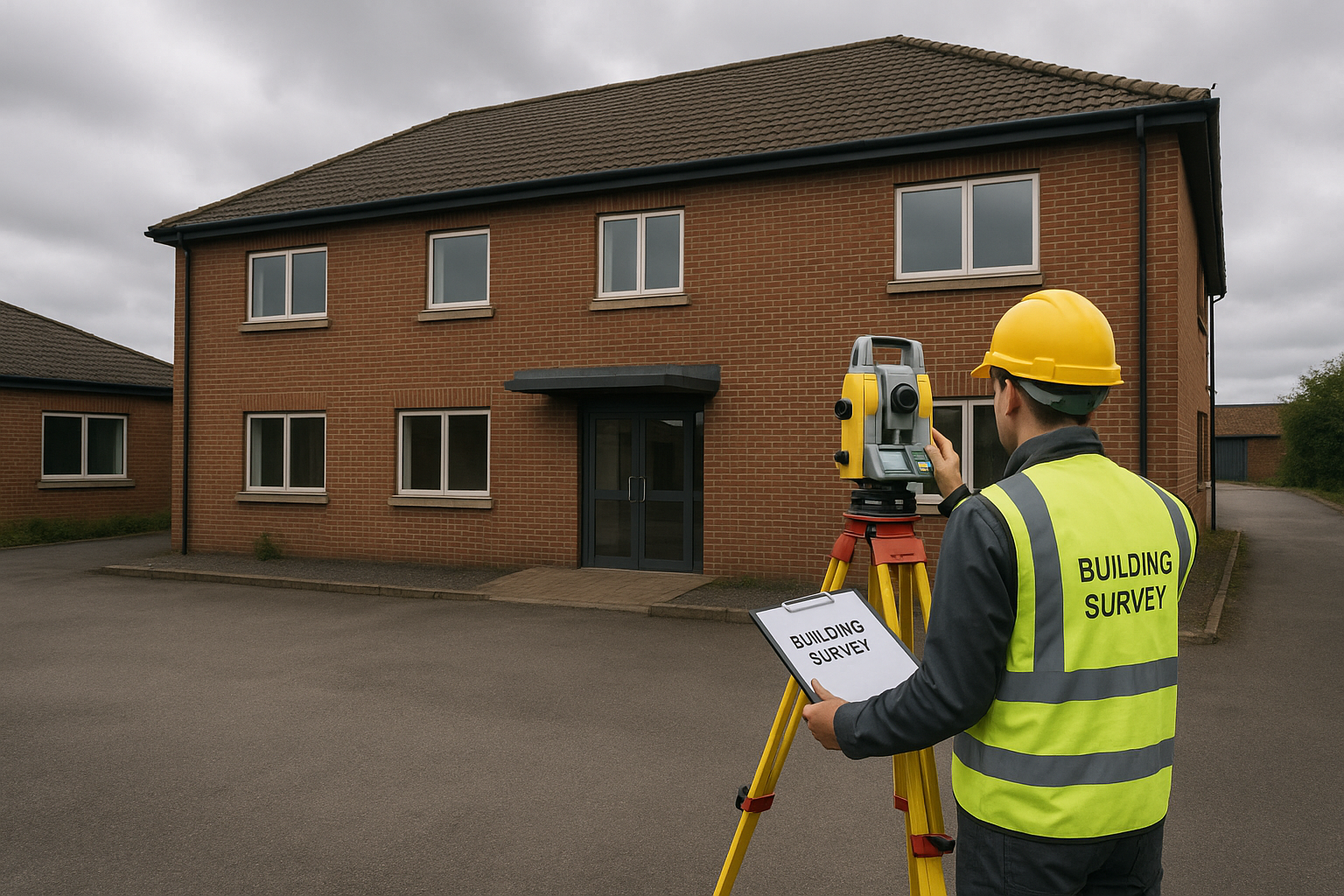
2. Arrange the right asbestos survey
The survey type must match the next stage of the project. Ordering the wrong one wastes time and can leave major gaps in the information.
For routine occupation and normal maintenance, a management survey helps identify accessible asbestos-containing materials that could be disturbed during everyday use.
If the works are intrusive, a refurbishment survey is usually required before the job starts. This is designed for areas where the building fabric will be opened up.
Where a structure is due to be taken down, a demolition survey is the appropriate route. This is intended to locate asbestos-containing materials throughout the building, so demolition can proceed safely.
3. Sample and assess suspect materials
Where materials cannot be ruled out visually, samples should be taken by a competent surveyor and analysed by an appropriate laboratory. This confirms whether asbestos is present and helps shape the asbestos abatement plan.
Do not allow contractors to break off pieces casually for identification. Uncontrolled sampling creates exactly the kind of avoidable exposure you are trying to prevent.
4. Decide what needs to happen
Once materials are identified, the next step is deciding whether they should be managed, encapsulated, enclosed or removed. That decision should reflect the material type, condition, accessibility and the work planned nearby.
Questions to ask include:
- Will the material be disturbed by the proposed works?
- Is it already damaged or deteriorating?
- Is the location easy to monitor and protect?
- Will future maintenance create repeated disturbance risk?
- Does the work require a licensed contractor?
5. Plan the works properly
Asbestos abatement should be integrated into the wider project programme. That means defining the scope clearly, sequencing trades correctly and making sure no one enters the area without the right controls in place.
At this stage, you also need to consider:
- Segregation of the work area
- Access restrictions
- Cleaning arrangements
- Waste packaging and transport
- Handover requirements for the next contractor
6. Carry out removal or other control measures
Depending on the findings, asbestos abatement may involve controlled removal, encapsulation, enclosure or specialist cleaning. The method must suit both the material and the environment it is in.
Trying to apply the same approach to every material is a common mistake. Pipe lagging, cement sheets and textured coatings present very different risks and need different handling.
7. Update records and confirm the area status
Once the work is complete, records should be updated so the building file reflects what was removed, what remains and what controls still apply. This matters just as much as the physical work itself.
If asbestos remains elsewhere in the building, make sure the register, plans and contractor information are revised promptly. Future teams should not have to rely on outdated reports.
Can all asbestos be completely removed from an old building?
Often, yes, but only where the scope is realistic and the investigation has been thorough. A building can go through a full asbestos abatement process and have identified asbestos-containing materials removed from all accessible and relevant areas. That said, the phrase “completely asbestos-free” should be used carefully.
There are limits. Hidden voids, inaccessible areas, undocumented alterations and concealed materials can all affect what is found before works start. If access is restricted, the survey can only report on what can reasonably be inspected within the agreed scope.
In practical terms, full asbestos abatement is most achievable when:
- The building is vacant or can be isolated in sections
- The survey scope allows intrusive access where needed
- All relevant areas are included in the project
- The work is planned before refurbishment or demolition begins
- Records are updated as each stage is completed
For many occupied buildings, total removal is not always the most proportionate option. Managing low-risk materials in place can be safer, less disruptive and entirely compliant where the conditions are right.
Choosing the right survey before asbestos abatement
One of the most costly mistakes in asbestos abatement is ordering a survey that does not match the works. A management survey is not a shortcut for refurbishment, and a refurbishment survey is not a substitute for demolition planning.
Use this simple rule:
- Normal occupation and routine maintenance: management survey
- Intrusive refurbishment or strip-out: refurbishment survey
- Full structural demolition: demolition survey
If the scope changes, review the survey requirement again. A project that begins as minor maintenance can quickly become intrusive once walls are opened or services are rerouted.
Actionable advice for property managers:
- Check whether the existing survey covers the exact area affected
- Confirm whether the report reflects the current layout of the building
- Make sure contractors have the asbestos information before they start
- Do not rely on old desktop assumptions where intrusive works are planned
Emergency situations: what to do if asbestos is accidentally disturbed
Some asbestos issues cannot wait for a routine appointment. A damaged panel, broken ceiling tile, burst pipe or unplanned drill hole can turn a normal day into an urgent incident. In those moments, asbestos abatement starts with immediate control.
Take these steps straight away:
- Stop work immediately
- Keep everyone out of the affected area
- Do not sweep, vacuum or wipe up debris
- Shut doors or isolate the space if possible
- Record what was disturbed and who was present
- Seek competent advice before re-entry or clean-up
Fast, calm action prevents a local issue becoming a wider contamination problem. The first priority is always to avoid further disturbance.
Common emergency scenarios include:
- Contractors uncovering suspect board behind a wall lining
- Maintenance teams disturbing insulation during repairs
- Leaks damaging known asbestos-containing materials
- Fire or impact damage in plant rooms or risers
- Debris appearing after out-of-hours works
Occupational risks during asbestos abatement and building works
The people most at risk are not always specialist removal operatives. In many cases, exposure risks fall on general trades who were never properly warned that asbestos was present.
Maintenance engineers, electricians, plumbers, telecoms installers, decorators, caretakers and cleaning teams can all come into contact with asbestos if information is missing or the survey scope is wrong. That is why asbestos abatement has to be tied closely to contractor communication.
Who may be at risk on site
- Trades drilling, cutting or chasing into walls and ceilings
- Maintenance teams opening service ducts or ceiling voids
- Strip-out and demolition operatives
- Cleaning staff entering affected areas without warning
- Occupants returning before the area is properly handed back
How to reduce occupational risk
- Use the correct survey before any work starts
- Brief all contractors on known asbestos locations
- Keep asbestos registers accessible and current
- Review the survey if the work scope changes
- Stop work immediately if suspect materials are uncovered
- Restrict access to affected areas until advice is obtained
Asbestos abatement is not just about removing materials. It is about controlling exposure across the whole life of the project.
Asbestos surveying support in London, Manchester and Birmingham
Accurate surveying is the foundation of safe asbestos abatement, and local access matters when programmes are tight. Large cities often bring added complexity, from occupied commercial buildings and mixed-use conversions to schools, retail units and industrial sites with phased works.
If you need an asbestos survey London service ahead of maintenance or redevelopment, booking early helps avoid delays once contractors are lined up.
The same applies if you require an asbestos survey Manchester appointment for a commercial or industrial property where intrusive works are planned.
For projects across the Midlands, arranging an asbestos survey Birmingham visit in advance gives you the information needed to make sound decisions before work starts.
For multi-site portfolios, consistency matters as much as speed. Clear reporting, sensible recommendations and reliable communication make asbestos abatement decisions much easier across different locations.
Practical advice for property managers planning asbestos abatement
If you are responsible for a building, the best results come from getting ahead of the issue. Waiting until contractors are on site usually means higher costs, more disruption and a greater chance of accidental disturbance.
Use this checklist before any significant works:
- Confirm the age and history of the building
- Review existing asbestos records for relevance and accuracy
- Order the correct survey for the planned works
- Allow enough time for sampling, reporting and planning
- Share asbestos information with designers, contractors and maintenance teams
- Build asbestos abatement into the programme, not around it
- Update records once work is complete
If the building remains occupied, think carefully about phasing. In many cases, section-by-section asbestos abatement is the most practical route, allowing operations to continue while high-risk areas are dealt with safely.
It also helps to keep one clear point of responsibility within the project team. When everyone assumes someone else is handling asbestos information, gaps appear quickly.
Why early planning saves time and money
Asbestos abatement is rarely the part of the project people want to talk about first, but it often dictates what can happen next. If suspect materials are discovered late, every trade behind that activity can be held up.
Early planning gives you time to choose the right survey, define the work area, assess the findings and sequence any removal before the main programme is under pressure. It also reduces the chance of emergency call-outs, aborted visits and disputes over who knew what.
For landlords and facilities teams, the practical benefit is straightforward: fewer surprises, better compliance and a safer site for everyone involved.
Frequently Asked Questions
Does asbestos abatement always mean full removal?
No. Asbestos abatement means reducing risk, which may involve removal, but it can also include management in place, encapsulation, enclosure or controlled cleaning. The right option depends on the material, its condition and whether it is likely to be disturbed.
Can I carry out refurbishment before getting an asbestos survey?
No sensible contractor should begin intrusive refurbishment without the correct asbestos information. If the works will disturb the building fabric, a refurbishment survey is usually needed first so hidden materials can be identified and planned for properly.
What is the difference between a management survey and a refurbishment survey?
A management survey is used to help manage asbestos during normal occupation and routine maintenance. A refurbishment survey is more intrusive and is used before refurbishment works that will disturb walls, ceilings, floors or services.
What should I do if contractors uncover suspect asbestos during works?
Stop work immediately, keep people out of the area and avoid any attempt to clean up debris. Then seek competent advice so the material can be assessed and the next steps agreed safely.
Is it possible to remove all asbestos from an old building?
It can be possible, but only where the survey scope is thorough and all relevant areas are accessible. In some buildings, hidden or inaccessible materials may not be identified until later phases of work, so claims of a building being completely asbestos-free should be made carefully.
If you need clear advice on asbestos abatement, the right survey before works begin, or fast support for a live property issue, Supernova Asbestos Surveys can help. We provide nationwide asbestos surveying services for commercial, public sector and residential clients, with practical reporting that helps you act quickly and safely. Call 020 4586 0680 or visit asbestos-surveys.org.uk to arrange your survey.