
A cracked ceiling tile, damaged pipe lagging or dust released during refurbishment can trigger a frightening question: how long does asbestos take to kill you? The honest answer is that asbestos does not usually make people suddenly ill after a single incident. The real danger is that asbestos-related disease often develops slowly, sometimes decades after fibres were inhaled, which is why every suspected exposure needs to be taken seriously from the start.
That delay is exactly what makes asbestos so deceptive. Someone can feel completely normal after an exposure event, yet still need the area secured, the material assessed and the risk properly managed under the Control of Asbestos Regulations, HSE guidance and HSG264.
For property managers, landlords, employers and homeowners, the practical issue is control rather than panic. If you are dealing with an older building, arranging a professional asbestos survey London service can stop guesswork before maintenance or refurbishment creates a bigger problem.
How long does asbestos take to kill you in real terms?
When people ask how long does asbestos take to kill you, they are usually asking two different things. First, how long does it take for asbestos-related disease to appear? Second, does one exposure mean serious illness is inevitable?
There is no single timeline. Asbestos does not work like an instant poison. If asbestos contributes to death, it is usually through diseases that develop over a long latency period rather than through an immediate toxic reaction.
The main asbestos-related conditions include:
- Asbestosis – scarring of the lungs linked mainly with heavy or prolonged exposure
- Mesothelioma – a cancer affecting the lining of the lungs or abdomen
- Asbestos-related lung cancer – risk increases significantly in people who also smoke
- Pleural thickening – thickening of the lining around the lungs that can affect breathing
- Pleural plaques – areas of thickened pleura that indicate past exposure
So, how long does asbestos take to kill you? In many cases, if asbestos causes fatal illness, that happens only after a disease process has developed over many years. The timing depends on the amount inhaled, how often exposure happened, what type of asbestos-containing material was disturbed, smoking history and individual susceptibility.
How asbestos harms the body
Asbestos is made up of microscopic fibres. When asbestos-containing materials are drilled, cut, broken, sanded or allowed to deteriorate, fibres can become airborne and be breathed deep into the lungs.
Some fibres are cleared by the body, but some can remain in lung tissue or the pleura for a very long time. Over time, retained fibres may trigger inflammation, scarring and cellular changes associated with cancer.
This is why the legal duty to identify and manage asbestos matters. In non-domestic premises, dutyholders must manage asbestos risks properly, and surveying should be carried out by competent professionals in line with HSG264.
The key point is simple: disturbance creates risk. Intact asbestos-containing materials in good condition may present a relatively low immediate risk if they are left undisturbed and managed correctly. Damaged or friable materials are a very different matter.
How much asbestos exposure is dangerous?
There is no neat personal threshold that guarantees safety. In general, the risk rises with cumulative exposure, meaning the more fibres inhaled over time, the higher the chance of developing asbestos-related disease.
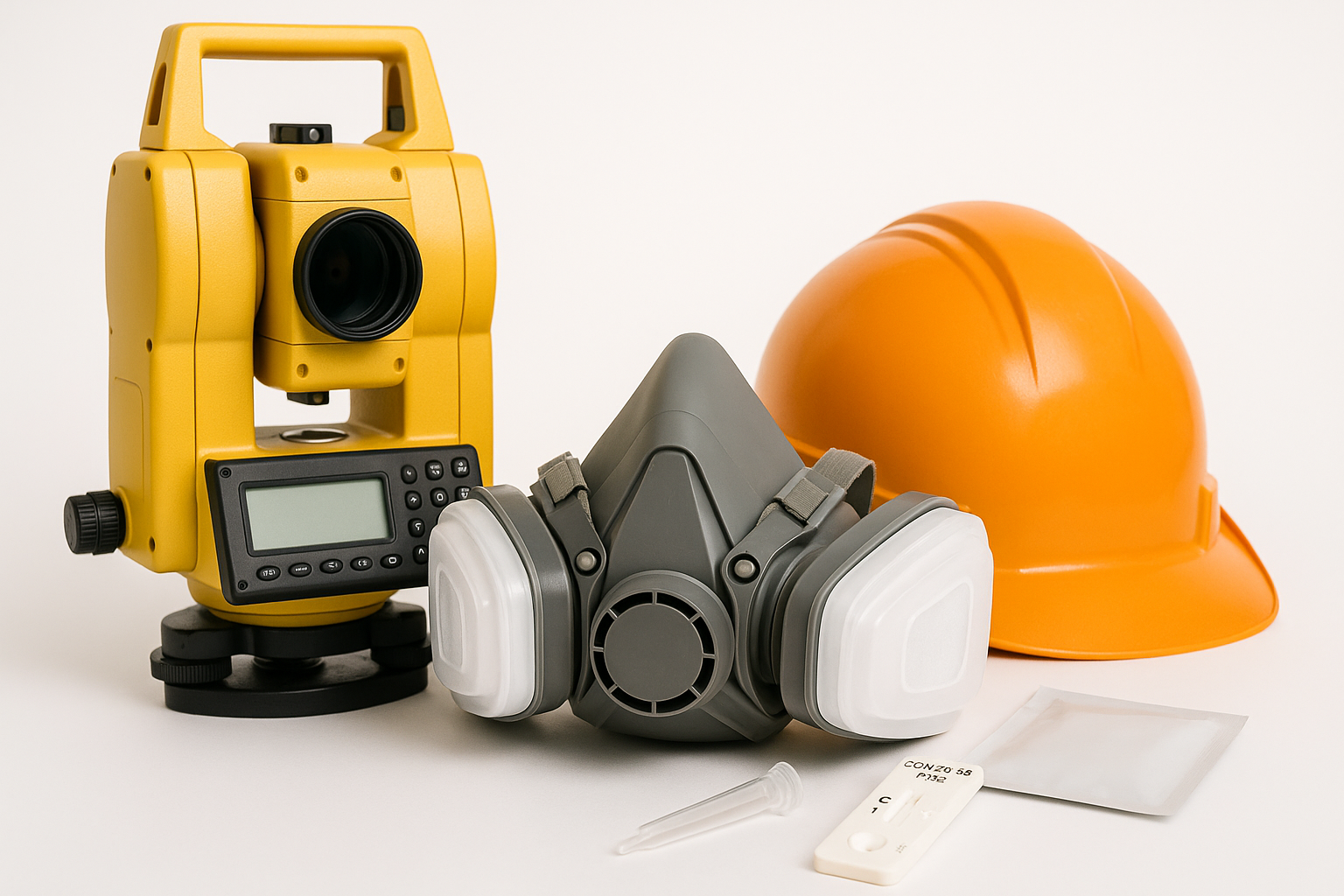
That said, not every exposure scenario carries the same level of danger. Brief contact with an intact asbestos cement sheet outdoors is very different from cutting through asbestos insulation board in a confined plant room.
Factors that affect how dangerous exposure is
- Type of material – sprayed coatings, pipe lagging and asbestos insulation board are usually higher risk than asbestos cement
- Condition of the material – damaged, crumbling or deteriorating materials release fibres more easily
- Work activity – drilling, sanding, chasing, demolition and stripping create much more dust
- Duration – longer exposure usually means a greater inhaled dose
- Frequency – repeated lower-level exposures can build up over time
- Ventilation – enclosed spaces can allow fibre concentrations to rise
- Controls used – proper procedures, suitable equipment and competent contractors reduce risk
- Smoking – smoking significantly increases the risk of asbestos-related lung cancer
So when asking how long does asbestos take to kill you, it is more accurate to ask how much fibre may have been inhaled, how often and from what type of material. Risk is shaped by the exposure profile, not by fear alone.
How bad is one-time exposure to asbestos?
One-time exposure is usually less concerning than repeated occupational exposure over months or years. Even so, it should never be brushed off without considering what was disturbed and how much dust was created.
Some asbestos diseases, especially mesothelioma, have been linked with lower levels of exposure than those typically associated with asbestosis. That does not mean every one-off incident will lead to disease. It means no responsible adviser should dismiss an exposure without looking at the details.
What a one-off exposure usually means
In many cases, a brief accidental exposure will not lead to serious illness. A person may have entered a room where a material was damaged, or may have briefly disturbed a suspect board before stopping work. The absolute risk from that sort of event is generally lower than from repeated uncontrolled work with friable asbestos materials.
But lower risk does not mean no risk. The right response is to stop work, isolate the area and get the material checked.
Why symptoms do not appear straight away
One of the biggest misunderstandings around asbestos is the idea that dangerous exposure should cause immediate symptoms. In reality, acute or single exposure often causes no obvious symptoms at all.
A person may cough because of ordinary dust or throat irritation, but that does not reliably show whether asbestos fibres were inhaled. The concern after one-time exposure is usually the possible long-term effect, not immediate poisoning.
What factors affect risk from short-term asbestos exposure?
Short-term exposure creates a lot of anxiety because the outcome is uncertain. The level of risk depends on the material, the task, the environment and the controls in place at the time.
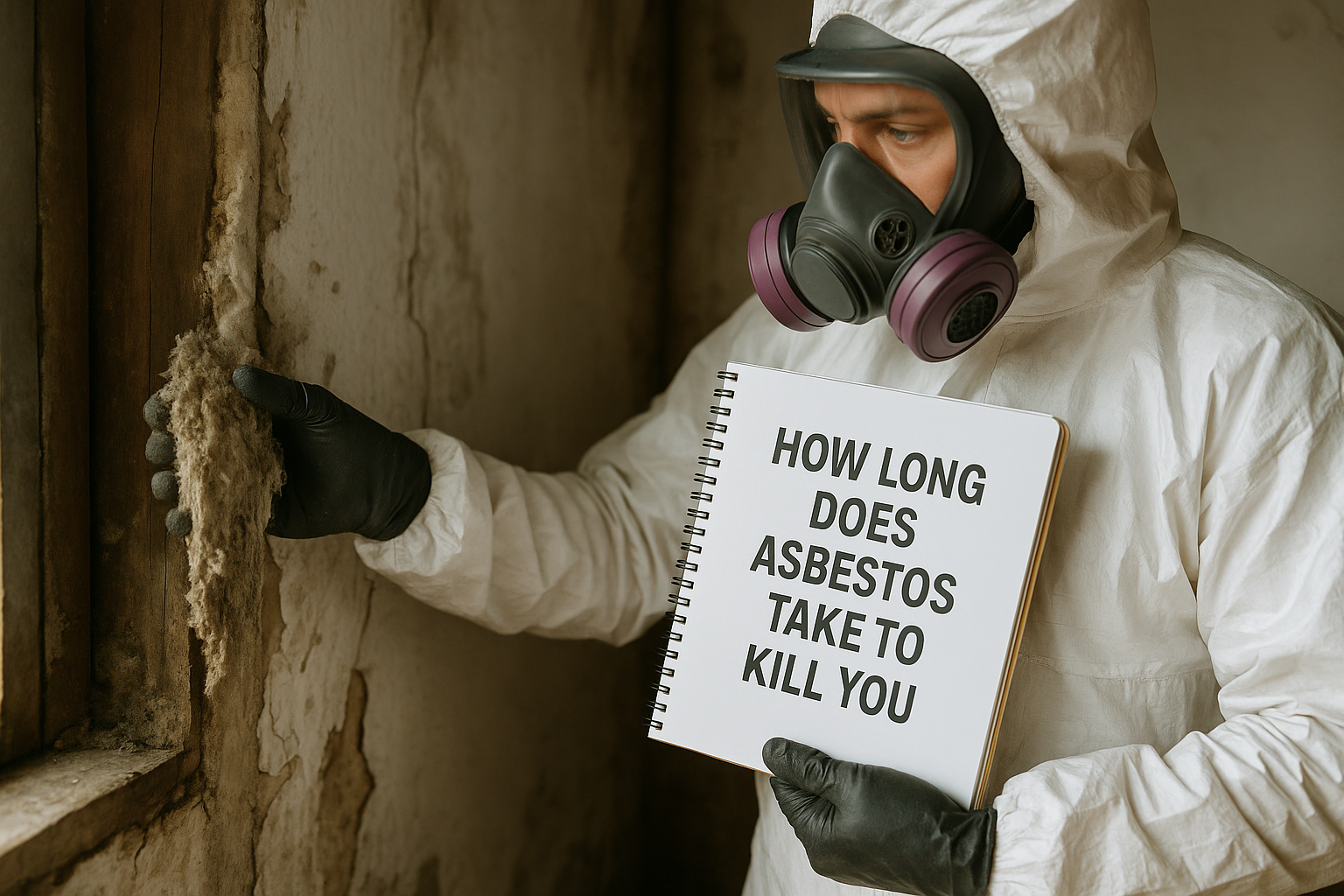
Higher-risk short-term scenarios
- Breaking or drilling asbestos insulation board
- Disturbing pipe lagging or sprayed coatings
- Demolition in older buildings without prior surveying
- Cleaning up debris by dry sweeping
- Working in a small, poorly ventilated space
Lower-risk short-term scenarios
- Being near intact asbestos cement that has not been disturbed
- Seeing a material that may contain asbestos but not touching it
- Briefly entering an area before work starts, then leaving
- Finding suspected asbestos during inspection and stopping immediately
Those examples are not a substitute for professional assessment, but they show why context matters. A survey and, where appropriate, sampling are the proper next steps.
Human data: what we know from real exposure histories
Most of what is known about asbestos risk comes from human data gathered through occupational exposure histories, medical imaging, pathology and long-term observation of exposed workers. The clearest pattern is consistent: heavy and repeated exposure carries the highest risk.
Human evidence shows several well-established points:
- All asbestos types are hazardous
- Higher cumulative exposure generally means higher risk
- Asbestosis is more strongly associated with heavy, prolonged exposure
- Mesothelioma can occur after lower levels of exposure than those usually linked with asbestosis
- Smoking and asbestos together sharply increase lung cancer risk
What human data does not provide is a precise forecast for one individual after one incident. Medicine can explain relative risk, but it cannot tell a person with certainty whether they will or will not become ill decades later.
That is why exposure prevention matters so much. If you manage buildings in the North West, arranging an asbestos survey Manchester appointment before maintenance starts is far better than trying to reconstruct exposure after the event.
Animal data and in-vitro data: what laboratory research adds
Animal data and in-vitro data help researchers understand how asbestos behaves biologically. They are useful for explaining mechanisms, even though they do not replace real-world human evidence.
What animal data shows
Animal studies have shown that inhaled asbestos fibres can lodge in lung tissue, cause inflammation and contribute to scarring and tumour formation. These studies support what has already been seen in exposed human populations.
They also help researchers compare fibre behaviour, persistence and tissue response. That matters when assessing why certain fibres may remain in the body and continue to cause damage over time.
What in-vitro data shows
In-vitro data comes from laboratory studies on cells and tissues rather than whole living organisms. This research helps explain how asbestos fibres may trigger cellular injury, oxidative stress, inflammation and genetic damage.
Used properly, these studies strengthen the overall toxicological picture. They do not tell you exactly how long does asbestos take to kill you as an individual, but they do help explain why asbestos remains a serious hazard even when symptoms are delayed.
Symptoms of asbestosis
Asbestosis is a chronic lung disease caused by inhaling asbestos fibres, usually after heavy or prolonged exposure over time. It is not an immediate reaction. It is scarring of the lungs that can gradually make breathing more difficult.
Symptoms of asbestosis often develop slowly and may worsen over time. Common symptoms include:
- Shortness of breath, especially during activity
- A persistent cough
- Wheezing in some cases
- Extreme tiredness
- Chest tightness or discomfort
- Clubbing of the fingertips in more advanced cases
These symptoms are not unique to asbestosis. Other lung and heart conditions can cause similar problems, which is why proper medical assessment matters.
When to seek medical advice
You should speak to a GP if you have a history of asbestos exposure and develop ongoing breathing symptoms, a persistent cough or unexplained breathlessness. This is particularly relevant if you had repeated occupational exposure in the past.
For a single brief incident, emergency treatment is not usually needed purely because asbestos may have been present. There is generally no immediate medical test that can confirm whether fibres were inhaled from a recent one-off exposure.
Causes of asbestosis and who is most at risk
Asbestosis is caused by inhaling asbestos fibres over time, usually in situations involving heavy or repeated exposure. Historically, it has been linked to work with insulation, lagging, sprayed coatings, shipbuilding, manufacturing, construction, demolition and similar high-dust environments.
It is less commonly associated with very minor one-off exposure than some other asbestos-related conditions. That is because asbestosis typically reflects a substantial cumulative dose of fibres.
People most at risk
- Workers with long-term occupational exposure
- People involved in refurbishment or demolition without proper controls
- Those who repeatedly handled friable asbestos materials
- Individuals who historically had poor respiratory protection or none at all
For current dutyholders, the lesson is straightforward: identify asbestos before work begins. If you are planning works in the Midlands, booking an asbestos survey Birmingham service can prevent accidental disturbance and costly delays.
Tests for asbestosis
There is no simple instant test that tells you whether a recent one-off exposure has caused harm. Diagnosis of asbestosis is based on a combination of exposure history, symptoms, examination and medical investigations.
Tests a doctor may use
- Medical history – including past jobs, likely exposure and smoking history
- Physical examination – listening to the chest and assessing breathing
- Chest X-ray – may show changes consistent with asbestos-related disease
- CT scan – can provide more detailed imaging of the lungs and pleura
- Lung function tests – help assess how well the lungs are working
The diagnosis is made by medical professionals, often with respiratory input where needed. Imaging is not usually useful immediately after a brief exposure because asbestos-related disease develops over time.
If you have had a significant workplace exposure, record the details carefully. Note the date, location, task, material involved and who was present. That record can be helpful later if medical advice is needed.
Treatment for asbestosis
There is no cure that reverses the lung scarring caused by asbestosis. Treatment focuses on managing symptoms, slowing deterioration where possible and helping the person maintain the best quality of life.
Common approaches to treatment for asbestosis
- Monitoring by a GP or respiratory specialist
- Medicines to help ease symptoms where appropriate
- Pulmonary rehabilitation to improve breathing and activity tolerance
- Oxygen therapy in more severe cases
- Treatment of chest infections promptly
- Support with stopping smoking
Management depends on symptom severity and overall health. The earlier a person seeks advice for persistent symptoms, the sooner they can be assessed and supported.
What you can do to help with asbestosis
If someone has asbestosis or another chronic asbestos-related lung condition, practical self-management matters. Medical treatment is only part of the picture.
Doctors commonly advise people to:
- Try to quit smoking if you smoke – symptoms may get worse if you smoke, and it increases the risk of lung cancer
- Get the flu vaccination and the pneumococcal vaccination – this reduces your chance of getting an infection that affects your lungs
- Stay active within safe limits and follow medical advice on exercise
- Seek help early if breathing symptoms worsen or chest infections develop
- Attend follow-up appointments and keep a clear record of exposure history
These are practical steps, not guarantees. They help reduce added strain on the lungs and support better long-term management.
Government compensation scheme for asbestosis
People diagnosed with asbestosis may be entitled to financial support depending on their circumstances and exposure history. In the UK, there are government routes and other legal avenues that may apply where disease is linked to occupational exposure.
Eligibility depends on the diagnosis, employment history and whether exposure happened at work. Because entitlement can be fact-specific, it is sensible to seek advice promptly if a diagnosis is made.
Useful practical steps include:
- Keep copies of medical letters and imaging reports
- Write down your employment history in as much detail as possible
- Record likely asbestos exposure sites, employers and job roles
- Ask your GP or specialist for clear confirmation of the diagnosis
- Seek specialist advice on compensation and benefits options
Accurate records make a real difference. If exposure records exist from a workplace incident, keep them safely.
What should you do if you were briefly exposed to asbestos?
If you think you have had a brief exposure, act calmly and methodically. The goal is to stop any further release of fibres and make sure the material is identified properly.
- Stop work immediately. Do not keep drilling, cutting, sweeping or clearing up.
- Keep other people away. Restrict access to the area if possible.
- Do not dry sweep or use a standard vacuum. That can spread fibres further.
- Leave the material alone. Do not break off more pieces to inspect it.
- Wash exposed skin gently. If clothing may be contaminated, remove it carefully and bag it.
- Report the incident. Tell the dutyholder, employer, site manager or responsible person.
- Arrange professional assessment. Sampling or a suitable survey is the right next step.
- Record what happened. Note the date, location, task, material and who was present.
If the incident happened in a workplace or managed building, documentation matters. Accurate records can help with future risk management and may also be relevant if someone later needs to explain their exposure history to a doctor.
Should you see a doctor after brief exposure?
For a single brief incident, people do not usually need emergency treatment purely because asbestos may have been present. There is normally no immediate medical test that can confirm a recent one-off inhalation event.
You should seek medical advice if:
- You develop ongoing breathing symptoms
- You have had repeated exposure over time
- You are worried because of a significant occupational exposure history
- You need advice tailored to your own health circumstances
A GP or respiratory specialist can discuss symptoms and exposure history, but the practical priority remains preventing any further exposure.
Navigation menu and services information: what property managers actually need
People searching how long does asbestos take to kill you are often looking for more than medical information. They also need a clear route to action, especially when managing property, maintenance or refurbishment.
A useful asbestos services and information checklist should include:
- Surveying – management surveys and refurbishment or demolition surveys
- Sampling – targeted sampling of suspect materials by competent professionals
- Asbestos registers – up-to-date records for non-domestic premises
- Risk assessments – practical review of condition, accessibility and likelihood of disturbance
- Reinspection planning – regular review of known asbestos-containing materials
- Project support – helping dutyholders plan maintenance and refurbishment safely
In other words, the best navigation menu for asbestos risk is not a website feature. It is a decision path:
- Suspect material found
- Stop work
- Restrict access
- Arrange survey or sampling
- Review findings
- Manage, repair or remove as appropriate
- Keep records updated
That is how you reduce risk in the real world.
Common myths behind the question “how long does asbestos take to kill you”
This question often comes from understandable fear, but fear can be made worse by bad information. A few myths come up repeatedly.
Myth 1: If I feel fine, nothing happened
False. Asbestos-related disease often has a long latency period. Feeling fine straight after exposure does not prove the incident was harmless.
Myth 2: One exposure means I will definitely die
False. A one-off exposure does not mean serious illness is inevitable. Risk depends on the material, the task, the amount of fibre released and whether exposure was repeated.
Myth 3: Coughing straight away proves asbestos is in my lungs
False. Coughing may simply be caused by ordinary dust or irritation. It is not a reliable indicator of asbestos inhalation.
Myth 4: There is an instant test after exposure
False. There is no simple immediate test that confirms a recent one-off inhalation event.
Myth 5: Asbestos is only a problem if it is visibly dusty
False. The most dangerous fibres are microscopic. You cannot judge safety by sight alone.
Practical advice for landlords, employers and dutyholders
If you manage buildings, the safest approach is to assume that older premises may contain asbestos until competent inspection proves otherwise. Waiting until damage occurs is expensive and risky.
Use this practical checklist:
- Keep an up-to-date asbestos register for non-domestic premises where required
- Make sure maintenance teams know where known or presumed asbestos is located
- Arrange the right survey before refurbishment or demolition
- Do not rely on age or appearance alone to identify materials
- Use competent surveyors and follow HSE guidance
- Keep records, plans and reinspection dates organised
- Stop work immediately if suspect materials are uncovered unexpectedly
Those steps are far more effective than trying to answer how long does asbestos take to kill you after an avoidable incident has already happened.
Frequently Asked Questions
How long does asbestos take to kill you after one exposure?
There is no fixed timeline. If disease develops, it is usually after a long latency period rather than immediately after one exposure. A single brief exposure is generally lower risk than repeated heavy exposure, but it should still be taken seriously.
How much asbestos exposure is dangerous?
Risk depends on the type of material, its condition, the task carried out, duration, frequency and ventilation. In general, higher cumulative exposure means higher risk, but there is no simple personal threshold that guarantees safety.
Can you get asbestosis from one-time exposure?
Asbestosis is usually linked to heavy or prolonged exposure over time rather than a minor one-off incident. Even so, any suspected exposure should be recorded and the material professionally assessed.
What should I do if I accidentally disturbed asbestos?
Stop work immediately, keep others away, avoid sweeping or vacuuming, leave the material alone, report the incident and arrange professional assessment. Recording the details is also sensible, especially in workplaces and managed buildings.
Should I see a GP after asbestos exposure?
For a brief one-off exposure, emergency treatment is not usually needed. You should speak to a GP if you develop persistent breathing symptoms, have had repeated exposure over time or want advice based on your personal health history.
Worried about suspect materials in a property you manage, rent out or plan to refurbish? Supernova Asbestos Surveys provides professional asbestos surveying nationwide, with clear reporting and practical support for dutyholders. Call 020 4586 0680 or visit asbestos-surveys.org.uk to book the right survey before work starts.