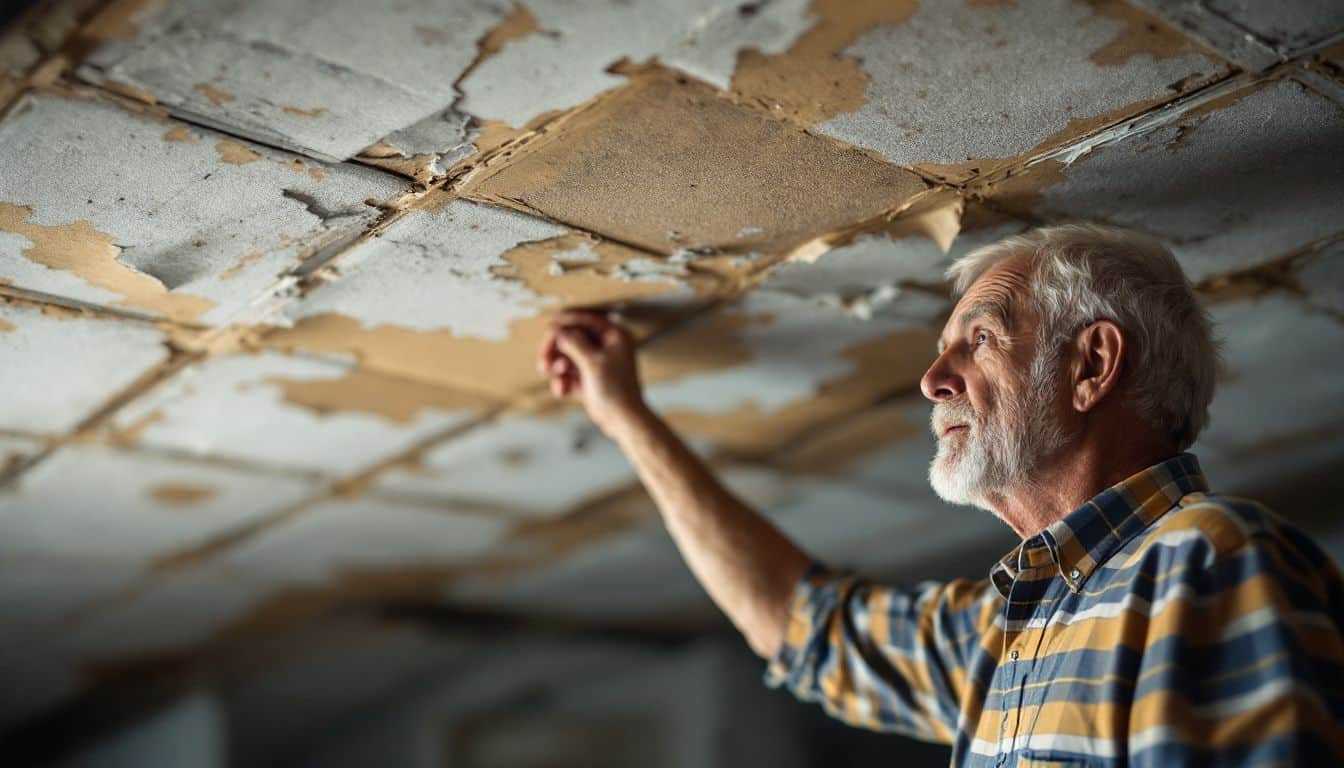
Working With Asbestos in an Old School Building: The Condition You’re Most at Risk For
If you’ve been working with a crew to remove asbestos from an old school building, the condition you are most at risk for if you are exposed is mesothelioma — a rare, aggressive cancer caused almost exclusively by inhaling asbestos fibres. But understanding that single answer isn’t enough to keep you or your crew safe. The full picture of what asbestos exposure does to the human body is something every worker, site manager, and duty holder needs to grasp before any removal project begins.
Old school buildings constructed before the mid-1980s are among the most heavily contaminated structures in the UK. Boiler rooms, ceiling tiles, pipe lagging, floor coverings, and textured coatings were all commonplace in educational buildings of that era — and all of them can harbour asbestos fibres that, once disturbed, become a genuine threat to everyone on site.
Why Asbestos in Old School Buildings Poses Such a Serious Threat
Asbestos was used extensively in UK construction throughout the mid-twentieth century, prized for its fire resistance, durability, and insulating properties. Schools built or refurbished between the 1950s and 1980s are particularly likely to contain asbestos-containing materials (ACMs) in multiple locations throughout the building fabric.
The danger doesn’t come from asbestos simply being present. It comes from disturbance. When ACMs are cut, drilled, broken, or removed without proper controls, microscopic fibres are released into the air. Those fibres are invisible to the naked eye, have no smell, and can remain suspended for hours. You can breathe them in without ever knowing it.
Removal work sits at the highest end of the risk spectrum. Even with precautions in place, poorly managed asbestos removal can expose workers to fibre concentrations far exceeding anything encountered during routine building occupation. The consequences can follow a worker for the rest of their life.
The Primary Condition: Mesothelioma
If you’ve been working with a crew to remove asbestos from an old school building, the condition you are most at risk for if you are exposed is mesothelioma. This is a cancer of the mesothelium — the thin membrane lining the lungs, chest cavity, abdomen, and other internal organs.
Pleural mesothelioma, which affects the lining of the lungs, is the most common form. Peritoneal mesothelioma, affecting the abdominal lining, is less common but equally serious. Both are almost entirely caused by asbestos exposure, and both carry a very poor prognosis. There is currently no cure.
Why Mesothelioma Is the Greatest Risk for Removal Workers
The latency period for mesothelioma — the gap between first exposure and disease development — is typically between 20 and 50 years. Someone exposed during a removal project today may not receive a diagnosis until decades later, long after they’ve moved on from that type of work entirely.
There is no recognised safe level of asbestos exposure when it comes to mesothelioma. Even a relatively brief but intense exposure — such as a removal project carried out without adequate respiratory protection — can be sufficient to trigger the disease. This is what makes uncontrolled removal work so particularly dangerous.
Recognising the Symptoms of Mesothelioma
Because of the long latency period, symptoms frequently don’t appear until the disease is already at an advanced stage. When they do present, they typically include:
- Persistent shortness of breath
- Chest pain or tightness
- A persistent cough that doesn’t resolve
- Fatigue and unexplained weight loss
- Fluid build-up around the lungs (pleural effusion)
Anyone who has worked on asbestos removal projects — particularly in older school buildings — and develops any of these symptoms should inform their GP of their full occupational history immediately. Early referral to a specialist can make a meaningful difference to outcomes.
Other Serious Diseases Caused by Asbestos Exposure
Mesothelioma is the condition most directly and exclusively linked to asbestos, but it isn’t the only disease removal workers face. Several other serious conditions are associated with asbestos fibre inhalation, and all of them are irreversible once established.
Asbestosis
Asbestosis is a chronic, progressive lung disease caused by the scarring of lung tissue following prolonged asbestos fibre inhalation. Unlike mesothelioma, it is generally associated with heavier, longer-term exposure — making it a particular risk for workers who repeatedly carry out removal projects without adequate protection over months or years.
The scarring, known as fibrosis, reduces the lungs’ ability to expand and contract properly. Over time, this leads to increasingly severe breathlessness, a persistent dry cough, and significantly reduced exercise tolerance. There is no cure, and the condition worsens over time even after exposure has ceased.
Lung Cancer
Asbestos exposure significantly increases the risk of lung cancer, and that risk is dramatically compounded by smoking. A person who smokes and has been exposed to asbestos faces a risk of developing lung cancer that is many times higher than either risk factor in isolation.
Lung cancer linked to asbestos exposure typically develops years or decades after the original exposure. Workers involved in removal projects — particularly those working in confined spaces or without adequate respiratory protection — face an elevated risk compared to the general population.
Pleural Thickening and Pleural Plaques
Pleural plaques are areas of thickened, hardened tissue that develop on the lining of the lungs following asbestos exposure. They are the most common indicator of past exposure and, while not cancerous themselves, they confirm that significant exposure has occurred and signal the need for ongoing medical surveillance.
Diffuse pleural thickening is a more serious condition in which large areas of the pleural membrane become thickened and stiff, significantly impairing breathing and causing persistent chest pain. Both conditions are irreversible and have no effective treatment beyond managing symptoms.
Other Cancers Linked to Asbestos
Research has established links between asbestos exposure and cancers of the larynx and ovaries. There is also growing evidence of associations with cancers of the pharynx, stomach, and colorectum. The primary and most well-established cancer risks remain mesothelioma and lung cancer, but the wider picture reinforces why controlling exposure during removal work is non-negotiable.
How Exposure Happens During Asbestos Removal in Schools
Understanding how exposure occurs during removal work is essential for anyone managing or working on these projects. Old school buildings present specific challenges that can increase the risk of fibre release significantly.
Common ACM Locations in School Buildings
In a typical UK school building constructed before the mid-1980s, asbestos may be found in a wide range of locations:
- Ceiling tiles and suspended ceiling systems
- Pipe lagging and boiler insulation in plant rooms
- Textured coatings such as Artex on ceilings and walls
- Floor tiles and the adhesive used to fix them
- Roof sheets and soffits made from asbestos cement
- Fire doors and fire-resistant panels
- Electrical duct insulation and service risers
Each of these materials, if disturbed during removal without proper controls, can release respirable asbestos fibres into the working environment. A thorough survey identifying all ACMs before work begins is the only way to know exactly what you’re dealing with.
High-Risk Activities During Removal
Certain activities during removal projects carry a particularly high risk of fibre release:
- Breaking or cutting ACMs — Any activity that fractures or cuts through asbestos-containing material releases fibres in significant quantities.
- Working in confined spaces — Roof voids, service ducts, and plant rooms concentrate fibres and limit ventilation.
- Dry removal without wetting down — Wetting ACMs before removal suppresses fibre release; failing to do so dramatically increases exposure.
- Inadequate enclosure or containment — Without proper enclosures, fibres can spread beyond the immediate work area into occupied parts of the building.
- Improper PPE — Using the wrong grade of respiratory protective equipment, or wearing it incorrectly, offers little real protection regardless of what the paperwork says.
Legal Requirements for Asbestos Removal in the UK
The Control of Asbestos Regulations sets out clear legal duties for anyone involved in work with asbestos-containing materials. These regulations apply to all non-domestic premises — including schools — and place obligations on both duty holders (such as school management and local authorities) and contractors carrying out removal work.
Licensing Requirements
Most asbestos removal work in the UK requires a licence issued by the Health and Safety Executive (HSE). Licensed work includes the removal of sprayed coatings, lagging, and other high-risk ACMs. Unlicensed individuals or companies carrying out licensable work are breaking the law and putting lives at risk.
The HSE’s guidance document HSG264 sets out the methodology for asbestos surveys and underpins the management approach required before any removal work begins. A thorough asbestos survey must always precede any significant removal project — there are no shortcuts that are legally or ethically acceptable.
Before any intrusive or demolition work begins, a demolition survey is legally required to identify all ACMs in the areas to be disturbed and provide the information needed to plan the work safely.
Notification, Planning, and Clearance
For licensable work, the HSE must be notified in advance. A written plan of work must be prepared, detailing how the work will be carried out safely, what controls will be in place, and how waste will be managed and disposed of. Workers must hold appropriate training and certification.
Air monitoring must be conducted during and after the work, and clearance testing must be completed by an independent UKAS-accredited body before the area is handed back for use. This is not optional — it is a legal requirement, and skipping it puts future occupants at risk.
Disposal of Asbestos Waste
Asbestos waste is classified as hazardous waste under UK law. It must be double-bagged in labelled, approved packaging and transported to a licensed disposal site. Improper disposal is a criminal offence and can result in significant fines — as well as exposing members of the public to risk.
Protecting Yourself and Your Crew During Asbestos Removal
If you are working on or managing an asbestos removal project in a school or other old building, the following practical measures are essential — not optional.
Respiratory Protective Equipment
For most licensable asbestos removal work, a powered air-purifying respirator (PAPR) with a P3 filter, or a half-face mask with a P3 filter, is the minimum standard. The correct grade of RPE must be selected based on a risk assessment, and all workers must be face-fit tested for the specific equipment they use.
A mask that doesn’t fit properly provides no meaningful protection. Face-fit testing is a legal requirement for tight-fitting respiratory protective equipment, and it must be repeated if a worker’s facial characteristics change.
Protective Clothing
Disposable coveralls (Type 5/6 minimum), gloves, and boot covers must be worn during removal work. These must be removed carefully in a decontamination unit before leaving the work area, following a strict decontamination procedure to prevent fibres being carried out of the enclosure on clothing or skin.
Never take contaminated clothing home. Asbestos fibres carried home on work clothing have historically been responsible for secondary exposure cases in family members — a tragedy that is entirely preventable with correct decontamination procedures.
Enclosures and Controlled Environments
For high-risk removal work, a negative-pressure enclosure should be established around the work area. This uses air extraction to maintain lower air pressure inside the enclosure than outside, preventing fibres from escaping into the wider building.
A three-stage decontamination unit — dirty end, shower, clean end — must be used for worker entry and exit. This is a legal requirement for licensed work, not a recommendation, and it must be properly maintained throughout the project.
Air Monitoring
Independent air monitoring during and after removal work provides objective evidence that fibre concentrations are being controlled and that the area is safe for reoccupation once work is complete. This monitoring must be carried out by a UKAS-accredited laboratory, not by the removal contractor themselves.
The results of air monitoring should be retained as part of the project records. These records may be needed years or decades later if a worker or building occupant develops an asbestos-related disease.
The Importance of Medical Surveillance and Occupational Health Records
Workers who carry out licensed asbestos removal work are legally entitled to health surveillance under the Control of Asbestos Regulations. This includes regular medical examinations by an appointed doctor, with records maintained throughout the worker’s career and beyond.
Given the long latency periods involved, maintaining accurate occupational health records is genuinely life-saving. A worker diagnosed with mesothelioma 30 years after a removal project will need to demonstrate the link between their exposure and their disease — and without records, that process becomes significantly harder.
If you have worked on asbestos removal projects in the past and have never undergone health surveillance, speak to your GP about your occupational history. You may be eligible for specialist screening through occupational health services.
Getting a Survey Before Work Begins: Why It Matters
No removal project should begin without a thorough, up-to-date asbestos survey. The survey identifies all ACMs present, assesses their condition, and provides the information needed to plan safe removal. Without it, workers are effectively operating blind — and the consequences can be catastrophic.
Supernova Asbestos Surveys carries out surveys across the UK, including in major cities where older school buildings are particularly prevalent. Whether you need an asbestos survey in London, an asbestos survey in Manchester, or an asbestos survey in Birmingham, our qualified surveyors work to HSG264 methodology and provide clear, actionable reports that meet all regulatory requirements.
A survey isn’t just a legal box to tick — it’s the foundation on which every safe removal project is built. Skipping it, or relying on an outdated survey, is one of the most common and most dangerous mistakes made on asbestos removal projects.
Frequently Asked Questions
If you’ve been working with a crew to remove asbestos from an old school building, which condition are you most at risk for if you are exposed?
The condition you are most at risk for is mesothelioma — a rare and aggressive cancer of the mesothelial lining that is caused almost exclusively by inhaling asbestos fibres. Other serious conditions include asbestosis, lung cancer, and pleural thickening. All are irreversible, which is why preventing exposure in the first place is the only effective strategy.
How long after asbestos exposure do symptoms appear?
Asbestos-related diseases typically have very long latency periods. Mesothelioma can take between 20 and 50 years to develop after initial exposure. Asbestosis and lung cancer also have extended latency periods. This means symptoms may not appear until decades after the exposure event, making occupational health records and ongoing medical surveillance critically important for anyone who has worked with asbestos.
Is a single exposure to asbestos during a removal project enough to cause mesothelioma?
There is no recognised safe level of asbestos exposure for mesothelioma. A single, intense exposure — such as working in an uncontrolled removal environment without adequate respiratory protection — can, in principle, be sufficient to trigger the disease. The risk increases with the intensity and duration of exposure, but no threshold below which exposure is considered completely safe has been established.
What legal protections exist for workers carrying out asbestos removal in the UK?
The Control of Asbestos Regulations provides a framework of legal protections for workers, including requirements for employer-provided RPE, health surveillance, written plans of work, and air monitoring. Workers carrying out licensed removal work must receive appropriate training and certification. Employers who fail to meet these obligations can face prosecution by the HSE, and workers have the right to refuse work they believe is being carried out unsafely.
Do I need a survey before removing asbestos from an old school building?
Yes — a survey is a legal requirement before any significant removal or demolition work begins. HSG264 sets out the methodology for asbestos surveys in the UK, and the Control of Asbestos Regulations requires that all ACMs are identified and assessed before work starts. A refurbishment and demolition survey must be carried out in any area where intrusive work is planned, and the results must inform the written plan of work for the removal project.
Speak to Supernova Asbestos Surveys
If you’re planning removal work in an old school building — or any building where asbestos may be present — Supernova Asbestos Surveys can help you start the process correctly. With over 50,000 surveys completed nationwide, our qualified surveyors provide HSG264-compliant reports that give you the information you need to protect your workers and meet your legal obligations.
Call us on 020 4586 0680 or visit asbestos-surveys.org.uk to book a survey or discuss your requirements with our team.