How to Identify Three Types of Building Components Which May Contain Asbestos
Asbestos doesn’t announce itself. It hides in plain sight — inside walls, beneath floors, above ceilings — in millions of buildings across the UK. If you manage, own, or work in a property built before 2000, knowing how to identify three types of building components which may contain asbestos isn’t just useful knowledge. It’s a legal and moral responsibility.
The UK banned the use of all asbestos in construction in 1999, but the legacy of its widespread use runs deep. Asbestos-containing materials (ACMs) remain embedded in the fabric of commercial, industrial, and residential buildings across the country — often undisturbed, but always potentially dangerous when disturbed without proper precautions.
This post breaks down where asbestos is most likely found, what the health risks really are, what the law requires of you, and how to take the right steps to protect everyone who uses your building.
Why Asbestos Was Used So Widely in the First Place
To understand where asbestos hides, it helps to understand why it was used so extensively. Asbestos is a naturally occurring mineral with remarkable properties — fire-resistant, thermally insulating, chemically stable, and incredibly durable. For builders and manufacturers throughout the twentieth century, it was essentially a wonder material.
It was woven into textiles, mixed into cement, sprayed onto structural steelwork, and pressed into floor tiles. By the time the health risks became undeniable, asbestos had already been incorporated into virtually every type of building constructed between the 1930s and the late 1990s.
The problem isn’t asbestos itself when it’s undisturbed and intact. The danger comes when fibres are released into the air — through drilling, cutting, sanding, demolition, or through age-related deterioration. Once airborne, those microscopic fibres can be inhaled and become lodged in lung tissue, where they cause irreversible damage over time.
Identify Three Types of Building Components Which May Contain Asbestos
When duty holders and surveyors assess a building, they look systematically at its structural components. The following three categories represent the most significant and commonly encountered areas where ACMs are found in UK buildings.
1. Insulation and Thermal Protection Systems
Thermal insulation was one of the most widespread applications of asbestos in the construction industry. Pipes, boilers, calorifiers, and heating ducts were routinely lagged with asbestos-based materials to retain heat and reduce energy loss.
This type of insulation — often referred to as asbestos insulation board (AIB) or pipe lagging — is considered one of the highest-risk ACMs because it tends to be friable. Friable materials crumble easily, which means fibres are released with minimal disturbance. Even routine maintenance work in a boiler room or plant room can disturb this material if it hasn’t been identified and managed beforehand.
Other insulation applications to be aware of include:
- Sprayed asbestos coatings on structural steelwork and concrete beams, used as fireproofing
- Loose-fill asbestos insulation in ceiling voids and wall cavities
- Asbestos rope and gaskets used to seal joints in industrial pipework
- Insulating board used around fireplaces, in partition walls, and as ceiling tiles
Sprayed coatings and loose-fill insulation are among the most hazardous forms of asbestos because they degrade readily and release fibres at the slightest disturbance. If you’re managing an older industrial or commercial building, these areas demand immediate attention.
2. Roofing, Cladding, and External Building Materials
Asbestos cement was used extensively in roofing and external cladding throughout the mid-to-late twentieth century. It’s found on agricultural buildings, factories, garages, schools, and large commercial premises across the country.
Asbestos cement products typically contain between 10% and 15% asbestos by weight, bonded within a cement matrix. In good condition, these materials are considered lower risk — the fibres are locked into the cement and unlikely to become airborne. However, weathering, physical damage, moss growth, and pressure washing can all degrade the surface and begin to release fibres.
Common external ACMs include:
- Corrugated asbestos cement roof sheets, extremely common on industrial and agricultural buildings
- Asbestos cement rainwater gutters, downpipes, and fascias
- Flat asbestos cement roof tiles and slates
- External wall cladding panels
- Soffit boards beneath roof overhangs
One of the most common mistakes property managers make is assuming that because asbestos cement is a lower-risk material, it requires no action. That’s not the case. Any ACM must be identified, recorded in an asbestos register, and managed according to its condition and the likelihood of disturbance.
3. Internal Finishes, Floor Coverings, and Ceiling Materials
Inside the building, asbestos was used in an enormous range of decorative and functional finishes. These materials often catch people off guard, because they don’t look industrial or hazardous — they look like ordinary flooring, ceiling tiles, or textured wall coatings.
Key internal materials to be aware of include:
- Textured coatings: The most widely recognised example in domestic properties is Artex. Applied to ceilings and walls from the 1960s onwards, textured coatings frequently contained chrysotile (white asbestos). Sanding, scraping, or drilling through these coatings without testing them first is a significant risk.
- Vinyl floor tiles and adhesives: Floor tiles manufactured before the 1980s often contained asbestos, as did the black bitumen adhesive used to fix them. The tiles themselves may be low risk when intact, but sanding or grinding them during a refurbishment releases fibres rapidly.
- Ceiling tiles: Suspended ceiling tiles in offices, schools, and public buildings were commonly made from asbestos insulation board. These can look identical to modern mineral fibre tiles, making visual identification unreliable.
- Partition walls and door linings: Asbestos insulation board was used extensively in internal partition walls, particularly in commercial buildings. Fire-rated door linings and architraves may also contain AIB.
- Decorative plaster and coatings: Some plaster finishes and fire-resistant coatings applied to walls and ceilings contain asbestos, particularly in buildings from the 1950s to 1970s.
The variety of internal materials that may contain asbestos is one of the reasons why visual inspection alone is never sufficient. Laboratory analysis of samples is the only reliable way to confirm the presence or absence of asbestos fibres.
The Health Consequences of Asbestos Exposure
Understanding the health risks is not about creating alarm — it’s about understanding why the regulations exist and why proper management matters. Asbestos fibres, once inhaled, cannot be expelled by the body. They become embedded in the lining of the lungs and other organs, where they cause chronic inflammation and, over time, can trigger serious diseases.
The latency period for asbestos-related illness is typically between 20 and 40 years, which means people are often diagnosed decades after their exposure occurred.
The principal diseases caused by asbestos exposure are:
- Mesothelioma: A cancer of the lining of the lungs, abdomen, or heart. It is almost exclusively caused by asbestos exposure and is invariably fatal. The UK has one of the highest rates of mesothelioma in the world.
- Asbestos-related lung cancer: Distinct from mesothelioma, this is a malignant tumour of the lung tissue itself, strongly linked to asbestos exposure, particularly in those who also smoked.
- Asbestosis: A chronic, progressive scarring of the lung tissue caused by prolonged heavy exposure. It causes increasing breathlessness, reduced lung function, and significantly shortened life expectancy.
- Pleural thickening and pleural plaques: Non-cancerous changes to the lining of the lungs that can cause breathlessness and chest pain, and indicate significant past exposure.
There is no safe level of asbestos exposure. The Control of Asbestos Regulations and HSE guidance set out in HSG264 are built around the principle of eliminating or minimising exposure wherever possible. That means identifying ACMs before any work begins — not after.
Your Legal Duties as a Duty Holder
If you manage or own a non-domestic building — or a residential building with common areas — you are a duty holder under the Control of Asbestos Regulations. This places specific legal obligations on you that cannot be delegated away or ignored.
In practical terms, your duties include:
- Taking reasonable steps to find out whether asbestos-containing materials are present in your building
- Assessing the condition of any ACMs found and the risk they present
- Preparing a written asbestos management plan
- Maintaining an asbestos register and making it available to anyone who may disturb the fabric of the building
- Monitoring the condition of ACMs and reviewing your plan regularly
The starting point for fulfilling these duties is commissioning the right type of asbestos survey. An management survey is required for all buildings in normal occupation — it identifies ACMs that could be disturbed during routine maintenance and day-to-day use.
If you’re planning refurbishment or demolition work, you’ll need a demolition survey instead. This is far more intrusive and involves sampling all materials in the areas to be affected, to ensure no ACMs are disturbed without appropriate controls in place.
Failing to meet your duty to manage is a criminal offence. The HSE has the power to issue improvement notices, prohibition notices, and prosecute duty holders who fail to comply. The consequences — both legal and human — make compliance non-negotiable.
Recognising the Signs of Asbestos Deterioration
Not all ACMs present the same level of risk. The risk posed by any asbestos-containing material depends on its type, its condition, and the likelihood of it being disturbed. Part of effective asbestos management is knowing what deterioration looks like.
Warning signs that an ACM may be releasing fibres or at risk of doing so include:
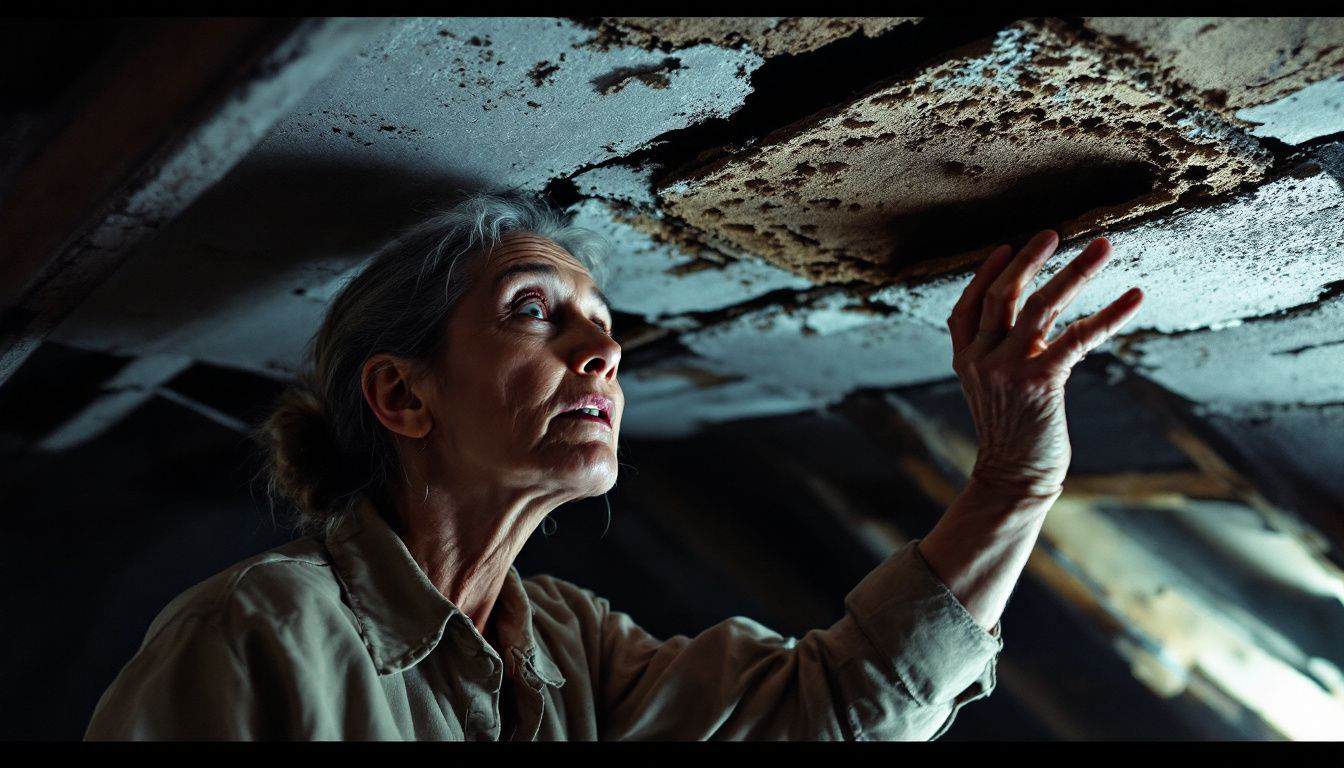
- Visible cracking, crumbling, or delamination of insulation boards or ceiling tiles
- Peeling or flaking of textured coatings or decorative finishes
- Water damage to materials known or suspected to contain asbestos
- Physical impact damage to asbestos cement sheets or panels
- Warping or swelling of materials near heat sources
- Fine dust or debris accumulating near ACMs
If you observe any of these signs, do not attempt to clean up or repair the material yourself. Isolate the area, prevent access, and contact a licensed asbestos surveyor immediately. Disturbing damaged ACMs without proper controls can make the situation significantly worse.
The Safe Removal and Disposal of Asbestos-Containing Materials
Where ACMs are in poor condition, or where they must be disturbed as part of planned works, removal by a licensed contractor is required for the most hazardous materials. This includes sprayed coatings, asbestos insulation board, and pipe lagging.
Licensed contractors are trained and equipped to carry out this work safely. They use negative pressure enclosures, high-efficiency particulate air (HEPA) filtration, full respiratory protective equipment, and specialist decontamination procedures to ensure fibres are not released into the wider environment.
After removal, asbestos waste must be double-bagged in clearly labelled, UN-approved sacks, transported by a licensed waste carrier, and disposed of at a licensed hazardous waste facility. The contractor is also required to notify the HSE before beginning notifiable asbestos removal work.
If you’re considering asbestos removal as part of a refurbishment or demolition project, always ensure your contractor holds a current HSE licence. You can verify this on the HSE’s public register of licensed asbestos contractors.
What to Do If You Suspect Asbestos in Your Building
If your building was constructed or refurbished before 2000 and you don’t have an up-to-date asbestos register, the first step is straightforward: commission a professional asbestos survey. Do not attempt to sample or test materials yourself.
Here’s what the process looks like in practice:
- Commission a survey: A qualified surveyor will inspect the building systematically, taking samples from suspected ACMs for laboratory analysis.
- Receive your report: The surveyor will produce a detailed report identifying the location, type, condition, and risk rating of all ACMs found. This forms the basis of your asbestos register.
- Develop a management plan: Based on the survey findings, you’ll need a written plan setting out how each ACM will be managed, monitored, or removed.
- Act on the findings: High-risk materials may require immediate remediation. Lower-risk materials in good condition can often be left in place and monitored.
- Keep records up to date: Your asbestos register must be updated whenever work is carried out, materials are removed, or conditions change.
Supernova Asbestos Surveys operates across the whole of the UK. Whether you need an asbestos survey London for a commercial premises in the capital, an asbestos survey Manchester for an industrial site in the North West, or an asbestos survey Birmingham for a mixed-use development in the Midlands, our UKAS-accredited surveyors are ready to help.
Frequently Asked Questions
How do I identify three types of building components which may contain asbestos?
The three main categories are: insulation and thermal protection systems (pipe lagging, sprayed coatings, loose-fill insulation), roofing and external cladding (corrugated cement sheets, gutters, soffits), and internal finishes (textured coatings such as Artex, vinyl floor tiles, suspended ceiling tiles, and partition walls). Visual identification alone is not reliable — laboratory analysis of samples taken by a qualified surveyor is the only way to confirm the presence of asbestos.
Is asbestos only found in old buildings?
Asbestos use in construction was banned in the UK in 1999, so any building constructed or significantly refurbished before that date could potentially contain ACMs. Buildings from the 1930s through to the late 1990s are all within scope. The older the building, the more likely it is to contain asbestos — but even buildings from the 1990s should be assessed if their construction date is uncertain.
What should I do if I accidentally disturb a material that might contain asbestos?
Stop work immediately. Evacuate the area and prevent anyone else from entering. Do not attempt to clean up dust or debris. Contact a licensed asbestos surveyor or contractor as soon as possible. Depending on the extent of the disturbance, air testing may be required before the area can be reoccupied. If significant exposure has occurred, the HSE may need to be notified.
Do I need an asbestos survey if I’m only doing minor refurbishment work?
Yes. Under the Control of Asbestos Regulations, any work that could disturb the fabric of a building requires prior knowledge of whether ACMs are present. Even minor work — fitting a new socket, hanging a door, or replacing a section of flooring — can disturb asbestos if the materials haven’t been surveyed. A management survey or a more targeted refurbishment survey should be completed before any intrusive work begins.
How often should an asbestos management plan be reviewed?
The Control of Asbestos Regulations require duty holders to review and update their asbestos management plan regularly. In practice, this means at least annually, and whenever there is a change in the building’s use, occupancy, or condition of known ACMs. Any work that disturbs or removes ACMs should also trigger an update to the asbestos register.
Get Professional Help from Supernova Asbestos Surveys
With over 50,000 surveys completed nationwide, Supernova Asbestos Surveys is the UK’s most trusted name in asbestos surveying. Our UKAS-accredited surveyors work to HSG264 standards across commercial, industrial, and residential properties of all types and sizes.
Whether you need a management survey, a refurbishment and demolition survey, or specialist advice on managing ACMs in a complex building, we’re here to help you meet your legal obligations and protect the people in your care.
Call us today on 020 4586 0680 or visit asbestos-surveys.org.uk to book a survey or speak to one of our team.