Asbestos Awareness in Schools: What Every Administrator, Teacher and Pupil Needs to Know
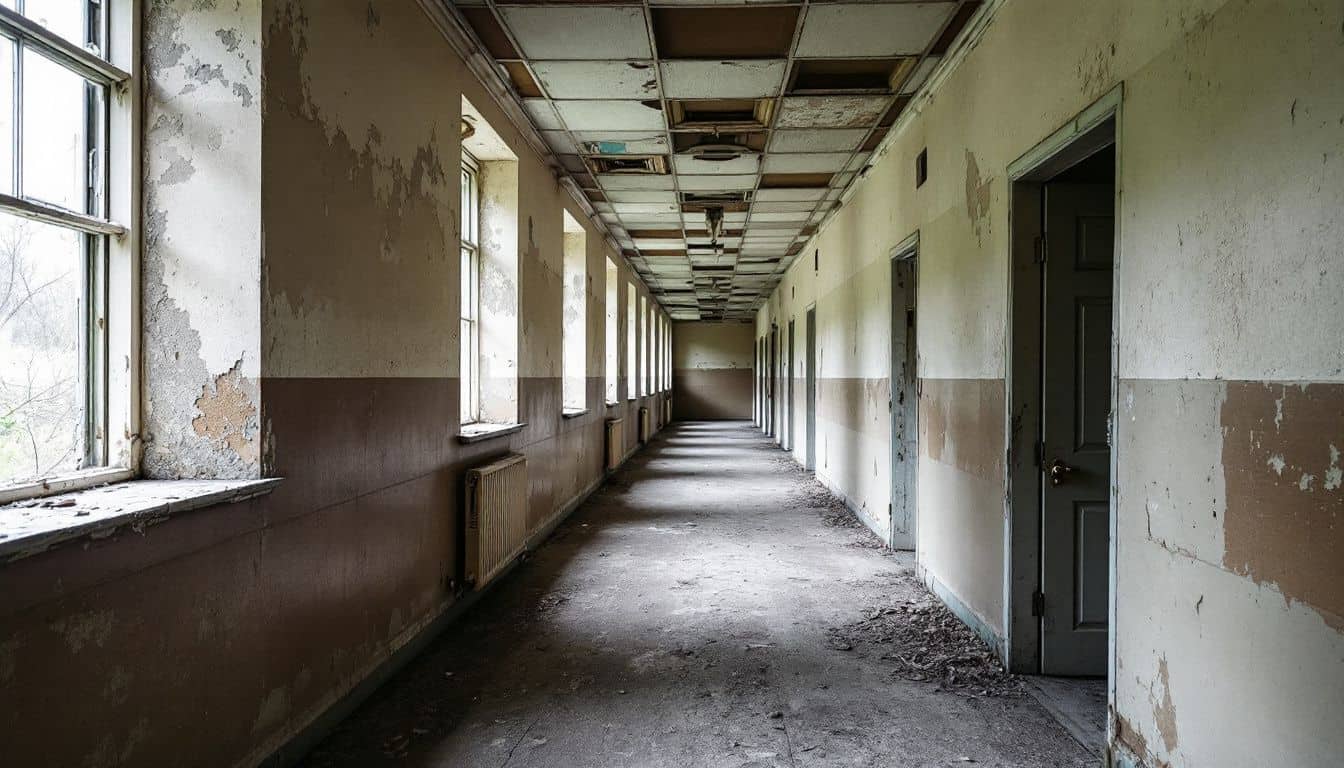
Thousands of school buildings across the UK were constructed before 1999, and a significant proportion contain asbestos-containing materials (ACMs). Asbestos awareness in schools is not optional — it is a legal duty, a moral obligation, and the single most effective way to protect the people who work and learn in those buildings every day.
The fibres released when ACMs are disturbed are invisible to the naked eye, odourless, and capable of causing fatal diseases decades after exposure. Mesothelioma, asbestosis, and asbestos-related lung cancer have all been linked to school environments. Getting awareness right — for staff, students, and the wider school community — is how you stop that risk from becoming a tragedy.
Why Asbestos in Schools Demands Serious Attention
The UK has one of the highest rates of mesothelioma in the world, and the Health and Safety Executive (HSE) has consistently identified school buildings as a priority concern. Many schools built during the post-war construction boom relied heavily on asbestos-based materials for insulation, fireproofing, and structural reinforcement.
Common locations for ACMs in school buildings include:
- Ceiling tiles and floor tiles
- Pipe and boiler insulation lagging
- Spray coatings on structural steelwork
- Partition and insulation boards
- Textured coatings on walls and ceilings
- Roofing felt and cement products
- Old heaters and storage heaters
The critical point is that asbestos in good condition and left undisturbed does not automatically pose an immediate risk. The danger arises when materials are damaged, deteriorating, or disturbed during maintenance and refurbishment work. That is precisely why awareness — knowing where it is, what it looks like, and how to behave around it — is so important in a school setting.
The Legal Framework: What Schools Are Required to Do
Under the Control of Asbestos Regulations, duty holders — typically the school governors, the local authority, or the academy trust — have a clear legal obligation to manage asbestos on their premises. This is not guidance; it is law, and failure to comply can result in prosecution.
The duty to manage requires duty holders to:
- Take reasonable steps to find and record the location, condition, and type of any ACMs in the building
- Assess the risk of anyone being exposed to those materials
- Prepare and implement a written asbestos management plan
- Review and monitor that plan regularly
- Provide information about the location and condition of ACMs to anyone who may disturb them
The HSE’s guidance document HSG264 sets out best practice for asbestos surveying and should be the baseline for any school commissioning survey work. The Department for Education has also issued specific guidance for schools in England, and equivalent guidance exists for Wales.
Beyond the duty to manage, schools must also ensure that any staff who are liable to disturb ACMs — caretakers, maintenance workers, contractors — receive appropriate asbestos awareness training. This is a specific requirement under the Control of Asbestos Regulations, not a discretionary add-on.
Identifying Asbestos: Surveys Are the Starting Point
You cannot manage what you have not found. Every school in a building constructed before 2000 should have an up-to-date asbestos survey on record. If one does not exist — or if it is significantly out of date — commissioning one is the first practical step.
Management Surveys
A management survey is the standard survey for occupied buildings. It identifies the location, extent, and condition of ACMs that could be disturbed during normal occupation and low-risk maintenance activities.
For most schools, this is the survey that underpins the asbestos management plan and should be reviewed and updated regularly. If the survey is incomplete or outdated, the management plan built on top of it is unreliable — and so is every decision that follows from it.
Refurbishment and Demolition Surveys
Before any significant building work takes place — whether that is a classroom extension, a roof replacement, or a full demolition — more intrusive survey work is legally required. A refurbishment survey must be completed before contractors begin work on any area of the building that will be disturbed.
For projects involving full or partial demolition, a demolition survey is required. This is a more intrusive inspection that aims to locate all ACMs, including those that would be removed or disturbed during the works. It must be completed before contractors begin — not during the project.
Skipping this step is one of the most common — and most dangerous — mistakes schools make when undertaking refurbishment. Contractors disturbing hidden ACMs without knowing they are there is how exposure incidents happen.
Asbestos Awareness Training for School Staff
Asbestos awareness in schools starts with the adults in the building. All staff who could conceivably come into contact with ACMs — caretakers, site managers, cleaning staff, and anyone involved in maintenance — must receive formal asbestos awareness training.
That training should cover:
- What asbestos is and where it is commonly found in buildings
- The health risks associated with asbestos fibre inhalation
- How to identify materials that may contain asbestos
- The school’s asbestos management plan and register
- What to do — and what not to do — if suspected ACMs are found or disturbed
- Reporting procedures and who the duty holder is
- Legal responsibilities under the Control of Asbestos Regulations
Training should be refreshed regularly — annually is considered good practice — and records of training completion should be kept. If your school uses external contractors for maintenance or building work, verifying that those contractors have their own asbestos awareness training in place is part of your duty of care.
Empowering Union Representatives
Trade union safety representatives play an important role in asbestos management in schools. The National Education Union (NEU) has produced specific guidance on asbestos in schools, and NEU representatives have the right to be involved in risk assessments and consulted on management plans.
Administrators should actively include union reps in asbestos-related discussions rather than treating this as a box-ticking exercise. Their involvement strengthens the management process and helps ensure staff concerns are heard and addressed.
Educating Students About Asbestos Risks
Students are not duty holders, but they are occupants of the building and they deserve age-appropriate information about the risks. A student who understands why they should not pick at a damaged ceiling tile or poke around in a maintenance cupboard is a student who is less likely to inadvertently create an exposure risk.
Age-Appropriate Presentations and Classroom Discussion
For secondary school students, a straightforward explanation of what asbestos is, where it might be found in older buildings, and what the health consequences of exposure can be is entirely appropriate. Use clear, factual language — mesothelioma, asbestosis, lung cancer — without being gratuitously alarming. The goal is informed behaviour, not panic.
Primary school students need a simpler message: do not touch or disturb old building materials, and always tell a teacher if something looks damaged. Frame it in the same way you would teach road safety — practical rules that keep them safe.
Interactive Workshops and Practical Activities
Workshops that allow students to identify what ACMs might look like — using photographs, samples of safe materials, and case studies — make the learning stick far better than a passive presentation. Hands-on activities that reinforce reporting procedures and safe behaviour are particularly effective with younger secondary school groups.
Guest Speakers and Real-World Context
Inviting a qualified asbestos surveyor or health and safety professional to speak to students provides credibility and real-world context that a classroom teacher cannot always replicate. Hearing directly from someone who conducts asbestos surveys for a living, or from a health professional who understands the disease burden, makes the subject tangible rather than abstract.
Informational Materials Around the School
Posters in corridors, information in student planners, and brief notices in classrooms all reinforce the message. Keep the content simple: what asbestos is, why it matters, and what to do if you see something that concerns you.
A QR code linking to the school’s asbestos information page adds a practical digital dimension for older students and ensures the message stays accessible beyond a single assembly or lesson.
Regular Inspections and Risk Assessments
An asbestos management plan is not a document you file and forget. It requires active, ongoing management — which means regular inspections of known ACMs to monitor their condition, and prompt risk assessments whenever anything changes.
Annual inspections of ACMs by a competent person are considered minimum good practice. Any ACM that shows signs of deterioration — crumbling edges, water damage, physical impact — should be reassessed immediately. The condition of the material directly determines the risk it poses.
Before any maintenance work, renovation, or building project, the asbestos register must be consulted and the relevant contractors briefed on the location and condition of any ACMs in the affected area. This is the mechanism that prevents exposure incidents — not bureaucracy, but a practical safeguard that works.
Communication Strategies That Actually Work
Asbestos awareness in schools depends on consistent, clear communication across the whole school community. That means staff, students, parents, governors, and contractors all receiving appropriate information through the right channels.
School Newsletters and Regular Updates
School newsletters are an underused tool for asbestos communication. A brief, factual update — confirming that the school’s asbestos management plan has been reviewed, or that a survey has been completed — reassures parents and keeps the wider community informed.
Transparent, matter-of-fact communication builds trust and demonstrates that the school is taking its legal obligations seriously. It does not need to be alarming to be effective.
The School Website
Publishing a summary of the school’s asbestos management approach on the school website — including confirmation that a current survey is in place, who the duty holder is, and how concerns can be reported — is increasingly considered good practice. Parents have a legitimate interest in knowing how asbestos risks are being managed in the building where their children spend their days.
Include contact details for the duty holder and, where appropriate, a link to the HSE’s asbestos guidance pages. If parents have questions, make it easy for them to find answers.
Briefing Contractors Before They Start Work
Every contractor working on the school premises must be briefed on the asbestos register before they begin. This is a legal requirement under the Control of Asbestos Regulations, not a courtesy.
A simple pre-work briefing that covers the location of known ACMs, the areas they are working in, and the procedure to follow if they suspect they have found or disturbed asbestos is non-negotiable. Document the briefing and keep a record of who received it.
When Asbestos Needs to Be Removed
Not all asbestos needs to be removed. In many cases, managing ACMs in situ — keeping them in good condition, monitoring them regularly, and ensuring they are not disturbed — is the safest and most appropriate course of action. Unnecessary removal can actually increase risk by releasing fibres that would otherwise remain contained.
However, when ACMs are significantly damaged, when the building is being refurbished or demolished, or when ongoing management is no longer practical, removal by a licensed contractor becomes necessary. Only licensed contractors can remove certain categories of ACMs — this is a legal requirement, not a recommendation.
Before removal work begins, a refurbishment or demolition survey must be completed so that all ACMs in the affected area are identified and the scope of works is clearly defined. Attempting removal without this information puts workers, students, and staff at serious risk.
Asbestos Awareness Across Different School Types
The principles of asbestos awareness in schools apply regardless of school type, but the specific governance arrangements vary. Understanding who holds responsibility in your setting is essential.
- Local authority-maintained schools: The local authority typically acts as duty holder, though day-to-day management responsibilities may be delegated to the headteacher or site manager.
- Academy trusts: The academy trust is the duty holder and bears full responsibility for asbestos management across all schools in the trust.
- Independent schools: The governing body or proprietor is the duty holder and must ensure all legal obligations under the Control of Asbestos Regulations are met.
- Faith schools: Depending on their funding status, responsibility may rest with the local authority, the diocese, or the academy trust.
Whoever the duty holder is, the obligations are the same. Asbestos surveys must be in place, management plans must be maintained, and staff must be trained. The governance structure changes who is accountable — it does not change what needs to be done.
Getting Professional Support: Where Supernova Can Help
Managing asbestos in a school is not something administrators should attempt without professional support. Commissioning a survey from a qualified, accredited surveying company is the foundation of everything else — the management plan, the risk assessments, the contractor briefings, and the staff training all depend on having accurate, up-to-date survey data.
Supernova Asbestos Surveys has completed over 50,000 surveys across the UK, working with schools, local authorities, academy trusts, and independent educational establishments. Whether you need a management survey for an occupied school building, a refurbishment survey ahead of building works, or a demolition survey for a school being redeveloped, our UKAS-accredited surveyors provide thorough, reliable results that meet HSG264 standards.
We operate nationwide, including dedicated teams for an asbestos survey in London, an asbestos survey in Manchester, and an asbestos survey in Birmingham, as well as coverage across England, Wales, and Scotland.
Call us on 020 4586 0680 or visit asbestos-surveys.org.uk to discuss your school’s requirements and arrange a survey at a time that minimises disruption to pupils and staff.
Frequently Asked Questions
Is asbestos still present in UK school buildings?
Yes. The majority of school buildings constructed before 2000 are likely to contain some form of asbestos-containing material. Asbestos was widely used in construction until its full ban in 1999, and many older school buildings have never had ACMs removed. The HSE estimates that asbestos is present in a large proportion of the UK’s school estate. The key is identifying where it is, assessing its condition, and managing it appropriately.
Who is legally responsible for managing asbestos in a school?
The duty holder is legally responsible. Depending on the school’s governance structure, this is typically the local authority (for maintained schools), the academy trust (for academies and free schools), or the governing body or proprietor (for independent schools). The duty holder must ensure that a suitable asbestos management plan is in place, that surveys are up to date, and that staff who may disturb ACMs receive appropriate training.
What type of asbestos survey does a school need?
Most occupied schools require a management survey as the baseline — this identifies the location and condition of ACMs that could be disturbed during normal use and routine maintenance. Before any refurbishment or building work, a refurbishment survey is required for the affected areas. If the building is being fully or partially demolished, a demolition survey must be completed before work begins. In some cases, more than one type of survey may be needed at different stages of a project.
Do students need to be told about asbestos in their school?
There is no specific legal requirement to deliver asbestos education to pupils, but it is widely considered good practice — and it makes practical sense. A student who understands the basic rules (do not touch or disturb old building materials, report anything that looks damaged) is less likely to inadvertently create an exposure risk. Age-appropriate information, delivered clearly and without unnecessary alarm, helps create a safer environment for everyone in the building.
What should a school do if asbestos is found to be damaged?
If a known ACM shows signs of deterioration — or if previously unknown material is discovered — the area should be cordoned off immediately and access restricted. A competent person must assess the material and determine whether it poses an immediate risk. If fibres may have been released, specialist advice and air monitoring may be required. Under no circumstances should damaged ACMs be handled, swept, or vacuumed by untrained staff. The school’s asbestos management plan should set out the emergency procedures to follow in exactly these circumstances.