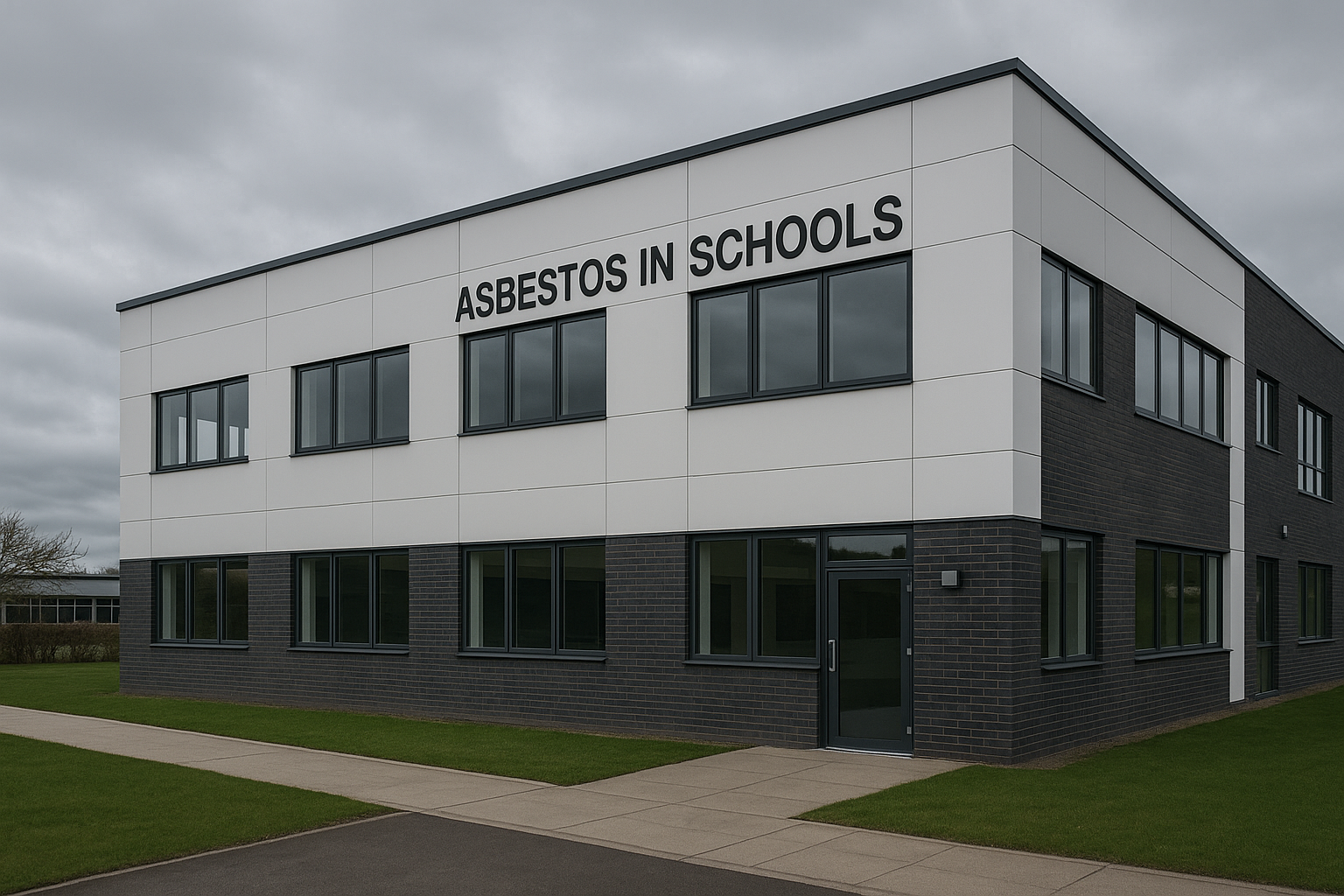
A school building can look modern, clean and well maintained while still hiding a very old problem. Asbestos in schools remains a live issue across the UK because many education buildings were constructed, altered or repaired during decades when asbestos-containing materials were widely used.
If you manage a school estate, age is a strong warning sign, but it is not the whole story. The real question is where asbestos may be, what condition it is in, and whether staff, contractors or planned works could disturb it.
Why asbestos in schools still demands attention
Asbestos was used extensively in UK construction for insulation, fire protection and durability. That means it can still be present in primary schools, secondary schools, academies, colleges and independent schools, especially where older buildings sit alongside later extensions and refurbishments.
One of the biggest misconceptions about asbestos in schools is that it only affects very old Victorian sites. In practice, mid-century teaching blocks, post-war additions, system-built classrooms, boiler houses, service ducts and outbuildings can all contain asbestos-containing materials.
Even where a school has been upgraded over time, asbestos may remain hidden behind ceilings, inside risers, under floor finishes or within plant areas. Refurbishment does not automatically mean asbestos has been removed.
How the age of a school building affects the likelihood of asbestos presence
Building age is one of the clearest indicators when assessing the likelihood of asbestos in schools. If a school building, extension or refurbishment predates the final prohibition on asbestos use in the UK, asbestos-containing materials may be present and should not be ruled out without proper evidence.
That does not mean every older school is dangerous. It means the duty holder should work on the basis that asbestos could be present unless a suitable survey, sampling results and current records show otherwise.
Higher-risk construction periods
Some periods of school construction are more closely associated with asbestos use than others. This is especially relevant where there was rapid expansion, modular construction or repeated refurbishment.
- 1950s to 1970s: heavy use of asbestos in insulation, fire protection, ceiling systems, partition walls, service ducts and plant areas
- 1980s: asbestos still appeared in a range of building products and finishes
- 1990s refurbishments: some asbestos-containing materials remained in circulation or were left in place during repair works
If your estate includes buildings from these periods, asbestos in schools should be treated as a realistic possibility rather than a remote one.
Why age also affects condition
Age does not only increase the chance that asbestos was used. It also affects the condition of those materials. Over time, leaks, knocks, vibration, wear and repeated maintenance can cause asbestos-containing materials to deteriorate.
A sealed asbestos cement sheet in good condition usually presents a lower risk than damaged pipe lagging in a service riser. The practical risk depends on both the material itself and the likelihood of disturbance.
Older schools also tend to need more repair work. Every cable run, heating upgrade, roof repair or classroom alteration increases the chance that hidden asbestos will be disturbed if the right checks are not made first.
Where asbestos is commonly found in schools
When people hear about asbestos in schools, they often think only of insulation board in classrooms. In reality, asbestos can appear across a wide range of materials and locations throughout the estate.
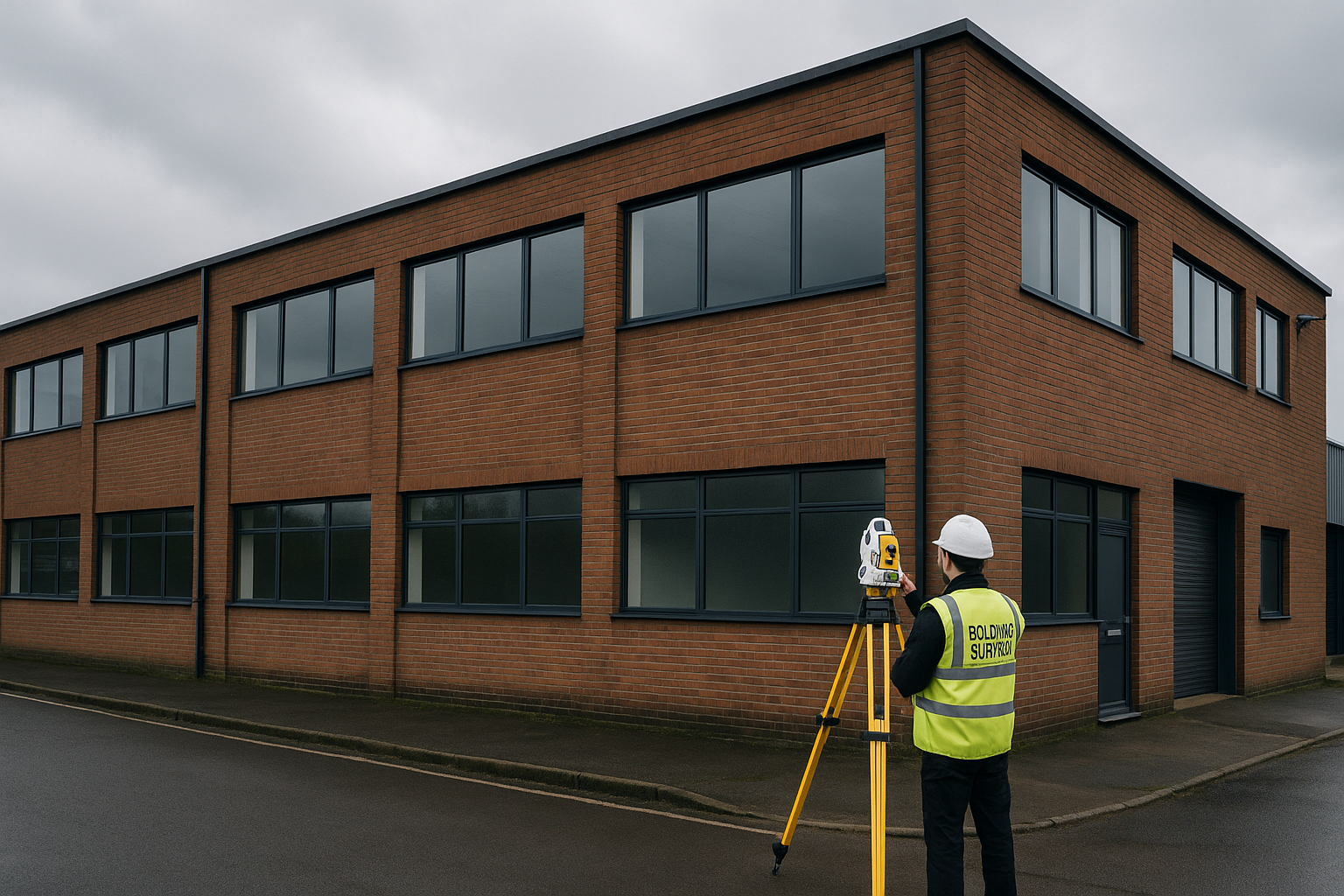
Common places where asbestos may be found include:
- Ceiling tiles and materials above suspended ceilings
- Pipe lagging and thermal insulation
- Boiler rooms, plant rooms and service ducts
- Asbestos insulating board in partitions, soffits and fire protection panels
- Floor tiles and bitumen adhesive
- Textured coatings on walls and ceilings
- Cement roof sheets, wall panels, gutters and downpipes
- Toilet cisterns and service duct covers
- Fire doors and backing panels
- Laboratory bench linings or heat-resistant panels
- Store rooms, caretakers’ areas, garages and outbuildings
- Temporary or system-built classrooms
Some of these materials are more friable than others. Friable materials can release fibres more easily when disturbed, so they usually require tighter controls and, in some cases, more urgent action.
This is why no school should rely on guesswork. A suitable survey, clear register and regular review are the only reliable way to manage asbestos in schools safely.
What the law requires from schools
Under the Control of Asbestos Regulations, the duty to manage asbestos applies to non-domestic premises, including schools. The exact duty holder may differ depending on who controls maintenance and repair, but the obligation to identify and manage asbestos risks is clear.
In practice, that can include local authorities, academy trusts, governing bodies, proprietors, estates managers and others with responsibility for the premises. Whoever holds that duty must make sure asbestos risks are properly identified, assessed and controlled.
Survey work should follow HSG264, the HSE guidance on asbestos surveying. Day-to-day management should also align with wider HSE guidance so that asbestos information is used in real decisions, not left sitting in a file.
Core duties for school duty holders
- Find out whether asbestos is present, and where
- Assess the risk from those materials
- Keep an up-to-date asbestos register
- Prepare and implement an asbestos management plan
- Share asbestos information with staff and contractors
- Review the condition of known materials regularly
- Arrange further action where materials are damaged or likely to be disturbed
A register that nobody checks before work starts is not enough. Effective management of asbestos in schools means the information must be current, accessible and built into maintenance planning.
Management survey or refurbishment survey: what does a school need?
One of the most common mistakes with asbestos in schools is assuming one survey answers every question forever. Different activities require different levels of inspection.
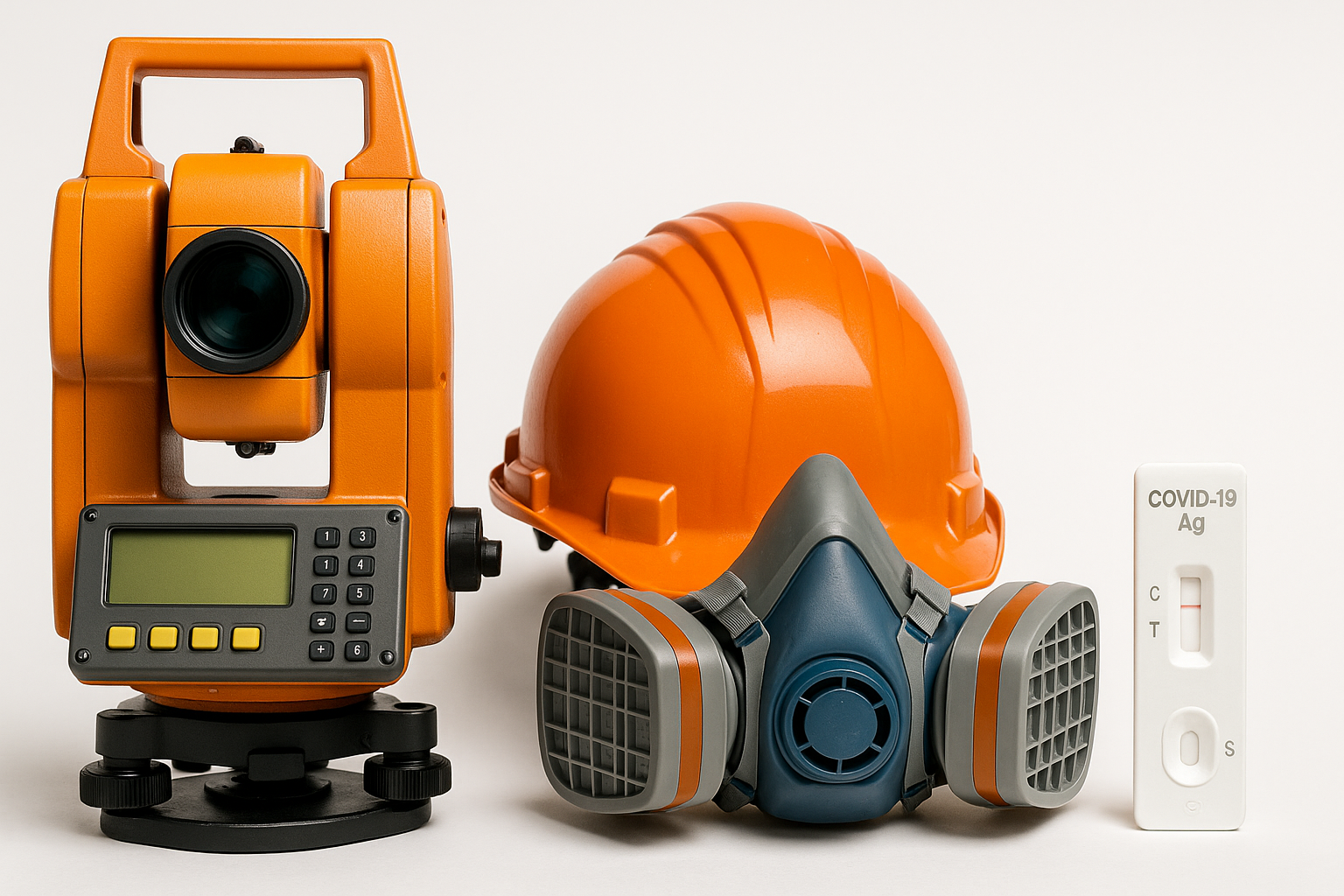
For normal occupation and routine maintenance, a management survey is usually the starting point. Its purpose is to locate, as far as reasonably practicable, the presence and extent of asbestos-containing materials that could be damaged or disturbed during normal occupancy, including foreseeable maintenance.
If the school is planning intrusive works, that is a different situation. Rewiring, boiler replacement, structural alterations, ceiling removals, window replacement and major upgrades may require a refurbishment survey before work begins.
Relying on a management survey for destructive works is a frequent and costly error. It can lead to unexpected asbestos discoveries, project delays, emergency stoppages and possible exposure incidents.
When a management survey is appropriate
- Routine occupation of classrooms, offices and circulation areas
- General estate management
- Minor planned maintenance with limited intrusion
- Creating or updating the asbestos register
When a refurbishment survey is needed
- Refurbishment projects
- Structural alterations
- Accessing hidden voids or service routes
- Removal of walls, ceilings, risers or plant
- Demolition of all or part of a building
If there is any doubt, stop the job and get specialist advice before contractors start. That one decision can prevent fibre release, disruption and enforcement issues.
How to manage asbestos in schools safely
Safe management is not always about removing everything. In many cases, asbestos in schools can be managed safely where materials are identified, in good condition and unlikely to be disturbed.
The right approach depends on the material, its condition, its location and the likelihood of disturbance. A locked plant room is very different from a damaged panel in a busy corridor or a classroom cupboard used every day.
Practical steps every school should take
- Gather all existing records. Pull together previous surveys, plans, asbestos registers, sampling results and contractor notes.
- Check whether the information is current. Older surveys may not reflect later refurbishments, damage or newly accessed areas.
- Review the asbestos register carefully. Make sure locations, material assessments and recommendations are clear and usable.
- Inspect known materials regularly. Look for impact damage, wear, water ingress or signs of unauthorised disturbance.
- Control access where needed. Secure risers, label plant areas and protect vulnerable materials from knocks or accidental contact.
- Brief staff and contractors before work starts. Caretakers, electricians, IT installers, plumbers and decorators all need asbestos information in advance.
- Link asbestos checks to permit-to-work systems. No intrusive work should begin until asbestos information has been checked.
- Update records after any change. If materials are removed, repaired, encapsulated or reclassified, the register must be updated.
These are not box-ticking exercises. They are the practical controls that turn asbestos information into real protection for pupils, staff and contractors.
When encapsulation may be suitable
If asbestos-containing materials are in reasonable condition and unlikely to be disturbed, encapsulation can sometimes be the right control measure. This means sealing or covering the material to reduce the chance of fibre release and protect it from damage.
Encapsulation must be properly specified and carried out by competent professionals. It is not a shortcut, and it still requires ongoing inspection and management.
When removal may be the better option
Removal is often considered where asbestos is damaged, difficult to protect, likely to be repeatedly disturbed or directly affected by planned works. In those cases, schools should use competent specialists to assess the situation and plan the work properly.
If removal is needed, arrange professional asbestos removal rather than relying on general contractors. The work must be assessed correctly, controlled properly and recorded in the asbestos register once completed.
Health risks linked to asbestos exposure in schools
The concern around asbestos in schools is based on the health effects of inhaling airborne asbestos fibres. These fibres are microscopic and can remain suspended in the air when asbestos-containing materials are cut, drilled, broken or otherwise disturbed.
Exposure to asbestos is associated with serious diseases including asbestosis, lung cancer and mesothelioma. These diseases usually develop after a long latency period, which is one reason asbestos management must be taken seriously even when there is no immediate visible dust or damage.
The key practical point is simple: the risk comes from fibre release, not from the mere existence of asbestos somewhere in the building. A well-managed material in good condition presents a very different risk from damaged insulation board disturbed during maintenance.
Who may be at risk in a school setting?
- Site managers and caretakers
- Maintenance staff
- External contractors
- Cleaning teams working in service or plant areas
- Teachers or support staff near damaged materials
- Pupils, if asbestos is disturbed in occupied spaces
Contractors are a particular concern because they are more likely to drill, cut, remove panels or access hidden voids. That is why asbestos information must be provided before work starts, not after a problem has been discovered.
Common mistakes schools make with asbestos
Most failures involving asbestos in schools are not caused by a complete lack of concern. They usually happen because assumptions were made, records were out of date, or maintenance moved ahead without proper checks.
Watch for these common mistakes:
- Assuming newer-looking areas are asbestos-free. Later refurbishments may have left older materials hidden behind finishes.
- Using outdated surveys. Buildings change, materials deteriorate and inaccessible areas may later be opened up.
- Not sharing the asbestos register. Contractors cannot avoid materials they have not been told about.
- Treating all asbestos the same. Risk varies depending on product type, condition and likelihood of disturbance.
- Starting intrusive works too early. Even small jobs like installing cabling or replacing heaters can disturb hidden asbestos.
- Failing to update records after work. A register that does not reflect removals, repairs or discoveries quickly becomes unreliable.
If you want to reduce risk quickly, start by tightening communication. Make asbestos checks a formal step before any maintenance, repair or contractor access.
What to do if you suspect asbestos has been disturbed
If you think asbestos in schools has been accidentally disturbed, act quickly and calmly. Fast, practical steps can reduce further exposure and help specialists assess the situation properly.
- Stop the work immediately.
- Keep people out of the area. Close doors and restrict access.
- Do not sweep, vacuum or clean up debris yourself. Ordinary cleaning can spread fibres.
- Switch off ventilation if this can be done safely without re-entering the affected area.
- Report the incident internally. Notify the duty holder or responsible person straight away.
- Call a competent asbestos professional. They can assess the material, arrange sampling if needed and advise on next steps.
- Record the incident and update management documents.
Do not let well-meaning staff improvise. The wrong response can make a small incident much worse.
How school leaders can build a stronger asbestos management system
Managing asbestos in schools works best when it is part of everyday estate control rather than a separate document reviewed once a year. The schools that handle asbestos well tend to have clear responsibilities, simple procedures and no ambiguity about who checks what.
Useful improvements include:
- Assigning a named responsible person for asbestos coordination
- Making the asbestos register easy to access for relevant staff
- Including asbestos checks in contractor induction
- Linking planned maintenance to survey review
- Reviewing high-risk areas more frequently
- Escalating any sign of damage immediately
For larger estates, it also helps to map survey information against block names, room references and planned capital works. That makes it much easier to avoid surprises when projects move from planning to site.
Local support for schools across the UK
Whether you manage one site or a large estate, local knowledge matters when dealing with asbestos in schools. Access to competent surveyors can help you move quickly when inspections, refurbishment planning or emergency advice are needed.
If your school is in the capital, Supernova can arrange an asbestos survey London service tailored to education premises. For schools in the North West, our asbestos survey Manchester team supports routine management and project-led surveys. We also provide responsive asbestos survey Birmingham services for schools and academy trusts across the Midlands.
The key is not to wait until a contractor uncovers something unexpected. Early surveying and clear records make estates safer and projects easier to manage.
Frequently Asked Questions
Does an old school definitely contain asbestos?
No. Age increases the likelihood, but it does not prove asbestos is present. The only reliable way to confirm whether materials contain asbestos is through a suitable survey and, where needed, sampling and analysis.
Is asbestos in schools always dangerous?
Not always. Asbestos in schools can often be managed safely if the material is in good condition and left undisturbed. The main risk arises when asbestos-containing materials are damaged or disturbed during maintenance, refurbishment or accidental impact.
Who is responsible for managing asbestos in a school?
The duty holder is usually the person or organisation with responsibility for maintenance and repair of the premises. That may be a local authority, academy trust, governing body, proprietor or another responsible party, depending on how the school is run.
When does a school need a refurbishment survey?
A refurbishment survey is needed before intrusive works such as rewiring, ceiling replacement, structural alterations, plant replacement or demolition. A management survey is not enough where the work will disturb the building fabric.
Should schools remove all asbestos immediately?
Not necessarily. Removal is sometimes the right option, especially where materials are damaged or likely to be disturbed. In other cases, safe management, protection and regular inspection may be the correct approach. The decision should be based on the material, condition, location and planned use of the area.
If you need expert help with asbestos in schools, Supernova Asbestos Surveys can support everything from routine inspections to refurbishment planning and removal coordination. Call 020 4586 0680 or visit asbestos-surveys.org.uk to arrange a survey or speak to our team.