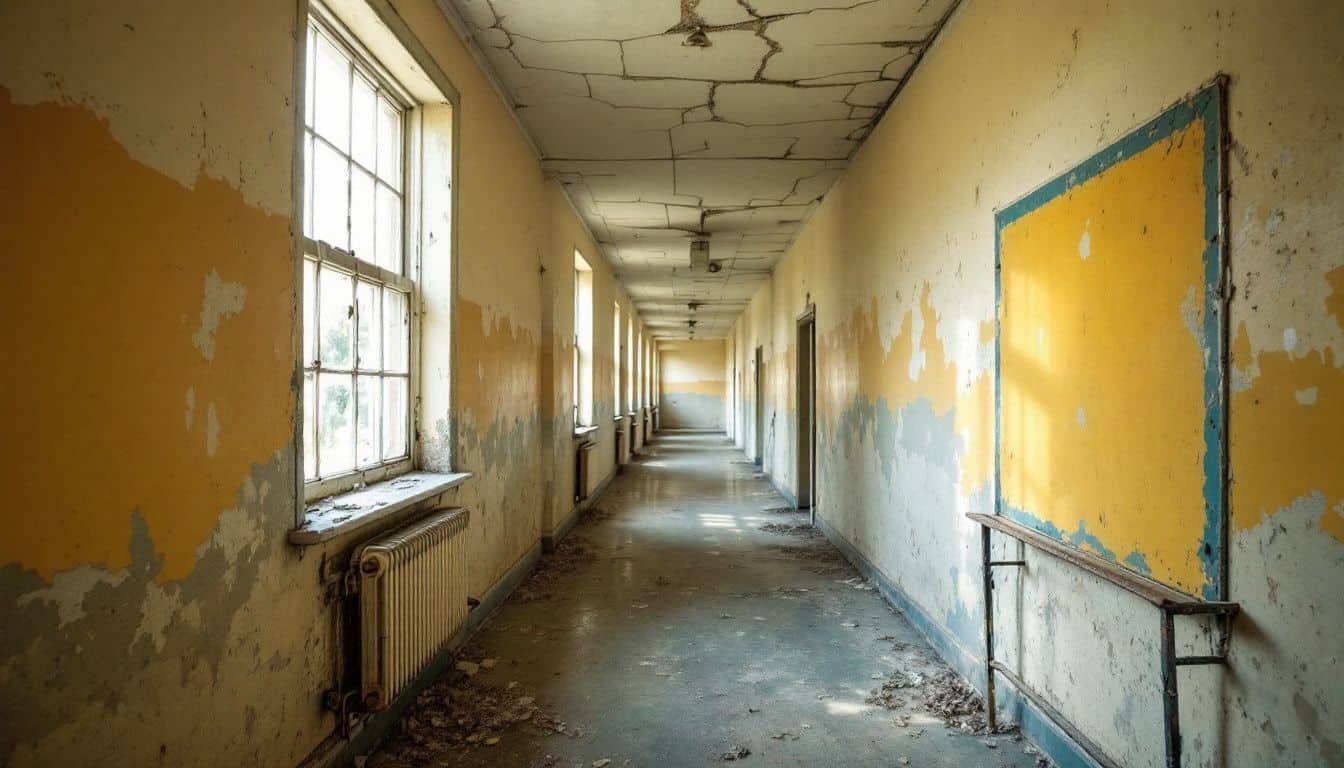
Asbestos in Schools: The Safety Precautions Protecting Students and Staff
Thousands of school buildings across the UK still contain asbestos, hidden in ceilings, floor tiles, pipe lagging, and insulation boards. For parents, teachers, and school leaders, the question is always the same: are there any safety precautions in place to protect students and staff from asbestos in schools? The short answer is yes — but the quality and rigour of those precautions varies enormously from one institution to the next.
Understanding what the law requires, what good practice looks like, and what happens when things go wrong is essential for anyone responsible for a school building. This post covers all of it.
Why Asbestos Is Still Present in So Many Schools
Asbestos was used extensively in UK construction from the 1950s through to the mid-1980s, and its use wasn’t fully banned until 1999. Schools built or refurbished during that period are highly likely to contain asbestos-containing materials (ACMs). Because asbestos was cheap, fire-resistant, and an excellent insulator, it found its way into virtually every part of a building.
Crucially, asbestos that is intact and undisturbed poses a relatively low risk. The danger arises when fibres become airborne — during maintenance work, renovation, or accidental damage. That’s why identifying where asbestos is located, and managing it carefully, is the cornerstone of school asbestos safety.
Common Locations of Asbestos in School Buildings
Asbestos can turn up almost anywhere in an older school building. The most frequently identified locations include:
- Spray coatings on structural steelwork and ceilings, used for fire protection
- Pipe lagging and boiler insulation
- Insulation boards in laboratories, heating cupboards, and partition walls
- Asbestos cement roof sheets, wall panels, and guttering
- Floor tiles and the adhesive beneath them
- Ceiling tiles and suspended ceiling systems
- Ductwork and ventilation systems
- Loft insulation in older flat-roofed buildings
The three main types found in schools are chrysotile (white asbestos), amosite (brown asbestos), and crocidolite (blue asbestos). All three are hazardous when disturbed, with blue and brown asbestos considered the most dangerous.
The Legal Framework: What Schools Are Required to Do
Schools in England, Scotland, and Wales operate under a clear legal framework when it comes to asbestos management. The primary legislation is the Control of Asbestos Regulations, which places a duty to manage asbestos on those who are responsible for non-domestic premises — including schools.
The Health and Safety at Work Act also applies, placing a general duty of care on employers — including school governing bodies and multi-academy trusts — to ensure the health, safety, and welfare of employees and others on the premises.
The Health and Safety Executive’s guidance document HSG264 sets out the standards for asbestos surveys and underpins how schools should approach identification and management. These aren’t optional guidelines — they represent the benchmark against which compliance is assessed.
Who Is the Duty Holder in a School?
In most maintained schools, the governing body holds the duty of care and is legally responsible for asbestos management. In academy trusts, that responsibility typically sits with the trust’s board. Headteachers and premises managers carry day-to-day operational responsibility.
Duty holders must:
- Identify whether asbestos is present in the building
- Assess the condition and risk posed by any ACMs found
- Produce and maintain a written asbestos management plan
- Ensure that anyone who may disturb ACMs is informed of their location
- Review and update the plan regularly
Failure to meet these obligations isn’t just a regulatory breach. It can result in prosecution, significant fines, and most importantly, serious harm to children and staff.
Are There Any Safety Precautions in Place to Protect Students and Staff from Asbestos in Schools?
Yes — and when implemented properly, they form a robust, multi-layered system of protection. The key precautions are as follows.
1. Asbestos Surveys
The starting point for any safety precaution is knowing where asbestos is. A management survey is the standard type carried out in schools that are in normal use. It locates ACMs that could be damaged or disturbed during everyday activities, and assesses their condition and risk level.
For schools planning refurbishment or demolition work, a demolition survey is required. This is a far more intrusive inspection that locates all ACMs before any structural work begins, ensuring contractors are not unknowingly disturbing asbestos during a building project.
Surveys must be carried out by surveyors who are accredited by UKAS (United Kingdom Accreditation Service). Using unaccredited surveyors is not legally compliant and puts everyone at risk.
2. The Asbestos Register
Once a survey has been completed, the results are compiled into an asbestos register — a document that records the location, type, condition, and risk rating of every ACM identified in the building. This register must be kept up to date and made accessible to anyone who may work on or in the building.
Best practice is to display the asbestos register permanently in the staff room so that all staff can see it. Contractors must be shown the register before any maintenance or building work begins — and they should sign to confirm they have reviewed it.
3. The Asbestos Management Plan
The asbestos register feeds into a broader asbestos management plan — a written document that sets out how ACMs will be managed, monitored, and if necessary, removed. A good management plan will include:
- The location and condition of all known ACMs
- Risk assessments for each material
- A schedule for regular reinspections
- Procedures for notifying contractors
- Protocols for dealing with accidental disturbances
- Records of all maintenance and remedial work
The plan should be a living document, reviewed at least annually and updated following any building work, survey, or incident.
4. Staff Asbestos Awareness Training
All school staff — not just premises managers — should receive asbestos awareness training. This training helps staff recognise potential ACMs, understand the risks associated with disturbing them, and know what to do if they suspect asbestos has been damaged.
Training should cover:
- What asbestos is and why it is dangerous
- Where it is commonly found in school buildings
- How to read and use the asbestos register
- What to do if damage or disturbance is suspected
- Who to contact in an emergency
Annual refresher training is strongly recommended. Staff who carry out maintenance work — such as drilling, cutting, or working in ceiling voids — require a higher level of training than general awareness.
5. Regular Monitoring and Reinspection
Asbestos that is in good condition and left undisturbed can remain safely in place for many years. However, the condition of ACMs can deteriorate over time, particularly in areas subject to physical wear, water ingress, or vibration.
Duty holders should carry out periodic visual checks of known ACMs between formal surveys, and schedule professional reinspections at appropriate intervals based on the risk rating of the materials involved. Any deterioration should be documented and acted upon promptly.
6. Contractor Management
A significant proportion of asbestos incidents in schools occur because contractors are not properly informed about the presence of ACMs before starting work. Schools must ensure that every contractor — from electricians to decorators — is shown the asbestos register and signs to confirm they have seen it before work begins.
Contractors should also be asked to provide evidence of their asbestos awareness training. Any work that has the potential to disturb ACMs must be carried out by appropriately licensed contractors.
When Asbestos Is Disturbed: Emergency Protocols
Even with the best precautions in place, accidental disturbances can occur. Schools must have clear, tested emergency protocols for dealing with these situations.
Immediate Actions Following a Disturbance
- Stop all work immediately in the affected area
- Evacuate students and staff from the area without delay
- Seal off the area to prevent fibres from spreading to other parts of the building
- Do not attempt to clean up the material — this must be done by trained specialists
- Notify the duty holder and premises manager immediately
- Contact a licensed asbestos contractor to carry out air monitoring and remediation
- Report the incident under RIDDOR if required, and inform the HSE where appropriate
- Communicate with parents and relevant stakeholders in a clear, factual manner
Schools should practise these protocols through regular drills and ensure all staff know their role in an emergency response. Having a pre-agreed relationship with a licensed asbestos removal contractor means you can act quickly when it matters most.
Air Monitoring After an Incident
Following any suspected disturbance, air monitoring should be carried out before the area is reoccupied. This involves taking air samples and having them analysed by an accredited laboratory to confirm that fibre levels are within safe limits.
The area should remain sealed until clearance has been formally granted. Reopening too soon — even under pressure from timetabling or parental concern — is never acceptable.
When Removal Is the Right Answer
Managing asbestos in place is not always the best long-term solution. In some cases — particularly where ACMs are in poor condition, in areas of high activity, or where planned refurbishment work would inevitably disturb them — removal is the safer and more cost-effective option.
The National Education Union (NEU) and the Joint Union Asbestos Committee (JUAC) have long advocated for the removal of asbestos from schools wherever it is safe and practicable to do so. Removal must be carried out by a licensed contractor, following a thorough pre-removal survey and a detailed method statement.
Poorly planned removal can itself create risk if not carried out correctly. Always use contractors who hold a licence from the HSE and have demonstrable experience working in occupied or recently occupied buildings.
The Challenges Facing Schools Today
Despite the legal framework being well established, asbestos management in schools is not uniformly excellent. Several challenges persist.
Academy trusts — particularly those that have converted from maintained school status — sometimes lose the institutional knowledge and local authority support that helped manage asbestos compliance. Smaller trusts may lack dedicated premises expertise entirely.
Budget pressures can lead to surveys being delayed or management plans becoming outdated. And because asbestos is often hidden from view, it can be easy for busy school leaders to deprioritise it — until something goes wrong.
Transparency is also an issue. Freedom of Information requests have revealed significant variation in how well schools document and communicate their asbestos management arrangements. Parents and staff have a right to know whether asbestos is present in the building and what is being done to manage it.
Where Supernova Asbestos Surveys Works
Supernova Asbestos Surveys works with schools, academies, and multi-academy trusts across the UK. We provide accredited surveys and management support throughout the country, including asbestos survey London, asbestos survey Manchester, and asbestos survey Birmingham — as well as many other locations throughout England, Scotland, and Wales.
With over 50,000 surveys completed nationwide, we have the experience and UKAS-accredited expertise to carry out management surveys, refurbishment and demolition surveys, and to support schools in developing robust, compliant management plans.
If your school has not had a recent asbestos survey, or if you’re unsure whether your management plan meets current requirements, get in touch with our team today. Call us on 020 4586 0680 or visit asbestos-surveys.org.uk.
Frequently Asked Questions
Are there any safety precautions in place to protect students and staff from asbestos in schools?
Yes. Schools are legally required under the Control of Asbestos Regulations to manage asbestos-containing materials (ACMs) on their premises. This includes commissioning an asbestos survey, maintaining an asbestos register, producing a written management plan, providing staff awareness training, and ensuring contractors are informed before any work begins. When these measures are properly implemented, they provide a robust framework of protection for everyone in the building.
How do I know if my school contains asbestos?
If your school was built or refurbished before 2000, there is a strong likelihood that asbestos-containing materials are present somewhere in the building. The only way to know for certain is to commission an asbestos management survey carried out by a UKAS-accredited surveyor. The results will be compiled into an asbestos register that documents exactly where ACMs are located and what condition they are in.
What should staff do if they think asbestos has been disturbed?
Staff should stop work immediately, leave the area, and prevent others from entering. The area should be sealed off and the premises manager or duty holder notified straight away. A licensed asbestos contractor should be called to carry out air monitoring and any necessary remediation. The area must not be reoccupied until air clearance testing confirms it is safe to do so.
Who is legally responsible for asbestos management in a school?
In maintained schools, the governing body is the duty holder under the Control of Asbestos Regulations. In academy trusts, responsibility sits with the trust’s board of directors. Day-to-day management is typically delegated to the headteacher or premises manager, but ultimate legal accountability rests with the duty holder. Failure to comply can result in prosecution and significant financial penalties.
Does asbestos always need to be removed from a school?
Not necessarily. Asbestos that is in good condition and unlikely to be disturbed can be safely managed in place, provided it is regularly monitored and clearly documented. However, where ACMs are deteriorating, located in high-traffic areas, or are at risk of disturbance during planned building work, removal by a licensed contractor is often the safest long-term solution. The decision should always be based on a professional risk assessment.