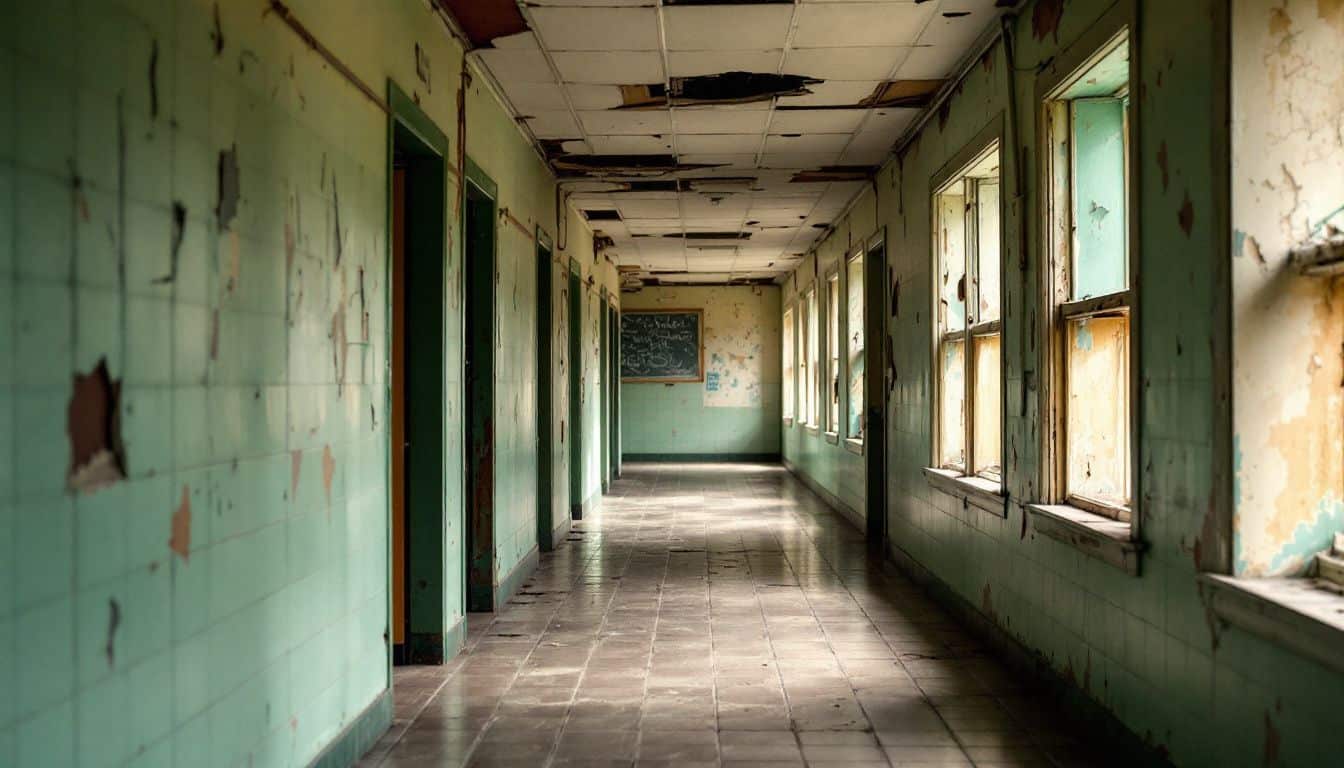
What Are Class 1 Carcinogens — And Why Asbestos in Schools Remains a Live Risk
Asbestos is not a relic safely confined to history. It is a confirmed class 1 carcinogen — the highest risk category assigned by the International Agency for Research on Cancer — and it remains physically embedded in thousands of UK school buildings right now. Understanding what are class 1 carcinogens, and why asbestos sits firmly in that category, is the foundation of every legally compliant, genuinely responsible approach to managing a real public health hazard.
What Are Class 1 Carcinogens? The Classification Explained
The International Agency for Research on Cancer classifies substances according to the strength of evidence linking them to cancer in humans. Group 1 — the class 1 carcinogens — is reserved for substances where that evidence is sufficient and beyond reasonable scientific doubt.
This is not a precautionary label applied to things that might be risky. It reflects decades of epidemiological research, clinical data, and occupational health studies carried out across multiple countries and industries.
Familiar class 1 carcinogens include tobacco smoke, ionising radiation, and certain industrial chemicals. Asbestos has occupied this category for decades, and all six commercially used forms are included:
- Chrysotile (white asbestos)
- Amosite (brown asbestos)
- Crocidolite (blue asbestos)
- Anthophyllite
- Tremolite
- Actinolite
There is no “safer” variety of asbestos. Every commercially used form carries the same classification, and that distinction matters enormously when managing buildings where people work and learn every day.
Why the Class 1 Classification Has Real-World Consequences
The class 1 designation is not merely a scientific label. It directly informs legal obligations, occupational health standards, and the duties placed on building owners and managers under UK law.
Under the Control of Asbestos Regulations, duty holders are required to manage asbestos precisely because it is a confirmed human carcinogen with no demonstrated safe lower threshold of exposure. In practical terms, no level of asbestos fibre inhalation has been shown to be entirely without risk.
That is what makes its continued presence in schools — environments occupied daily by children whose lungs are still developing — a matter requiring structured, professional management rather than passive assumption.
Asbestos in UK Schools: The Scale of the Problem
The majority of UK state school buildings constructed before 2000 contain some form of asbestos-containing material. This reflects the widespread use of asbestos throughout the post-war building boom, when it was valued for its fire resistance, thermal insulation properties, and low cost.
Common locations for asbestos-containing materials in school buildings include:
- Ceiling tiles and suspended ceiling systems
- Spray coatings on structural steelwork and concrete
- Pipe lagging and boiler room insulation
- Asbestos cement roof sheets and wall cladding panels
- Floor tiles and their adhesive compounds
- Partition boards and insulation boards around heating systems
- Textured decorative coatings on walls and ceilings
Many of these materials, when undisturbed and in good condition, do not pose an immediate risk. The danger arises when they are damaged, deteriorating, or disturbed during routine maintenance or refurbishment — releasing microscopic fibres into the air that occupants can inhale without any awareness it is happening.
A Legacy That Has Not Been Resolved
Blue and brown asbestos were banned from new use in the UK in 1984 following mounting evidence of their severe carcinogenic properties. White asbestos remained in use until 1999, when it too was prohibited.
However, banning new use did not remove materials already installed in existing buildings. Millions of square metres of asbestos-containing materials remain embedded in older school buildings across the country. This is an ongoing management challenge requiring active, documented, and legally compliant oversight — not a problem that resolved itself when the bans came into force.
Health Risks of Asbestos Exposure: What the Evidence Shows
Because asbestos is a class 1 carcinogen, its health effects are well-documented and severe. The diseases it causes are irreversible, often fatal, and characterised by a long latency period — symptoms may not appear until 20 to 50 years after the initial exposure occurred.
This delay is one of the most insidious aspects of asbestos-related disease. A child exposed in a poorly managed school building today may not develop symptoms until well into adulthood.
Mesothelioma
Mesothelioma is a cancer of the mesothelium — the thin membrane lining the lungs, chest cavity, and abdomen. It is almost exclusively caused by asbestos exposure and carries a very poor prognosis. There is currently no cure, and survival rates remain low despite advances in treatment.
The UK has one of the highest rates of mesothelioma in the world, a direct consequence of decades of widespread asbestos use across industry and construction.
Asbestos-Related Lung Cancer
Asbestos fibres lodged in lung tissue can trigger malignant changes over time. The risk is significantly elevated in individuals who have also smoked, as the two carcinogens appear to act synergistically — multiplying rather than simply adding to the overall cancer risk.
Lung cancer caused by asbestos is clinically indistinguishable from lung cancer caused by other factors, which can complicate diagnosis and delay appropriate attribution.
Asbestosis
Asbestosis is a chronic, progressive lung disease caused by the scarring of lung tissue following prolonged asbestos fibre inhalation. It causes breathlessness, persistent cough, and significantly reduced lung function. While not a cancer, asbestosis is a serious and debilitating condition that can be fatal in its advanced stages.
Pleural Diseases
Asbestos exposure can also cause pleural plaques, pleural thickening, and pleural effusion — conditions affecting the lining of the lungs. Pleural plaques are the most common asbestos-related condition and, while not cancerous themselves, indicate that significant exposure has occurred and increase the likelihood of more serious disease developing over time.
Short-Term Symptoms of Exposure
In the short term, exposure to disturbed asbestos may cause coughing, wheezing, throat irritation, and chest tightness. Eye and skin irritation can also occur if fibres make direct contact.
These immediate symptoms are not the primary concern. The long-term carcinogenic effects are what make asbestos genuinely dangerous, and they may manifest decades after the exposure event itself.
Who Is Most at Risk in School Environments?
The risk of asbestos-related disease is directly linked to the duration and intensity of exposure. In a school setting, the groups most at risk are not always the most obvious ones.
Maintenance and facilities staff face the highest occupational risk. Drilling, cutting, or disturbing asbestos-containing materials during routine repairs can release large quantities of fibres in a short period. Without proper identification of ACMs and appropriate precautions in place, workers may be exposed repeatedly over many years without realising it.
Teachers and classroom staff who spend years in rooms with deteriorating ceiling tiles or damaged insulation boards accumulate lower-level but sustained exposure. Given the long latency period of asbestos-related disease, this exposure may only manifest as illness decades after their time in the building.
Children are not typically at high immediate risk if ACMs are intact and properly managed. However, their developing respiratory systems may be more vulnerable to the effects of fibre inhalation, and their longer life expectancy means there is more time for latent disease to develop if exposure does occur. This is precisely why proactive management matters.
Legal Obligations for Schools Under UK Regulations
Managing asbestos in schools is not optional. It is a legal duty under the Control of Asbestos Regulations, which form the central instrument governing how asbestos-containing materials must be identified, recorded, and managed in non-domestic premises — a category that explicitly includes school buildings.
The Duty to Manage Asbestos
The duty to manage asbestos applies to anyone responsible for the maintenance or repair of non-domestic premises. Duty holders — typically the governing body, local authority, or academy trust — must:
- Take reasonable steps to identify the presence and condition of asbestos-containing materials
- Presume materials contain asbestos unless there is strong evidence to the contrary
- Prepare and implement a written asbestos management plan
- Ensure the plan is monitored, reviewed, and kept up to date
- Provide information on ACM locations to anyone who may disturb them during maintenance or repair work
The HSE’s guidance document HSG264 provides the technical framework for asbestos surveys and sets the standard against which survey quality is assessed. Schools commissioning surveys should ensure their chosen surveyor works to this standard as a minimum requirement.
Other Relevant Legislation
Beyond the Control of Asbestos Regulations, schools must also comply with the Health and Safety at Work etc. Act, which places a general duty of care on employers, and the Management of Health and Safety at Work Regulations, which require formal risk assessment processes.
Failure to comply can result in enforcement action, improvement notices, prohibition notices, and — in serious cases — prosecution of individuals as well as organisations.
A Practical Framework for Managing Asbestos in Schools
Knowing that asbestos is a class 1 carcinogen is the starting point. Acting on that knowledge requires a structured, documented approach that satisfies both legal requirements and the genuine duty of care owed to everyone in the building.
Step 1 — Commission a Professional Asbestos Survey
The first step is always a survey carried out by a UKAS-accredited surveyor working to HSG264 standards. For most school buildings in normal operation, an management survey is the appropriate starting point — this identifies the location, extent, and condition of asbestos-containing materials accessible under normal occupancy conditions.
If refurbishment or demolition work is planned, a more intrusive demolition survey is required before any work begins. This is a legal requirement, not a recommendation — work must not proceed until the full extent of ACMs in the affected area has been established.
Step 2 — Create and Maintain an Asbestos Register
Every asbestos-containing material identified during the survey must be recorded in an asbestos register. This document should detail the location, type, condition, and risk rating of each material.
It must be readily accessible and provided to any contractor or maintenance worker before they begin work anywhere in the building. Keeping this register current is an ongoing obligation, not a one-off task.
Step 3 — Develop a Written Asbestos Management Plan
The management plan sets out how identified ACMs will be monitored, controlled, and — where necessary — remediated. It should include inspection schedules, named responsibilities, emergency procedures, and training requirements for relevant staff.
This is a living document that must be reviewed regularly and updated whenever conditions change or new materials are identified.
Step 4 — Train All Relevant Staff
All staff who could encounter asbestos in the course of their work — including teachers, caretakers, cleaners, and visiting contractors — should receive appropriate asbestos awareness training.
This does not mean training them to work with asbestos. It means ensuring they can recognise the risk, avoid disturbing ACMs, and know the correct reporting procedure if they suspect a problem has arisen.
Step 5 — Plan Remediation Where Necessary
Where ACMs are in poor condition, deteriorating, or at high risk of disturbance, remediation may be required. This can range from encapsulation — sealing the material to prevent fibre release — through to full removal by a licensed contractor.
Removal is not always the right answer. Disturbing intact ACMs during removal can itself generate significant fibre release. The decision must be based on a professional risk assessment, not a blanket policy.
Asbestos Surveys Across the UK: Where Supernova Works
Supernova Asbestos Surveys operates nationwide, with specialist teams covering every region of the UK. Whether you manage a school in the capital or a multi-site academy trust in the north, professional surveying support is available.
If you need an asbestos survey London for a school or educational premises, our London team can mobilise quickly and work around school hours to minimise disruption. For educational buildings in the north-west, our team providing asbestos survey Manchester services covers the full Greater Manchester area and surrounding regions. Schools in the West Midlands can access the same standard of UKAS-accredited surveying through our asbestos survey Birmingham team.
Every survey we carry out is conducted to HSG264 standards, with full reporting, a detailed asbestos register, and clear guidance on next steps — giving duty holders exactly what they need to meet their legal obligations.
Frequently Asked Questions
What are class 1 carcinogens and why is asbestos in that category?
Class 1 carcinogens are substances classified by the International Agency for Research on Cancer as having sufficient evidence of causing cancer in humans. Asbestos is placed in this category because decades of research across multiple countries has conclusively demonstrated that inhaling asbestos fibres causes mesothelioma, lung cancer, and other serious diseases. All six commercially used forms of asbestos carry this classification.
Is asbestos in schools still a current risk, or is it a historical problem?
It remains a current risk. While asbestos was banned from new use in the UK in 1999, the ban did not remove materials already installed in existing buildings. The majority of UK state school buildings constructed before 2000 are likely to contain asbestos-containing materials. Until those materials are professionally surveyed, managed, and — where appropriate — removed, the risk remains active.
Who is legally responsible for managing asbestos in a school?
Under the Control of Asbestos Regulations, the duty to manage asbestos falls on whoever is responsible for the maintenance and repair of the building. In practice, this means the governing body, the local authority, or the academy trust, depending on the school’s status. This is a legal duty, and failure to comply can result in enforcement action or prosecution.
Do schools need an asbestos survey even if they think the building is safe?
Yes. The Control of Asbestos Regulations require duty holders to take reasonable steps to identify the presence and condition of asbestos-containing materials. Assuming a building is safe without evidence is not legally compliant. A professional survey carried out to HSG264 standards is the only reliable way to establish what materials are present, where they are, and what condition they are in.
What is the difference between a management survey and a demolition survey for a school?
A management survey is used to identify and assess asbestos-containing materials under normal occupancy conditions. It is the standard survey for a school building in everyday use. A demolition survey is a more intrusive inspection required before any refurbishment or demolition work begins — it must locate all ACMs in the area to be worked on, including those hidden behind walls, above ceilings, and beneath floors. Both survey types must be carried out by a UKAS-accredited surveyor working to HSG264 standards.
Get Professional Asbestos Surveying for Your School
Supernova Asbestos Surveys has completed over 50,000 surveys across the UK, working with schools, academy trusts, local authorities, and facilities managers to deliver legally compliant, HSG264-standard asbestos management.
If your school building was constructed before 2000 and you do not have a current, professionally produced asbestos register and management plan in place, you are carrying both a legal risk and a genuine duty of care risk. The right time to address that is before a problem occurs — not after.
Call our team on 020 4586 0680 or visit asbestos-surveys.org.uk to discuss your requirements and arrange a survey at a time that works around your school’s schedule.