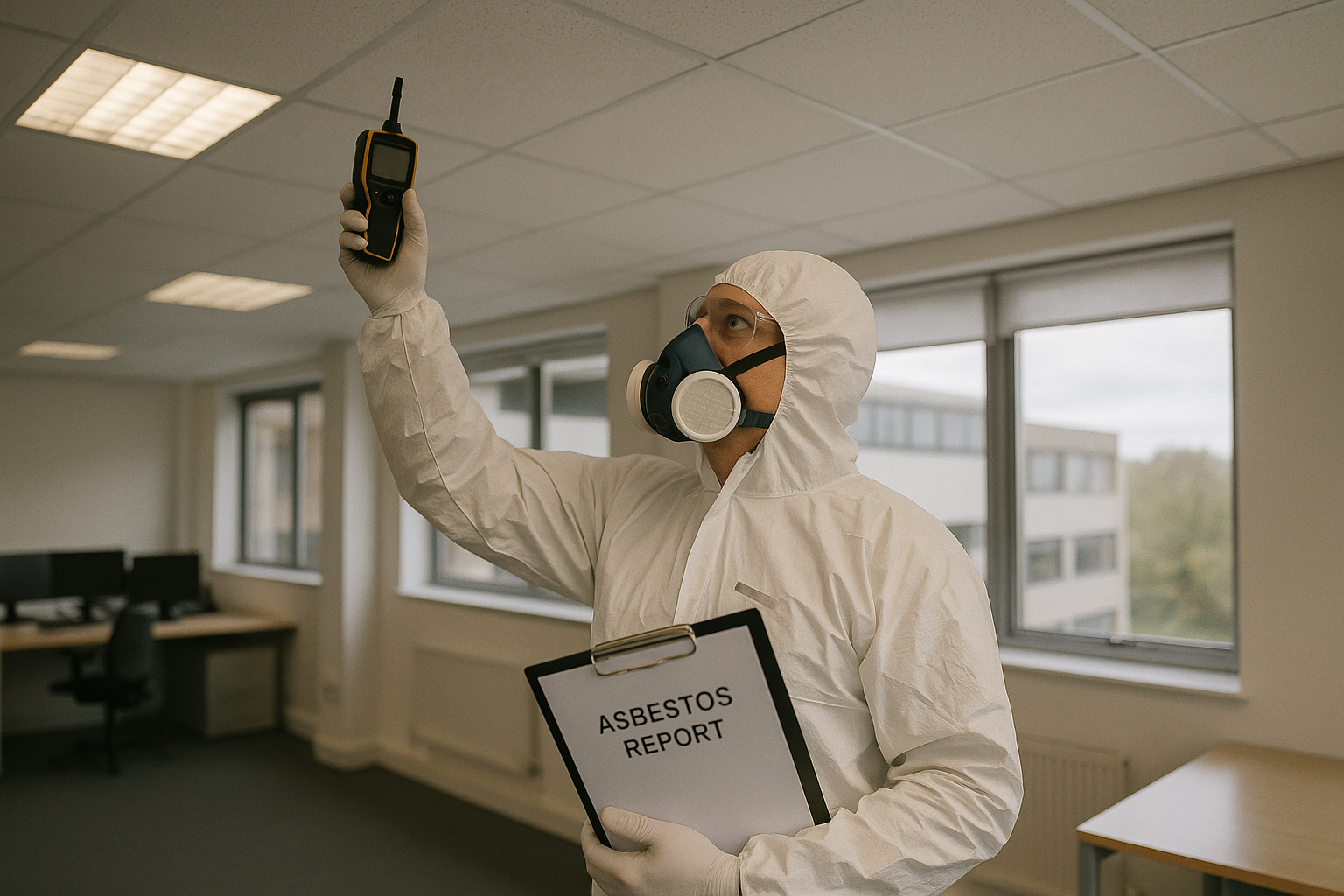
Buying, leasing, managing or altering an older property without a reliable asbestos report is asking for delay, cost and avoidable risk. If asbestos-containing materials are present, you need clear evidence of where they are, what condition they are in, how likely they are to be disturbed, and what action should happen next.
For property managers, landlords, agents and dutyholders, an asbestos report is not just paperwork for a file. It is the working document that supports compliance under the Control of Asbestos Regulations, follows HSG264, and helps you make safe decisions before maintenance, fit-out, refurbishment or demolition begins.
Why an asbestos report matters for property transactions and day-to-day management
When a property changes hands, asbestos information often becomes a due diligence issue very quickly. Buyers want to understand liability, lenders may ask questions, and contractors will need reliable asbestos information before any intrusive work starts.
A good asbestos report gives you practical answers, not vague reassurance. It helps you understand whether asbestos has been identified, whether further investigation is needed, and whether the building can be occupied or worked on safely under the current arrangements.
In non-domestic premises, the duty to manage asbestos depends on knowing what is present and controlling the risk. That applies to offices, schools, retail units, warehouses, factories, healthcare settings and many other commercial buildings.
Asbestos-containing materials may still be found in:
- Insulation board
- Pipe lagging
- Cement sheets and roof products
- Floor tiles and bitumen adhesives
- Textured coatings
- Gaskets, ropes and seals
- Ceiling tiles and panels
- Service risers and plant rooms
If these materials are damaged or disturbed, fibres can be released. That is why an asbestos report should never be treated as a box-ticking exercise during a sale, lease, acquisition or maintenance programme.
A useful asbestos report can help you:
- Identify suspected or confirmed asbestos-containing materials
- Understand the condition of each item
- Assess the likelihood of disturbance
- Plan remedial works or removal where needed
- Brief contractors before they start work
- Update the asbestos register and management plan
- Support due diligence during a transaction
What an asbestos report should include
If you are reviewing an asbestos report for a property transaction, do not stop at the headline finding. The value sits in the detail. A report should be clear enough for a property manager, contractor or buyer to act on it without guessing what the surveyor meant.
A well-prepared asbestos report should include the following sections.
1. Survey purpose and survey type
The report should clearly state whether it is based on a management, refurbishment or demolition survey. This matters because each survey type has a different purpose and level of intrusion.
If the survey type does not match the planned use of the property or the planned works, the asbestos report may not be suitable.
2. Property details and scope
The report should identify the address, building description, areas inspected and any assumptions made. It should also explain exactly what was included and what was excluded.
This is especially important where only part of a building has been surveyed. If a transaction involves multiple floors, outbuildings or plant areas, the asbestos report should make that obvious.
3. Access limitations and exclusions
No survey can inspect areas that are physically inaccessible or unsafe to enter. A good asbestos report will list those areas clearly and explain why they were not inspected.
If there are exclusions, treat them seriously. Hidden asbestos is often discovered later in areas that were locked, obstructed, occupied or otherwise inaccessible on the survey day.
4. Material locations
The report should describe the location of each suspect or confirmed asbestos-containing material in practical terms. Room references, floor levels, plant area descriptions and marked-up plans all help.
Contractors should be able to read the asbestos report and understand where the materials are without relying on guesswork.
5. Sample results
Where samples have been taken, the asbestos report should record the sample reference, material description, location and laboratory result. If no sample was taken, the report should explain whether the material was presumed to contain asbestos.
Where laboratory confirmation is needed separately, professional sample analysis should be used so the findings can be relied on.
6. Material assessment
The report should record the condition of each item and provide a material assessment in line with accepted guidance. This helps indicate how easily fibres could be released if the material is disturbed.
The assessment should support sensible management decisions, not create confusion.
7. Photographs and plans
Photographs are not mandatory in every case, but they are highly useful. Plans and images make an asbestos report easier to use for maintenance teams, contractors and buyers reviewing the file remotely.
8. Recommendations and next steps
The report should tell you what to do next. That may include management in situ, encapsulation, repair, removal, labelling, periodic reinspection or further investigation where access was limited.
If an asbestos report identifies risk but gives no practical recommendation, it is incomplete from a property management point of view.
Choosing the right survey so the asbestos report is actually useful
One of the biggest problems in practice is not poor reporting. It is ordering the wrong survey in the first place. A perfectly written asbestos report is still the wrong document if the survey type did not match the building use or planned works.
Management survey
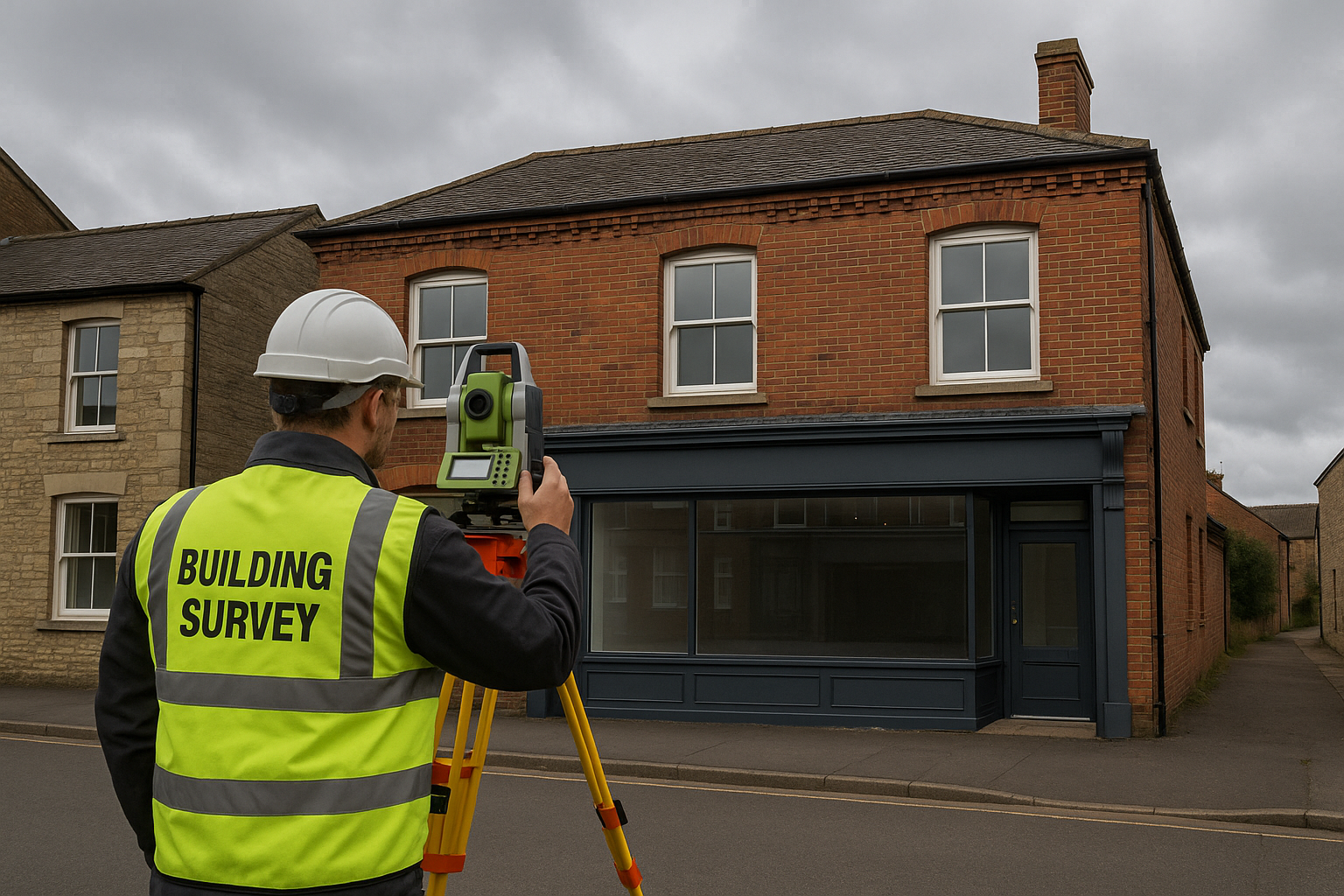
A management survey is the standard survey for an occupied building in normal use. Its purpose is to locate, as far as reasonably practicable, the presence and extent of asbestos-containing materials that could be damaged or disturbed during normal occupation, routine maintenance or foreseeable installation work.
This survey is usually semi-intrusive. The resulting asbestos report supports the asbestos register and management plan for ongoing occupation.
Refurbishment survey
A refurbishment survey is required before refurbishment, renovation or major maintenance that will disturb the fabric of the building. This type of asbestos report is more intrusive because the survey must inspect the areas affected by the planned works.
If walls are being opened, ceilings removed, kitchens replaced or services rerouted, a management survey is not enough.
Asbestos refurbishment survey
Where project teams use different terminology, it helps to be specific. An asbestos refurbishment survey is designed to identify asbestos in the exact areas that will be disturbed during refurbishment works, so those materials can be managed or removed before the main works begin.
That makes the asbestos report directly relevant to designers, principal contractors and trades on site.
Demolition survey
A demolition survey is needed before a building, or part of it, is demolished. It is fully intrusive and aims to locate asbestos-containing materials throughout the structure, including hidden areas.
The asbestos report from a demolition survey is used to plan removal and ensure asbestos issues are addressed before demolition proceeds.
When planned works make an asbestos report critical
Refurbishment and fit-out projects are where asbestos failures often happen. A contractor starts opening up ceilings, chasing walls or lifting flooring, then asbestos is uncovered in an area nobody checked properly.
That usually leads to work stopping, emergency testing, programme delays and difficult conversations about who should have arranged the right survey earlier.
If works will disturb the building fabric, the asbestos report must come from the correct intrusive survey before the project starts. Leave it too late and the whole job becomes reactive.
Typical works that often require a refurbishment asbestos report include:
- Office fit-outs
- CAT A and CAT B alterations
- Kitchen and toilet replacements
- Electrical rewires and data cabling
- Heating, ventilation and air conditioning upgrades
- Roofing works
- Ceiling and partition removal
- Window replacement
- Plant room upgrades
- Fire stopping works and service penetrations
Practical steps before you book the survey:
- Define the exact scope of works.
- Provide drawings, specifications and access details.
- Tell the surveyor which rooms, voids, risers and service routes will be affected.
- Check the exclusions before the visit takes place.
- Make sure the final asbestos report is issued to everyone pricing, designing or delivering the work.
How to arrange an asbestos report properly
If you are responsible for a non-domestic property, arranging asbestos information should be a planned compliance task. The process is straightforward when the brief is clear and the surveyor has the right information from the start.
When to arrange a survey
You should arrange a survey when:
- You take control of a building and there is no reliable asbestos report
- The existing asbestos report is out of date, unclear or too limited in scope
- You are planning refurbishment or structural alteration
- You are preparing for demolition
- Contractors need asbestos information before intrusive work
- Suspect materials have been damaged
What to prepare before booking
To get a usable asbestos report, provide as much practical information as possible. That reduces the risk of key areas being missed and helps the surveyor scope the work correctly.
Useful information includes:
- Building address and use
- Approximate age of the property
- Number of floors and areas to inspect
- Access arrangements and site contacts
- Any existing asbestos information
- Planned works and programme dates
- Security requirements or permit needs
Choosing a competent provider
Look for a provider that works in line with HSG264, uses competent surveyors and relies on accredited laboratory analysis. The asbestos report should be practical, readable and suitable for real property decisions.
Before instructing anyone, ask to see sample reports, clarify turnaround times and check how inaccessible areas are recorded. If the provider cannot explain how the asbestos report will help you manage risk on site, keep looking.
What happens during the survey and after the asbestos report is issued
A professional survey is systematic. It is not a quick visual walk-through. The level of inspection depends on the survey type, but the process usually includes inspection, sampling where appropriate, laboratory analysis, material assessment and a written asbestos report.
Before the visit
You should receive confirmation of the survey scope, access requirements and expected level of intrusion. For more intrusive surveys, some areas may need to be vacated and services isolated.
During the inspection
The surveyor will inspect the agreed areas, identify suspect materials and take samples where needed. Depending on the scope, they may access risers, ceiling voids, service ducts, floor voids and plant rooms.
For refurbishment and demolition work, opening up parts of the building fabric is normal. That is often the only way to produce an asbestos report that reflects the real risks in hidden areas.
After sampling
Samples are analysed to confirm whether asbestos is present. The findings are then compiled into the asbestos report, along with locations, assessments, photographs where used, and recommendations.
Once issued, the report should not sit unread in a shared drive. It should be reviewed, logged and acted on.
The scope of intrusive surveys and why many asbestos reports fail in practice
The most common weakness in an asbestos report is not always the writing. It is often the scope. If the survey did not cover all the areas that will actually be disturbed, the report may create false confidence.
An intrusive survey may need to inspect:
- Ceiling voids
- Floor voids
- Boxing and risers
- Wall cavities
- Ducts and trunking routes
- Plant enclosures
- Under fixed floor finishes
- Behind panels, bath fronts or kitchen units
If the project later expands beyond the original brief, the asbestos report may no longer be sufficient. Further investigation may be needed before work continues.
To avoid scope problems:
- Review design and strip-out plans before instructing the survey.
- Tell the surveyor exactly what is being removed, altered or penetrated.
- Include temporary works and service diversions if they affect the fabric.
- Check whether any areas were inaccessible on the day.
- Arrange additional investigation before contractors start if exclusions remain.
In occupied buildings, intrusive work may need to be phased around operations. That is common in schools, hospitals, offices and retail premises. The key point is simple: the asbestos report must cover the whole work area before the works begin.
How to use an asbestos report once you have it
An asbestos report only adds value if the findings are used properly. Too many reports are filed away until a contractor asks for asbestos information at the last minute.
Update the asbestos register
The report should feed directly into the asbestos register. That register should record the location, extent and condition of identified or presumed asbestos-containing materials.
It should also be available to those who need it, including maintenance teams, contractors and anyone planning work that could disturb the fabric.
Support the asbestos management plan
Where asbestos remains in place, the asbestos report should support the management plan. That plan should set out responsibilities, control measures, reinspection arrangements and how information will be communicated.
Plan remedial work
If the report identifies damaged materials or materials likely to be disturbed, remedial action may be needed. That could mean repair, encapsulation, enclosure, monitoring or removal depending on the circumstances.
The right action depends on the material, its condition, its location and the likelihood of disturbance.
Brief contractors properly
Before maintenance, installation or refurbishment starts, relevant asbestos information should be issued to the people doing the work. Handing over a large PDF without explanation is not enough.
Flag the relevant locations, explain any restrictions, and make sure exclusions are understood. A clear asbestos report helps, but communication on site still matters.
What buyers, sellers and managing agents should check in a property transaction
During a transaction, asbestos information is often reviewed quickly and sometimes by people who are not specialists. That is where weak reporting can slip through.
If you are reviewing an asbestos report as part of due diligence, check the following:
- Is the survey type suitable for the property’s current use or planned works?
- Does the report cover the whole property or only part of it?
- Are there inaccessible areas or exclusions?
- Are suspect materials presumed or laboratory confirmed?
- Are recommendations clear and actionable?
- Does the report support an up-to-date asbestos register and management plan?
If the property is being acquired for redevelopment, the existing asbestos report may not be enough. A management survey does not replace a refurbishment or demolition survey where intrusive works are planned.
If you manage sites across different regions, local support can also help with access and turnaround. Supernova provides services including asbestos survey London, asbestos survey Manchester and asbestos survey Birmingham.
Common mistakes that make an asbestos report less useful
Even where a survey has been carried out, the asbestos report can still fall short if basic issues are missed. These are the problems seen most often:
- Ordering a management survey when refurbishment is planned
- Failing to define the work area properly
- Ignoring exclusions and inaccessible areas
- Not sharing the report with contractors
- Leaving the asbestos register out of date
- Assuming an old report still reflects the current building layout
- Not arranging further investigation after damage or change of use
The practical fix is usually simple. Match the survey to the task, check the scope carefully, and use the asbestos report as a live working document rather than archived paperwork.
Need a reliable asbestos report? Speak to Supernova
If you need an asbestos report for a property transaction, ongoing compliance, planned refurbishment or demolition, Supernova Asbestos Surveys can help. We carry out surveys nationwide for commercial properties, public buildings and residential blocks, with clear reporting that supports real decisions on site.
Whether you need a management survey, refurbishment survey or demolition survey, our team can advise on the right scope and provide practical, usable documentation. Call 020 4586 0680 or visit asbestos-surveys.org.uk to book a survey or discuss your property.
Frequently Asked Questions
What is the purpose of an asbestos report?
An asbestos report records the findings of an asbestos survey, including the location, condition and assessment of suspect or confirmed asbestos-containing materials. It helps dutyholders, buyers, landlords and contractors manage risk and plan the next steps safely.
Is an asbestos report required for a property transaction?
It is often a key due diligence document, especially for older commercial properties. While the exact requirement depends on the property and intended use, a reliable asbestos report can identify liability, support compliance and avoid delays once maintenance or refurbishment is planned.
What is the difference between a management survey and a refurbishment survey?
A management survey is for occupied buildings in normal use and helps manage asbestos during routine occupation and maintenance. A refurbishment survey is needed before works that will disturb the building fabric and is more intrusive because it focuses on the work area.
How long is an asbestos report valid for?
There is no fixed expiry date, but an asbestos report should remain suitable for the building’s current condition and use. If the property changes, materials are damaged, access limitations are resolved or new works are planned, further surveying may be needed.
What should I do if an asbestos report shows asbestos is present?
Do not assume removal is always required. The right response may be to manage the material in place, repair it, encapsulate it, monitor it or remove it, depending on its condition and the likelihood of disturbance. The report should guide those next steps.