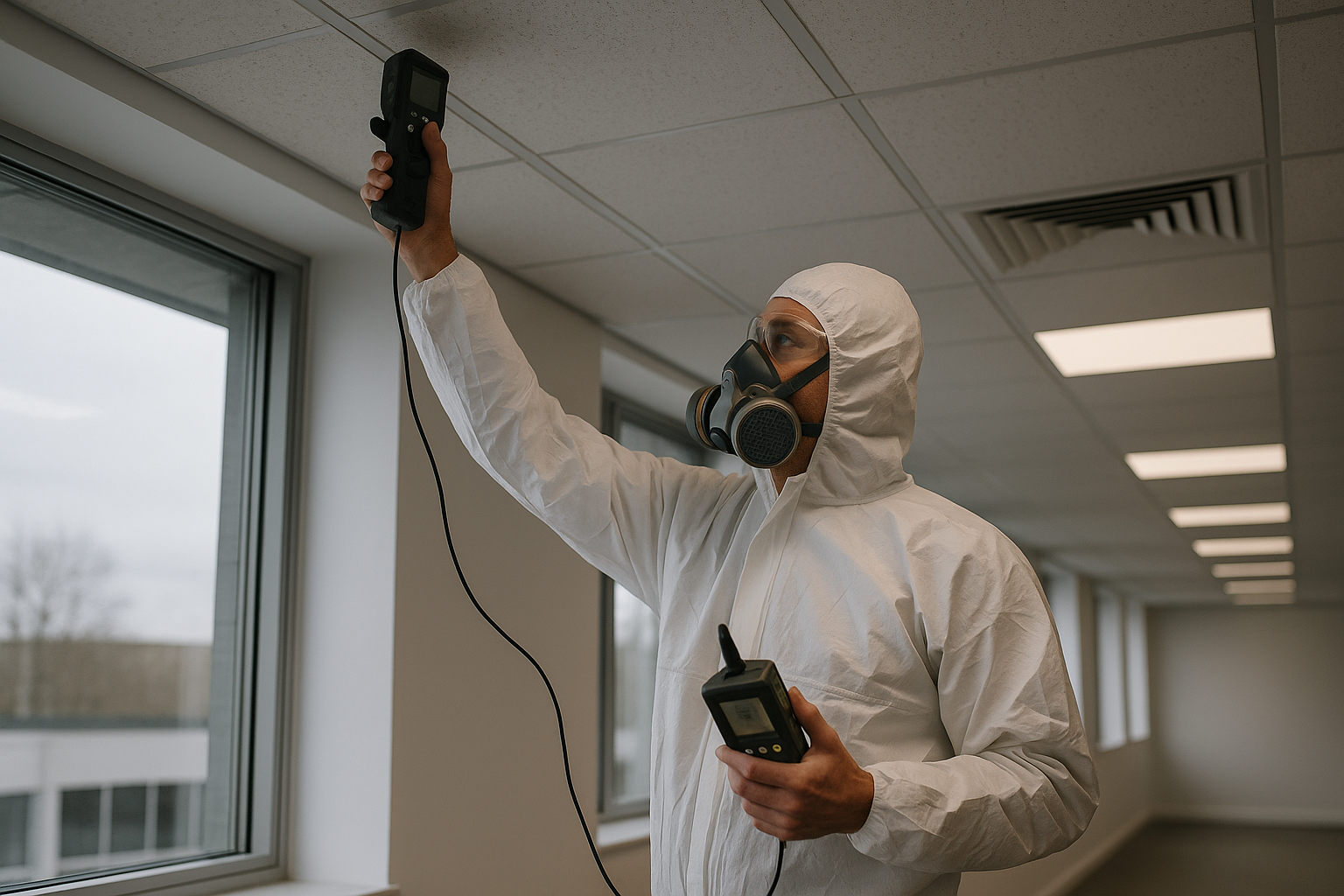
Does Asbestos Decrease House Value? What UK Property Owners Need to Know
Hearing the word “asbestos” mid-sale can send a chill through everyone involved. Buyers worry about health risks, sellers worry about price drops, and estate agents worry about the whole chain collapsing. So, does asbestos decrease house value? The honest answer is: sometimes — but not automatically, and rarely by as much as people fear.
The real effect on value comes down to four things: risk, condition, documentation, and cost. A property with stable asbestos-containing materials that have been identified and properly managed sits in a very different position to one with damaged insulation board, no records, and a cloud of uncertainty hanging over the transaction.
At Supernova Asbestos Surveys, we have completed more than 50,000 surveys across the UK. That experience reveals the same pattern time and again: asbestos is rarely the whole story. What matters is whether the issue is understood, recorded, and dealt with properly under the Control of Asbestos Regulations and the survey standards set out in HSG264.
Does Asbestos Decrease House Value? The Honest Answer
Valuers do not typically slash a figure simply because asbestos exists somewhere in a building. They look at whether the material creates a likely future cost, a practical obstacle, or a genuine safety concern. If it does, value can be affected. If it is low-risk and well managed, the impact may be minimal.
When Asbestos Is Less Likely to Affect Value
- Asbestos-containing materials are in good, undamaged condition
- The material is sealed, encapsulated, or otherwise unlikely to release fibres
- Its location means it will not be disturbed during normal occupation
- Clear documentation exists showing what is present and where
- A current asbestos register or survey report is available for inspection
When Asbestos Is More Likely to Reduce Value
- The material is damaged, friable, or visibly deteriorating
- There is no survey, register, or management information available
- Renovation works are planned and removal will likely be required
- The buyer’s lender or insurer raises concerns during the process
- Asbestos creates uncertainty at a critical point in conveyancing
In simple terms, asbestos tends to reduce value when it increases cost or uncertainty. Property markets dislike unknowns, and buyers negotiate hardest when they think they may be inheriting a problem they cannot yet price.
Why Asbestos Is So Common in British Housing Stock
Any property built or refurbished before 2000 may contain asbestos. That covers an enormous proportion of homes across the UK — from Victorian conversions and post-war semis to late twentieth-century flats and commercial units. Asbestos was widely used because it was durable, heat-resistant, and inexpensive.
It can still be found in many buildings today, in materials such as:
- Textured coatings such as Artex on ceilings and walls
- Ceiling tiles and floor tiles
- Bitumen adhesive beneath vinyl flooring
- Asbestos cement roof sheets and garage roofs
- Soffits, fascias, and rainwater goods
- Partition walls and asbestos insulating board
- Pipe lagging and boiler cupboard linings
- Service risers in flats and commercial premises
The presence of asbestos is not unusual. It is not, by itself, evidence that a property is unsafe or unsellable. The key question is whether the material is likely to release fibres, and whether it is being managed correctly.
This is where commissioning a professional management survey can make a major difference — it gives owners and buyers a clear picture of what is present and whether any action is needed.
What Valuers and Surveyors Actually Look At
When asking does asbestos decrease house value, it helps to understand how a valuer actually approaches the issue. They are not making a medical judgement. They are assessing condition, risk, marketability, and likely expenditure.
In practice, they typically focus on five areas:
1. Material Type
Higher-risk materials such as pipe lagging or sprayed coatings are treated more seriously than lower-risk asbestos cement sheets or intact floor tiles. The type of asbestos and its friability matter significantly.
2. Condition
Undamaged materials in sound condition are far less concerning than cracked, broken, or deteriorating ones. A valuer will want to know whether the material could realistically release fibres in its current state.
3. Accessibility
Asbestos hidden in a sealed, undisturbed void is treated very differently from asbestos in an area likely to be drilled, sanded, or cut during normal maintenance or renovation.
4. Management
If the owner holds survey reports, reinspection records, and has a sensible management plan in place, the issue becomes much easier to assess and price with confidence.
5. Cost to Remedy
If removal, encapsulation, or further investigation is likely to be required, the valuer may reflect that anticipated expenditure in the figure they assign to the property. That is why paperwork matters so much — a documented issue is always easier to price than an unknown one.
When there are no records, buyers and valuers tend to assume the worst — and negotiate accordingly.
The Perception Gap: Why Buyers React More Strongly Than the Risk Often Justifies
One reason “does asbestos decrease house value” is searched so frequently is straightforward: people hear the word and imagine immediate danger. In reality, asbestos is most hazardous when fibres are released into the air through damage or disturbance. Intact materials in good condition are often safely managed in place — and that is entirely consistent with HSE guidance and the Control of Asbestos Regulations.
For sellers, this creates a practical lesson. If buyers are likely to overreact to uncertainty, the best response is not vague reassurance — it is evidence. Useful documents to have ready include:
- A professional asbestos survey report
- Material condition assessments where relevant
- An asbestos register for applicable properties
- Records of any reinspection visits
- Certificates or waste transfer notes for previous remedial works
Transparency helps buyers make a rational decision. It also reduces the risk of last-minute renegotiation once their surveyor flags possible asbestos-containing materials.
When Asbestos Has the Greatest Impact on Sale Price
Not every asbestos finding changes a sale price. Some do, and usually for predictable reasons.
Planned Refurbishment or Extension
If a buyer intends to knock through walls, replace ceilings, rewire extensively, or renovate a kitchen or bathroom, asbestos becomes significantly more relevant. Materials that were safe during normal occupation may need to be removed before works begin.
In that situation, a refurbishment survey is the appropriate next step. It is more intrusive than a management survey and is specifically designed to identify asbestos that could be disturbed during planned works.
Damage or Poor Condition
Asbestos insulating board with broken edges, damaged lagging, or debris in a service area creates a genuine concern. Buyers will rightly ask what remedial action is needed and what it is likely to cost.
No Documentation
A seller who says “there might be asbestos somewhere” but cannot produce any evidence creates uncertainty. Uncertainty almost always leads to reduced offers, because the buyer has to price in investigation, potential delay, and possible removal.
Specialist Lending or Insurance Concerns
Some lenders and insurers are comfortable with managed asbestos. Others may want more detail, particularly where the material is damaged or the building is unusual in construction. Getting ahead of these questions early prevents them derailing a sale later.
Commercial or Mixed-Use Property
For landlords, offices, shops, and mixed-use premises, asbestos management obligations are more formal. If compliance is weak, the effect on value can be more pronounced — because the buyer is inheriting a legal management problem as well as a building issue.
Seller Obligations and Disclosure
Residential sellers are not generally required to commission an asbestos survey before marketing a home. But if you know asbestos is present, you must answer enquiries honestly. Attempting to sidestep the issue can create far bigger problems later.
If previous reports, contractor notes, or old removal records exist, assume they may surface during conveyancing. For landlords and non-domestic duty holders, the position is stricter. The duty to manage asbestos under the Control of Asbestos Regulations requires risks to be identified and managed appropriately in non-domestic premises and the common parts of certain multi-occupied buildings.
Practical steps for sellers:
- Gather any past asbestos paperwork before listing the property
- Check whether earlier survey recommendations were ever completed
- Do not guess when asked about hazardous materials
- If in doubt, commission a survey before the buyer does
- Share documentation early to avoid delays in conveyancing
That last point matters more than sellers often realise. Many sales become difficult not because asbestos is severe, but because the issue emerges late and nobody has reliable information to hand.
Management Versus Removal: Which Protects Value Better?
Owners often assume removal is always the best way to preserve price. It is not. Sometimes management in place is more sensible, more proportionate, and more cost-effective.
When Management in Place Makes Sense
If asbestos-containing materials are low-risk, in good condition, and unlikely to be disturbed, management in place is often the right option. This may apply to cement sheets, floor tiles, textured coatings, or other stable materials that can be monitored.
In these cases, removal can add cost and disruption without creating much additional value. Buyers, valuers, and lenders are often satisfied when materials have been properly identified and are being monitored under a sensible management plan.
When Removal May Make Commercial Sense
Removal is more likely to be worthwhile when:
- The material is damaged or actively deteriorating
- Works are planned that will disturb it
- The buyer pool is particularly risk-averse
- The property is high value and any delay is expensive
- Lenders or insurers are likely to require remediation
If asbestos removal is the right route, use a competent, licensed contractor and retain every piece of paperwork. Proper removal records can reassure future buyers and strengthen the sale file considerably.
Before any demolition or full strip-out, a demolition survey is typically required so that all asbestos likely to be disturbed can be identified before works begin. This is a legal requirement in most demolition scenarios and protects everyone involved.
How Asbestos Can Affect Mortgages and Insurance
Asbestos does not always stop lending or insurance, but it can complicate both — and this is another reason people ask does asbestos decrease house value even when the asking price has not yet changed.
Mortgage Lending
Lenders want confidence that a property represents acceptable security. Managed asbestos in a residential property is often not a deal-breaker. Damaged, high-risk, or unassessed materials are more likely to trigger additional requirements.
A lender may ask for:
- A copy of the asbestos survey report
- Confirmation of material condition
- A remediation plan if the material is damaged
- Evidence that any recommended works have been completed
If you know asbestos is present, speak to your mortgage broker early. It is far easier to address lender questions at the outset than after a valuation report has already raised concerns.
Buildings Insurance
Insurers may want to know whether asbestos is present, particularly in commercial buildings or properties undergoing significant works. Premiums, exclusions, or policy conditions can all depend on material type, condition, and how the asbestos is being managed. Again, documentation is your best defence against unhelpful assumptions.
Does Location Affect How Asbestos Impacts Property Value?
The short answer is yes — but not because asbestos behaves differently in different cities. It is because local market conditions, buyer expectations, and the competitiveness of the market all influence how much weight buyers place on any given issue.
In high-demand urban markets, buyers may be more willing to proceed with a managed asbestos situation because competition for properties is fierce. In slower markets, the same issue might give buyers more leverage to negotiate a reduction or request remediation before exchange.
If you are dealing with an asbestos question as part of a property transaction in a major city, local expertise matters. Our team carries out asbestos survey London work across the capital, and we also cover major regional markets including asbestos survey Manchester and asbestos survey Birmingham — with surveyors who understand local property types and the specific construction methods common in each area.
Practical Steps to Protect Your Property’s Value
Whether you are buying, selling, or simply managing a property long-term, the approach is the same: get ahead of the issue rather than waiting for it to surface at the worst possible moment.
- Commission a survey before you need one. If your property was built before 2000 and you have no asbestos records, a management survey is a sensible starting point. It costs far less than a last-minute price reduction.
- Keep your documentation in order. Survey reports, reinspection records, and any remediation certificates should be stored safely and made available to buyers, their solicitors, and their surveyors on request.
- Be transparent from the outset. Sellers who volunteer information and provide evidence tend to have smoother transactions than those who wait to be asked.
- Take professional advice on management versus removal. Do not assume removal is always better. A qualified surveyor can help you weigh the costs and benefits for your specific situation.
- Plan ahead for renovation work. If you or a future buyer intends to carry out significant works, a refurbishment or demolition survey will be needed before those works start. Factor this into your planning and timescales.
Frequently Asked Questions
Does asbestos always decrease house value?
No. Asbestos does not automatically reduce a property’s value. The impact depends on the type of material, its condition, whether it has been professionally surveyed, and whether documentation is available. Well-managed asbestos in good condition, supported by a current survey report, often has minimal effect on sale price. It is unmanaged, damaged, or undocumented asbestos that tends to cause the most significant price reductions.
Do I have to tell buyers if my property contains asbestos?
If you are aware that asbestos is present, you must answer pre-contract enquiries honestly. Deliberately concealing a known issue can have serious legal consequences. For non-domestic properties and the common parts of certain residential buildings, there are also formal management obligations under the Control of Asbestos Regulations that must be complied with regardless of any sale.
Can I get a mortgage on a house with asbestos?
In many cases, yes. Lenders assess the type, condition, and management of the asbestos rather than simply its presence. A property with a current survey report and well-managed, stable asbestos-containing materials is often mortgageable without issue. Damaged or high-risk materials may require a remediation plan before a lender will proceed. Speaking to your broker early is always advisable.
Should I remove asbestos before selling my property?
Not necessarily. Removal adds cost and is not always the most proportionate response. If the materials are in good condition and low-risk, management in place — supported by a professional survey — may be sufficient to satisfy buyers and their lenders. Removal is more likely to make commercial sense where materials are damaged, where significant renovation is planned, or where the buyer pool is particularly risk-averse.
What type of asbestos survey do I need before selling?
For most residential sales, a management survey is the appropriate starting point. It identifies asbestos-containing materials, assesses their condition, and provides the documentation buyers and their solicitors typically want to see. If the buyer or new owner intends to carry out significant refurbishment or demolition works, a refurbishment or demolition survey will also be required before those works begin.
Get Expert Advice From Supernova Asbestos Surveys
If asbestos is affecting — or could affect — the value of your property, the worst thing you can do is leave it unaddressed. An accurate, professionally prepared survey report is the single most effective tool for managing buyer concerns, satisfying lenders, and protecting the price you have worked to achieve.
Supernova Asbestos Surveys has completed more than 50,000 surveys across the UK. Our UKAS-accredited team operates nationwide and can advise you on the right type of survey for your situation — whether that is a management survey ahead of a sale, a refurbishment survey before planned works, or a demolition survey for a full strip-out.
Call us on 020 4586 0680 or visit asbestos-surveys.org.uk to request a quote or speak to a member of our team. We will give you a straight answer and a clear plan — no unnecessary alarm, no vague reassurances, just expert guidance based on what is actually in your building.