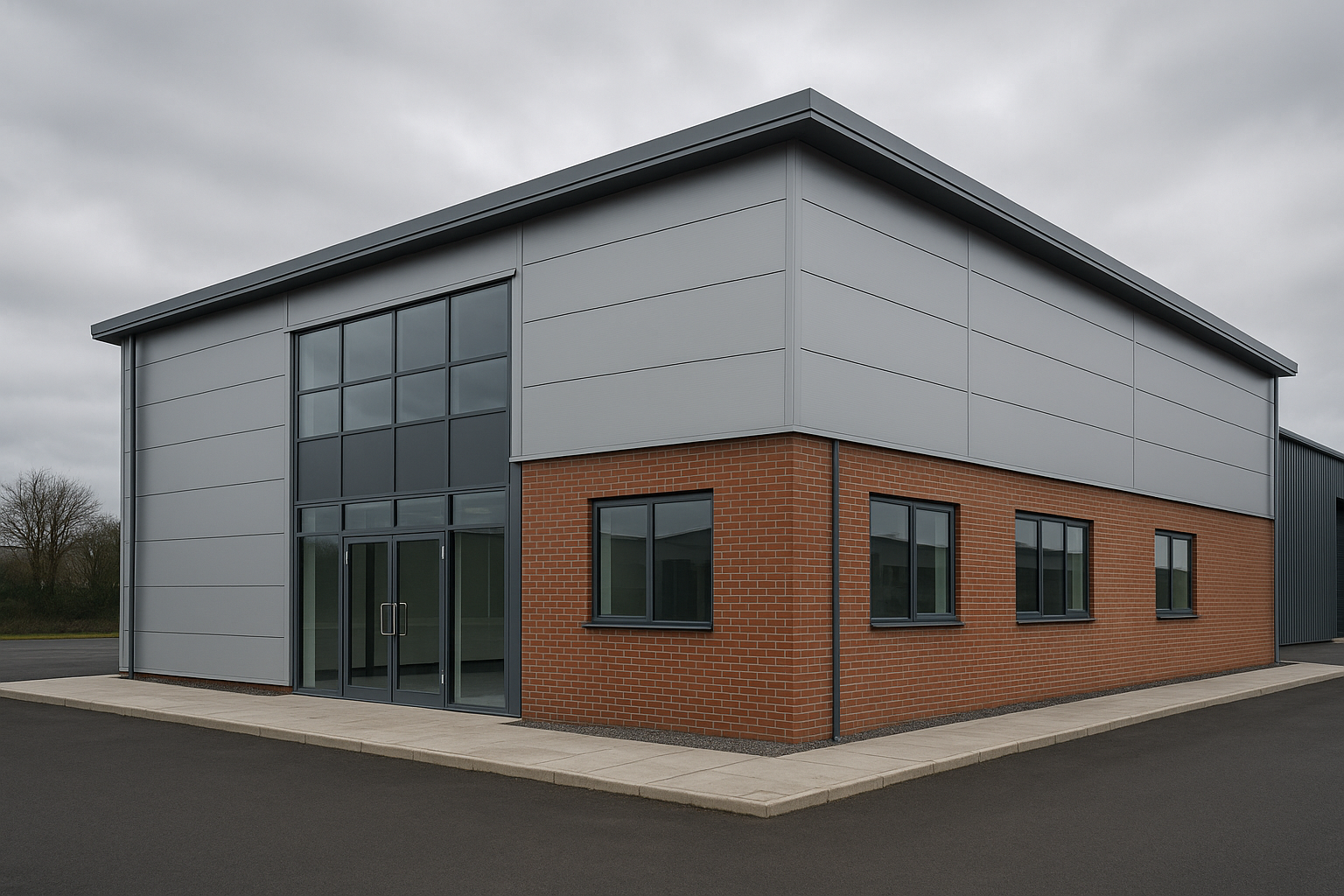
Commercial Asbestos Removal: What It Really Costs and Why It’s Different From Domestic Work
When asbestos turns up in a shop, office, warehouse or mixed-use block, the question is rarely just whether it needs attention. The real issue is what commercial asbestos removal will involve, how much disruption it will cause, and why the cost can look very different from work carried out in a house or flat. For property managers, landlords and dutyholders, that difference comes down to risk, regulation and logistics — and understanding it properly can save you a significant amount of money and trouble.
Commercial premises typically demand tighter controls, more detailed planning, specialist access arrangements and clear evidence that an area is safe before it can be reoccupied. A like-for-like comparison with domestic work usually falls apart once you look at the detail. Here is what you need to know.
Why Commercial Asbestos Removal Usually Costs More Than Residential Work
The short answer is yes: commercial work is almost always more expensive than residential work. Not because contractors charge differently for the sake of it, but because the site conditions and legal duties are more demanding.
In non-domestic premises, asbestos is directly tied to the duty to manage under the Control of Asbestos Regulations. The person responsible for the building must know where asbestos-containing materials are located, assess their condition and ensure nobody is exposed to fibres during normal use, maintenance or building work.
Once removal becomes necessary, commercial sites often involve:
- Larger areas of asbestos-containing materials across multiple floors or zones
- More complex layouts, including ceiling voids, risers, plant rooms and service ducts
- Occupied buildings that must remain operational during the works
- Higher-risk materials such as insulation board, lagging or sprayed coatings
- Stricter segregation, cleaning and clearance requirements
- More administration, including plans of work, waste paperwork and independent analyst involvement
Residential jobs can still be complex, particularly where high-risk materials are present. But many domestic projects are smaller, easier to isolate and less disruptive to programme. The commercial environment adds layers of obligation at almost every stage.
The Main Factors That Drive the Price of Commercial Asbestos Removal
No two commercial projects are priced identically. A small removal job in an empty retail unit is a very different proposition from stripping asbestos insulation board from a live office floor or removing pipe lagging from a hospital plant room. These are the main cost drivers you should understand before you budget.
1. The Type of Asbestos-Containing Material
Material type matters because some products release fibres far more easily when disturbed. The more friable the material, the more controls are required — and the higher the cost.
Higher-risk materials that typically require a licensed contractor include:
- Pipe lagging and thermal insulation
- Sprayed coatings on structural steelwork or ceilings
- Loose fill insulation
- Asbestos insulating board (AIB)
Lower-risk materials may include:
- Asbestos cement sheets and panels
- Vinyl floor tiles
- Bitumen-based products
- Textured coatings, depending on the task and condition
Higher-risk materials require a licensed contractor, full enclosure, negative pressure equipment and formal four-stage clearance procedures. That pushes costs up quickly and significantly.
2. The Volume of Asbestos Present
Volume directly affects labour, containment, waste handling and time on site. A handful of AIB panels in a storeroom may be manageable within a short programme. Several floors of ceiling tiles, column casings or service risers are an entirely different proposition.
Commercial buildings also tend to have repeated materials across multiple areas. If the same asbestos product is present in every riser cupboard or plant enclosure, the total scope grows fast — and so does the cost.
3. Accessibility and Working Conditions
Easy access keeps costs down. Difficult access increases time, equipment requirements and risk. Commercial asbestos removal becomes significantly more expensive where materials are:
- Above suspended ceilings or inside ducts and risers
- At height or in confined spaces
- In basements or below-ground plant areas
- Close to live services or sensitive equipment
- In areas with restricted working hours or limited entry points
A straightforward removal in a vacant room may need little more than local isolation and careful waste transfer. A project in a city-centre office may require out-of-hours access, floor protection, security coordination and controlled waste routes through common parts.
4. Occupation and Business Continuity
One of the biggest differences between commercial and domestic work is the need to keep the building functioning. Shops need customers, offices need staff access, warehouses need deliveries, and schools or healthcare settings need careful phasing around operational requirements.
That can add cost through:
- Night or weekend working
- Phased programmes to avoid operational disruption
- Temporary partitions and additional segregation
- Extra cleaning and reassurance monitoring
- More supervision and communication with building users
If the work must be done in short windows to avoid interrupting operations, labour costs will rise accordingly.
5. Air Testing and Clearance Procedures
For licensed work, independent analytical support is a standard and non-negotiable part of the process. This can include background testing before works begin, leak testing during the removal, reassurance air monitoring and the four-stage clearance procedure before the area is handed back for normal use.
This is not an optional extra — it is a key part of demonstrating that the area is safe to reoccupy. Analyst fees are often quoted separately, so make sure you clarify this when comparing contractor proposals.
6. Waste Disposal
Asbestos waste must be packaged, labelled, transported and disposed of correctly as hazardous waste. Commercial jobs often generate more waste and may require more careful movement through the building to avoid cross-contamination.
The final bill can include:
- Double bagging or wrapping of waste materials
- Locked skips or enclosed waste transport
- Consignment documentation and duty of care records
- Haulage to a licensed disposal facility
- Disposal charges by weight or load
The Legal Framework Behind Commercial Asbestos Removal
Cost and compliance are closely linked. If you are responsible for a non-domestic building, you cannot treat asbestos as a routine maintenance issue. The Control of Asbestos Regulations sets out the legal duties for dutyholders in commercial premises, requiring them to identify asbestos, assess risk and prevent exposure.
Surveying and removal work should also follow recognised guidance, including HSG264 for asbestos surveys and the wider body of HSE guidance on asbestos management, licensed work and safe working methods.
In practice, this means you should expect the following before removal starts:
- A suitable survey to identify asbestos-containing materials and establish what work is needed
- A clear scope of works based on building use, material type and condition
- A plan of work from the contractor explaining how removal will be carried out safely
- Proper segregation and controls to protect workers, occupants and visitors
- Correct waste handling and documentation throughout
- Clearance and reoccupation procedures where required by the nature of the work
Skipping any of these steps can turn an apparent saving into a much larger cost through delays, enforcement action, remedial cleaning and reputational damage.
Survey First, Remove Second
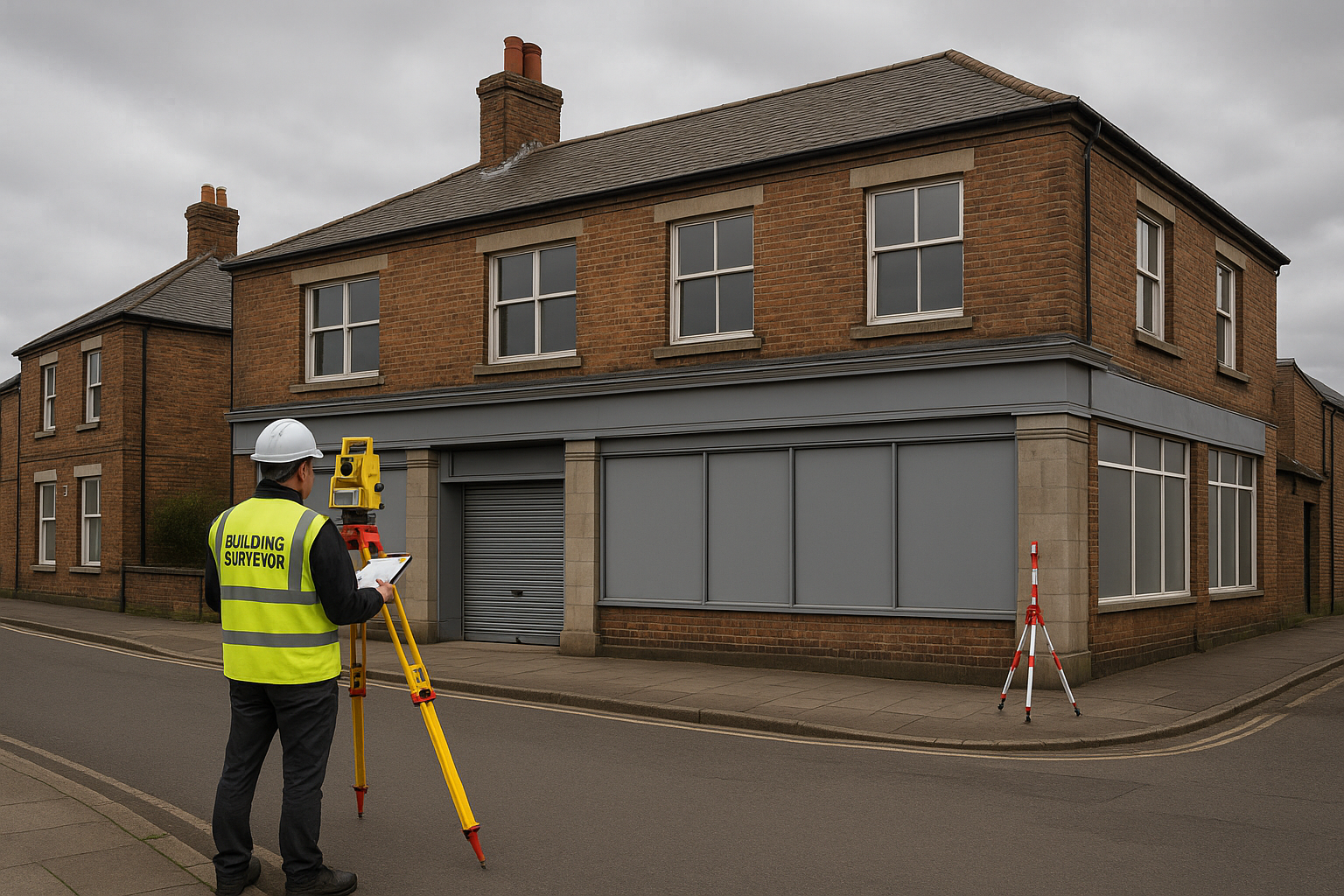
One of the most expensive mistakes in commercial property is ordering removal work before you properly understand what is in the building. A survey gives you the evidence to make the right decision — and to instruct contractors on a clearly defined scope.
If the building is occupied and the aim is to manage asbestos during normal use, a management survey is usually the starting point. It identifies asbestos-containing materials that could be disturbed during routine occupation, maintenance or minor works, and forms the basis of the asbestos register.
If the property is due for major refurbishment or complete strip-out, you will typically need a more intrusive demolition survey. This is designed to locate asbestos in areas that are hidden, sealed or otherwise inaccessible during normal occupation — exactly the areas that could cause problems if left unidentified before contractors move in.
Getting the survey stage right helps you:
- Avoid paying for unnecessary removal
- Identify high-risk materials before other trades arrive on site
- Programme works properly and reduce the risk of project delays
- Protect maintenance teams, contractors and building users
- Compare quotes accurately, because each contractor is pricing the same scope
Commercial vs Residential Asbestos Removal: The Practical Differences
The gap in cost makes more sense when you look at how the work is actually carried out on each type of site.
Scale and Complexity
Residential jobs are often confined to a garage roof, a ceiling coating, a cupboard panel or a small number of floor tiles. Commercial projects can span multiple floors, shared risers, service corridors, lift lobbies, roof plant areas and tenant zones. More rooms and more interfaces mean more labour, more control measures and a longer programme.
Dutyholder Responsibilities
In commercial settings, asbestos is part of a wider compliance picture. The dutyholder must manage information, communicate risk to others and ensure that contractors do not disturb asbestos accidentally during maintenance or building works. In a domestic setting, the legal framework around ongoing management is generally less involved for ordinary owner-occupiers.
Working Around Occupants
Commercial buildings often remain in use during the project. That means removal may need to be phased floor by floor, carried out after hours or coordinated with facilities teams and tenants. That extra layer of planning is one of the primary reasons why commercial asbestos removal costs more than comparable domestic work.
Documentation and Handover
Commercial clients typically need a fuller paper trail. This may include survey reports, risk assessments, plans of work, waste consignment notes, analyst certificates and updated records for the asbestos register. That administration is necessary, not cosmetic — it protects the building owner or manager if questions arise later about compliance or exposure history.
Can Asbestos Be Managed in Place Instead of Removed?
Yes, sometimes. Removal is not always the best or most cost-effective option. If the material is in good condition, unlikely to be disturbed and can be monitored properly, management in place may be entirely appropriate under the Control of Asbestos Regulations.
Common management options include:
- Encapsulation with a suitable coating or wrap
- Boxing-in or physical protection from impact
- Restricted access to the affected area
- Clear labelling and permit-to-work controls for maintenance
- Regular inspections to check for damage or deterioration
Removal is generally the better option where:
- The material is already damaged or deteriorating
- The area is due for refurbishment or demolition
- The asbestos is likely to be disturbed during normal use
- Ongoing management is impractical given the building’s use
- Tenants, staff or contractors need certainty before occupation or works proceed
The right choice depends on condition, location, accessibility and the future plans for the building. A qualified surveyor can advise you on which route is appropriate — and document that decision for your records.
How to Budget Properly for Commercial Asbestos Removal
Treat asbestos as an early-stage budget item, not a late surprise. Waiting until builders uncover hidden materials during a refurbishment almost always costs significantly more than identifying and planning for them in advance.
Use this checklist to budget sensibly:
- Commission the right survey early — before tendering refurbishment, strip-out or demolition works
- Ask for a clear, itemised scope — make sure the quote identifies the material, area, method and any exclusions
- Check whether analyst fees are included — clearance and air monitoring are often priced separately
- Confirm waste and transport arrangements — this matters particularly on larger or city-centre sites
- Allow for reinstatement — removal rarely includes making good unless this is explicitly stated
- Plan around occupancy — if you need night work or phased access, budget for it from the outset
- Keep contingency for hidden asbestos — older commercial buildings often contain additional materials behind finishes or within service zones
Ask each contractor to break their quote down into labour, enclosure or access equipment, analyst costs, waste disposal and reinstatement exclusions. That makes comparisons far more straightforward and avoids unwelcome surprises mid-project.
Hidden Costs Property Managers Should Anticipate
The removal quote itself is only part of the total cost. Commercial clients should also consider the wider project impact when building their budget.
Hidden or overlooked costs can include:
- Temporary decant of staff or tenants during the works
- Security and access management out of hours
- Shut-down and recommissioning of services
- Building management support during extended programmes
- Making good after removal — flooring, ceilings, wall finishes
- Delays to following trades if clearance takes longer than expected
- Additional surveying if further suspect materials are uncovered
- Updating the asbestos register and communicating changes to tenants or contractors
None of these are unusual. They are simply the reality of managing asbestos properly in a commercial building, and factoring them in early will give you a far more accurate picture of the total project cost.
Where Supernova Asbestos Surveys Can Help
Supernova Asbestos Surveys works with property managers, landlords, facilities teams and developers across the UK to provide surveys, sampling and managed asbestos removal services for commercial premises of all types and sizes.
Whether you are managing a single retail unit or a multi-tenanted office block, we can help you understand what is in the building, what your legal duties are and how to plan removal or management works in a way that protects people and keeps your project on track.
We operate nationally, with specialist teams covering major commercial centres including asbestos survey London, asbestos survey Manchester and asbestos survey Birmingham, as well as the wider regions in between.
To discuss your commercial property or to book a survey, call us on 020 4586 0680 or visit asbestos-surveys.org.uk. With over 50,000 surveys completed nationwide, we have the experience to give you straightforward, accurate advice from the outset.
Frequently Asked Questions
Is commercial asbestos removal always more expensive than residential removal?
In most cases, yes. Commercial projects typically involve larger areas, more complex site conditions, stricter legal requirements and the need to keep buildings operational during works. All of these factors add cost. That said, every project is different — a small commercial job in a vacant unit may be comparable in cost to a complex domestic project involving high-risk materials.
Do I need a licensed contractor for commercial asbestos removal?
It depends on the material. Higher-risk materials such as pipe lagging, sprayed coatings and asbestos insulating board must be removed by a contractor licensed by the HSE. Lower-risk materials may be handled by a notifiable non-licensed contractor or, in some cases, by a non-licensed contractor — but the material type, condition and task all affect which category applies. A qualified surveyor can advise you on this before you appoint anyone.
Can asbestos be left in place in a commercial building?
Yes, provided it is in good condition, unlikely to be disturbed and can be properly managed and monitored. The Control of Asbestos Regulations allows for a management approach where removal is not immediately necessary. This must be documented in an asbestos management plan, with regular reinspections to check that materials remain in an acceptable condition.
What survey do I need before commercial asbestos removal?
For occupied buildings where you are managing asbestos during normal use, a management survey is the usual starting point. If the building is being refurbished or demolished, a more intrusive demolition survey is required to locate asbestos in hidden or inaccessible areas. Getting the right survey before any removal work is commissioned is essential — it defines the scope and protects you legally.
How long does commercial asbestos removal take?
This varies enormously depending on the volume of material, the type of asbestos, site conditions and access constraints. A small removal in a vacant area might be completed in a day or two. A large-scale project across multiple floors of an occupied building could take several weeks or months, particularly where phased access or out-of-hours working is required. Your contractor should provide a programme as part of their proposal.