
When contractors are booked, tenants are waiting and a project cannot move until the paperwork is in place, one question quickly becomes urgent: how long does an asbestos survey take? The short answer is that the site visit may take anything from a few hours to several days, while the full process from inspection to report can range from a few working days to a couple of weeks depending on the building, the survey type and how prepared the site is.
There is no honest one-size-fits-all answer. A tidy, accessible office with a clear brief is very different from a school with multiple blocks, a warehouse with high-level access issues, or a refurbishment project that needs intrusive inspection behind finishes and inside voids.
If you are responsible for a workplace, rental portfolio, commercial unit or mixed-use building, understanding the timeline helps you avoid programme delays and meet your duties under the Control of Asbestos Regulations. It also helps you ask better questions before appointing a surveyor.
How long does an asbestos survey take in most buildings?
For many properties, the on-site part of the job is quicker than people expect. For others, it takes longer because the surveyor needs wider access, more sampling or a more intrusive inspection.
As a practical rule of thumb:
- Small management survey: often a few hours to one day
- Larger management survey: one day to several days
- Refurbishment survey: commonly one to several days
- Demolition survey: often several days, sometimes longer on complex sites
- Re-inspection survey: usually shorter than the original survey
The full timeline is longer than the visit itself because it also includes sample analysis, report writing and quality checks. If samples are taken, laboratory turnaround becomes part of the answer to how long does an asbestos survey take.
Be wary of anyone who gives a fixed duration without asking about the property first. Under HSG264, the scope of an asbestos survey should be based on the premises, the purpose of the survey and the level of access required.
What affects how long does an asbestos survey take?
Several factors shape the timescale. Some are obvious, such as building size. Others are less obvious, such as whether plant rooms are locked, ceiling voids are obstructed or tenants have not been told the survey is happening.
Size and layout of the property
Larger buildings take longer to inspect because there are more rooms, more circulation space and more hidden areas. Layout matters just as much as floor area.
A compact office floor can be straightforward. A site with split levels, basements, roof voids, risers, outbuildings or service tunnels will usually take longer because the surveyor has more locations to inspect and record.
Type of survey required
The survey type has a major impact on timing. A management survey is normally less intrusive, so it is often the quickest option for occupied premises.
A refurbishment survey is intrusive by design because the surveyor needs to inspect areas that will be disturbed during the works. A demolition survey is typically the most intrusive of all, which is why it often takes the longest.
Age and condition of the building
Buildings built or refurbished before 2000 may contain asbestos-containing materials. Older properties often have more suspect materials across more locations, which increases inspection time and the chance that samples will be needed.
Condition matters too. Fragile surfaces, damaged finishes and poor access can slow the process because the surveyor must inspect carefully and avoid unnecessary disturbance.
Access arrangements
Access problems are one of the most common reasons a survey runs over time or needs a return visit. If keys are missing, rooms are occupied, stock blocks access hatches or a permit has not been arranged, the surveyor may not be able to complete the inspection in one attendance.
Common access issues include:
- Locked plant rooms or service risers
- Ceiling voids hidden by fixed finishes
- Tenanted areas with no prior notice
- Working at height restrictions
- Security clearance or induction requirements
- Stored materials blocking suspect areas
If you are asking how long does an asbestos survey take, access planning should be part of the conversation from the start.
Number of samples needed
Where materials are suspected to contain asbestos, the surveyor may take samples for laboratory testing. Each sample has to be taken safely, sealed, labelled and logged correctly.
If the building contains multiple types of insulating board, floor tiles, textured coatings, cement sheets, bitumen products or insulation materials, sampling can add time on site and after the visit. More samples usually mean a longer reporting timeline as well.
How long each type of asbestos survey usually takes
To answer how long does an asbestos survey take properly, you need to match the timescale to the right survey. HSG264 sets out the purpose and scope of asbestos surveys, and that scope directly affects duration.
Management surveys
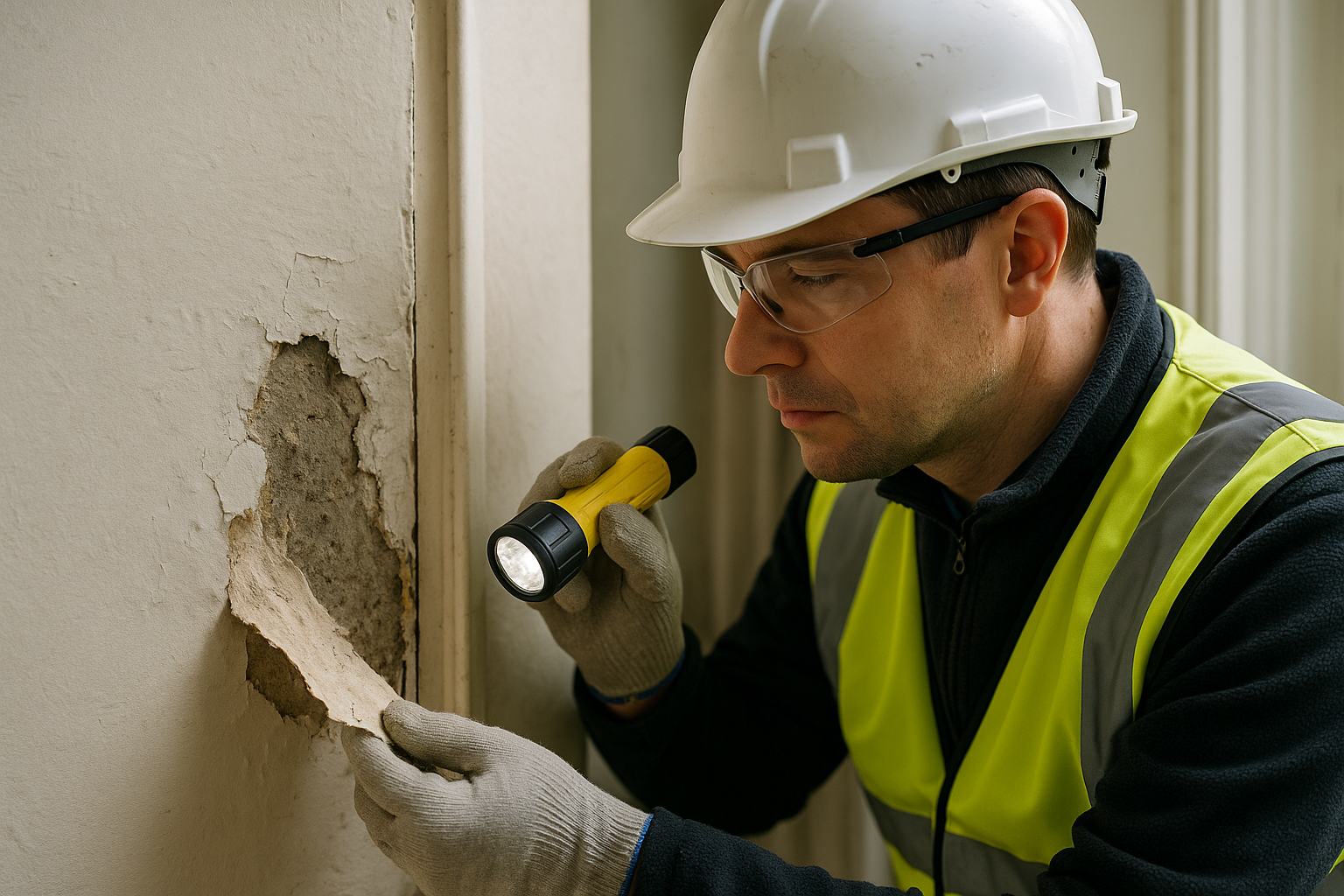
A management survey is used for normal occupation and routine maintenance in non-domestic premises. Its purpose is to locate, as far as reasonably practicable, the presence and extent of asbestos-containing materials that could be damaged or disturbed during normal use or foreseeable maintenance.
Because it is usually non-intrusive or only lightly intrusive, it is often the quickest survey type. For many offices, shops, schools, warehouses and communal areas, the site work can be completed in half a day to one day. Larger or more complex premises can take several days.
The report usually supports an asbestos register and helps duty holders manage asbestos in line with HSE guidance.
Refurbishment surveys
If planned works will disturb the fabric of the building, a refurbishment survey is normally required in the affected area before work starts. This applies to anything from replacing services and partitions to strip-outs and full internal upgrades.
These surveys are intrusive. Surveyors may need to inspect behind wall linings, above ceilings, under floors and inside boxing or service ducts. That is why they often take longer than management surveys.
Timing depends on:
- The size of the refurbishment area
- Whether the area is occupied or vacant
- How much opening up is required
- Safe access arrangements
- Whether the project is phased
If the works are being completed in stages, the survey can sometimes be phased too. That can help keep a programme moving, but only if the scope is clearly defined in advance.
Demolition surveys
A demolition survey is required before a building or structure is demolished. It is designed to identify asbestos-containing materials so they can be dealt with before demolition begins.
Because full access is needed, including destructive inspection where necessary, this type of survey usually takes the longest. A small detached garage or single-storey outbuilding may still be quick. A large industrial site, office block or mixed-use property can require several days and sometimes staged attendance.
Where demolition is planned, survey timing should be built into the programme early. Leaving it until the last minute can delay enabling works, tendering and removal planning.
Re-inspection surveys
If asbestos-containing materials have already been identified and remain in place, their condition should be monitored. A re-inspection survey checks known materials against the existing register and records whether their condition or risk has changed.
These are usually quicker than an original survey because the surveyor is reviewing known items rather than starting from scratch. For many premises, a re-inspection can be completed in a few hours to one day, although larger estates will take longer.
From site visit to report: the full asbestos survey timeline
Many people ask how long does an asbestos survey take when what they really mean is how long it takes to receive the final report. The site inspection is only one part of the process.
1. Site inspection
This is the physical survey of the premises. The surveyor inspects accessible areas, records suspect materials, takes photographs, notes locations and collects samples where required.
The better the site preparation, the faster this stage usually is. Good access, clear plans and a defined scope save time immediately.
2. Sample analysis
Samples are sent to a laboratory for sample analysis. Standard turnaround varies depending on workload and service level, while urgent processing may be available for time-sensitive jobs.
If you only need a material checked rather than a full survey, standalone asbestos testing may be suitable in some situations. There is also separate information on asbestos testing for clients who need to understand when testing is appropriate.
For small, controlled checks, some clients use an asbestos testing kit or a testing kit. That can be useful for specific material identification, but it is not a substitute for a survey where a survey is legally or practically required.
3. Report preparation
Once results are back, the survey findings are compiled into the report. A proper report should clearly set out locations, material assessments, sample results, photographs where relevant and practical recommendations.
For management surveys, the report typically supports your asbestos register and management arrangements. For refurbishment and demolition work, it helps the project team plan safe next steps before contractors begin disturbing the building fabric.
Typical end-to-end timeframe
As a working estimate, allow:
- A few hours to several days for the site work
- A few working days for laboratory results, depending on service level
- A few working days for report issue, depending on complexity and scope
Urgent instructions can often move faster, but only if the brief is clear and the property is ready for inspection.
How to speed up an asbestos survey without cutting corners
If time matters, preparation makes the biggest difference. The answer to how long does an asbestos survey take often depends on what happens before the surveyor even arrives.
Send useful information in advance
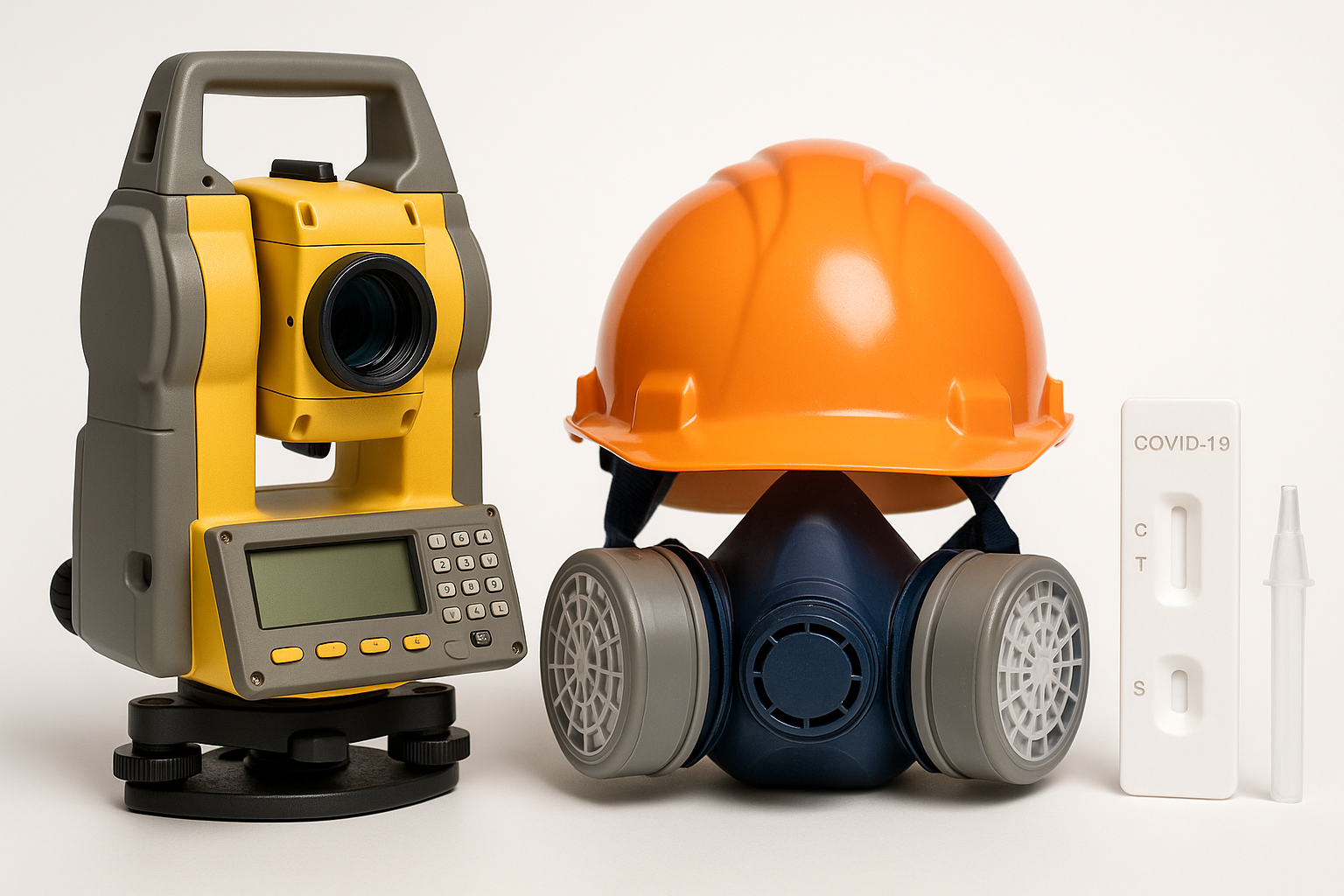
Provide floor plans, site maps, previous asbestos reports, refurbishment details and any known access restrictions before the visit. This allows the surveyor to plan properly, bring the right equipment and estimate the time more accurately.
Make sure all areas are accessible
Before the survey date:
- Locate keys, fobs and alarm codes
- Arrange escorts for secure or restricted areas
- Clear stored items away from hatches, risers and plant spaces
- Notify staff, tenants or occupiers
- Confirm permit, induction or PPE requirements
- Identify any fragile surfaces or working at height issues
These simple checks can prevent aborted visits and costly return appointments.
Commission the correct survey
One of the biggest causes of delay is instructing the wrong survey type. A management survey is not enough for refurbishment or demolition works. If contractors need intrusive information later, the project can stall while a second survey is arranged.
If you are unsure, explain the planned works in detail before booking. A clear scope at the start is far cheaper than redoing the job later.
Be upfront about deadlines
If there is a tender deadline, shutdown window or contractor start date, say so early. Faster attendance, expedited analysis and priority reporting may be possible where the programme is realistic.
What happens if asbestos is found?
Finding asbestos does not automatically mean a building must close or that every asbestos-containing material has to be removed. In many cases, materials can remain in place if they are in good condition and unlikely to be disturbed.
The survey report should explain the next step. Typical recommendations include:
- Manage in place if the material is in good condition and not likely to be disturbed
- Repair or encapsulate if minor damage is present or protection is needed
- Remove if the material is damaged, higher risk or will be disturbed by planned works
Where removal is required, it should be arranged safely and in line with HSE guidance. If remedial works are needed before a project can proceed, professional asbestos removal should be planned into the programme as early as possible.
Your legal duties as a duty holder, employer or managing agent
If you manage non-domestic premises, you are likely to have duties under the Control of Asbestos Regulations. In practical terms, you need to identify whether asbestos is present, assess the risk and manage that risk properly.
That usually means:
- Finding out whether asbestos-containing materials are present
- Keeping an up-to-date asbestos register where required
- Making information available to anyone who may disturb asbestos
- Monitoring known materials through periodic review
- Arranging the correct survey before refurbishment or demolition
HSG264 provides the recognised framework for asbestos surveying, while wider HSE guidance supports duty holders in managing asbestos safely in premises. If you are unsure what survey is needed, get advice before works start, not after a contractor uncovers a suspect material.
Practical examples: how long does an asbestos survey take in real situations?
Every building is different, but these examples show how timing can vary.
Small office with good access
A straightforward management survey in a small office with clear access, available keys and minimal sampling may only take a few hours on site. If samples are limited and reporting is standard, the final report may follow within a few working days.
Occupied school or healthcare setting
A larger occupied site often takes longer because access has to be managed around staff, visitors or pupils. Certain rooms may only be available at set times, and multiple blocks can add complexity even if the floor area is not huge.
Warehouse with plant areas and roof voids
A warehouse may look simple from the outside, but high-level access, service ducts, mezzanines and plant rooms can extend the survey significantly. If specialist access equipment or escorts are needed, the timeline can increase.
Refurbishment project with intrusive inspection
Where builders are about to strip out ceilings, walls and services, the surveyor needs to inspect hidden areas. That means more opening up, more sampling and more recording, so the site work often takes at least a full day and sometimes several.
Choosing the right time to book your survey
The best time to arrange a survey is before the project becomes urgent. If you wait until contractors are due on site, any delay in access, sampling or reporting can affect the whole programme.
Book early if:
- You are planning refurbishment works
- You are preparing a property for demolition
- You are taking over management of a commercial building
- Your asbestos register is out of date
- Known asbestos-containing materials are due for review
Early booking gives you more flexibility on attendance dates and more time to act on the findings.
Why survey quality matters more than speed alone
Fast turnaround is useful, but only if the survey is suitable, accurate and clearly reported. A rushed or poorly scoped survey can create bigger delays later if contractors reject it, hidden asbestos is missed, or additional inspections are needed.
A good survey balances speed with proper planning, competent inspection and clear reporting. That is what keeps projects moving safely and helps duty holders stay compliant.
If you need to know how long does an asbestos survey take for your building, the best starting point is a proper discussion about the property, the planned works and the level of access available. That gives you a realistic timeline rather than a guess.
Frequently Asked Questions
Can an asbestos survey be done in one day?
Yes, many smaller management surveys can be completed in one day or less. Larger, more complex or intrusive surveys may take longer, especially where access is restricted or significant sampling is needed.
How long does it take to get asbestos survey results back?
The site visit is only part of the process. If samples are taken, laboratory turnaround and report preparation add time. In many cases, clients receive the final report within a few working days to around two weeks, depending on urgency, complexity and service level.
Does a refurbishment survey take longer than a management survey?
Usually, yes. A refurbishment survey is more intrusive because it needs to inspect hidden areas that may be disturbed during the works. That extra inspection and sampling often makes it slower than a standard management survey.
What can delay an asbestos survey?
The most common causes are poor access, missing keys, occupied rooms, blocked hatches, unclear scope and late notice to tenants or staff. Preparing the site properly can save a great deal of time.
Do I need a survey or just asbestos testing?
It depends on what you are trying to achieve. If you need to manage asbestos in a building or carry out refurbishment or demolition works, a survey is usually required. If you only need a specific material identified, testing may be enough in some situations.
If you need a fast, reliable answer on how long does an asbestos survey take for your property, speak to Supernova Asbestos Surveys. We provide management, refurbishment, demolition, re-inspection and testing services nationwide. Call 020 4586 0680 or visit asbestos-surveys.org.uk to arrange a quote and book the right survey without delay.