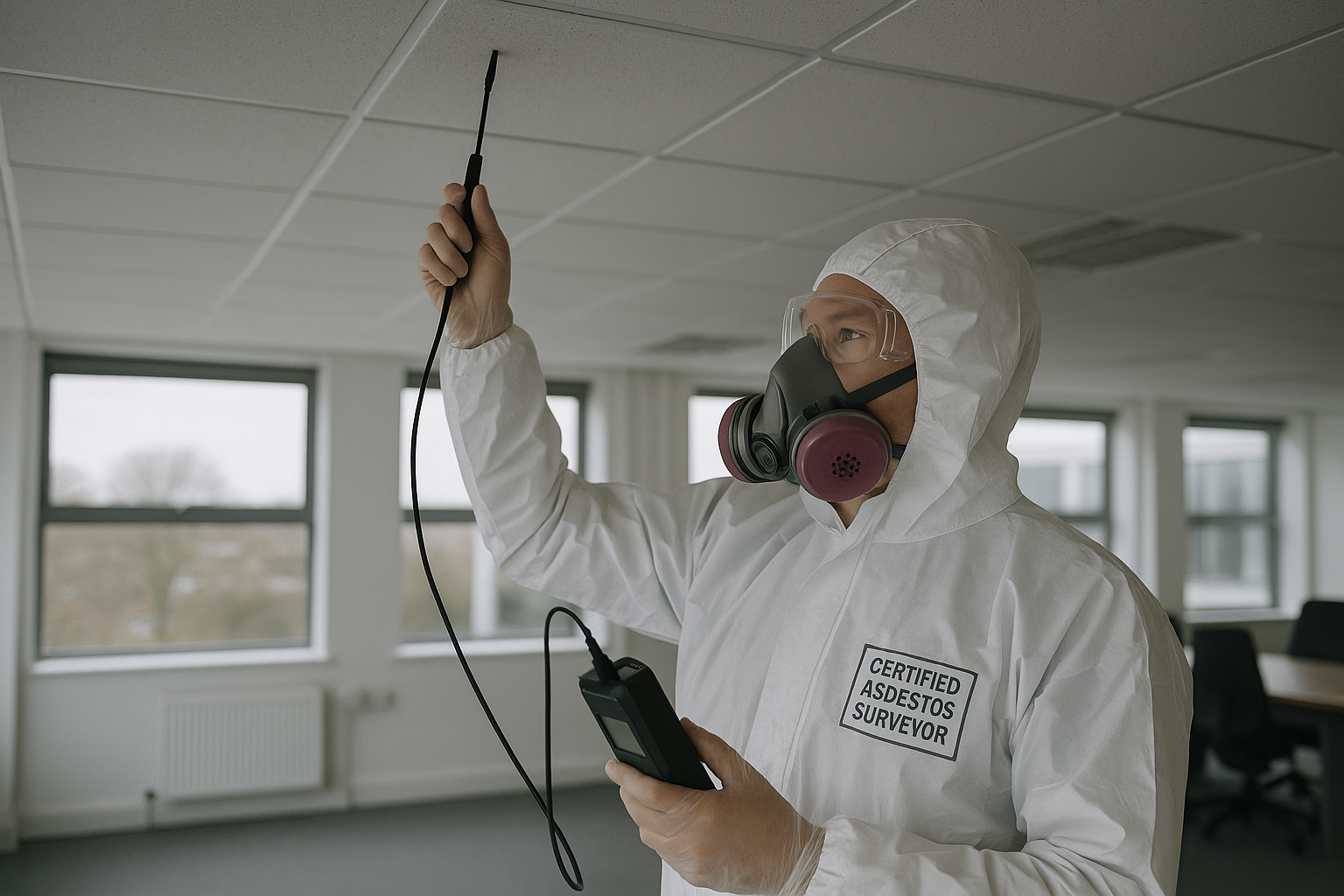
Confusing an asbestos survey with asbestos testing is one of the fastest ways to create delays, unexpected cost and avoidable compliance problems. If you manage a building built before 2000, the difference matters because a test answers a narrow question about one material, while an asbestos survey gives you the wider picture you need to manage risk properly.
That bigger picture is what helps dutyholders meet their responsibilities under the Control of Asbestos Regulations and follow HSE guidance, including HSG264. Whether you are overseeing an office, school, warehouse, shop or mixed-use premises, choosing the right approach at the right time can prevent disruption and protect everyone who works on or uses the building.
What is an asbestos survey?
An asbestos survey is a structured inspection carried out to locate, identify and assess asbestos-containing materials, or materials presumed to contain asbestos, within a property. It is designed to provide practical information that can be used for safe occupation, maintenance, refurbishment or demolition.
A competent surveyor inspects accessible areas, records suspect materials, takes samples where appropriate and produces a report with clear findings and recommendations. For non-domestic premises, that report supports your asbestos register and management plan, which are central to the duty to manage asbestos.
In simple terms, an asbestos survey helps you answer the questions that matter on site:
- Where is asbestos likely to be present?
- What condition is it in?
- How likely is it to be disturbed?
- What action should be taken next?
If you only test one ceiling tile, one panel or one textured coating, you still do not know what is above the ceiling, behind boxing, inside risers or beneath floor coverings. That is why an asbestos survey is often the correct starting point.
Asbestos survey vs asbestos testing: what is the difference?
The key difference is scope. An asbestos survey looks at the building systematically, while asbestos testing focuses on confirming whether a specific material contains asbestos.
Testing is a tool. A survey is a process.
What asbestos testing does
Asbestos testing usually involves taking a sample from one suspect material and sending it to a laboratory for analysis. The result confirms whether asbestos is present in that sample.
This can be useful when you need a clear answer about one item. It does not, however, tell you what is present elsewhere in the property unless those areas have also been inspected and sampled.
What an asbestos survey does
An asbestos survey assesses the property more broadly and records the location, extent and condition of suspect materials. It gives property managers, maintenance teams and contractors information they can actually use before work starts.
That is the practical difference. If you need building-wide information, targeted testing on its own is not enough.
When each option is appropriate
- Choose an asbestos survey when you need to manage a building, plan works or meet dutyholder responsibilities.
- Choose asbestos testing when you need to identify one specific suspect material in a limited and controlled situation.
- Choose both when a survey identifies suspect materials that require laboratory confirmation.
If you are unsure, ask yourself one question: do I need information about one item, or do I need information about the building? If it is the building, you need an asbestos survey.
Why an asbestos survey matters for compliance and safety
For non-domestic premises, the Control of Asbestos Regulations place a duty to manage asbestos on those responsible for maintenance and repair. In practice, that means taking reasonable steps to find out whether asbestos is present, assessing the risk and managing that risk properly.
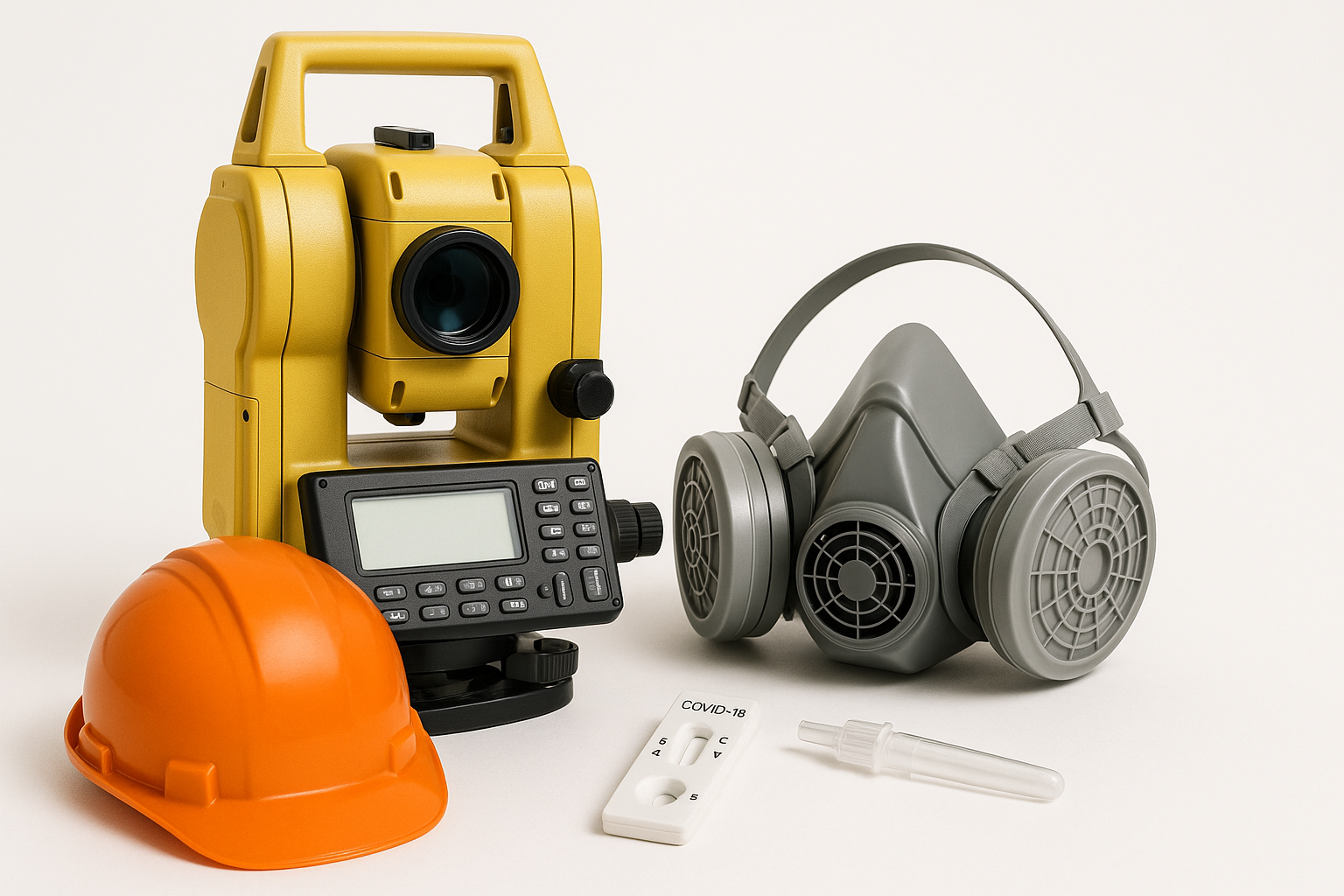
An asbestos survey is the recognised way to gather that information. HSE guidance and HSG264 set out how surveys should be planned, carried out and reported.
As a dutyholder, you should be able to show that you have:
- Identified or presumed asbestos-containing materials
- Recorded their location and condition
- Assessed the likelihood of disturbance
- Shared relevant information with contractors and maintenance staff
- Reviewed and updated records over time
For domestic owner-occupiers, the legal duty to manage does not apply in the same way. Even so, disturbing asbestos during renovation or DIY can still create serious health risks. If a property predates 2000 and the work will disturb the fabric of the building, an asbestos survey or targeted testing should be considered before the job begins.
Types of asbestos survey and when you need each one
Not every property needs the same level of inspection. The right asbestos survey depends on what is happening at the building and how intrusive the inspection needs to be.
Management survey
A management survey is the standard survey for an occupied building during normal use. Its purpose is to locate, as far as reasonably practicable, the presence and extent of asbestos-containing materials that could be damaged or disturbed during routine occupation, maintenance or foreseeable installation work.
This is often the first survey a commercial property needs. A current survey helps you build or update your asbestos register and manage risk in a proportionate way.
Book this type of asbestos survey when:
- The building is occupied and in normal use
- You need to meet dutyholder responsibilities
- You want a clear basis for your asbestos register and management plan
Asbestos management survey
If you are reviewing compliance across a live site, an asbestos management survey provides the practical information needed for day-to-day control. It is not intended to support intrusive refurbishment or demolition work, so it should not be treated as a substitute for those more invasive survey types.
That distinction matters. Using the wrong asbestos survey can leave hidden materials unidentified and expose contractors to unnecessary risk.
Refurbishment survey
A refurbishment survey is required before refurbishment work that will disturb the fabric of the building. It is more intrusive than a management survey because the surveyor needs access to hidden voids, enclosed spaces and areas affected by the planned works.
Do not rely on an old management report for strip-out, fit-out or major alterations. If the work will open up walls, ceilings, floors, risers or service ducts, the correct asbestos survey is a refurbishment survey.
Arrange it before contractors start. Once work has begun, delays and contamination risks become much harder to control.
Demolition survey
A demolition survey is required before a building, or part of a building, is demolished. This is a fully intrusive inspection intended to locate all asbestos-containing materials so they can be removed before demolition proceeds.
Book this asbestos survey early in the programme. Leaving it too late can delay the whole project, affect contractor sequencing and create avoidable cost pressure.
Re-inspection survey
An asbestos register should not be left untouched for years. Materials can deteriorate, become damaged or be affected by maintenance activity. A re-inspection survey reviews known or presumed asbestos-containing materials and checks whether their condition has changed.
If your records are dated, the building has seen heavy use, or previous recommendations included monitoring, this type of asbestos survey keeps your information current and your management plan meaningful.
What happens during an asbestos survey?
Understanding the process helps you prepare properly and get a more useful report. A professional asbestos survey is not just a site walkaround. It follows a structured sequence.
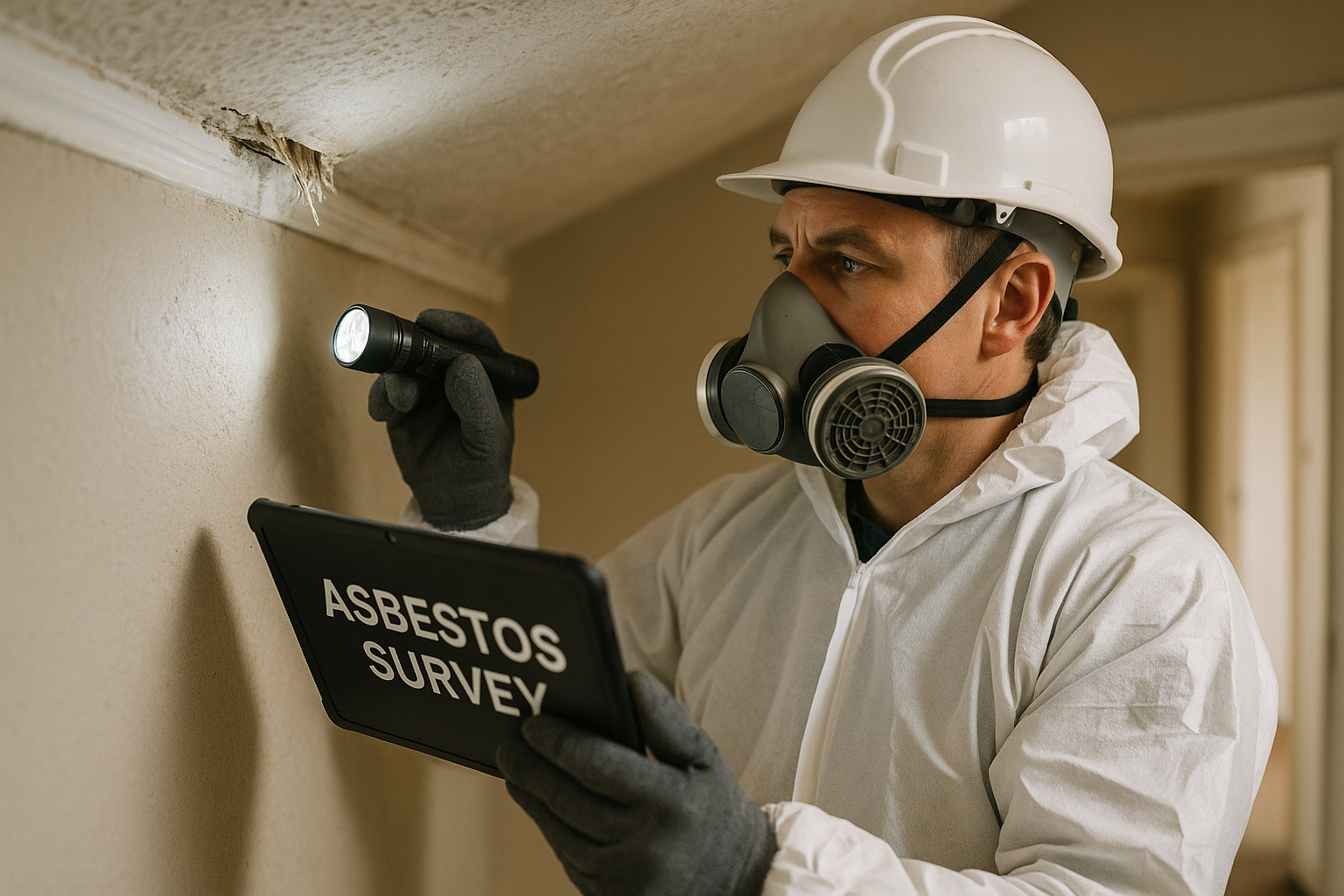
- Initial discussion – the surveyor confirms the building use, age, access arrangements and the reason the survey is needed.
- Scope and survey selection – the correct survey type is agreed based on occupation, planned works and the level of intrusion required.
- Site inspection – accessible areas are inspected and suspect materials are recorded.
- Sampling and analysis – representative samples are taken where appropriate and sent for laboratory analysis.
- Report production – findings are compiled into a report with locations, material assessments, photographs and recommendations.
- Management actions – the dutyholder updates records, informs relevant people and arranges any further action.
The aim is to give you reliable, actionable information. Good surveying is about decision-making, not paperwork for its own sake.
Sampling and analysis: part of an asbestos survey, not a replacement
Sampling and analysis often form part of an asbestos survey, but they are not a substitute for one. A surveyor may identify suspect materials visually, but laboratory analysis confirms whether asbestos is actually present in the samples taken.
That distinction is crucial. A positive or negative result applies only to the material sampled. It does not tell you what is elsewhere in the building.
If you need laboratory confirmation for a suspect material, professional asbestos testing can provide clear identification. For those sending a material to a laboratory directly, sample analysis is a straightforward option when the situation is limited to a specific item.
Practical advice: if more than one area is in question, or if the building is commercial and records are missing or outdated, step back and arrange an asbestos survey instead of relying on isolated samples.
When standalone asbestos testing makes sense
There are situations where targeted testing is proportionate. These are usually narrow cases where you need to identify one material rather than assess a whole building.
Standalone testing may be suitable when:
- You need to check one specific material before minor domestic work
- You already have a current asbestos register and need confirmation on a newly exposed item
- A contractor has uncovered a suspect material and work has paused pending identification
- You want to confirm whether a particular product contains asbestos before deciding on next steps
For homeowners or managers dealing with one suspect item, an asbestos testing kit can be a practical option. If you need a simple postal route, a testing kit may be enough for that specific purpose.
If you are comparing options, this additional asbestos testing information can help clarify when testing is appropriate and when a full survey is the safer choice.
The key is not to let a cheap, narrow solution replace the correct one. Testing one sample may cost less upfront, but it can be a false economy if wider asbestos remains unidentified.
How to arrange an asbestos survey properly
An asbestos survey should be arranged before work starts, not after a contractor raises concerns on site. Last-minute surveys create disruption and can leave you exposed if work has already begun.
Use this checklist when booking:
- Define the reason – routine management, refurbishment, demolition or re-inspection
- Confirm access – make sure plant rooms, risers, roof spaces, ducts and locked areas can be opened where relevant
- Share plans and records – floor plans, previous reports and scopes of work help the surveyor target the inspection
- Inform occupants – especially where intrusive access or sampling is expected
- Allow enough time – include time for site work, laboratory analysis and report review before contractors arrive
If you are not sure which asbestos survey is required, get advice before booking. A management survey for a live office and a refurbishment survey for a strip-out are not interchangeable.
How to check your asbestos survey report
Once the asbestos survey is complete, do not just file the report away. Reviewing it carefully is part of good asbestos management and helps you spot gaps before they become site problems.
Start with the basics. Check that the address, building description, floor references and surveyed areas are correct.
What to look for in the report
- Are all relevant areas listed clearly?
- Are any exclusions or inaccessible spaces explained?
- Are suspect materials described in plain, usable terms?
- Do photographs and plans make locations obvious to someone on site?
- Are sample results included where sampling was carried out?
- Are presumed asbestos materials identified where sampling was not possible?
- Are recommendations practical and linked to the findings?
Compare the report against your own knowledge of the building. If you know there is a basement riser, service void or old boiler room that was not inspected, ask why.
A good asbestos survey report should be transparent about limitations. If your maintenance team cannot use it to locate the materials identified, ask for clarification before relying on it.
Which properties commonly need an asbestos survey?
Asbestos is not limited to old factories. A wide range of buildings may require an asbestos survey, particularly where non-domestic premises are concerned and the duty to manage applies.
Common property types include:
- Offices and business parks
- Schools, colleges and universities
- Healthcare premises and care homes
- Retail units and shopping parades
- Warehouses and industrial sites
- Hotels, leisure venues and hospitality buildings
- Local authority buildings and communal areas in residential blocks
- Churches, community centres and other public buildings
Each setting has different access issues, occupancy patterns and maintenance pressures. A school surveyed during holidays may allow wider access than one inspected in term time. A warehouse with high-level services may need specialist access planning. That is why the planning stage of an asbestos survey matters as much as the site visit itself.
What happens after an asbestos survey?
If an asbestos survey identifies asbestos-containing materials, the next step is not always removal. In many cases, materials in good condition can remain in place safely if they are properly managed and unlikely to be disturbed.
Typical actions after a survey include:
- Updating the asbestos register
- Reviewing or creating the asbestos management plan
- Labelling or communicating locations where appropriate
- Sharing information with contractors and maintenance teams
- Repairing, encapsulating or removing damaged materials where needed
- Scheduling monitoring or re-inspection
The right response depends on condition, location and likelihood of disturbance. A damaged insulating board in a busy service area presents a different level of risk from an intact cement sheet in a locked outbuilding.
Practical advice: make sure survey findings are passed to anyone who may disturb the building fabric. A report that sits unread in a file does not manage asbestos.
Common mistakes to avoid
Most asbestos problems on site do not happen because nobody cared. They happen because the wrong assumptions were made, or the right information was not available when it was needed.
Avoid these common mistakes:
- Assuming a single sample result covers the whole building
- Using an old report for new refurbishment works
- Booking the wrong type of asbestos survey
- Failing to give the surveyor access to key areas
- Not sharing the report with contractors before work begins
- Leaving known materials without re-inspection or review
- Filing the report without updating the asbestos register or management plan
If you want your asbestos survey to be useful, treat it as part of an ongoing management process rather than a one-off document.
Frequently Asked Questions
Do I need an asbestos survey or just asbestos testing?
If you need information about the building as a whole, you need an asbestos survey. If you only need to identify one specific suspect material in a limited situation, testing may be enough. Many commercial properties require a survey because dutyholders need building-wide information to manage risk properly.
Is an asbestos survey a legal requirement?
For non-domestic premises, dutyholders must take reasonable steps to determine whether asbestos is present and manage the risk under the Control of Asbestos Regulations. In practice, an asbestos survey is the recognised way to obtain that information. The exact survey type depends on whether the building is occupied, being refurbished or due for demolition.
Can a management survey be used for refurbishment works?
No, not if the work will disturb the building fabric. A management survey is intended for normal occupation and routine maintenance. Refurbishment works usually require a more intrusive refurbishment survey covering the specific work areas.
How often should asbestos be re-inspected?
There is no one-size-fits-all interval for every building. Re-inspection should be based on the condition of the materials, their location, the likelihood of disturbance and the recommendations in your existing records. If materials may have deteriorated or site conditions have changed, arrange a re-inspection survey.
What should I do if asbestos is found?
Do not assume it must be removed immediately. The correct action depends on the material, its condition and the risk of disturbance. Some materials can be managed safely in place, while others may need repair, encapsulation or removal by a competent contractor. The survey report should guide your next steps.
Need expert help with an asbestos survey?
If you are unsure whether you need an asbestos survey, testing or both, Supernova Asbestos Surveys can help you choose the right service and avoid expensive mistakes. We carry out surveys nationwide for commercial, public sector and residential clients, with clear reporting that supports compliance and practical decision-making.
Call 020 4586 0680 or visit asbestos-surveys.org.uk to book the right survey for your property.