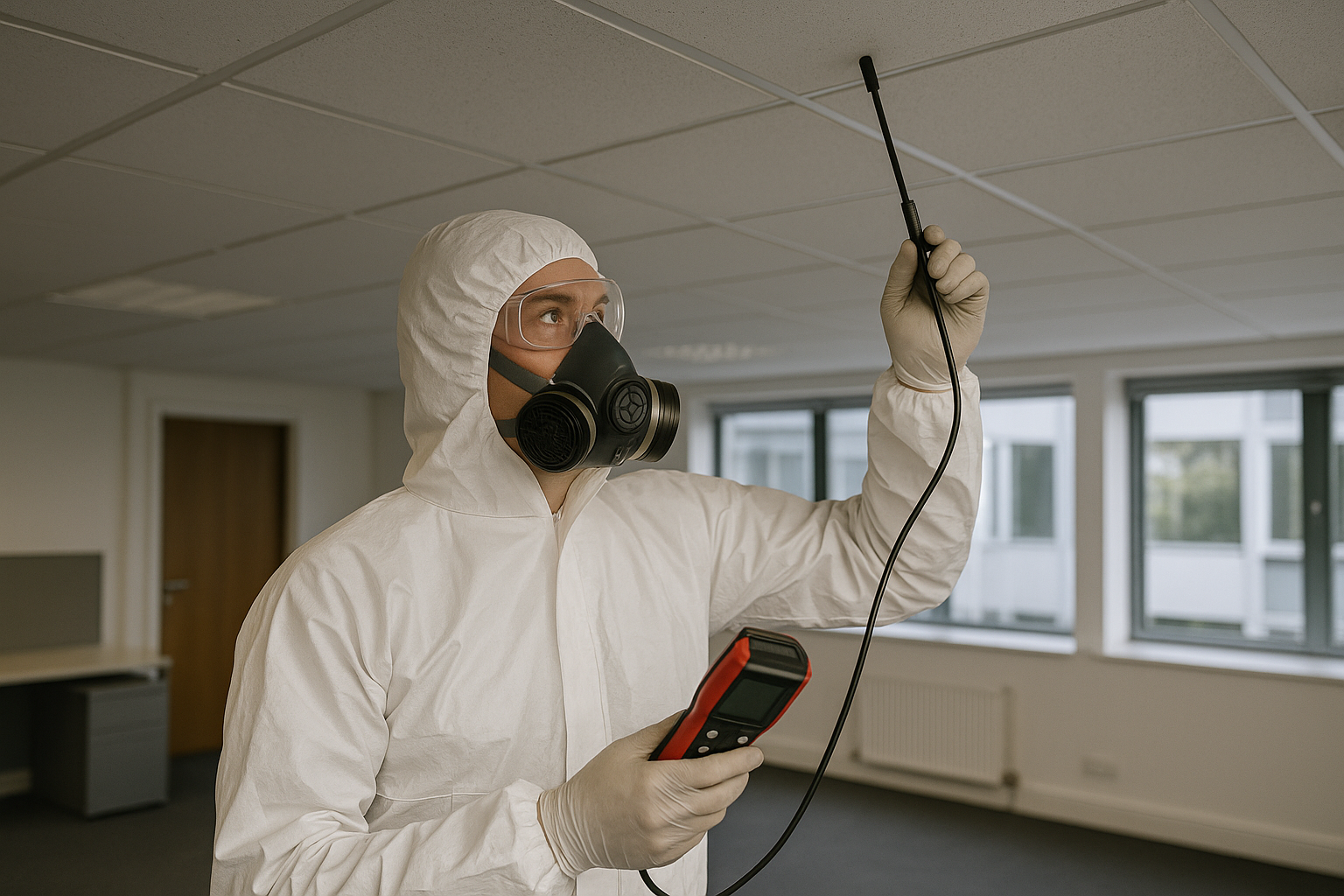
Asbestos Should Not Be Found in Buildings Built After the Ban — But the Reality Is More Complex
Asbestos should not be found in buildings built after the UK ban took full effect. That is the general expectation, and it is a reasonable starting point — but it is not the whole picture. Newer-looking premises can still contain older materials, reused components, hidden service elements, or fabric left behind during earlier refurbishments.
For property managers, landlords, contractors, and homeowners, the real question is not whether a building looks modern. It is whether any part of it was built, altered, extended, or fitted out during the decades when asbestos-containing materials were still widely used across the UK construction industry.
If there is any doubt, do not guess. Check the records, review previous works, and get the right survey or testing in place before anyone drills, strips out, or disturbs suspect materials.
Why Age Alone Is Not Enough to Clear a Property
Buildings are rarely static. They are extended, refurbished, reclad, and altered constantly — often without complete records being kept. Many sites include a mix of original construction, later extensions, second-hand materials, legacy plant, and hidden voids that do not match the apparent age of the premises.
That is why surveyors do not rely on appearance. They rely on records, physical inspection, sampling where needed, and a clear understanding of how the building has been used and altered over time.
Reasons a Seemingly Modern Building May Still Raise Concerns
- Older parts of the structure may remain behind later finishes
- Refurbishment works may have covered rather than removed asbestos-containing materials
- Service ducts, risers, ceiling voids, and plant rooms may contain legacy materials
- Outbuildings, garages, roofs, or external stores may pre-date the main building
- Old equipment or machinery may still include asbestos components
- Second-hand or salvaged materials may have been incorporated during fit-outs or repairs
A cautious approach is always sensible where records are incomplete or intrusive work is planned. Never assume that a clean, modern interior means the building is asbestos-free throughout.
Where Asbestos Is Still Found in UK Buildings
Asbestos was used because it was durable, heat resistant, insulating, and inexpensive to incorporate into a wide range of building products. Those properties made it common across homes, offices, schools, factories, hospitals, shops, warehouses, and public buildings throughout much of the twentieth century.
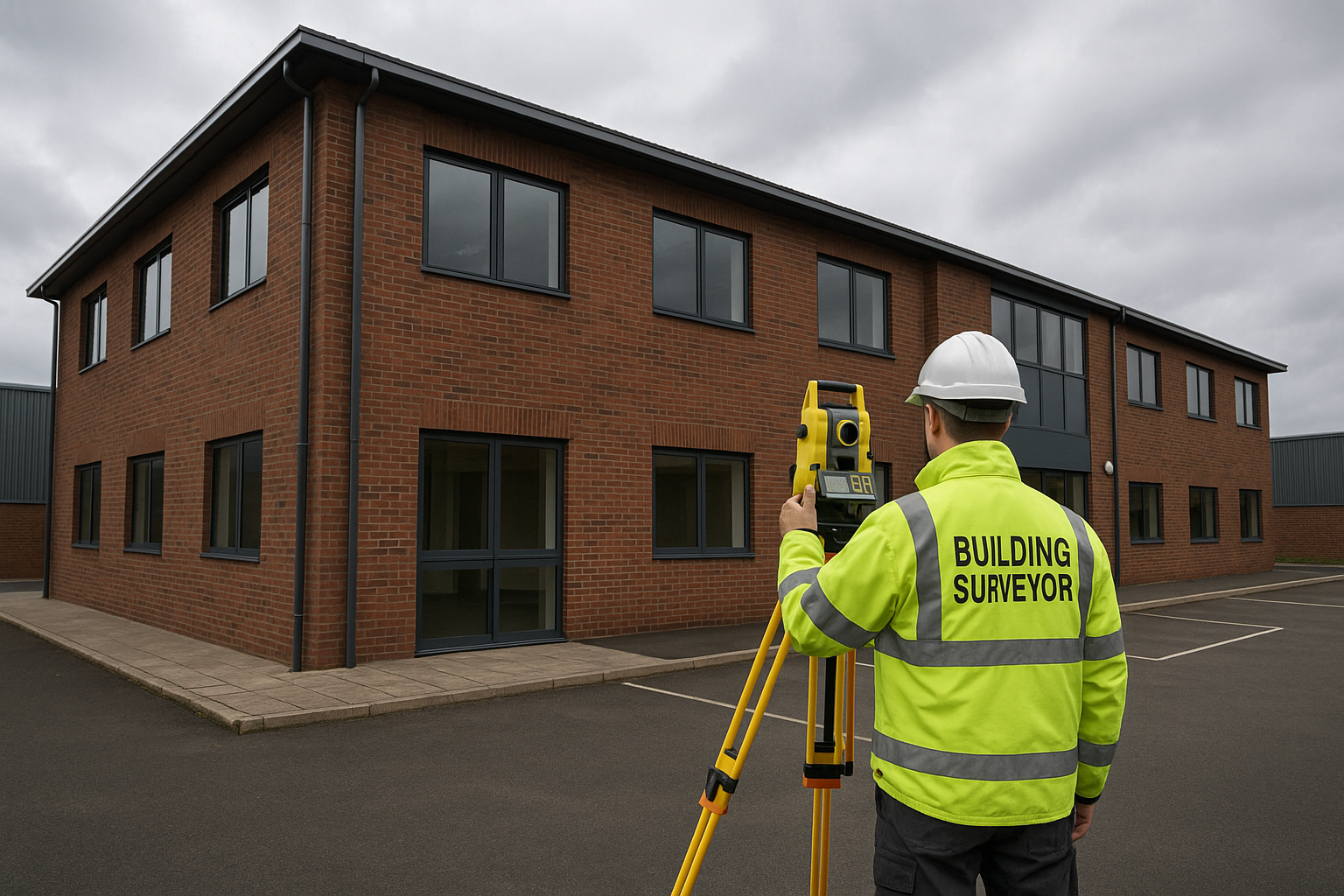
Millions of UK properties were built or significantly altered during the period when asbestos use was widespread. In those buildings, asbestos-containing materials may still be present — often hidden in plain sight, undisturbed and unrecorded.
Common Asbestos-Containing Materials Found During Surveys
- Textured coatings on ceilings and walls
- Vinyl floor tiles and bitumen adhesive beneath them
- Asbestos cement roofing sheets, gutters, and downpipes
- Soffits and fascias
- Asbestos insulating board in partitions, ceiling tiles, and fire doors
- Pipe lagging and boiler insulation
- Sprayed coatings on structural steelwork
- Firebreak panels and cavity barriers
- Gaskets, rope seals, and insulation around plant and machinery
You cannot confirm asbestos by eye. Some materials look obviously suspicious and test negative. Others appear completely ordinary and test positive. Where there is any uncertainty, proper asbestos testing is the only reliable way to confirm what a material contains.
Property Types Where Asbestos Is Regularly Encountered
Asbestos is not limited to one type of building or use class. It has been found across:
- Domestic properties, including houses, bungalows, and flats
- Blocks of flats and communal areas in residential developments
- Schools, colleges, and universities
- Hospitals, GP surgeries, and care settings
- Offices and commercial premises
- Retail units, restaurants, and hospitality venues
- Factories, workshops, and industrial sites
- Warehouses and logistics facilities
- Local authority housing and public buildings
- Transport and utility infrastructure
Industrial sites deserve particular care. Asbestos may be present both in the building fabric and in old machinery, plant, ovens, electrical equipment, seals, and process systems that have never been surveyed.
Why Asbestos Is Dangerous When Disturbed
Asbestos becomes dangerous when fibres are released into the air and breathed in. This typically happens when materials are drilled, cut, broken, sanded, removed, or allowed to deteriorate badly over time. Once inhaled, fibres can lodge deep in the lung tissue and remain there permanently.
Diseases linked to asbestos exposure include mesothelioma, asbestos-related lung cancer, and asbestosis. These conditions often develop many years — sometimes decades — after the original exposure. That is why even a short, poorly planned task can carry serious long-term consequences for the person carrying it out.
Factors That Affect the Level of Risk
- The type of asbestos-containing material and the asbestos fibre type it contains
- The condition of the material — whether it is intact, damaged, or deteriorating
- How easily the material releases fibres when disturbed
- Whether it is likely to be disturbed during planned work
- The nature, duration, and frequency of the exposure
Higher-risk materials generally include pipe lagging, sprayed coatings, and asbestos insulating board. Lower-risk materials such as asbestos cement can still be hazardous if broken, weathered, cut, or handled without adequate controls.
Pregnancy and Asbestos Exposure
Pregnancy does not create a separate category of asbestos disease, but exposure should still be avoided entirely. If a pregnant person inhales asbestos fibres, that exposure carries the same health risks as for anyone else — and should be treated with the same seriousness.
If asbestos is suspected during work, the practical response is straightforward: stop immediately, leave the area, and arrange professional assessment before anyone returns.
Check Records Before Anyone Starts Work
Before lifting ceiling tiles, opening risers, drilling walls, replacing boilers, or stripping out kitchens and bathrooms, start with the paperwork. Existing records often tell you far more than a visual inspection ever can.

Under the Control of Asbestos Regulations, those responsible for non-domestic premises must manage asbestos risk properly. HSE guidance and HSG264 are clear that existing information should be reviewed before deciding what inspection or sampling is needed. Ignoring records — or assuming there are none — is one of the most common ways accidental disturbance happens.
What to Look for in Existing Records
- Previous asbestos survey reports
- An asbestos register and management plan
- Refurbishment or demolition records from earlier works
- Building drawings, plans, and specifications
- Operation and maintenance manuals
- Maintenance logs and contractor notes
- Historic photographs
If records are missing, out of date, vague, or only cover part of the site, do not assume the building is asbestos-free. A partial survey is not the same as a complete picture of what is present.
What Good Asbestos Information Should Show
A useful report should identify the material, its location and extent, its current condition, any risk assessment information, and whether it has been removed, repaired, encapsulated, or left in place for management. Clear plans and photographs are essential — if contractors cannot understand the records quickly, the risk of accidental disturbance increases significantly.
Choosing the Right Asbestos Survey for the Job
The correct survey depends on what you plan to do in the building. This is where many avoidable mistakes occur. A survey intended for routine occupation is not sufficient for intrusive refurbishment works. A refurbishment survey is not a substitute for a demolition survey if the whole structure is coming down.
Management Survey
For routine occupation, normal maintenance, and day-to-day management, a management survey is usually the starting point. Its purpose is to locate, as far as reasonably practicable, asbestos-containing materials that could be disturbed during normal use or foreseeable maintenance.
This is typically the right option for offices, schools, communal areas, retail units, and other occupied premises where the aim is to manage asbestos safely in place rather than remove it immediately.
Refurbishment Survey
If you are planning intrusive works, you need a refurbishment survey in the affected area before work starts. This survey is more intrusive because hidden materials must be identified before contractors begin opening up the structure.
Typical triggers include kitchen replacements, bathroom upgrades, rewiring, heating works, structural alterations, and commercial fit-outs. Starting intrusive work without this survey in place is one of the most common causes of accidental asbestos exposure on construction sites.
Demolition Survey
If a building is due to be taken down, a demolition survey is required. This is fully intrusive and aims to locate all asbestos-containing materials throughout the structure so they can be dealt with safely before demolition proceeds. Anything less leaves serious risk behind for demolition crews and anyone in the surrounding area.
Re-Inspection Survey
Where asbestos is already known and being managed in place, a re-inspection survey confirms whether those materials remain in the same condition. This is particularly useful in busy buildings where wear and tear, vibration, leaks, or maintenance activity may have affected known asbestos-containing materials over time.
Schools, plant rooms, service areas, and older commercial buildings often benefit from regular review as part of a structured asbestos management programme.
Areas That Need Close Attention During Inspection
Some parts of a building are more likely to conceal asbestos than others. When reviewing a site, pay particular attention to areas where original fabric, fire protection, insulation, or service installations may still survive behind later finishes.
- Boiler rooms and plant areas
- Ceiling voids and roof spaces
- Service risers and duct runs
- Partition walls and firebreaks
- Floor tiles and the adhesive beneath them
- Roof sheets, cladding, and rainwater goods
- Soffits and fascias
- Lift motor rooms
- Cupboards housing old tanks, cylinders, or heaters
- Garages, sheds, workshops, and outbuildings
Older machinery and plant should never be overlooked. Gaskets, rope seals, insulation pads, backing boards, and brake components may all contain asbestos — even in equipment that appears to be in regular use.
What to Do If You Find or Suspect Asbestos
If you uncover a suspicious material during work, do not carry on. The safest response is immediate and straightforward.
- Stop work straight away
- Prevent further disturbance of the material
- Keep other people away from the area
- Do not sweep, drill, snap, sand, or vacuum the material
- Report it to the dutyholder, landlord, site manager, or responsible person
- Check existing asbestos records
- Arrange assessment by a competent surveyor or analyst
If the material is confirmed as asbestos, the next step depends on the type, condition, and likelihood of disturbance. Some materials can remain in place and be managed safely. Others need repair, encapsulation, labelling, or removal. Where removal is required, professional asbestos removal should always be arranged through competent specialists rather than attempted by unqualified personnel.
Testing Options When You Are Unsure About a Specific Material
Sometimes the issue is not the whole building but one suspect item. A garage roof sheet, floor tile, textured coating, or boxed-in pipe may need confirmation before works can proceed. In that situation, targeted testing can be the quickest route to a clear answer.
Supernova offers a dedicated asbestos testing service for homeowners, landlords, and contractors who need laboratory confirmation before work starts. Samples are analysed by accredited laboratories, and results give you the certainty needed to plan the next step safely.
When an Asbestos Testing Kit May Help
For some lower-complexity situations, an asbestos testing kit can be a practical option — provided it is used carefully and the sample can be taken without damaging the material or putting anyone at risk.
A testing kit may be suitable for straightforward, accessible materials where there is no risk of releasing fibres during sampling. If the material is friable, damaged, high-risk, or difficult to access safely, use a professional surveyor instead. Never take a sample if doing so could disturb fibres or if you are unsure how to control the area properly.
Practical Advice for Dutyholders, Landlords, and Contractors
If you are responsible for non-domestic premises, asbestos management should be routine rather than reactive. The Control of Asbestos Regulations place a legal duty on those who manage non-domestic premises to take reasonable steps to identify asbestos-containing materials, assess their condition, and manage the risk they present.
That means having an up-to-date asbestos register, keeping it accessible to maintenance staff and contractors, reviewing it regularly, and ensuring that anyone planning work on the premises has seen the relevant information before they start.
Key Steps for Effective Asbestos Management
- Obtain a current, site-specific asbestos survey from a qualified surveyor
- Maintain an asbestos register that covers all known and presumed materials
- Share the register with contractors before any work begins
- Commission a refurbishment or demolition survey before intrusive works
- Schedule regular re-inspections of known asbestos-containing materials
- Ensure removal is only carried out by licensed contractors where required
- Keep records updated after any work that affects asbestos-containing materials
If you manage a building in the capital and need advice specific to your area, Supernova provides a full asbestos survey London service covering all property types across the city.
Get the Right Support From Supernova Asbestos Surveys
Supernova Asbestos Surveys has completed over 50,000 surveys across the UK. Whether you need a management survey for a school, a refurbishment survey before a fit-out, demolition clearance, targeted testing, or professional removal, our team can help you get the right information quickly and safely.
Do not take chances with suspect materials or incomplete records. Call us on 020 4586 0680 or visit asbestos-surveys.org.uk to discuss your requirements and arrange a survey that fits your building, your timescale, and your legal obligations.
Frequently Asked Questions
Asbestos should not be found in buildings built after what date in the UK?
The UK banned the import, supply, and use of all forms of asbestos, with the final comprehensive ban covering chrysotile (white asbestos) completing the prohibition. As a general rule, buildings constructed entirely after the ban came fully into force should not contain asbestos-containing materials — but this does not mean every building that appears modern is necessarily clear. Extensions, refurbishments, reused materials, and legacy plant can all introduce asbestos into otherwise newer structures. If there is any doubt, a professional survey is the only reliable way to confirm the position.
Can a domestic property contain asbestos even if it looks modern?
Yes. A property may look modern but still contain asbestos in areas that were not updated during refurbishment — such as roof spaces, floor voids, outbuildings, or behind newer finishes. Textured coatings, floor tiles, and pipe lagging in particular are frequently found behind or beneath later decoration. If you are planning building work on a domestic property and are unsure of its full history, targeted testing or a professional survey is advisable before work begins.
What is the difference between a management survey and a refurbishment survey?
A management survey is designed for occupied premises where the aim is to identify asbestos-containing materials that could be disturbed during normal use or routine maintenance. It is not intrusive enough to support major building works. A refurbishment survey is more intrusive and is required before any work that involves opening up the building fabric — such as rewiring, heating replacement, or structural alterations. Using a management survey where a refurbishment survey is needed is a common and potentially serious mistake.
Is it legal to leave asbestos in place rather than removing it?
Yes, in many cases it is both legal and appropriate to leave asbestos-containing materials in place, provided they are in good condition, unlikely to be disturbed, and properly managed. The Control of Asbestos Regulations do not require removal in all circumstances — they require that the risk is assessed and managed. Where materials are deteriorating, at risk of disturbance, or in an area where work is planned, removal may become necessary. A qualified surveyor can advise on the most appropriate course of action for each material.
How often should asbestos-containing materials be re-inspected?
HSE guidance recommends that known asbestos-containing materials being managed in place are inspected at regular intervals — typically at least annually, though higher-risk materials or busy environments may warrant more frequent checks. The purpose is to confirm that the condition of the material has not changed and that the management plan remains appropriate. A formal re-inspection survey carried out by a qualified surveyor provides a documented record that supports your legal duty of care.