The Myths About Asbestos-Related Illnesses That Could Cost You Your Health
Asbestos-related diseases are among the most misunderstood conditions in occupational health. Understanding what are common misconceptions about symptoms of asbestos-related illnesses genuinely matters — because getting it wrong can delay diagnosis, derail legal action, and leave people either falsely reassured or unnecessarily frightened.
These are slow-developing, complex conditions with latency periods that can stretch across decades. That alone creates fertile ground for myth. What follows cuts through the misinformation and gives you the facts as they stand.
Misconceptions About the Nature of Asbestos-Related Illnesses
Myth: Mesothelioma and asbestosis are the same disease
They are not. Both are caused by asbestos exposure, but they are fundamentally different conditions with different mechanisms, prognoses, and treatment pathways.
Mesothelioma is an aggressive cancer that develops in the lining of the lungs (pleura), abdomen (peritoneum), heart (pericardium), or — in rarer cases — the testicles. It is currently incurable, though treatment can extend life and improve its quality.
Asbestosis is a chronic, non-cancerous lung disease caused by scarring of lung tissue. It causes breathlessness, a persistent cough, and reduced lung function. It does not involve tumours, but it can significantly reduce quality of life and, in severe cases, is life-limiting.
Confusing the two creates real risks — including misunderstanding of prognosis and delayed investigation. If you have been exposed to asbestos and are experiencing respiratory symptoms, tell your GP about that exposure history explicitly so the right tests are ordered.
Myth: Mesothelioma only affects the lungs
Pleural mesothelioma — affecting the lining of the lungs — is the most common form, but it is far from the only one. Other forms include:
- Peritoneal mesothelioma — develops in the lining of the abdomen, causing abdominal pain, swelling, and digestive problems
- Pericardial mesothelioma — affects the sac surrounding the heart
- Testicular mesothelioma — rare but documented, affecting the lining around the testes
Symptoms of non-pleural mesothelioma are frequently attributed to other, less serious conditions. A history of asbestos exposure should always be disclosed to your doctor, even when your symptoms appear entirely unrelated to the lungs.
Myth: Mesothelioma is the only serious disease caused by asbestos
Mesothelioma attracts the most public attention, but it is not the only serious health consequence of asbestos exposure. Asbestos has been linked to a range of conditions, including:
- Lung cancer — particularly in smokers with asbestos exposure, where risk is dramatically multiplied
- Ovarian cancer
- Laryngeal cancer
- Asbestosis
- Pleural plaques — thickening of the lung lining that can affect breathing
- Pleural effusion — fluid build-up around the lungs
Asbestos-related lung disease remains one of the leading causes of occupational death in the UK. The scale of the problem extends well beyond mesothelioma alone.
Misconceptions About Who Is at Risk
Myth: Only older men get mesothelioma
The stereotype exists for a reason. The majority of diagnosed cases are in older men, largely because of historic occupational exposure in industries like shipbuilding, construction, insulation, and heavy manufacturing. These were male-dominated sectors, and the latency period of 20 to 50 years means many of those workers are now in their 60s, 70s, and 80s.
But this picture is incomplete. Women have developed mesothelioma through secondary exposure — living with workers who brought asbestos fibres home on their clothing, hair, and skin. Younger people are not immune either; exposure at any point in life can result in disease decades later.
Mesothelioma does not discriminate by age or gender.
Myth: You have to work directly with asbestos to be at risk
Occupational exposure is the most common route, but it is not the only one. Risk groups also include:
- Family members of asbestos workers who experienced secondary or para-occupational exposure
- People who have lived in or regularly visited buildings containing deteriorating asbestos-containing materials (ACMs)
- DIY enthusiasts who unknowingly disturbed asbestos during home renovation work
- People who grew up near asbestos processing sites
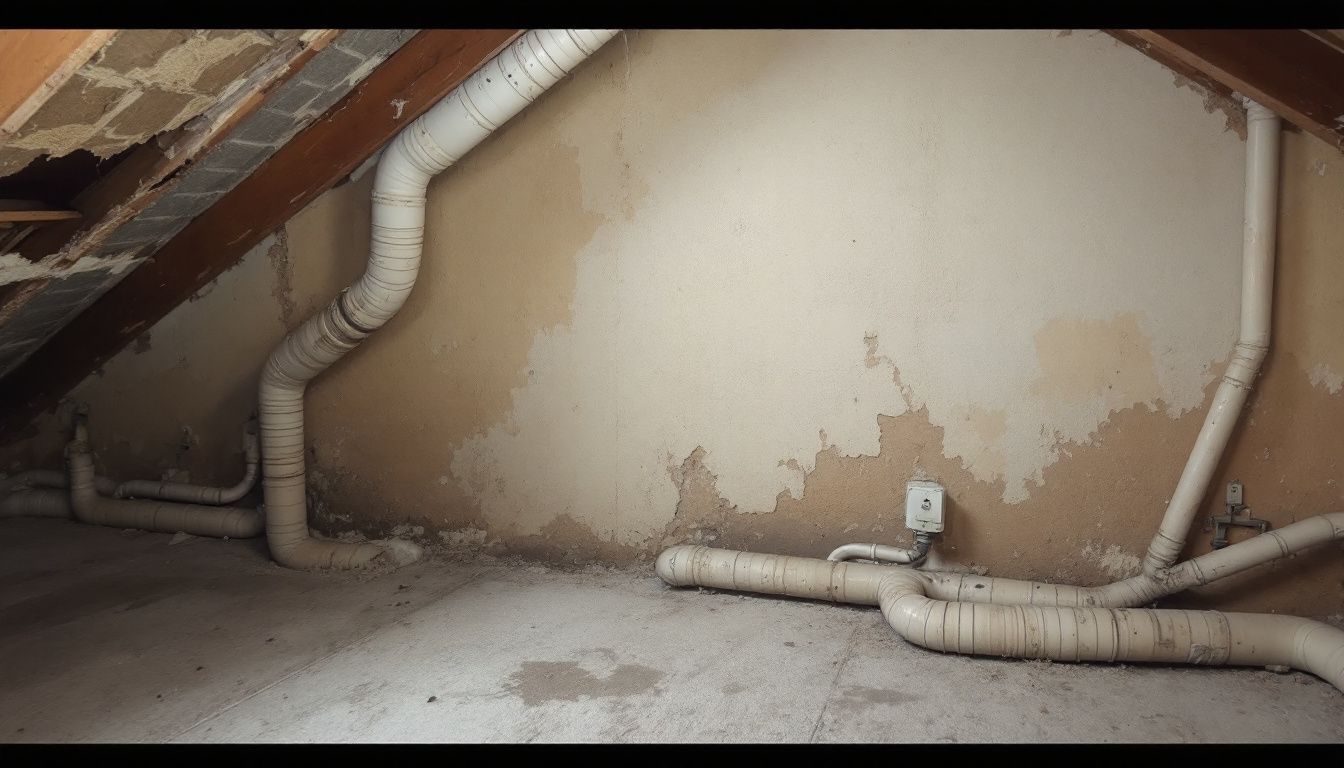
A large proportion of domestic and commercial properties built before 2000 contain ACMs. This is precisely why professional asbestos surveys matter — most people genuinely do not know what is hidden in their walls, ceilings, or floor tiles.
If you are based in the capital and concerned about a property, an asbestos survey London can identify exactly what materials are present and what condition they are in. For those in the North West, an asbestos survey Manchester provides the same professional assurance. And if you are managing property in the Midlands, an asbestos survey Birmingham will give you a clear picture of any risks on site.
Myth: Only prolonged exposure causes mesothelioma
There is no established safe duration of asbestos exposure. When asbestos fibres are inhaled, they can become permanently lodged in lung tissue. The body cannot expel them.
Over time — sometimes across decades — those fibres cause cellular damage that can lead to cancer. Brief, one-off exposures have been sufficient to cause mesothelioma. This is not a reason for panic if you were exposed once many years ago, but it does mean that the idea of a “safe” short exposure is a myth without scientific foundation.
Myth: A small amount of asbestos exposure is probably safe
No safe level of asbestos exposure has been established. This is not scaremongering — it is the consistent position of UK and international health authorities, including the HSE.
Asbestos fibres are microscopic. They are invisible to the naked eye. You cannot smell them or taste them. Without air monitoring or laboratory analysis, you have no way of knowing whether you have inhaled them or in what quantity.
The guiding principle in asbestos management under the Control of Asbestos Regulations is to treat any exposure as potentially significant and to take all reasonable steps to avoid disturbing ACMs unnecessarily.
Myth: If I cannot remember being exposed, asbestos probably was not the cause
Given that asbestos fibres are invisible and odourless, and given that ACMs were used in an enormous range of everyday building materials, it is entirely possible to have been exposed without knowing it.
Textured coatings, floor tiles, pipe lagging, ceiling tiles, roofing felt, partition boards — asbestos was incorporated into all of these and more. A lack of memory of exposure does not rule out asbestos as a cause.
If you have been diagnosed with mesothelioma or another asbestos-related disease and cannot recall obvious exposure, speak to a specialist asbestos claims solicitor. They are experienced in helping people reconstruct exposure histories, including through employment records and site surveys.
Misconceptions About Symptoms and Diagnosis
Myth: Symptoms will be obvious and you will know when to seek help
One of the most dangerous misconceptions about the symptoms of asbestos-related illnesses is that they will be dramatic or unmistakable. They rarely are, particularly in the early stages.
The latency period for mesothelioma is typically between 20 and 50 years. When symptoms do emerge, they are often non-specific and easily attributed to other common conditions such as COPD, heart disease, or general ageing.
Common symptoms include:
- Persistent breathlessness
- Chest pain or tightness
- A persistent cough
- Unexplained weight loss and fatigue
- Abdominal swelling or pain (in peritoneal mesothelioma)
Many people dismiss these symptoms for months. If you have a known history of asbestos exposure and develop any of these, raise your exposure history with your GP immediately. That single piece of information can significantly accelerate the diagnostic process.
Myth: Mesothelioma cannot be caught early
Early detection is challenging, but it is not impossible. The key is awareness — on the part of both patients and clinicians.
When a GP knows about a patient’s asbestos exposure history, they are far more likely to refer promptly and investigate thoroughly when relevant symptoms emerge. Earlier-stage diagnosis does improve treatment options; surgery, for example, is more likely to be viable when disease is caught sooner.
Disclosing your exposure history to your doctor is one of the most practically important things you can do.
Myth: Breathlessness is always the first sign of an asbestos-related disease
Breathlessness is a common symptom, but it is by no means universal or always the first to appear. In peritoneal mesothelioma, for instance, the initial symptoms are more likely to involve abdominal discomfort, bloating, or unexplained changes in bowel habits — none of which obviously point to an asbestos-related condition.
In pleural mesothelioma, some patients first notice chest pain or a dull ache rather than breathlessness. Others experience fatigue and weight loss before any respiratory symptoms develop.
The absence of breathing difficulties does not mean asbestos-related disease can be ruled out. Anyone with a history of exposure presenting with persistent, unexplained symptoms of any kind should mention that history to their GP.
Myth: Symptoms develop quickly after exposure
This is one of the most pervasive and harmful misconceptions about the symptoms of asbestos-related illnesses. People often assume that if they were exposed to asbestos and felt fine immediately afterwards, they are in the clear.
The reality is the opposite. Asbestos-related diseases have some of the longest latency periods of any occupational illness. Mesothelioma typically takes between 20 and 50 years to develop following initial exposure. Asbestosis can take 10 to 20 years or more before symptoms become apparent.
Feeling well in the years following exposure provides no reassurance. This is why people with a known exposure history should maintain regular contact with their GP and flag that history clearly, even if they currently feel perfectly healthy.
Misconceptions About Treatment
Myth: There are no effective treatment options for mesothelioma
This was closer to reality a generation ago. Today, it is not accurate. Treatment options now include:
- Surgery — to remove tumour tissue, most viable in earlier-stage pleural or peritoneal mesothelioma
- Chemotherapy — typically platinum-based regimens that can slow disease progression
- Radiotherapy — often used to manage pain and local disease control
- Immunotherapy — now approved for use in certain mesothelioma cases, with some patients showing significant responses
- Palliative care — focused on quality of life, symptom management, and pain relief
Clinical trials continue to explore new approaches. No treatment currently cures mesothelioma, but the treatment landscape is meaningfully better than it was, and many patients live considerably longer than statistics from previous decades might suggest.
Myth: Chemotherapy will just make you sicker without helping
Chemotherapy does carry side effects, and they can be significant. But for many mesothelioma patients, it also extends life and can meaningfully reduce symptoms.
The decision about treatment should always be made between a patient and their specialist team, based on individual circumstances, fitness, and disease stage. Refusing treatment based on a generalised fear — without exploring what it might realistically offer in your specific case — is worth reconsidering with specialist support.
Misconceptions About Prognosis
Myth: A mesothelioma diagnosis is immediately fatal
Mesothelioma is a serious, life-limiting diagnosis. That is true and it would be wrong to minimise it. But it is not an immediate death sentence, and treating it as one can lead people to forgo treatment that could extend and improve their lives.
Prognosis varies considerably based on the type of mesothelioma, the stage at diagnosis, the patient’s age and overall health, and the treatment received. Some patients — particularly those diagnosed at an earlier stage and treated aggressively — live for many years beyond diagnosis.
Survival statistics are improving, and each patient’s trajectory is individual.
Myth: Advanced-stage mesothelioma means nothing can be done
Even with a late-stage diagnosis, treatment options exist. Palliative chemotherapy, immunotherapy, and specialist palliative care can extend life and significantly improve its quality.
Being told the disease is advanced is not the same as being told nothing can help. Specialist mesothelioma centres and oncologists are best placed to advise on what options remain available, and seeking that specialist opinion is always worthwhile.
Misconceptions Around Legal Rights and Compensation
Myth: It is too late to make a claim
Many people diagnosed with asbestos-related diseases assume that because their exposure happened decades ago, any legal claim is out of time. This is frequently incorrect.
UK law makes specific provisions for asbestos-related disease claims, recognising that the long latency period makes standard limitation periods inappropriate. The clock typically starts running from the date of diagnosis, not the date of exposure. Legal advice from a solicitor specialising in industrial disease claims should always be sought promptly after diagnosis.
Myth: You can only claim if your employer is still in business
This is another misconception that prevents people from pursuing legitimate compensation. Many asbestos claims relate to employers who have since ceased trading. In a significant number of cases, employers’ liability insurers can still be traced and held responsible.
There are also government schemes in place to support those whose exposure cannot be linked to a traceable employer. A specialist solicitor will be able to advise on the routes available in your specific circumstances.
What You Should Do If You Have Been Exposed to Asbestos
If you know or suspect you have been exposed to asbestos at any point in your life, there are practical steps worth taking now — regardless of whether you currently have any symptoms.
- Tell your GP — Record the exposure history in your medical notes. This is the single most important step. It ensures that if relevant symptoms develop, your doctor knows to investigate promptly and thoroughly.
- Do not wait for symptoms — Given the long latency periods involved, you may feel entirely well for decades after exposure. Proactive communication with your GP is more valuable than waiting.
- Seek specialist advice if symptoms develop — If you develop persistent breathlessness, chest pain, unexplained weight loss, fatigue, or abdominal symptoms, seek medical attention and explicitly mention your exposure history.
- Know your legal rights — If you are diagnosed with an asbestos-related disease, consult a solicitor specialising in industrial disease claims as early as possible.
- Protect others — If you manage or own a property built before 2000, commission a professional asbestos survey. Disturbing ACMs without knowing they are there is one of the most preventable causes of ongoing asbestos exposure in the UK today.
How Asbestos Surveys Help Prevent Future Illness
The health consequences of asbestos exposure are serious and long-lasting. The most effective way to prevent future cases is to identify and properly manage ACMs before they are disturbed.
Under the Control of Asbestos Regulations, duty holders — including landlords, employers, and building managers — have a legal obligation to manage asbestos in non-domestic premises. That obligation begins with knowing what is there.
A professional asbestos survey, carried out by accredited surveyors in line with HSG264 guidance, is the foundation of any effective asbestos management plan. It identifies the location, type, and condition of any ACMs, and provides the information needed to manage them safely — or arrange their removal where necessary.
Supernova Asbestos Surveys has completed over 50,000 surveys nationwide. Our surveyors are fully accredited and operate in line with all relevant HSE guidance. Whether you are a landlord, a facilities manager, or a business owner, we can provide the clarity and assurance you need.
Frequently Asked Questions
What are the most common misconceptions about symptoms of asbestos-related illnesses?
The most widespread misconceptions include the belief that symptoms appear quickly after exposure, that breathlessness is always the first sign, and that symptoms will be obvious and dramatic. In reality, asbestos-related diseases have latency periods of 20 to 50 years, symptoms are often vague and non-specific, and they can vary significantly depending on the type of disease. Early symptoms are frequently mistaken for more common conditions such as COPD or general ageing.
Can you get mesothelioma from a single brief exposure to asbestos?
Yes. There is no established safe level or safe duration of asbestos exposure. While the risk increases with the amount and duration of exposure, brief or one-off exposures have been documented as sufficient to cause mesothelioma in some cases. The HSE’s position is that no level of asbestos exposure should be considered safe.
Are women at risk of asbestos-related diseases?
Yes. While the majority of diagnosed cases have historically been in men due to occupational exposure patterns, women are also at risk — particularly through secondary or para-occupational exposure. This includes women who lived with workers who brought asbestos fibres home on their clothing. Women have been diagnosed with mesothelioma as a result of this type of exposure.
What should I do if I think I was exposed to asbestos years ago but feel fine now?
Tell your GP and ask them to record the exposure history in your medical notes. Given that asbestos-related diseases can take 20 to 50 years to develop, feeling well now does not mean you are not at risk in the future. Having your exposure history on record means that if relevant symptoms develop, your doctor will know to investigate promptly and order the right tests.
Is asbestos still present in UK buildings?
Yes. Asbestos-containing materials were widely used in UK construction until a full ban came into force, and a large proportion of buildings constructed before 2000 still contain ACMs. These include textured coatings, floor tiles, ceiling tiles, pipe lagging, and roofing materials. As long as ACMs remain in good condition and are not disturbed, they do not necessarily pose an immediate risk — but they must be identified and properly managed by a duty holder under the Control of Asbestos Regulations.
Speak to Supernova Asbestos Surveys
If you manage or own a property and need to understand your asbestos risk, Supernova Asbestos Surveys is here to help. With over 50,000 surveys completed across the UK, we provide fast, accurate, and fully accredited asbestos surveys for commercial, residential, and public sector properties.
Call us on 020 4586 0680 or visit asbestos-surveys.org.uk to book a survey or speak to one of our team.